
Hydrofracturing Well Services in Otay, CA
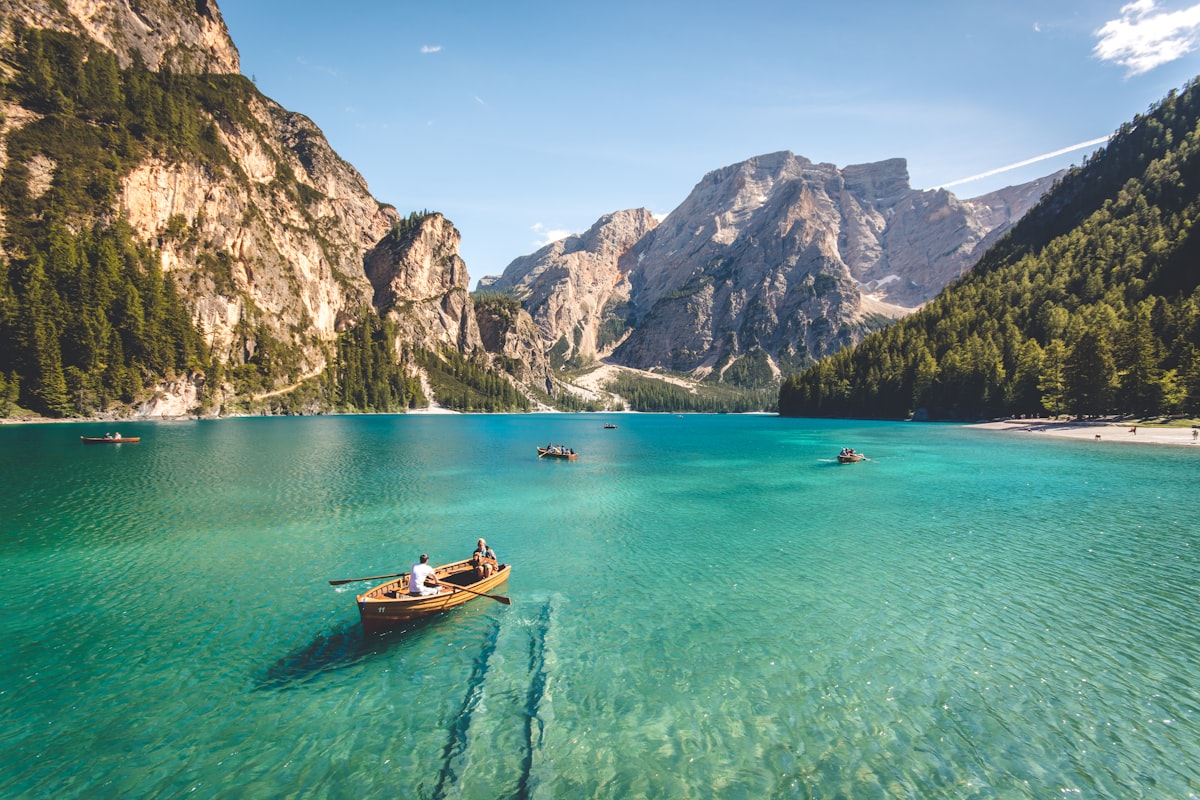
Is your well in Otay producing less water than it used to? Hydrofracturing (also called hydrofracking) could be the solution to restore and even improve your well's water production without the expense of drilling a new well.
📋 In This Guide
- What is Hydrofracturing?
- Signs Your Otay Well Needs Hydrofracturing
- The Hydrofracturing Process
- Cost vs. New Well Drilling in Otay
- Why Choose SCWS for Hydrofracturing?
- Related Articles
Southern California Well Service provides professional hydrofracturing services throughout San Diego County to help homeowners and property owners increase their well yield.
What is Hydrofracturing?
Hydrofracturing is a well rehabilitation technique that uses high-pressure water to clean and expand existing fractures in the bedrock surrounding your well. This process:
- Clears mineral deposits and sediment blocking water flow
- Opens new pathways for groundwater to reach your well
- Can increase well yield by 2-10 times in many cases
- Extends the life of your existing well
Unlike oil and gas fracking, well hydrofracturing uses only clean water—no chemicals are involved.
Signs Your Otay Well Needs Hydrofracturing
- Declining water production over time
- Well runs dry during peak usage
- Slow recovery rate after pumping
- Pump cycling on and off frequently
- Lower water pressure than previous years
The Hydrofracturing Process
- Initial Assessment: We evaluate your well's current yield and condition
- Equipment Setup: Specialized high-pressure equipment is positioned at your well
- Isolation: Packers seal off sections of the well for targeted treatment
- Pressurization: Water is pumped at 500-3,000 PSI to fracture bedrock
- Development: Well is cleaned and tested for improved yield
Cost vs. New Well Drilling in Otay
In Otay, drilling a new well can cost $15,000-$50,000+ depending on depth. Hydrofracturing typically costs a fraction of that—often $3,000-$8,000—making it an excellent first option before considering a new well.
Many Otay wells that appear to be "going dry" can be successfully rehabilitated through hydrofracturing, saving homeowners tens of thousands of dollars.
Why Choose SCWS for Hydrofracturing?
- Founded 2020 · 60+ Years Family Heritage: We've rehabilitated thousands of wells across Southern California
- Licensed C-57 Contractor. CSLB License #1086994. Fully licensed for well drilling and service in California
- Specialized Equipment: Professional-grade hydrofracturing equipment
- Free Estimates: We'll assess your well and provide honest recommendations
Need Help With Your Well in Otay?
Our expert technicians serve Otay and all of San Diego County with professional well services.
Related Articles
Continue learning about well maintenance and troubleshooting
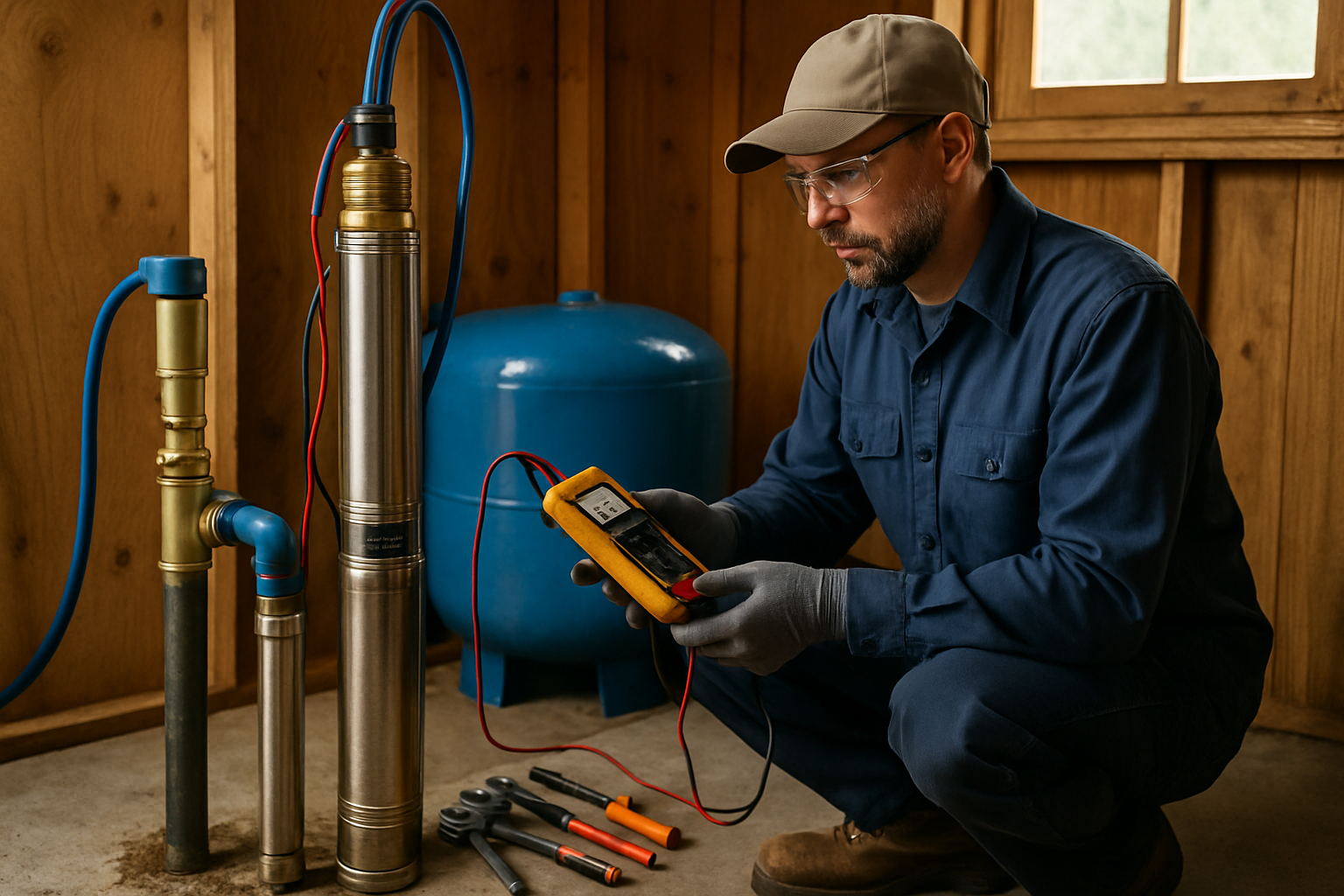
Signs Your Well Pump Is Failing
Catch pump problems early before you lose water completely.
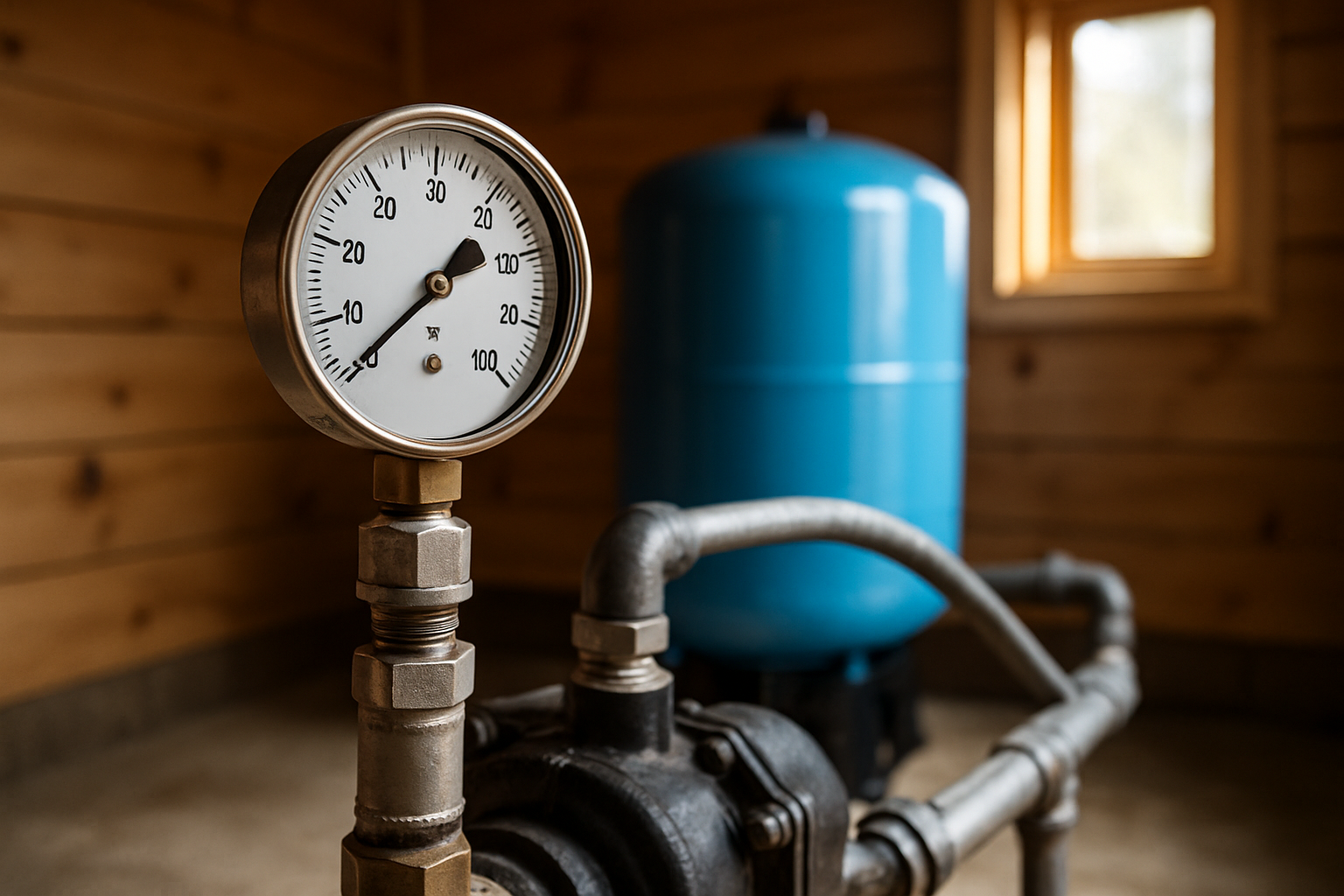
Low Water Pressure From Well
Diagnose and fix pressure problems before they get worse.
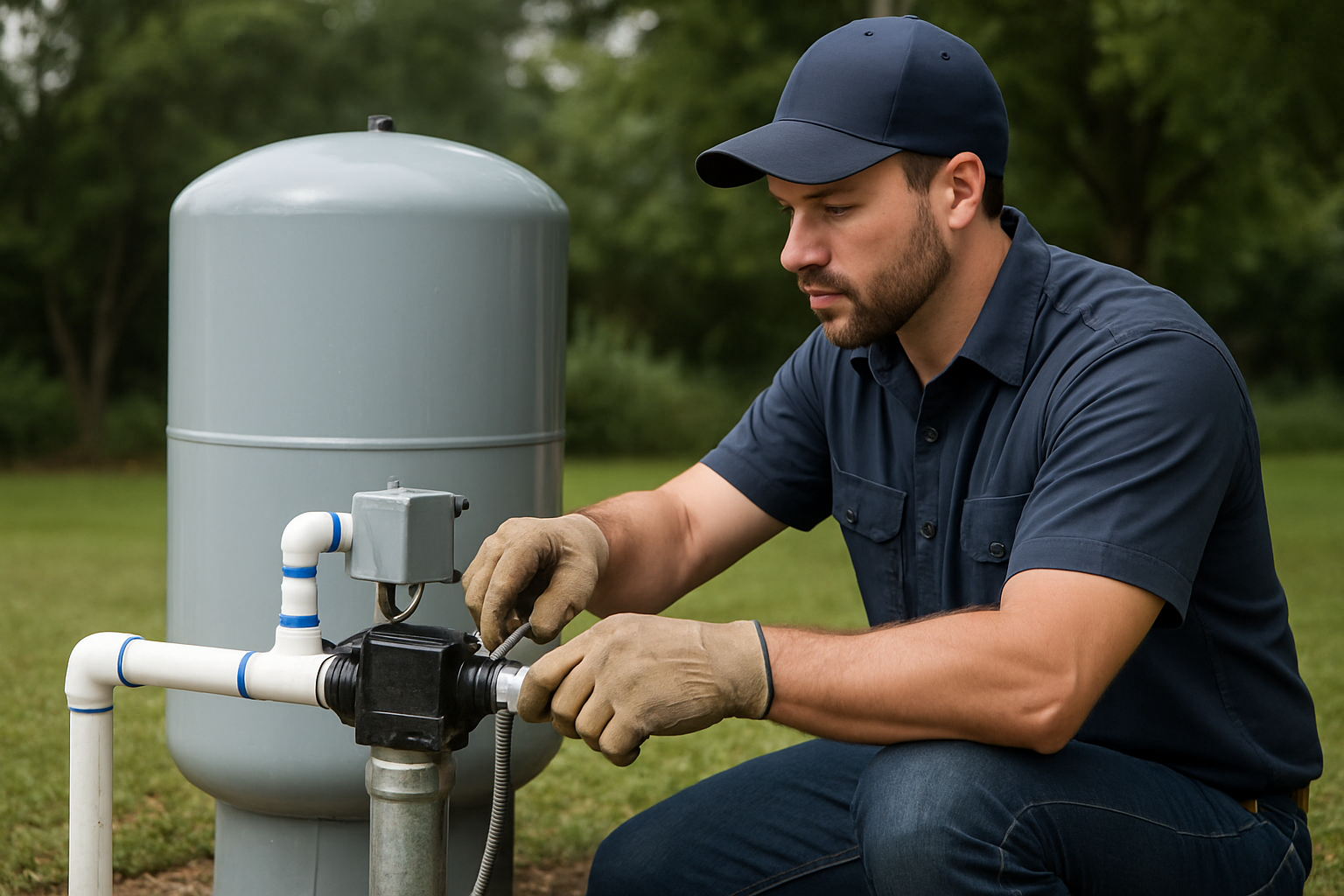
Well Maintenance Guide
Keep your well running smoothly with regular maintenance.
Our Locations
1077 Main St, Ramona, CA 92065
57174 CA-371 (US Hwy 79), Anza, CA 92539
Hydrofracturing for Wells in the Otay Area, San Diego County
The Otay area sits in the far south of San Diego County, spanning Otay Mesa and the communities along the international border and the eastern edge of Chula Vista, served by the Otay Water District. It is a region of newer master-planned housing, commercial and industrial development around the Otay Mesa port of entry, and rapidly urbanizing mesa land. Crucially, the Otay Water District supplies its roughly 225,000 customers almost entirely with imported and treated water — Colorado River and State Water Project supplies purchased through the San Diego County Water Authority, plus desalinated seawater from the Carlsbad plant. That makes the honest answer to questions about hydrofracturing in Otay clear: nearly every property here is on municipal water, and hydrofracturing is a service strictly for hard-rock well owners.
We have written this page so that local searches get a truthful answer instead of a sales pitch. If you live in eastern Chula Vista, Otay Mesa, or Otay Ranch and your water is weak, that is a municipal-plumbing issue, not a well issue. The wells hydrofracturing actually helps are out in the fractured-rock back country of San Diego County — toward Jamul, Dulzura, Lakeside, and the eastern foothills — not in the urbanizing Otay corridor.
How Hydrofracturing Works
Hydrofracturing rehabilitates wells drilled into bedrock. A technician seals off a section of the borehole with an inflatable packer, then injects clean water into that isolated zone at high pressure — typically 1,000 to 3,000 PSI. The pressure clears silt and mineral scale out of the natural fractures in the surrounding rock and widens them, reopening pathways for groundwater to flow into the well. In suitable wells, yield can rise two to five times. The process uses clean water only; despite the "hydrofracking" nickname there are no chemicals, and it is unrelated to oil-and-gas extraction.
The firm requirement is fractured rock. Sand, gravel, and sedimentary fill have no fractures to open, so wells in those materials do not respond. That is why the urbanized, municipally supplied Otay area is the wrong setting for the technique.
Why the Otay Area Is a Weak Candidate
Two facts place Otay firmly outside hydrofracturing territory. First, the area is served by the Otay Water District with imported and desalinated supplies, so there is essentially no private well to treat. Second, much of the local mesa is sedimentary terrace, the Otay and San Diego formations, and fill rather than the deep fractured crystalline rock fracturing requires. Even an uncommon legacy well in this area would be unlikely to respond the way a granite-bound back-country well does.
If you do own such a well and it is finished in sediment, we will be straight with you: hydrofracturing will not help. The realistic options are deepening the well into a more productive zone, sealing an unused well to code, or simply relying on the dependable district supply.
What Usually Causes Weak Water in the Otay Area
- A failing pressure regulator — the most common cause of house-wide low pressure on a district line.
- Pressure-zone position — the Otay system spans a wide range of elevations, so some homes sit at the low-pressure edge of a zone.
- Water heater sediment — weakens hot-water flow specifically.
- A partly closed shutoff or angle stop — a quick, no-cost fix.
- An undersized or aging service line — restricts flow to the whole house.
None of these is a well issue, and hydrofracturing solves none of them.
Common Local Scenarios
Across our years serving San Diego County, almost every "well" call from urban areas like Otay turns out to be a municipal-system matter. A homeowner in a newer Otay Ranch home reports weak upstairs pressure that traces to elevation within the district's pressure zones, easily solved with a booster system. Another blames a nonexistent well for a fading shower caused by a worn pressure regulator at the meter. A third worries over cloudy water that simply followed a district main flush. In each case the fix is a plumber, a small part, or a booster pump — not a drilling rig. The costliest mistake is to pursue expensive well work for a problem a simple repair would resolve, which is why our first step is always to confirm whether a well is even part of the picture.
What to Check Before You Call
- Confirm your water source. An Otay Water District meter and bill means municipal water and no well.
- Test pressure at an outdoor hose bib. Uniformly low pressure points to the regulator or service line.
- Compare hot and cold flow. Hot-only weakness implicates the water heater.
- Consider your elevation. High-lot homes may sit at a pressure-zone edge that a booster resolves.
- Verify the main valve is fully open. A half-closed valve throttles the entire home.
When to Call a Professional
If you own a genuine private well anywhere in San Diego County and its production has dropped, call us for a diagnostic. The visit is $125, credited toward any service. We run a flow test and, when warranted, a downhole camera survey so the recommendation reflects your well's real condition. For Otay-area homes on district water, a licensed plumber is the right call — and if your issue is pressure-zone elevation, a properly sized booster or constant-pressure system is the answer, which we can provide.
Realistic Cost Ranges
For a suitable bedrock well, hydrofracturing across San Diego County typically costs $3,000 to $8,000. Related work runs as follows: pressure switch $150–$350; pressure tank $600–$1,500; pump replacement $2,500–$5,500; sediment filtration $300–$900; iron/manganese or softener systems $1,500–$3,500; constant-pressure or booster systems $2,000–$4,500; well decommissioning $1,500–$5,000; and a turnkey new well $18,000–$42,000. We quote only the fix that addresses your actual problem.
Where Hydrofracturing Does Pay Off
It is worth being clear about where this technique genuinely shines, because the contrast explains why we steer Otay-area homeowners elsewhere. Just east and south of the urbanized Otay corridor, the land rises into the granite and metavolcanic hills of Jamul, Dulzura, and the back country, where private wells remain the norm and municipal service does not reach. Those wells are drilled directly into fractured rock, and when their yield slips, hydrofracturing is frequently the most cost-effective answer: reopening and extending the natural fractures for $3,000–$8,000 rather than spending $18,000–$42,000 on a new well. In San Diego County's hard rock, fracturing improves yield in a strong majority of suitable wells, with typical gains of two to five times the prior flow.
The Otay corridor simply does not share that geology or that reliance on private wells. So while we are glad to help any well owner across the region, our honest counsel for a municipally served Otay home is to treat the actual cause — a regulator, a service line, or a pressure-zone booster — rather than to invest in well work the property neither needs nor would benefit from. That straight-shooting approach is a big part of why customers across San Diego County rate us and call us back.
Serving the Otay Area and San Diego County
Southern California Well Service is a licensed C-57 water well contractor founded in 2020, with 60+ years of family heritage. Our offices are in Ramona (1077 Main St, Ramona, CA 92065) and Anza (57174 CA-371 (US Hwy 79), Anza, CA 92539). The Otay corridor is municipal-water country, but we serve well owners throughout San Diego County — Jamul, Dulzura, Lakeside, Alpine, El Cajon, and Ramona — with same-day emergency response when a well or pump fails.
Frequently Asked Questions
Do Otay-area homes have wells?
Almost none. The Otay Water District serves the area with imported and desalinated municipal water. Private wells in this region are out in the rural east and south county.
Will hydrofracturing fix my low water pressure?
No. Low pressure in the Otay area is a district-plumbing or pressure-zone issue — not a well problem — and is solved by a plumber or a booster pump.
Does hydrofracturing use chemicals?
No. It uses only clean water under high pressure to clear and reopen existing fractures in bedrock. It is unrelated to oil-and-gas fracking.
Where does hydrofracturing actually work?
On wells drilled into fractured granite or metavolcanic rock out in the back country — not in the urbanized Otay corridor.
I'm high on a hill with weak pressure — can you help?
Yes. A correctly sized booster or constant-pressure system, roughly $2,000–$4,500, typically resolves elevation-related pressure complaints.
What if I really do have a well?
We will assess it and tell you honestly whether fracturing, deepening, a new well, or a simple pump repair is the right move.
Get an Honest Answer About Your Water
Whether you own a back-country well that is fading or simply face weak water in your Otay-area home, we will give you a straight, experienced answer. Call (760) 440-8520 or text (760) 219-5877 to reach Southern California Well Service.