
Hydrofracturing Well Services in Pine Valley, CA
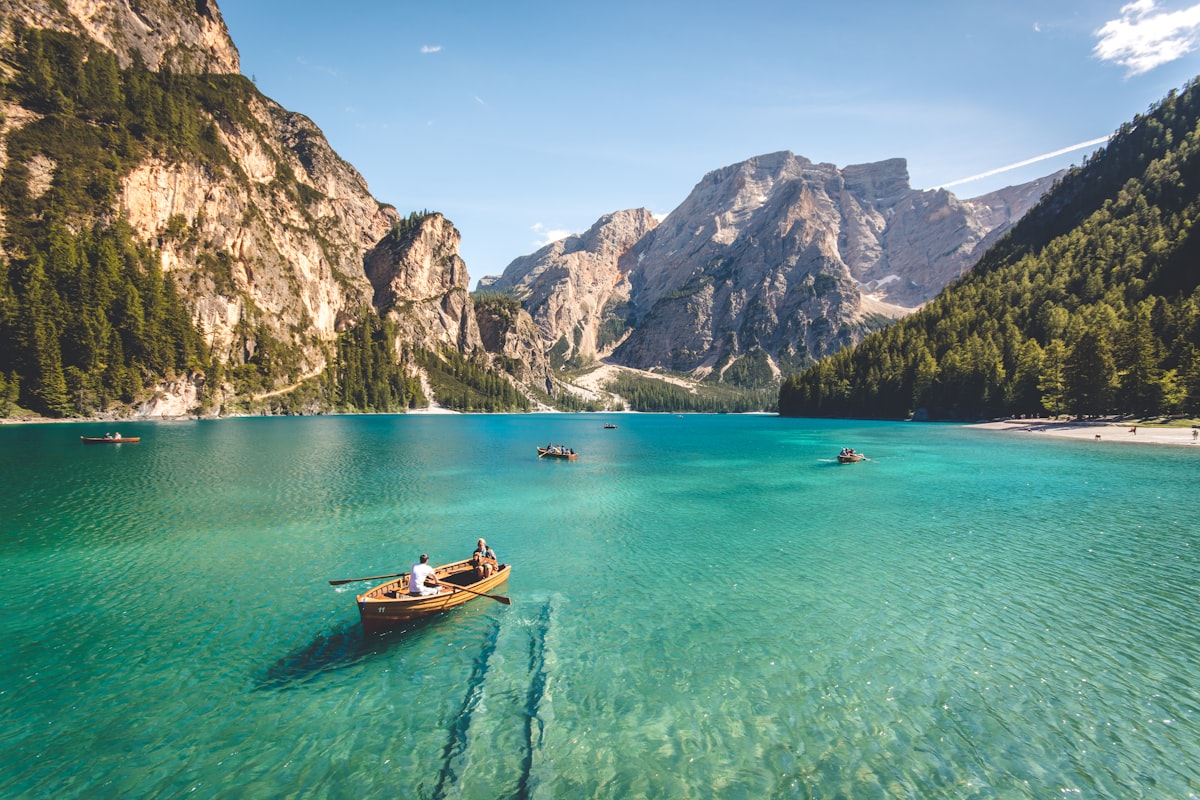
Is your well in Pine Valley producing less water than it used to? Hydrofracturing (also called hydrofracking) could be the solution to restore and even improve your well's water production without the expense of drilling a new well.
📋 In This Guide
- What is Hydrofracturing?
- Signs Your Pine Valley Well Needs Hydrofracturing
- The Hydrofracturing Process
- Cost vs. New Well Drilling in Pine Valley
- Why Choose SCWS for Hydrofracturing?
- Related Articles
Southern California Well Service provides professional hydrofracturing services throughout San Diego County to help homeowners and property owners increase their well yield.
What is Hydrofracturing?
Hydrofracturing is a well rehabilitation technique that uses high-pressure water to clean and expand existing fractures in the bedrock surrounding your well. This process:
- Clears mineral deposits and sediment blocking water flow
- Opens new pathways for groundwater to reach your well
- Can increase well yield by 2-10 times in many cases
- Extends the life of your existing well
Unlike oil and gas fracking, well hydrofracturing uses only clean water—no chemicals are involved.
Signs Your Pine Valley Well Needs Hydrofracturing
- Declining water production over time
- Well runs dry during peak usage
- Slow recovery rate after pumping
- Pump cycling on and off frequently
- Lower water pressure than previous years
The Hydrofracturing Process
- Initial Assessment: We evaluate your well's current yield and condition
- Equipment Setup: Specialized high-pressure equipment is positioned at your well
- Isolation: Packers seal off sections of the well for targeted treatment
- Pressurization: Water is pumped at 500-3,000 PSI to fracture bedrock
- Development: Well is cleaned and tested for improved yield
Cost vs. New Well Drilling in Pine Valley
In Pine Valley, drilling a new well can cost $15,000-$50,000+ depending on depth. Hydrofracturing typically costs a fraction of that—often $3,000-$8,000—making it an excellent first option before considering a new well.
Many Pine Valley wells that appear to be "going dry" can be successfully rehabilitated through hydrofracturing, saving homeowners tens of thousands of dollars.
Why Choose SCWS for Hydrofracturing?
- Founded 2020 · 60+ Years Family Heritage: We've rehabilitated thousands of wells across Southern California
- Licensed C-57 Contractor. CSLB License #1086994. Fully licensed for well drilling and service in California
- Specialized Equipment: Professional-grade hydrofracturing equipment
- Free Estimates: We'll assess your well and provide honest recommendations
Need Help With Your Well in Pine Valley?
Our expert technicians serve Pine Valley and all of San Diego County with professional well services.
Related Articles
Continue learning about well maintenance and troubleshooting

Signs Your Well Pump Is Failing
Catch pump problems early before you lose water completely.
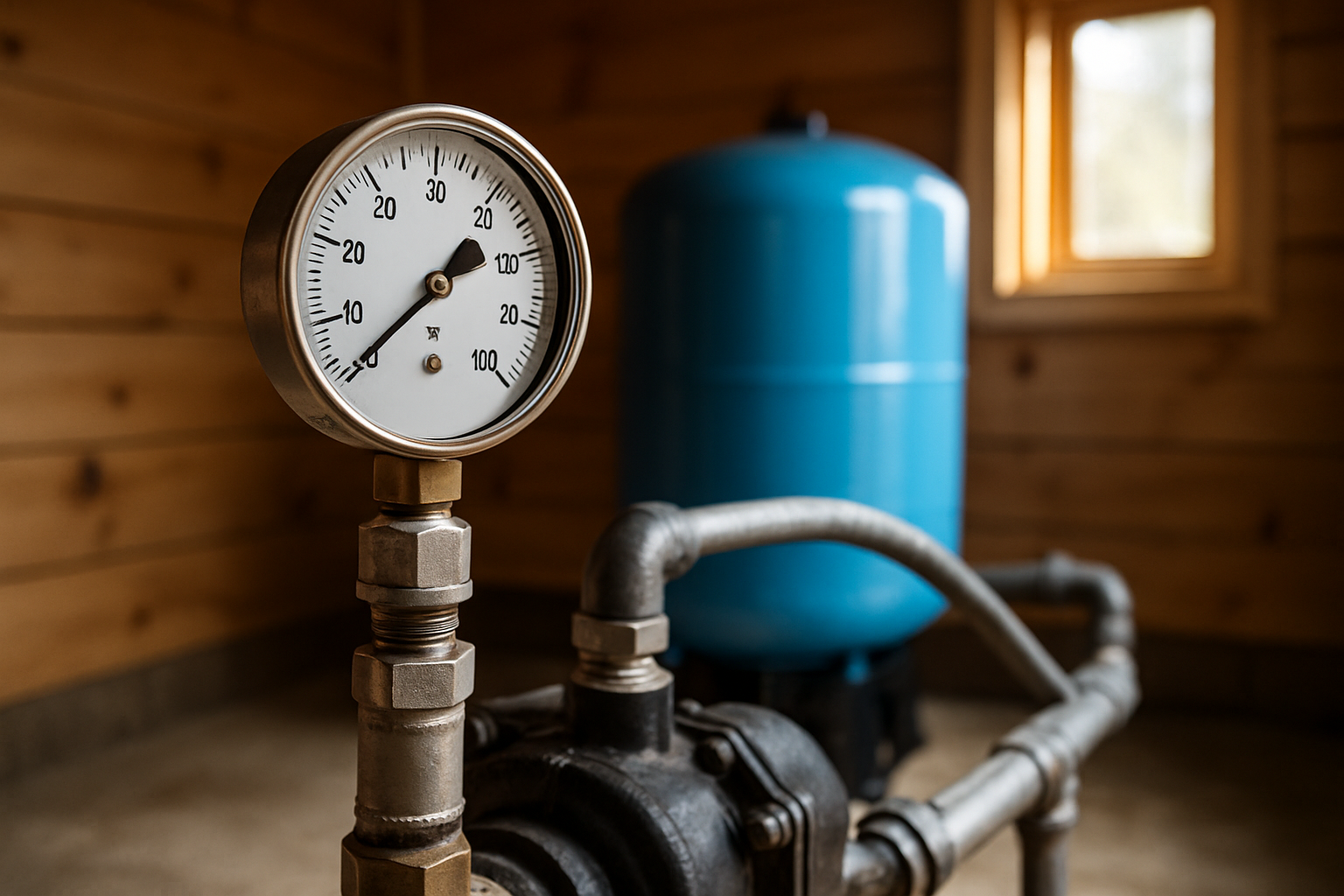
Low Water Pressure From Well
Diagnose and fix pressure problems before they get worse.
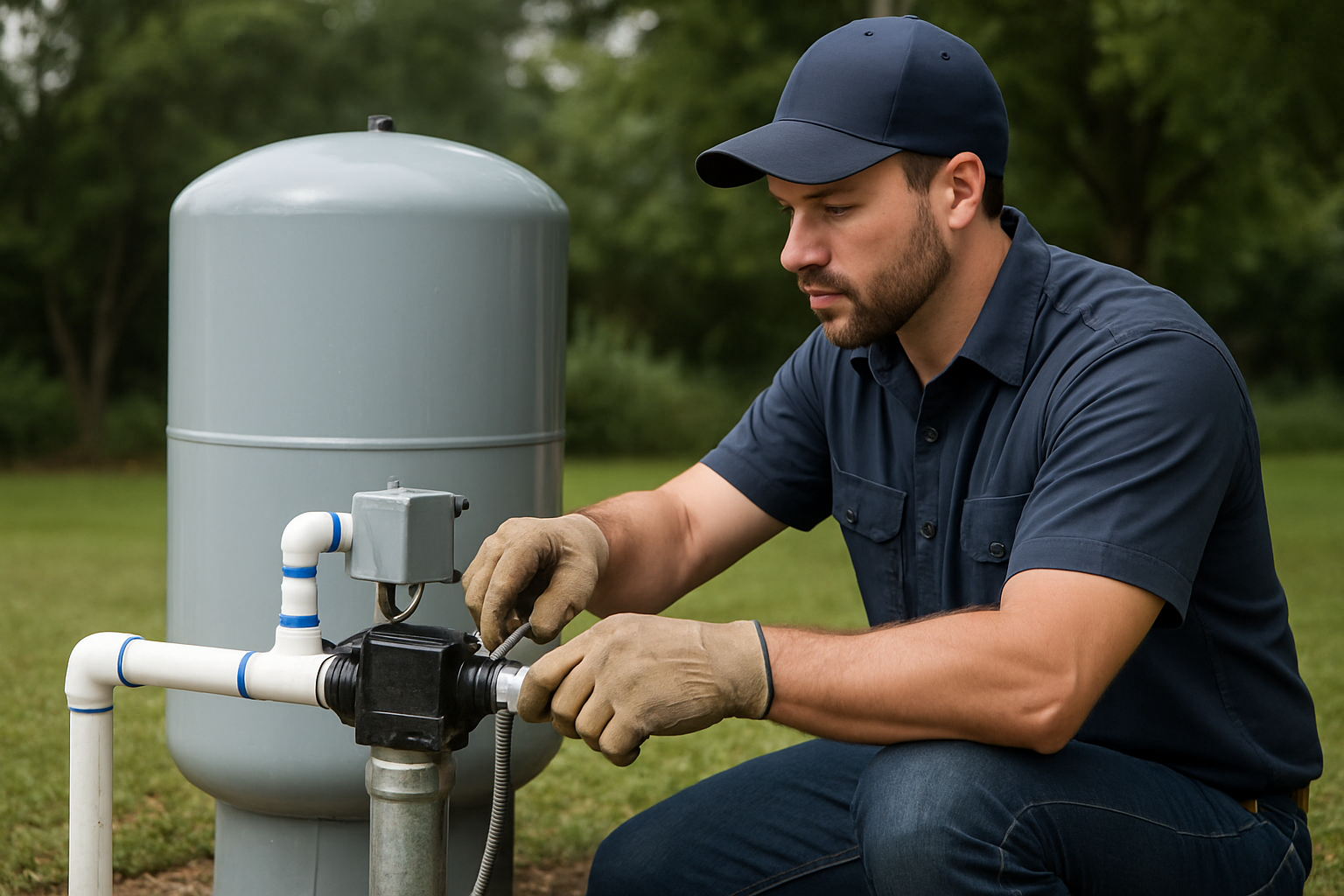
Well Maintenance Guide
Keep your well running smoothly with regular maintenance.
Our Locations
1077 Main St, Ramona, CA 92065
57174 CA-371 (US Hwy 79), Anza, CA 92539
Restoring Well Yield in Pine Valley’s Mountain Country
Tucked into the eastern reaches of San Diego County at roughly 3,700 feet, Pine Valley sits along Interstate 8 where the chaparral gives way to the pines of the Cleveland National Forest and the rising shoulder of the Laguna Mountains. Out here, between Guatay to the west and Mount Laguna to the north, there are no municipal water mains running up the canyons. Nearly every home, ranch, and roadside parcel draws its water from a private well punched into the fractured granitic bedrock of the Peninsular Ranges. When that well starts to fade, the household feels it immediately—and replacing it can be daunting.
That is where hydrofracturing comes in, and where Southern California Well Service has spent decades doing exactly this kind of work. Hydrofracturing rejuvenates a tired, low-producing well by forcing clean water down the borehole under high pressure to reopen and rinse out the natural fracture network in the rock. For Pine Valley and the surrounding mountain communities, it is frequently the most sensible first move—far cheaper than drilling fresh and remarkably well suited to the hard, jointed granite that underlies this part of the county.
How Hydrofracturing Works
A water well in granite does not draw from a sandy reservoir; it depends on a web of thin cracks and seams in the rock that carry groundwater toward the borehole. Over years of pumping, those fractures clog with fine sediment, mineral scale, and drilling residue, and the well slowly starves. Hydrofracturing reverses that decline. A technician lowers an inflatable packer into the casing and inflates it to seal off a chosen depth, isolating the section to be treated from the rest of the bore.
Clean water is then injected against that isolated zone at pressures that commonly run from about 1,500 to well over 3,000 PSI. The pressure pries existing fractures back open, flushes out the debris choking them, and can even coax fresh hairline cracks into connecting with the borehole. No chemicals, gels, or proppants are used—this is plain water doing the work, which is what cleanly separates well hydrofracturing from the oil-and-gas fracking that makes headlines. Once one zone is finished, the packer is repositioned and the next interval is treated.
For a typical Pine Valley residential well, the crew is usually on site for somewhere between four and eight hours. By the end of the day the equipment is packed up, the wellhead is buttoned back up, and the homeowner has a documented sense of whether flow has improved.
Signs a Pine Valley Well May Need Hydrofracturing
Wells rarely fail overnight. In this climate—cold, dry winters at elevation followed by long rainless stretches—the warning signs tend to creep in over several seasons. Watch for these patterns:
- Yield that has slipped year over year: the well that once filled the storage tank without complaint now struggles to keep up with the same household.
- Sluggish recovery after pumping: run the well hard for laundry or irrigation and it takes much longer than it used to before the water level rebounds.
- Trouble in the dry months: the well dips or sputters during late-summer and drought stretches when the water table around the Laguna foothills drops.
- A newer well that never lived up to expectations: a recently drilled bore that hit rock but simply does not produce the gallons per minute you were hoping for.
Any one of these is worth a conversation. Several of them together usually point squarely toward a fracture network that has lost its connection to the borehole—precisely the problem hydrofracturing is built to solve.
Why Local Geology Matters
Pine Valley sits on some of the best hydrofracturing rock in the region. The Laguna Mountains and the broader Peninsular Ranges are built from granitic and crystalline bedrock that, near the surface, has weathered into decomposed granite laced with joints and fractures. That jointed, brittle character is exactly what high-pressure water needs to act on: pressure has something to grip, fractures have somewhere to extend, and a treated well can tie into water-bearing seams it never fully reached before.
It is worth being honest about where the technique does not shine. Wells finished in loose sand, silt, or river gravel—the kind of unconsolidated material found in some valley-bottom aquifers elsewhere—are poor candidates, because there are no rigid fractures to reopen and the pressure simply dissipates. Around Pine Valley, Descanso, and Boulevard, though, almost everyone is drilled into hard mountain rock, which is why hydrofracturing has such a strong track record across these communities.
Safety First: What to Check Before Hydrofracturing
Before anyone talks about high-pressure injection, it is worth confirming that the well itself is genuinely the weak link. More than a few “dying well” calls turn out to be ordinary equipment problems that masquerade as low yield. A good contractor will rule out the usual suspects first:
- A failing or undersized pump that can no longer move water the way it once did.
- A waterlogged pressure tank that has lost its air charge and short-cycles the system.
- A bad or miscalibrated pressure switch sending the wrong signals and starving the house of pressure.
- A leak in the line between the wellhead and the home that quietly bleeds off flow.
This is the reason Southern California Well Service starts with a $125 diagnostic flow test, the cost of which is credited toward the hydrofracturing work if you move forward. The test measures what your well is actually producing and recovering, so you are not paying for a major procedure to fix a problem a forty-dollar part could have solved. If the diagnosis points to the rock and the fractures, you can proceed with confidence; if it points to the pump or tank, you have saved yourself a great deal.
When to Call a Pro
Hydrofracturing is not a do-it-yourself job, and in California it is not a free-for-all either. Working on a water well requires a C-57 water well contractor license, which exists to protect both your groundwater and your investment. Southern California Well Service is fully licensed—CSLB #1086994—(CSLB #1086994), founded in 2020, with 60+ years of family heritage across the mountain and backcountry communities it serves. That combination of licensing, equipment, and local know-how is what turns a high-pressure procedure into a controlled, predictable result.
Realistic Costs in Pine Valley
Money is usually the deciding factor, so it helps to see the numbers side by side. Here is what Pine Valley homeowners can generally expect:
- Hydrofracturing: $3,000-$8,000 for the treatment itself.
- A new turnkey well: roughly $18,000-$42,000, depending on depth and access.
- Diagnostic flow test: $125, credited toward the work if you proceed.
- Submersible pump, if yours needs replacing: about $2,500-$5,500.
- Pressure tank, if it has failed: roughly $600-$1,500.
Lined up against the cost of drilling fresh, hydrofracturing is almost always the smart first step. For a few thousand dollars you find out whether your existing well still has life in it—and most of the time, in this rock, it does.
Realistic Results: What to Expect
Experience in San Diego County’s fractured granite has been consistently encouraging. Roughly 70 to 80 percent of treated wells in this kind of hard rock show measurable improvement, and the typical gain lands somewhere around two to five times the pre-treatment flow rate. For a household that has been rationing water through the dry season, that can be the difference between constant worry and a well that simply keeps up.
Every job is bracketed by a documented before-and-after flow test, with the improvement usually verified within 24 to 48 hours of treatment as the well settles. We also believe in being straight with people: not every well is a strong candidate, and if your diagnostics suggest the rock or the well design will not respond, we will tell you that plainly rather than sell you a procedure unlikely to help. Honest expectations are part of the service.
Serving Pine Valley and the Surrounding San Diego County Backcountry
Southern California Well Service works throughout the eastern San Diego County mountains, including Pine Valley, Guatay, Descanso, Mount Laguna, Boulevard, and the ranch country around Pine Creek. These are communities where a dependable well is not a convenience but a necessity, and we keep same-day emergency service available for the days when a household suddenly finds itself without water.
Frequently Asked Questions
How much does hydrofracturing cost in Pine Valley?
Most hydrofracturing jobs in the Pine Valley area run between $3,000 and $8,000, depending on well depth and the number of zones treated. That is a fraction of the $18,000-$42,000 a new well typically costs here, which is why it makes sense to try reviving your existing well first.
Is hydrofracturing safe, and does it use chemicals?
It is safe and chemical-free. Well hydrofracturing uses nothing but clean water under pressure to reopen the natural cracks in the granite. It bears no resemblance to oil-and-gas fracking; there are no gels, additives, or proppants involved, so there is nothing to contaminate your groundwater.
How long does the process take?
A typical residential well in Pine Valley is treated in a single visit lasting about four to eight hours. You will usually have a documented before-and-after comparison, with the final flow improvement confirmed within 24 to 48 hours once the well stabilizes.
What is the success rate in Pine Valley’s granite?
In the fractured granitic bedrock of the Laguna and Peninsular Ranges, roughly 70 to 80 percent of treated wells improve, with typical gains of two to five times the prior flow. Hard, jointed rock like ours responds especially well; loose sand or gravel formations do not.
How do I know it’s the well and not the pump?
That is exactly what our $125 diagnostic flow test answers. We rule out a failing pump, a waterlogged pressure tank, a bad pressure switch, and line leaks before recommending hydrofracturing. The fee is credited toward the work if you proceed, so the diagnosis costs you nothing extra.
What areas around Pine Valley do you serve?
We cover Pine Valley and the surrounding eastern San Diego County backcountry, including Guatay, Descanso, Mount Laguna, Boulevard, and Pine Creek, with same-day emergency service available when a well goes down.
Get Your Pine Valley Well Producing Again
If your Pine Valley well is fading, don’t assume the only answer is an expensive new bore. A licensed C-57 contractor founded in 2020, serving this rock can often restore strong flow with a single day of hydrofracturing—and it starts with a simple diagnostic test. Call Southern California Well Service at (760) 440-8520 or text (760) 219-5877 to schedule. Same-day emergency service is available across the eastern San Diego County mountains.