
Hydrofracturing Well Services in Point Loma, CA
Is your well in Point Loma producing less water than it used to? Hydrofracturing (also called hydrofracking) could be the solution to restore and even improve your well's water production without the expense of drilling a new well.
📋 In This Guide
- What is Hydrofracturing?
- Signs Your Point Loma Well Needs Hydrofracturing
- The Hydrofracturing Process
- Cost vs. New Well Drilling in Point Loma
- Why Choose SCWS for Hydrofracturing?
- Related Articles
Southern California Well Service provides professional hydrofracturing services throughout San Diego County to help homeowners and property owners increase their well yield.
What is Hydrofracturing?
Hydrofracturing is a well rehabilitation technique that uses high-pressure water to clean and expand existing fractures in the bedrock surrounding your well. This process:
- Clears mineral deposits and sediment blocking water flow
- Opens new pathways for groundwater to reach your well
- Can increase well yield by 2-10 times in many cases
- Extends the life of your existing well
Unlike oil and gas fracking, well hydrofracturing uses only clean water—no chemicals are involved.
Signs Your Point Loma Well Needs Hydrofracturing
- Declining water production over time
- Well runs dry during peak usage
- Slow recovery rate after pumping
- Pump cycling on and off frequently
- Lower water pressure than previous years
The Hydrofracturing Process
- Initial Assessment: We evaluate your well's current yield and condition
- Equipment Setup: Specialized high-pressure equipment is positioned at your well
- Isolation: Packers seal off sections of the well for targeted treatment
- Pressurization: Water is pumped at 500-3,000 PSI to fracture bedrock
- Development: Well is cleaned and tested for improved yield
Cost vs. New Well Drilling in Point Loma
In Point Loma, drilling a new well can cost $15,000-$50,000+ depending on depth. Hydrofracturing typically costs a fraction of that—often $3,000-$8,000—making it an excellent first option before considering a new well.
Many Point Loma wells that appear to be "going dry" can be successfully rehabilitated through hydrofracturing, saving homeowners tens of thousands of dollars.
Why Choose SCWS for Hydrofracturing?
- Founded 2020 · 60+ Years Family Heritage: We've rehabilitated thousands of wells across Southern California
- Licensed C-57 Contractor. CSLB License #1086994. Fully licensed for well drilling and service in California
- Specialized Equipment: Professional-grade hydrofracturing equipment
- Free Estimates: We'll assess your well and provide honest recommendations
Need Help With Your Well in Point Loma?
Our expert technicians serve Point Loma and all of San Diego County with professional well services.
Related Articles
Continue learning about well maintenance and troubleshooting

Signs Your Well Pump Is Failing
Catch pump problems early before you lose water completely.
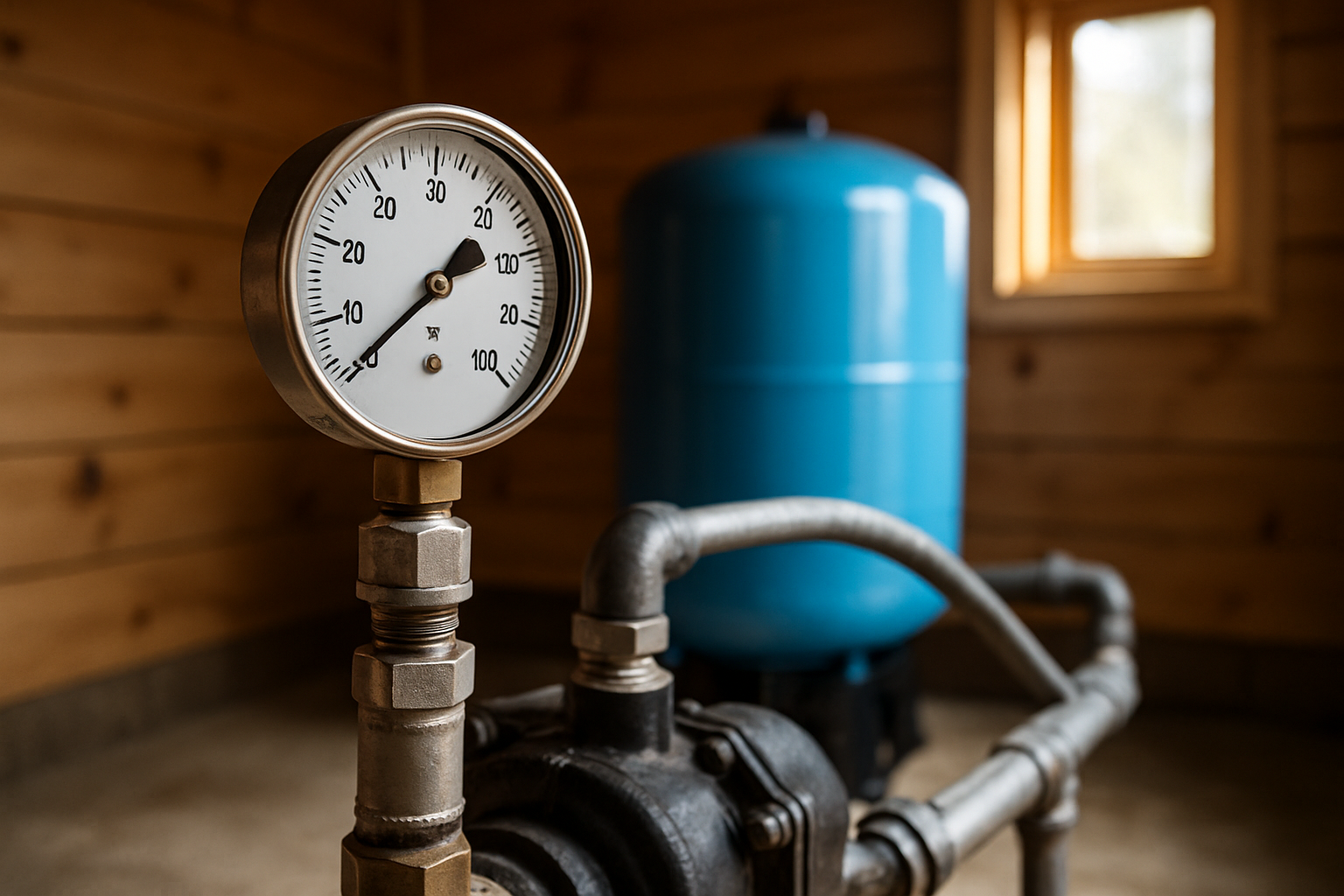
Low Water Pressure From Well
Diagnose and fix pressure problems before they get worse.
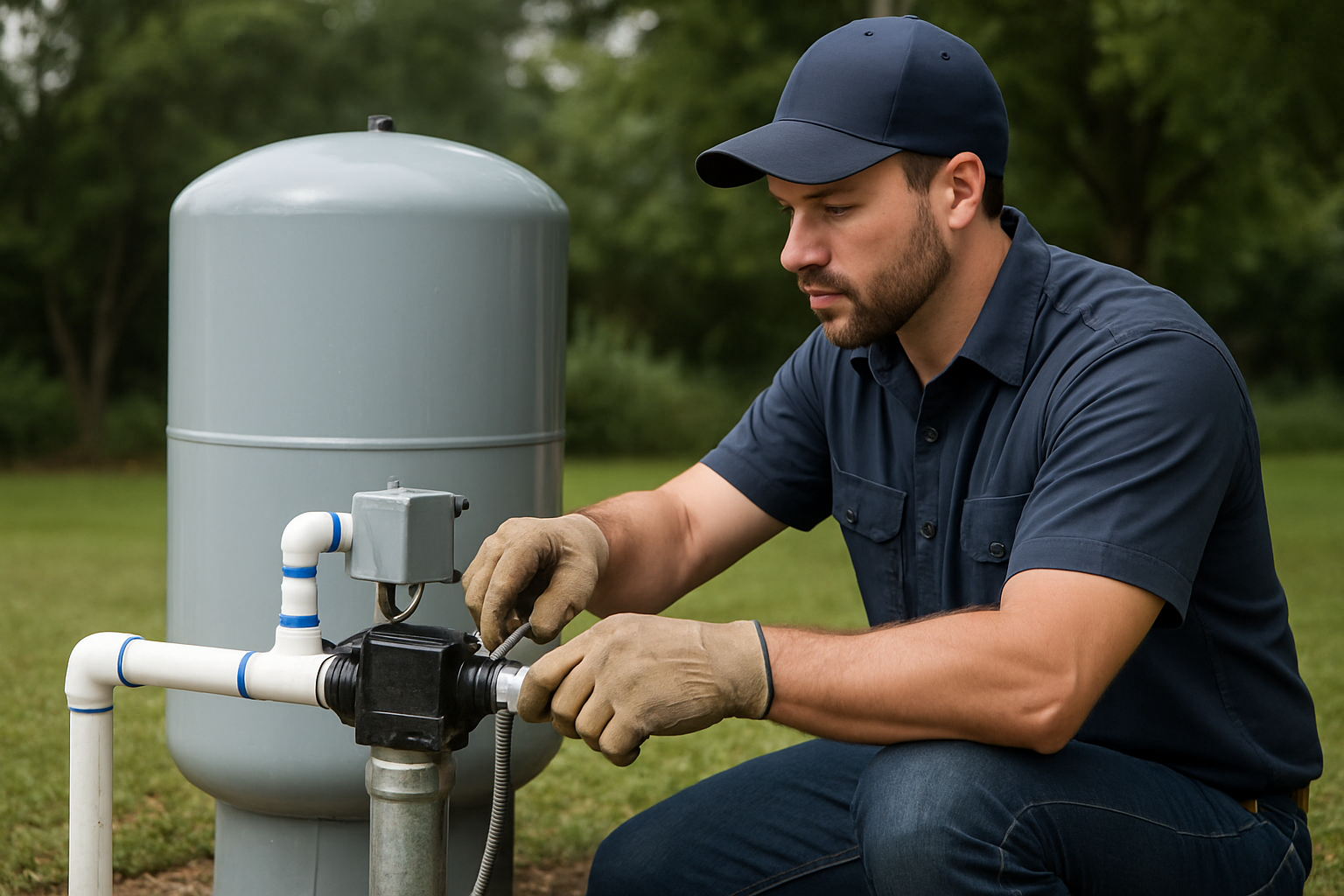
Well Maintenance Guide
Keep your well running smoothly with regular maintenance.
Our Locations
1077 Main St, Ramona, CA 92065
57174 CA-371 (US Hwy 79), Anza, CA 92539
Hydrofracturing in Point Loma: An Honest Assessment
Point Loma is one of San Diego's most distinctive neighborhoods, a hilly peninsula reaching out between the bay and the open Pacific, taking in communities such as La Playa, Roseville, Sunset Cliffs, and Wooded Area. It is also one of the places where we have to be candid with homeowners: for the typical Point Loma property, hydrofracturing is usually not the right fit. We would rather tell you that plainly than sell you a service your geology and water situation do not support. This page explains why, what hydrofracturing actually does, and what the better options usually are in a coastal, municipally served neighborhood like this one.
What Hydrofracturing Is, and the One Condition It Needs
Hydrofracturing is a well-yield enhancement technique. A contractor isolates a section of a well's borehole with inflatable packers and injects clean water at high pressure, commonly 1,500 to 3,000 PSI. In the right setting, that pressure reopens and cleans the natural cracks in solid bedrock, restoring the well's connection to groundwater and boosting flow. It uses only water, no chemicals, and it can be transformative.
But there is one non-negotiable requirement: the well must be drilled into fractured crystalline or granitic bedrock. Hydrofracturing works by opening rigid fractures. If there are no rigid fractures, there is nothing to open, and the high-pressure water simply dissipates into loose material without improving yield. That single condition is what makes hydrofracturing a strong tool in the granite foothills and a poor one along much of the San Diego coast.
Why Point Loma Is Usually a Weak Fit
Two things work against hydrofracturing on the Point Loma peninsula. First, the geology. Point Loma is capped by the Point Loma Formation, a marine sequence of sandstone, siltstone, and conglomerate rather than the hard, brittle granite that responds to high-pressure injection. Sedimentary rock of this kind does not carry the open fracture networks hydrofracturing relies on, and the bluffs along Sunset Cliffs are a daily reminder of how erodible those sandstone layers are.
Second, the water situation. Point Loma is a built-out, municipally served part of the City of San Diego. The overwhelming majority of homes here are connected to City water, not to a private well. Where a private well does exist on the peninsula, it is far more often used for landscape irrigation than for primary household supply, and it is frequently shallow. None of that lines up well with a hydrofracturing job, which is designed to rescue a deep, low-yield, hard-rock domestic well.
So if you are in Point Loma and reading this because your water is acting up, the most useful thing we can do is help you figure out what is actually wrong, because it is usually not a problem hydrofracturing would solve.
What Usually Helps Instead
- Pump or pressure-system repair. If you do have a well and the flow or pressure dropped, the cause is very often a worn pump, a failing pressure switch, or a waterlogged pressure tank, not the formation. These are far cheaper fixes.
- Screen or well rehabilitation. A shallow sediment well that has lost yield is often best served by cleaning and redeveloping the screen rather than fracturing rock that is not there.
- Water treatment. If the issue is water quality, taste, hardness, or salinity rather than quantity, a treatment system is the correct answer, and hydrofracturing would do nothing for it.
- A new or deepened well. In the rare case a property genuinely needs more groundwater, a properly sited new well or a deepening may make sense, though municipal connection is usually simpler on the peninsula.
When Hydrofracturing Could Still Apply Near the Coast
There are exceptions worth naming. If your property is unusual, set back from the developed peninsula on a lot with a deeper well that genuinely bottoms in fractured crystalline rock, hydrofracturing could be on the table. The Peninsular Ranges batholith, the granite that underlies much of inland San Diego County, does exist at depth in places. The only way to know is to look at your well completion report. If it shows the well screened in hard fractured rock rather than sandstone or loose sediment, we will tell you honestly that hydrofracturing is worth considering and how to weigh it.
How We Decide, Step by Step
- Diagnostic visit. We measure your flow and pressure and review your well log, if you have a well at all. The visit is $125 and is credited toward any work you choose.
- Identify the real problem. We separate a quantity problem from a quality problem, and an equipment problem from a formation problem.
- Confirm the geology. We check whether the well is in fractured rock (hydrofrac candidate) or sediment/sandstone (not a candidate).
- Recommend the lowest-cost fix that works. Often that is a pump or pressure repair, sometimes a treatment system, and only occasionally hydrofracturing.
Realistic Expectations
If you were hoping hydrofracturing would solve a Point Loma water issue, the realistic expectation is this: it probably will not, because the conditions it needs are rarely present here. That is not bad news. It usually means the actual fix is simpler and cheaper than a several-thousand-dollar fracturing job. Where hydrofracturing does apply, on suitable fractured-rock wells, we typically see two to five times the prior flow rate with success in roughly 70 to 80 percent of cases. We just do not want to imply those odds apply to a coastal sandstone setting where the technique is the wrong tool.
What to Check Before You Call
- Do you actually have a well, or are you on City of San Diego water?
- Your well completion report, which shows depth and whether the well is in rock or sediment.
- Is the trouble quantity or quality? Low flow points one way; bad taste or hardness points another.
- How the problem appeared — sudden changes usually mean equipment, gradual ones can mean the well or the formation.
When to Call a Professional
Even when hydrofracturing is not the answer, a licensed contractor is worth calling because the diagnosis matters. The wrong assumption can lead you to spend on a fracturing job that cannot help, when the real fix is a $300 pressure switch or a treatment cartridge. Our job in Point Loma is often to talk homeowners out of hydrofracturing and toward the repair that will actually restore their water. High-pressure well work also carries real risk to casing and seals and should never be attempted as a DIY project.
Honest Cost Picture
For reference: hydrofracturing, where it is appropriate, runs $3,000 to $8,000. But the repairs Point Loma homeowners more often need cost far less, a pump replacement at $2,500 to $5,500, a pressure tank at $600 to $1,500, or a pressure switch at $150 to $350. A new turnkey well, rarely needed on the peninsula, runs $18,000 to $42,000. Our diagnostic is $125 and is credited toward whatever work you decide to do, so you are never paying for a recommendation to do nothing.
Serving Point Loma and San Diego County
Southern California Well Service is a licensed C-57 water-well contractor founded in 2020, with 60+ years of family heritage. From our Ramona and Anza offices we serve all of San Diego County, including Point Loma, Ocean Beach, and the surrounding coastal communities, as well as the inland granite country where hydrofracturing genuinely shines. We offer same-day emergency service. Most importantly, we give Point Loma homeowners a straight answer about whether their water problem is one hydrofracturing can solve, and usually point them to a simpler, less expensive fix.
Frequently Asked Questions
Will hydrofracturing help my Point Loma water problem?
Usually not. Most Point Loma homes are on City of San Diego water, and the peninsula's sandstone geology lacks the fractured crystalline rock hydrofracturing requires. We will tell you honestly after a quick assessment.
I have a well that lost pressure. Is hydrofracturing the fix?
Most likely no. A pressure drop is far more often a pump, pressure switch, or pressure-tank issue, all of which are cheaper to repair than fracturing. We diagnose that first.
Could any Point Loma well qualify for hydrofracturing?
Occasionally. A deeper well that genuinely bottoms in fractured crystalline rock could qualify. Your well completion report tells us; if it shows sandstone or loose sediment, hydrofracturing is not the answer.
My water tastes bad or is hard. Can hydrofracturing help?
No. That is a water-quality issue, and the right solution is a treatment system. Hydrofracturing only addresses water quantity in hard-rock wells.
Is it cheaper to fix my system than to drill or fracture?
Almost always, in a setting like Point Loma. Pump and pressure repairs typically run from a few hundred to a few thousand dollars, far less than a fracturing job or a new well.
Do you charge for the assessment?
The diagnostic visit is $125, and it is credited toward any work you go ahead with, so an honest "you do not need hydrofracturing" answer still moves you toward the right repair.
Get a Straight Answer for Your Point Loma Property
Before you spend on any well work in Point Loma, let us tell you what is actually wrong and what will fix it. Call (760) 440-8520 or text (760) 219-5877. We will assess your situation honestly and point you to the most cost-effective solution, whether or not that is hydrofracturing.