
Hydrofracturing Well Services in Poppet Flats, CA
Is your well in Poppet Flats producing less water than it used to? Hydrofracturing (also called hydrofracking) could be the solution to restore and even improve your well's water production without the expense of drilling a new well.
📋 In This Guide
- What is Hydrofracturing?
- Signs Your Poppet Flats Well Needs Hydrofracturing
- The Hydrofracturing Process
- Cost vs. New Well Drilling in Poppet Flats
- Why Choose SCWS for Hydrofracturing?
- Related Articles
Southern California Well Service provides professional hydrofracturing services throughout Riverside County to help homeowners and property owners increase their well yield.
What is Hydrofracturing?
Hydrofracturing is a well rehabilitation technique that uses high-pressure water to clean and expand existing fractures in the bedrock surrounding your well. This process:
- Clears mineral deposits and sediment blocking water flow
- Opens new pathways for groundwater to reach your well
- Can increase well yield by 2-10 times in many cases
- Extends the life of your existing well
Unlike oil and gas fracking, well hydrofracturing uses only clean water—no chemicals are involved.
Signs Your Poppet Flats Well Needs Hydrofracturing
- Declining water production over time
- Well runs dry during peak usage
- Slow recovery rate after pumping
- Pump cycling on and off frequently
- Lower water pressure than previous years
The Hydrofracturing Process
- Initial Assessment: We evaluate your well's current yield and condition
- Equipment Setup: Specialized high-pressure equipment is positioned at your well
- Isolation: Packers seal off sections of the well for targeted treatment
- Pressurization: Water is pumped at 500-3,000 PSI to fracture bedrock
- Development: Well is cleaned and tested for improved yield
Cost vs. New Well Drilling in Poppet Flats
In Poppet Flats, drilling a new well can cost $15,000-$50,000+ depending on depth. Hydrofracturing typically costs a fraction of that—often $3,000-$8,000—making it an excellent first option before considering a new well.
Many Poppet Flats wells that appear to be "going dry" can be successfully rehabilitated through hydrofracturing, saving homeowners tens of thousands of dollars.
Why Choose SCWS for Hydrofracturing?
- Founded 2020 · 60+ Years Family Heritage: We've rehabilitated thousands of wells across Southern California
- Licensed C-57 Contractor. CSLB License #1086994. Fully licensed for well drilling and service in California
- Specialized Equipment: Professional-grade hydrofracturing equipment
- Free Estimates: We'll assess your well and provide honest recommendations
Need Help With Your Well in Poppet Flats?
Our expert technicians serve Poppet Flats and all of Riverside County with professional well services.
Related Articles
Continue learning about well maintenance and troubleshooting

Signs Your Well Pump Is Failing
Catch pump problems early before you lose water completely.
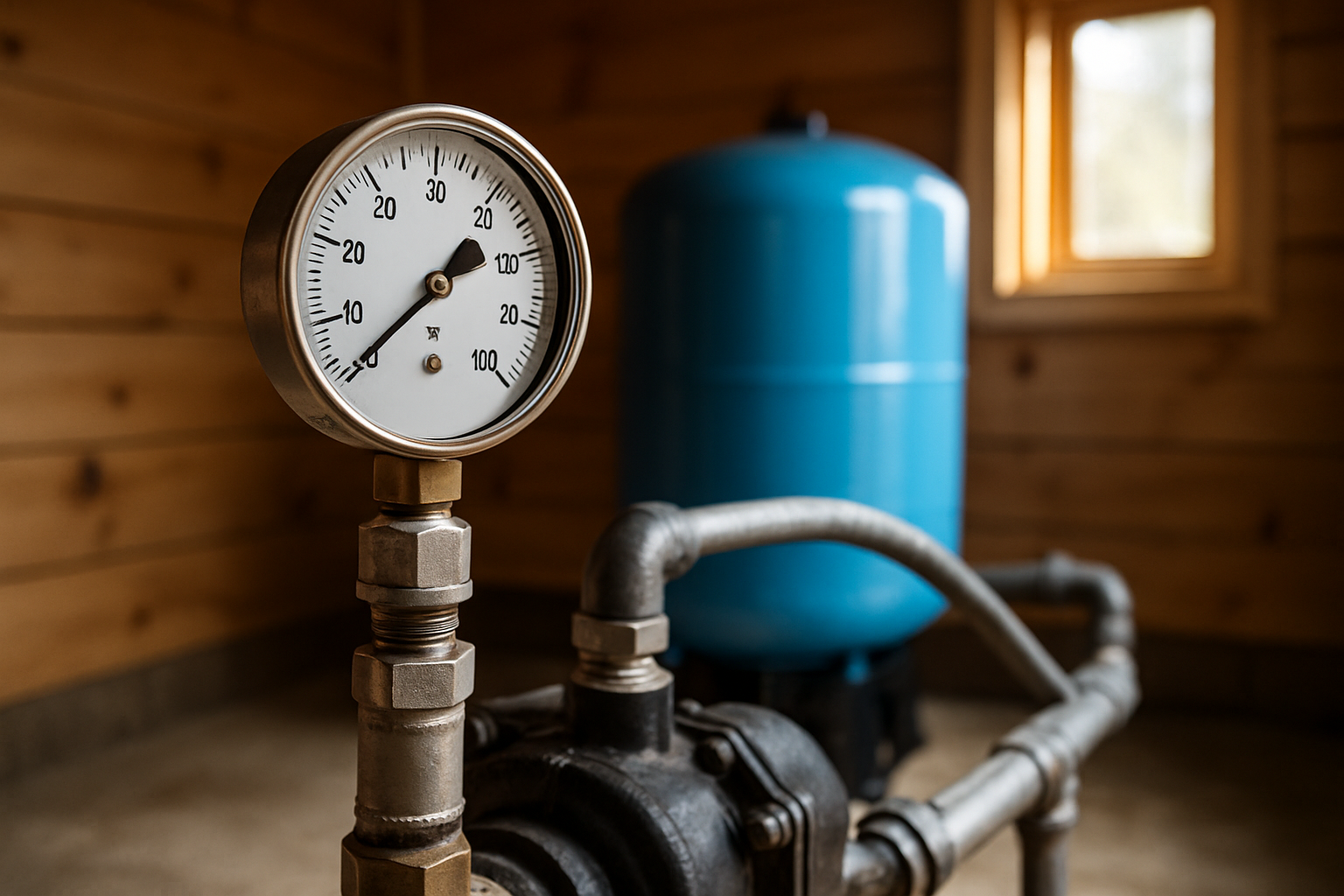
Low Water Pressure From Well
Diagnose and fix pressure problems before they get worse.
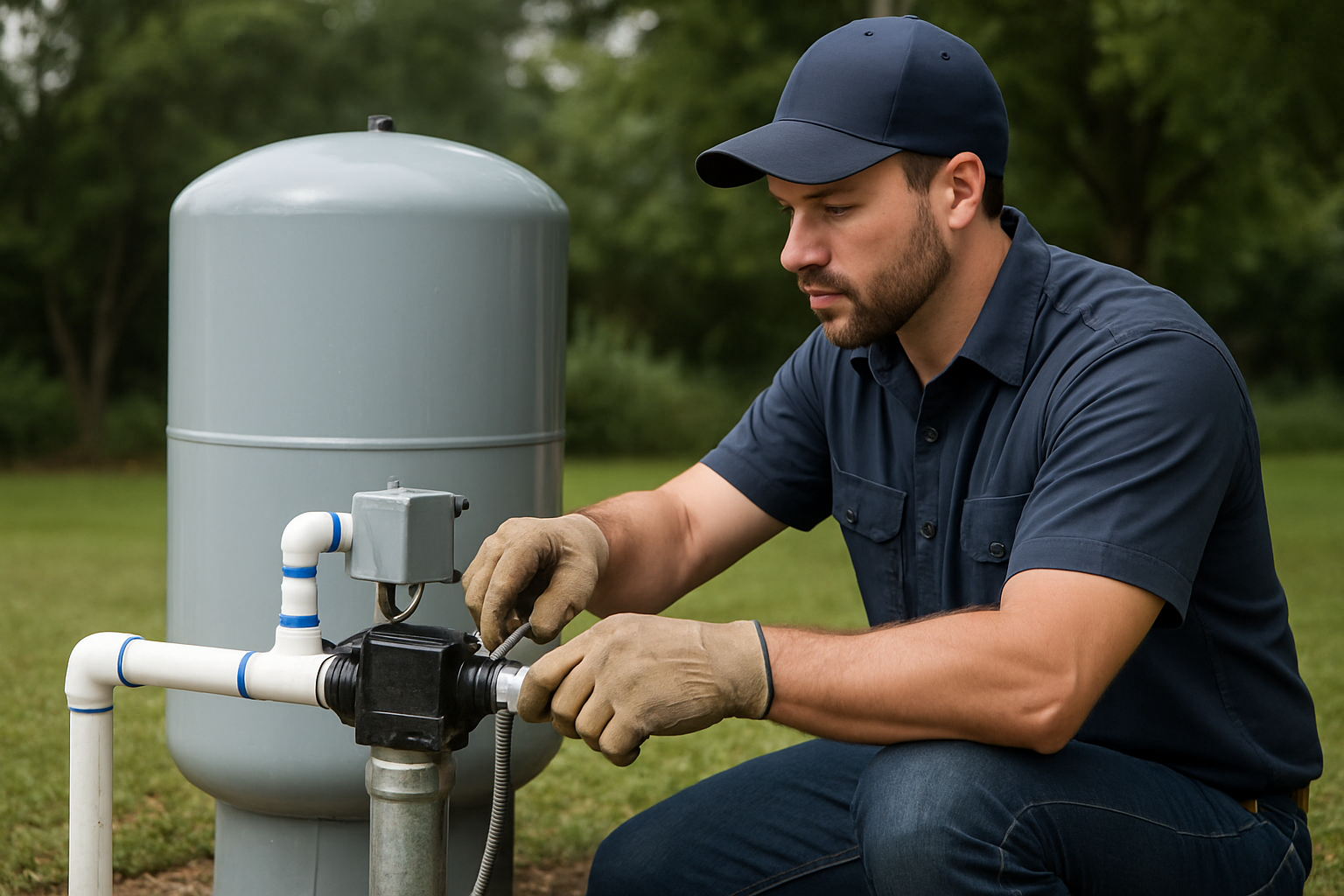
Well Maintenance Guide
Keep your well running smoothly with regular maintenance.
Our Locations
1077 Main St, Ramona, CA 92065
57174 CA-371 (US Hwy 79), Anza, CA 92539
Hydrofracturing for Mountain Wells in Poppet Flats
Poppet Flats sits in the San Jacinto Mountains of Riverside County, strung along State Route 243 between Banning and Idyllwild at roughly 3,300 feet of elevation. The cabins and rural homes scattered through this pine-and-oak country almost all rely on private wells, and nearly every one of those wells is finished in fractured granite. That single geological fact shapes everything about water up here: the wells do not pull from a sandy aquifer that refills evenly. They draw from a network of cracks and seams in solid crystalline bedrock, and when those cracks tighten, silt up, or simply run shallow during a dry spell, the water slows to a trickle. Hydrofracturing is one of the few tools that can reopen that network without the enormous cost of starting over with a brand-new borehole on a mountain lot.
We work on Poppet Flats wells often enough to know the terrain firsthand. The winding climb of SR-243, the steep granite shoulders, the long private drives that snake back into the forest — all of it matters when a low-yield well needs help. Trucking a full drilling rig up to a mountain parcel is slow, expensive, and sometimes barely possible. Hydrofracturing equipment is far more compact and far easier to set up on a tight, sloped site, which is a real advantage for homes tucked into this kind of country.
How Hydrofracturing Works
The idea is straightforward even if the engineering is precise. A well drilled into granite produces water only where the borehole happens to intersect natural fractures. Over the years those fractures fill with fine sediment, mineral scale, and rock flour, and the seams that once fed the well slowly choke down. Hydrofracturing uses clean, high-pressure water to flush that material out and to nudge the existing fractures wider, reconnecting the well to water that was always there but no longer flowing freely.
On site, we lower an inflatable device called a packer into the casing and seat it at a chosen depth. The packer seals the borehole so that all of the pressure we apply is concentrated against one isolated zone instead of bleeding off up the casing. We then pump clean water into that sealed section at pressures that typically run from about 1,500 PSI up past 3,000 PSI, depending on how tight the rock is. The water pushes into the fractures, clears the debris that was blocking them, and opens new pathways for groundwater to migrate toward the well. There are no chemicals involved at any point — only water and pressure. Once the first zone is treated, we reposition the packer and repeat the process at other depths so the whole productive section of the well gets attention. Start to finish, most jobs run four to eight hours.
Why Poppet Flats Wells Lose Yield
If your well produced fine when the house was built and now struggles to keep up, you are seeing a pattern that repeats across these mountains. Fractured-granite wells lose yield for a handful of related reasons, and most Poppet Flats properties experience some combination of them.
The first is fracture silting and closure. The same fine particles that move through cracked rock eventually settle and pack into the seams, gradually sealing the very pathways the well depends on. The second is drought. Riverside County's mountain communities have weathered long dry stretches, and when regional groundwater drops, the shallower fractures that fed a well during wetter years simply go dry. The third is a falling static water level — the natural resting level of water in the borehole. When that level drops over the seasons, the pump has less column of water to draw from and the well "goes dry" sooner during heavy use, even though the deeper fractures may still hold water that a treated well could reach.
You will usually notice the symptoms before you understand the cause: the well runs dry during a long shower or a load of laundry, recovery takes hours instead of minutes, the pump cycles on and off, or pressure at the tap is noticeably weaker than it was a few years back. Any one of these is worth investigating before the well fails completely.
What to Check and What to Expect
A responsible hydrofracturing job is not just hooking up a pump and applying pressure. It starts with measurement and ends with proof. Here is how a typical Poppet Flats treatment unfolds.
We begin with a pre-treatment flow test to record exactly what your well produces now, in gallons per minute, so there is an honest baseline. Next comes a downhole video inspection: a camera survey that lets us see casing condition and locate the fracture zones worth targeting. With that information we carry out the hydrofracturing itself, isolating and pressurizing the productive zones over the course of several hours. Afterward we run a post-treatment flow test, generally within a day or two, to confirm the improvement, and we document a clear before-and-after comparison so you can see what changed.
It is just as important to know which wells are good candidates and which are not. Wells completed in hard, fractured crystalline rock — exactly the granite that underlies Poppet Flats — respond well, because the pressure has solid rock to work against and real fractures to reopen. Wells finished in loose sand or gravel are poor candidates; there are no rigid fractures to open, and the pressure simply dissipates into the unconsolidated material. A slow-recovering well in mountain granite is often a textbook candidate. A well in soft, caving ground usually is not. An honest assessment up front saves everyone time and money, which is why the video inspection and baseline test matter so much.
When to Call a Professional
Hydrofracturing involves pressures high enough to fracture rock, sealed downhole equipment, and a real understanding of well construction. It is not a do-it-yourself project, and a poorly executed attempt can damage casing or leave you worse off than before. If your Poppet Flats well shows declining yield, slow recovery, frequent pump cycling, or seasonal shortfalls, that is the point to bring in a licensed contractor who can diagnose the well properly and tell you honestly whether treatment is likely to help. Southern California Well Service holds a California C-57 water well contractor license and has founded in 2020, with 60+ years of family heritage with exactly these fractured-rock mountain wells.
Cost and the Comparison to a New Well
For most homeowners the decision comes down to dollars, and here the math strongly favors trying hydrofracturing first. A hydrofracturing treatment typically runs $3,000 to $8,000. Drilling an entirely new well runs $18,000 to $42,000, and that figure tends to land at the high end on a Poppet Flats property, because moving a drilling rig up the winding grade of SR-243 and onto a steep, forested mountain lot adds real cost and complication. If your well also needs a new pump, a replacement submersible pump generally falls in the $2,500 to $5,500 range.
Put simply, treating the well you already have is usually a fraction of the price of replacing it, and it spares you the logistics of getting heavy drilling equipment to a difficult site. Many Poppet Flats wells that appear to be failing can be rehabilitated and put back into reliable service for years. We charge a $125 diagnostic fee to evaluate your well, and that fee is credited toward the work if you move forward.
Serving Poppet Flats and the San Jacinto Mountains
Southern California Well Service serves Poppet Flats and the surrounding San Jacinto Mountain communities throughout Riverside County, including the homes scattered along the SR-243 corridor between Banning and Idyllwild and the wells that border the San Bernardino National Forest. We operate from two offices that put us close to the mountain: 57174 CA-371 (US Hwy 79), Anza, CA 92539, and 1077 Main St, Ramona, CA 92065. Our crews are licensed C-57 (CSLB #1086994), and same-day emergency service is available when a mountain home suddenly loses water.
Frequently Asked Questions
Does hydrofracturing work on Poppet Flats mountain wells?
Yes. Wells here are completed in fractured granite of the San Jacinto Mountains, which responds well to hydrofracturing when the fractures are cleaned out and reopened with high-pressure water.
Is treating my well cheaper than drilling on this terrain?
Usually. Hydrofracturing runs $3,000 to $8,000 versus $18,000 to $42,000 for a new well — and it avoids hauling a drill rig over the difficult mountain access of SR-243. The $125 diagnostic fee is credited toward the work.
How long does the process take?
About four to eight hours on site, followed by a post-treatment flow test a day or two later to confirm the gain.
Are any chemicals used?
No. Only clean, high-pressure water is used to flush and open the well's natural fractures.
My cabin well recovers slowly. Is it a good candidate?
Often yes. Slow recovery in fractured granite is one of the clearest signs that hydrofracturing may help restore yield.
Do you serve the SR-243 mountain communities?
Yes. We serve Poppet Flats and the San Jacinto Mountains of Riverside County from our Anza and Ramona offices, with same-day emergency service available.
Restore Your Poppet Flats Well
If your mountain well is producing less than it used to, do not assume the only fix is an expensive new borehole. Call Southern California Well Service at (760) 440-8520 or text us at (760) 219-5877 to schedule a diagnostic. You can also request a free quote online. We will test your well, inspect it on video, and give you an honest recommendation for your Poppet Flats property.