
Hydrofracturing Well Services in Quail Valley, CA
Is your well in Quail Valley producing less water than it used to? Hydrofracturing (also called hydrofracking) could be the solution to restore and even improve your well's water production without the expense of drilling a new well.
📋 In This Guide
- What is Hydrofracturing?
- Signs Your Quail Valley Well Needs Hydrofracturing
- The Hydrofracturing Process
- Cost vs. New Well Drilling in Quail Valley
- Why Choose SCWS for Hydrofracturing?
- Related Articles
Southern California Well Service provides professional hydrofracturing services throughout Riverside County to help homeowners and property owners increase their well yield.
What is Hydrofracturing?
Hydrofracturing is a well rehabilitation technique that uses high-pressure water to clean and expand existing fractures in the bedrock surrounding your well. This process:
- Clears mineral deposits and sediment blocking water flow
- Opens new pathways for groundwater to reach your well
- Can increase well yield by 2-10 times in many cases
- Extends the life of your existing well
Unlike oil and gas fracking, well hydrofracturing uses only clean water—no chemicals are involved.
Signs Your Quail Valley Well Needs Hydrofracturing
- Declining water production over time
- Well runs dry during peak usage
- Slow recovery rate after pumping
- Pump cycling on and off frequently
- Lower water pressure than previous years
The Hydrofracturing Process
- Initial Assessment: We evaluate your well's current yield and condition
- Equipment Setup: Specialized high-pressure equipment is positioned at your well
- Isolation: Packers seal off sections of the well for targeted treatment
- Pressurization: Water is pumped at 500-3,000 PSI to fracture bedrock
- Development: Well is cleaned and tested for improved yield
Cost vs. New Well Drilling in Quail Valley
In Quail Valley, drilling a new well can cost $15,000-$50,000+ depending on depth. Hydrofracturing typically costs a fraction of that—often $3,000-$8,000—making it an excellent first option before considering a new well.
Many Quail Valley wells that appear to be "going dry" can be successfully rehabilitated through hydrofracturing, saving homeowners tens of thousands of dollars.
Why Choose SCWS for Hydrofracturing?
- Founded 2020 · 60+ Years Family Heritage: We've rehabilitated thousands of wells across Southern California
- Licensed C-57 Contractor. CSLB License #1086994. Fully licensed for well drilling and service in California
- Specialized Equipment: Professional-grade hydrofracturing equipment
- Free Estimates: We'll assess your well and provide honest recommendations
Need Help With Your Well in Quail Valley?
Our expert technicians serve Quail Valley and all of Riverside County with professional well services.
Related Articles
Continue learning about well maintenance and troubleshooting

Signs Your Well Pump Is Failing
Catch pump problems early before you lose water completely.
Low Water Pressure From Well
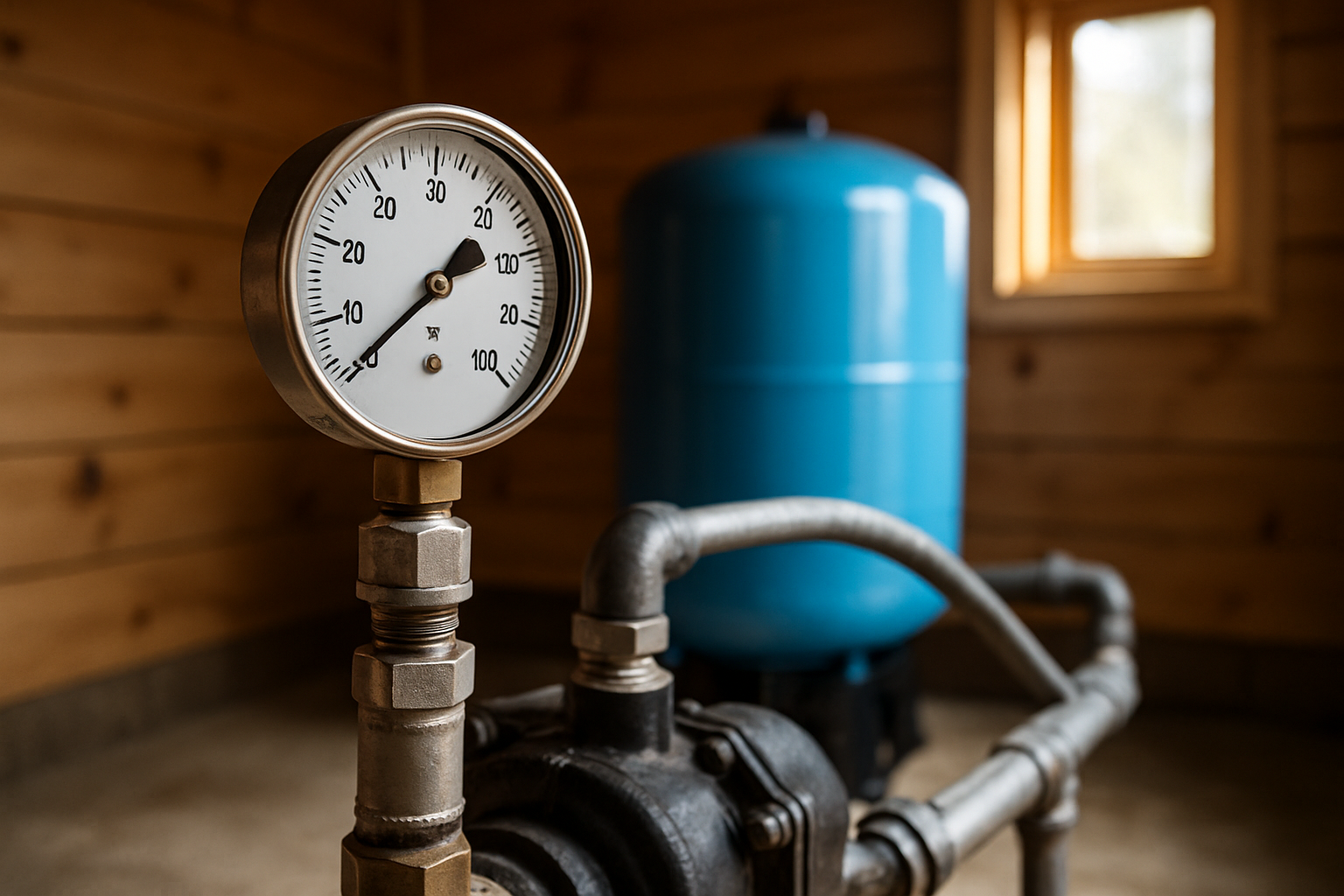
Diagnose and fix pressure problems before they get worse.
Well Maintenance Guide
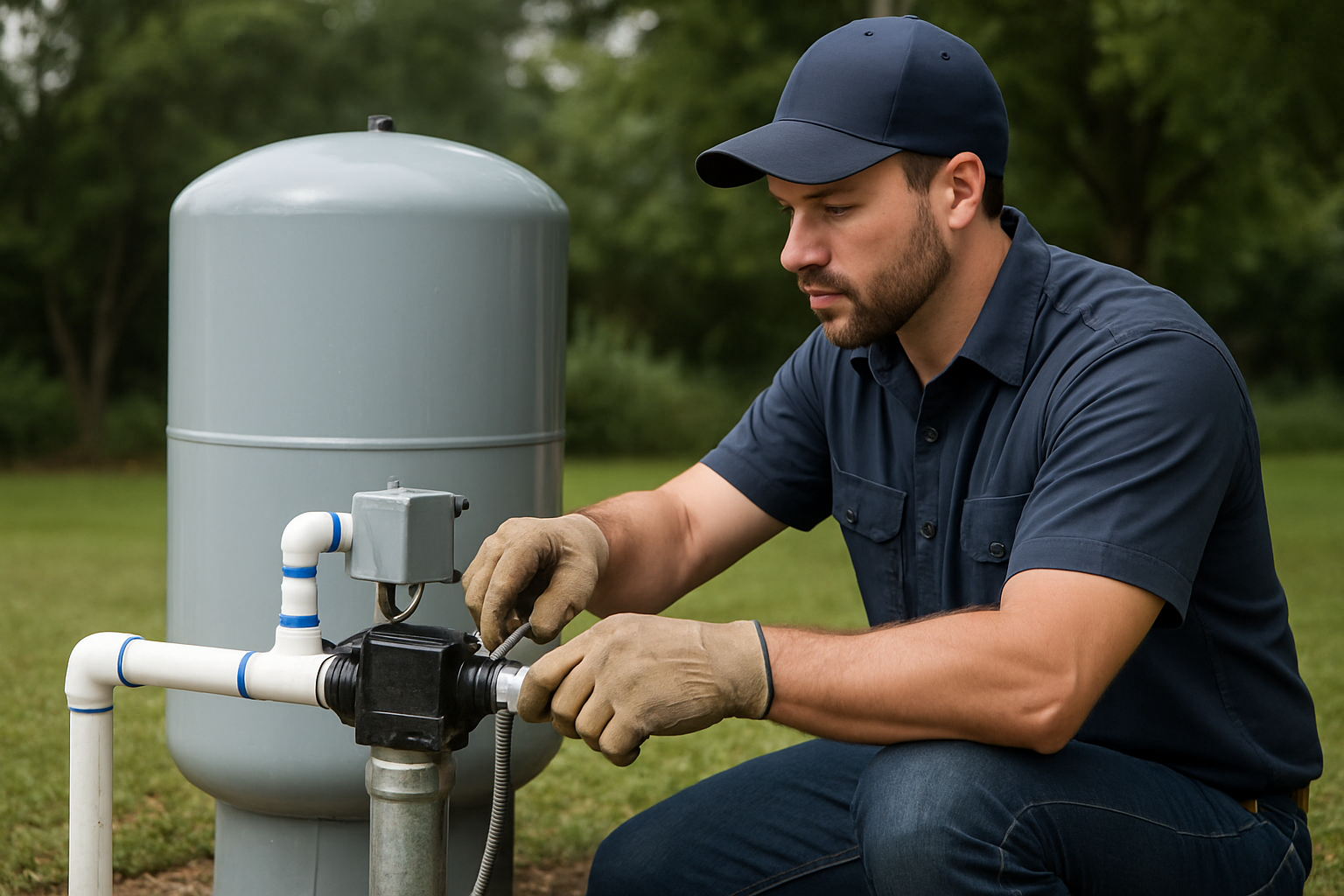
Keep your well running smoothly with regular maintenance.
Our Locations
1077 Main St, Ramona, CA 92065
57174 CA-371 (US Hwy 79), Anza, CA 92539
Hydrofracturing for Quail Valley's Rural Wells
Quail Valley occupies the rolling granite hills of Riverside County between Menifee and Lake Elsinore, rising above Canyon Lake at roughly 1,500 feet. It has long been one of the area's rural holdouts — a community of larger lots, hillside homes, and properties that historically managed their own water and septic rather than relying on district systems. Where a private well serves the home, and that well is drilled into the crystalline rock of the surrounding hills, hydrofracturing is often the smartest first response when production starts to slip, restoring flow without the major expense of a new well.
Wells in the Quail Valley Hills
The hills around Quail Valley and Bachelor Mountain are granitic, and wells here draw their water from the fractures running through that rock rather than from a sandy aquifer. The amount of water a well makes comes down to how many water-bearing seams it taps and how freely those seams flow. As the years pass, mineral scale and fine sediment build up along the fracture surfaces and gradually choke the flow into the borehole. The familiar symptom is a well that used to handle the household and a bit of irrigation but now thins out under sustained use and takes longer to recover — a sign the pathways have narrowed, not that the hill has run dry.
How Hydrofracturing Restores Flow
Hydrofracturing relies on clean water and pressure alone. We isolate a section of the well with inflatable packers and pump water into that zone at roughly 1,000 to 3,000 PSI. The pressure clears sediment from the existing fractures and opens new and wider channels through the granite, reconnecting the well to seams that had silted closed. Because the rock here is hard and genuinely fractured, those openings remain after treatment, giving a lasting improvement. No chemicals are added — the process uses water as its only tool.
Is Your Quail Valley Well a Candidate?
- The well makes noticeably less water than it did a few years ago.
- Recovery is slow after the pump runs, especially through the dry summer months.
- A newer well drilled into the hills produced a disappointing flow rate.
- The pump short-cycles or draws air during heavy demand.
Granite-hosted wells in the Quail Valley hills are good candidates for treatment. The main exception is a well drawing from loose decomposed-granite sand or shallow fill rather than solid rock, which fracturing cannot help. We determine which you have during the assessment and tell you straight.
Rule Out the Simple Causes First
Before you assume the well is the problem, take a few minutes to check the obvious culprits. A waterlogged pressure tank or a failing pressure switch will leave the whole house with weak pressure even when the well is healthy. A single slow fixture usually means a clogged aerator rather than a well issue. And on a rural property that runs the pump hard, the pump itself may be worn, undersized, or set too high for a water level that has dropped. Once those are eliminated and the well clearly produces less and recovers more slowly than before, you are looking at the kind of yield decline hydrofracturing is meant to reverse.
What to Expect During Treatment
- Baseline flow test: we record current yield and water levels so the results are measurable.
- Downhole camera survey: a video inspection assesses casing condition and identifies fracture zones.
- Isolation and injection: packers seal the target interval and clean water is injected for about four to eight hours.
- Re-test and documentation: after the well settles a day or two, we re-measure and provide a before-and-after report.
Cost and the Alternative
A new well in the Quail Valley hills typically runs $18,000 to $42,000 turnkey, depending on depth and how difficult the lot is to reach. Hydrofracturing an existing granite well usually costs $3,000 to $8,000 and improves yield in roughly 70 to 80 percent of suitable wells, often two to five times the starting flow. For most Quail Valley owners, rehabilitating the existing well is the practical first step before considering replacement. Our diagnostic visit is $125 and is credited toward the work if you proceed.
Serving Quail Valley and the Menifee Area
Southern California Well Service has worked on wells throughout Riverside County since 2020, including the rural communities around Quail Valley, Canyon Lake, Menifee, and Lake Elsinore. We are a licensed C-57 water well contractor (CSLB #1086994) with CSLB #1086994 and same-day emergency service. We know the particular needs of rural hillside properties, where a well often supports not just a household but landscaping, animals, and outbuildings, and where losing water is more than a minor inconvenience.
A Community Built on Self-Reliance
Quail Valley has a long history of taking care of its own infrastructure. For much of its existence the community handled water and wastewater property by property, on private wells and septic systems, long after surrounding areas tied into municipal service — a legacy that left many homes here genuinely dependent on the well in the yard. That self-reliant character runs deep, and it means a water problem in Quail Valley is rarely a minor inconvenience; it is the household's entire supply. It also means owners here tend to know their wells well and notice the early signs of decline. When a longtime resident says their well has been slipping, that firsthand history is valuable diagnostic information, and we pay close attention to it when we evaluate whether hydrofracturing is the right move.
When Summer Pushes a Hillside Well
The rolling hills above Canyon Lake heat up hard in summer, and that is when a marginal Quail Valley well shows its limits. Landscaping, a garden, maybe a few animals, and ordinary indoor use all stack up in July and August just as the granite seams are at their seasonal low. A well with healthy fractures absorbs that demand; a well that has lost capacity to mineral scale starts running thin by late day and recovering slowly overnight. Because the decline tends to be gradual, many owners adapt without quite realizing how much ground the well has lost until a particularly dry summer forces the issue. Measuring the well's yield directly, and comparing it against what the property actually needs at peak, tells us whether reopening the fracture network will restore comfortable margin or whether the situation calls for a different solution.
A Rural Pocket in a Changing Area
The land around Quail Valley has changed a great deal as Menifee and the surrounding communities have grown, but Quail Valley itself has held onto much of its rural, large-lot character — and with it, a real dependence on private wells. Owners who have lived here through that growth tend to value the independence a well provides, and they want it to keep working rather than handing their water over to some outside system. For those households, a slow well is not something to tolerate; it is a problem worth solving properly. Hydrofracturing fits that mindset well, because it restores the existing well's productivity rather than replacing it, keeping the property self-sufficient. When we evaluate a Quail Valley well, we look at how much the household genuinely needs at its summer peak and whether reopening the fracture network can comfortably supply it. Where the geology cooperates — and in the granite hills here it usually does — the answer is encouraging, and an owner can keep relying on the same well that has served the property for years, now restored closer to its original strength.
Frequently Asked Questions
Will hydrofracturing work on my Quail Valley well?
If it is drilled into the granite of the surrounding hills, it is very likely a good candidate. Wells in loose sand or fill are not. We confirm your well's formation before recommending treatment.
How much more water can I expect?
Suitable wells commonly improve two to five times over their pre-treatment flow. We measure before and after so the gain is documented.
Could the pressure harm my well?
We inspect the casing on camera and isolate the treatment zone with packers, directing the pressure at the bedrock rather than the casing. Any casing issues are identified first.
Is the water safe right after treatment?
Yes. Only clean water is used. The water may run cloudy with flushed sediment briefly, then clears as the well is developed.
How durable is the improvement?
Many wells hold their gains for a decade or more, and a well can be re-treated later if production slows again.
Do you offer emergency service here?
Yes. We provide same-day emergency response for Quail Valley and the surrounding Menifee and Canyon Lake area.
Get Your Quail Valley Well Flowing Again
Before committing to a new well, let us flow-test the one you have. Same-day emergency service is available across the Menifee and Canyon Lake area.