
Hydrofracturing Well Services in Rancho San Diego, CA
Is your well in Rancho San Diego producing less water than it used to? Hydrofracturing (also called hydrofracking) could be the solution to restore and even improve your well's water production without the expense of drilling a new well.
📋 In This Guide
- What is Hydrofracturing?
- Signs Your Rancho San Diego Well Needs Hydrofracturing
- The Hydrofracturing Process
- Cost vs. New Well Drilling in Rancho San Diego
- Why Choose SCWS for Hydrofracturing?
- Related Articles
Southern California Well Service provides professional hydrofracturing services throughout San Diego County to help homeowners and property owners increase their well yield.
What is Hydrofracturing?
Hydrofracturing is a well rehabilitation technique that uses high-pressure water to clean and expand existing fractures in the bedrock surrounding your well. This process:
- Clears mineral deposits and sediment blocking water flow
- Opens new pathways for groundwater to reach your well
- Can increase well yield by 2-10 times in many cases
- Extends the life of your existing well
Unlike oil and gas fracking, well hydrofracturing uses only clean water—no chemicals are involved.
Signs Your Rancho San Diego Well Needs Hydrofracturing
- Declining water production over time
- Well runs dry during peak usage
- Slow recovery rate after pumping
- Pump cycling on and off frequently
- Lower water pressure than previous years
The Hydrofracturing Process
- Initial Assessment: We evaluate your well's current yield and condition
- Equipment Setup: Specialized high-pressure equipment is positioned at your well
- Isolation: Packers seal off sections of the well for targeted treatment
- Pressurization: Water is pumped at 500-3,000 PSI to fracture bedrock
- Development: Well is cleaned and tested for improved yield
Cost vs. New Well Drilling in Rancho San Diego
In Rancho San Diego, drilling a new well can cost $15,000-$50,000+ depending on depth. Hydrofracturing typically costs a fraction of that—often $3,000-$8,000—making it an excellent first option before considering a new well.
Many Rancho San Diego wells that appear to be "going dry" can be successfully rehabilitated through hydrofracturing, saving homeowners tens of thousands of dollars.
Why Choose SCWS for Hydrofracturing?
- Founded 2020 · 60+ Years Family Heritage: We've rehabilitated thousands of wells across Southern California
- Licensed C-57 Contractor. CSLB License #1086994. Fully licensed for well drilling and service in California
- Specialized Equipment: Professional-grade hydrofracturing equipment
- Free Estimates: We'll assess your well and provide honest recommendations
Need Help With Your Well in Rancho San Diego?
Our expert technicians serve Rancho San Diego and all of San Diego County with professional well services.
Related Articles
Continue learning about well maintenance and troubleshooting

Signs Your Well Pump Is Failing
Catch pump problems early before you lose water completely.
Low Water Pressure From Well
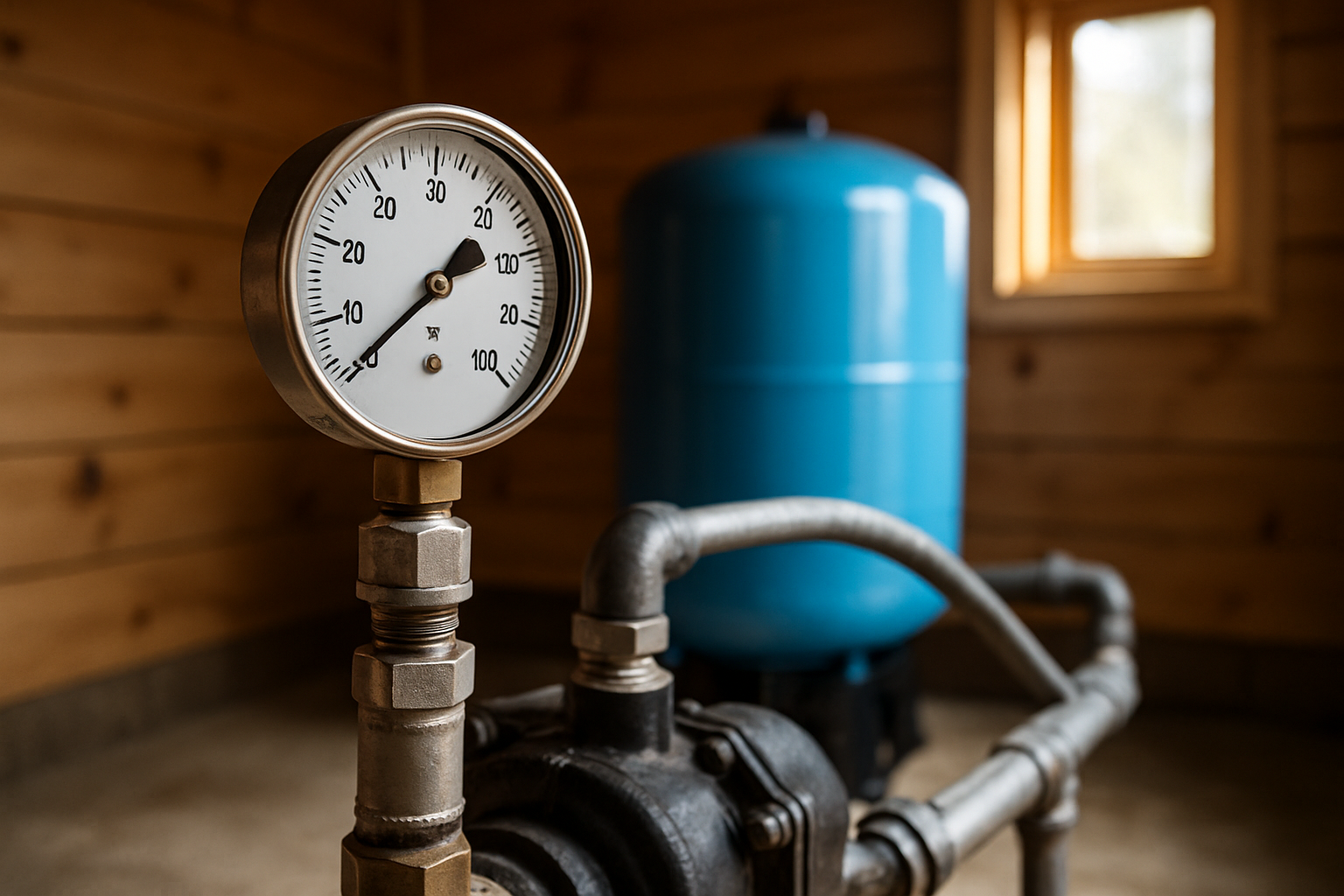
Diagnose and fix pressure problems before they get worse.
Well Maintenance Guide
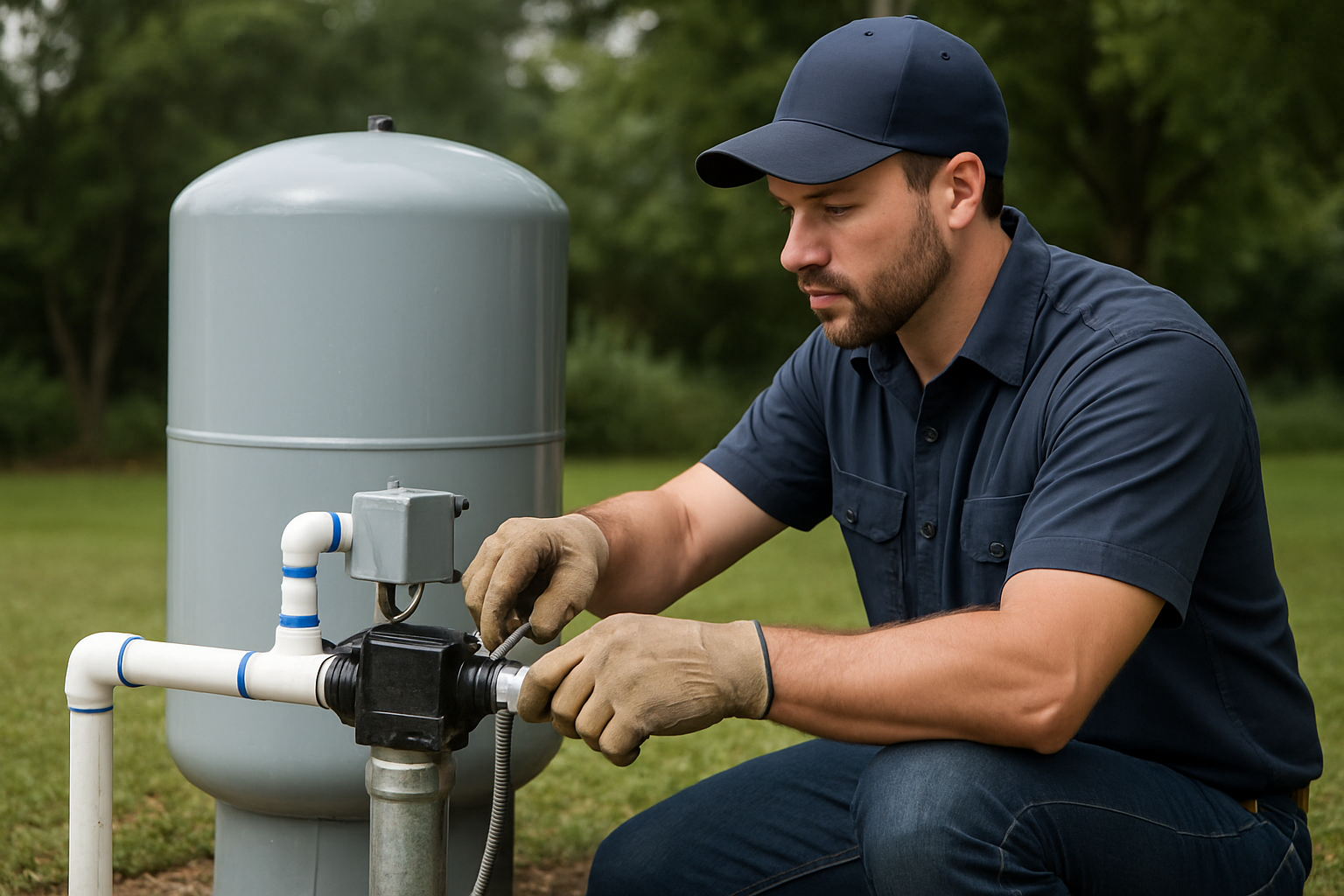
Keep your well running smoothly with regular maintenance.
Our Locations
1077 Main St, Ramona, CA 92065
57174 CA-371 (US Hwy 79), Anza, CA 92539
Hydrofracturing for Rancho San Diego Well Owners
Rancho San Diego is an unincorporated community in eastern San Diego County, tucked among the hills east of El Cajon and Spring Valley, near Jamul and the Sweetwater River country. It is a transitional area: parts are suburban and on municipal water, while the more rural lots in the surrounding hills and toward Jamul still rely on private wells. Those wells are typically drilled into the granitic and granodiorite bedrock of the Peninsular Ranges, the rock geologists locally call the Woodson Mountain granodiorite. For low-yielding wells in that hard rock, hydrofracturing is often a sound way to recover or increase flow without the cost of a new well. This guide walks through how it works here, when it fits, and when it does not.
The Idea Behind Hydrofracturing
A hard-rock well in Rancho San Diego produces water that travels through a network of natural fractures in the granodiorite, recharged by rainfall soaking into those cracks. Your borehole only yields what the fractures it intersects can supply. As a well ages, the narrowest of those cracks gradually clog with mineral scale and the fine grit of weathered granite, and production slips, even though water still moves through the rock around the well.
Hydrofracturing clears and widens that pathway. We seal off a section of the borehole with inflatable packers and inject clean water at high pressure, commonly 1,500 to 3,000 PSI. The pressure flushes accumulated debris from the existing fractures and coaxes hairline cracks open into broader channels, restoring the well's link to the surrounding rock. The process uses only water, no chemicals, which is why it suits a drinking-water well.
Rancho San Diego Geology: A Reasonable Fit, With Caveats
Wells in the Rancho San Diego and Jamul hills are frequently completed in fractured granitic and granodiorite bedrock, exactly the formation hydrofracturing is built for. Many local wells are relatively moderate in depth, often somewhere from around 60 feet to a couple hundred feet, reflecting how variable the fractured rock and the water table are across this hilly terrain. Where a well bottoms in that hard rock and has simply lost yield over time, it is a reasonable candidate for treatment.
There are two honest caveats. First, if your property is on the suburban side of Rancho San Diego and connected to municipal water, there is no private well to treat and hydrofracturing does not apply. Second, some shallower wells, particularly near the Sweetwater drainage, draw from valley alluvium rather than rock; those are not candidates, because there are no rigid fractures to open. As always, your well completion report is the deciding document. We review it before recommending anything, so you never pay for a procedure your geology cannot support.
Signs a Rancho San Diego Well Might Benefit
- A slow, multi-year decline in how much the well produces.
- Long recovery after heavy use, with the water level slow to return.
- Dry-season strain when summer irrigation and household demand peak together.
- A newer well that disappointed, drilled into rock but never producing the flow you hoped for.
- Pump short-cycling or sputtering taps as the well struggles to keep up.
If instead the trouble appeared suddenly, it is more likely a pump, pressure switch, or pressure tank, all cheaper to address than the formation. A diagnostic visit separates the two.
How a Job Proceeds
- Diagnostic and baseline flow test. We measure current yield and recovery and review the well log to confirm a fractured-rock completion. The visit is $125, credited toward the work.
- Downhole camera survey. Video confirms casing condition and helps us pinpoint the fracture zones worth treating.
- Equipment staging. The high-pressure pump, water supply, and packer assembly are set up at the wellhead.
- Zone isolation. Packers seal the target interval so the pressure works on the rock rather than escaping up the casing.
- High-pressure injection. Clean water at 1,500 to 3,000 PSI flushes and opens the fractures; deeper wells may get more than one zone treated.
- Development and re-test. We clear loosened sediment, run a fresh flow test, and hand you the before-and-after numbers. Most jobs take four to eight hours.
Realistic Results
On suitable fractured-rock wells in this part of San Diego County, hydrofracturing improves yield in roughly 70 to 80 percent of cases, typically two to five times the prior flow rate. A clogged but otherwise productive well can improve markedly; a well in genuinely tight, water-poor rock has less to gain. We baseline before and verify after and give you a documented results report, because hydrofracturing improves your connection to the water the rock holds, but it cannot conjure groundwater where the formation is dry. If your odds look marginal, we will say so before any work begins.
What to Gather Before You Call
- Your well completion report, showing depth, casing, and whether the well is in rock or alluvium.
- The well's age and yield history.
- Whether the decline was gradual (often the formation) or sudden (often equipment).
- Pump specifics, horsepower and set depth, to tell a yield problem from a pump problem.
When to Call a Professional
Pumping water into a cased well at over 3,000 PSI is hazardous and is never a do-it-yourself project; a wrong setup can crack casing or breach the seal on a drinking-water well. The other reason to call a licensed contractor is the diagnosis itself: confirming your Rancho San Diego well is a genuine fractured-rock candidate, and steering you to a cheaper, more appropriate fix when it is not. An honest assessment can save you thousands.
Cost Expectations
Hydrofracturing in the Rancho San Diego area typically runs $3,000 to $8,000, depending on depth, the number of zones treated, and access on these hilly lots. A new turnkey well runs $18,000 to $42,000, so a successful treatment can save most of a new-well budget. If the real issue is equipment, costs are far lower, a pump replacement at $2,500 to $5,500, a pressure tank at $600 to $1,500, or a pressure switch at $150 to $350. Well deepening is priced by depth. The $125 diagnostic is credited toward whatever work you decide on.
Serving Rancho San Diego and the East County
Southern California Well Service is a licensed C-57 water-well contractor founded in 2020, with 60+ years of family heritage, working from offices in Ramona and Anza. We serve Rancho San Diego and the surrounding San Diego County communities, including Jamul, Spring Valley, and the hills toward El Cajon, where granite and granodiorite wells are common. We offer same-day emergency service and, above all, an honest, geology-based assessment of whether hydrofracturing is the right move for your well.
A Word on Hilly, Variable Terrain
One thing that makes Rancho San Diego interesting to work in is how much the rock changes from ridge to canyon. The Woodson Mountain granodiorite that underlies the area is not uniform; its fracture density, the very thing that controls how much water a well produces, varies considerably across short distances. That is why neighboring wells drilled to similar depths can yield very differently, and why we never quote a hydrofracturing outcome sight unseen. The camera survey and the baseline flow test tell us how broken and how clogged your particular borehole is, and whether the gain from treatment is likely to justify the cost. On a moderately deep well that has clearly slowed over the years, the answer is often yes; on a shallow well in marginal rock, sometimes the better advice is to deepen it instead. We make that call on the evidence from your own well, not a generic assumption about the area.
Frequently Asked Questions
Is my Rancho San Diego well a good hydrofracturing candidate?
Likely, if it is a private well completed in fractured granite or granodiorite, which is common in the surrounding hills. Wells on municipal water or screened in valley alluvium are not candidates. Your well log confirms which applies.
Does the process use any chemicals?
No. It uses only clean water under pressure and is safe for drinking-water wells. It is unrelated to oil-and-gas fracking despite the similar name.
How long does it take and when can I use water again?
On-site work usually takes four to eight hours. After we develop and re-test the well, normal use typically resumes within a day or two as the well clears loosened sediment.
What yield increase can I realistically expect?
On suitable rock wells we commonly see two to five times the prior flow, succeeding in roughly 70 to 80 percent of cases. We measure before and after so the result is documented.
What if it does not work on my well?
If your well is not a strong candidate or the gain is too small, we will lay out alternatives such as deepening or a new well and help you weigh cost against your water needs.
Is it cheaper than a new well?
Almost always. At roughly $3,000 to $8,000 versus $18,000 to $42,000 for a new well, hydrofracturing is usually worth trying first when the geology supports it.
See If Hydrofracturing Fits Your Rancho San Diego Well
If your Rancho San Diego well is producing less than it used to, let us assess whether hydrofracturing can restore it before you spend on a new well. Call (760) 440-8520 or text (760) 219-5877 to schedule a diagnostic and get a straight, geology-based answer about your well.