
Hydrofracturing Well Services in Rancho Santa Fe, CA
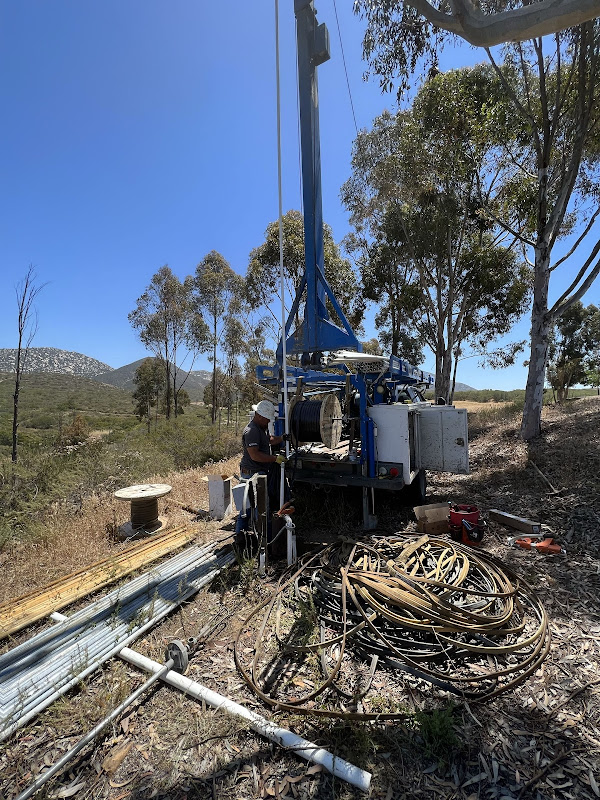
Is your well in Rancho Santa Fe producing less water than it used to? Hydrofracturing (also called hydrofracking) could be the solution to restore and even improve your well's water production without the expense of drilling a new well.
📋 In This Guide
- What is Hydrofracturing?
- Signs Your Rancho Santa Fe Well Needs Hydrofracturing
- The Hydrofracturing Process
- Cost vs. New Well Drilling in Rancho Santa Fe
- Why Choose SCWS for Hydrofracturing?
- Related Articles
Southern California Well Service provides professional hydrofracturing services throughout San Diego County to help homeowners and property owners increase their well yield.
What is Hydrofracturing?
Hydrofracturing is a well rehabilitation technique that uses high-pressure water to clean and expand existing fractures in the bedrock surrounding your well. This process:
- Clears mineral deposits and sediment blocking water flow
- Opens new pathways for groundwater to reach your well
- Can increase well yield by 2-10 times in many cases
- Extends the life of your existing well
Unlike oil and gas fracking, well hydrofracturing uses only clean water—no chemicals are involved.
Signs Your Rancho Santa Fe Well Needs Hydrofracturing
- Declining water production over time
- Well runs dry during peak usage
- Slow recovery rate after pumping
- Pump cycling on and off frequently
- Lower water pressure than previous years
The Hydrofracturing Process
- Initial Assessment: We evaluate your well's current yield and condition
- Equipment Setup: Specialized high-pressure equipment is positioned at your well
- Isolation: Packers seal off sections of the well for targeted treatment
- Pressurization: Water is pumped at 500-3,000 PSI to fracture bedrock
- Development: Well is cleaned and tested for improved yield
Cost vs. New Well Drilling in Rancho Santa Fe
In Rancho Santa Fe, drilling a new well can cost $15,000-$50,000+ depending on depth. Hydrofracturing typically costs a fraction of that—often $3,000-$8,000—making it an excellent first option before considering a new well.
Many Rancho Santa Fe wells that appear to be "going dry" can be successfully rehabilitated through hydrofracturing, saving homeowners tens of thousands of dollars.
Why Choose SCWS for Hydrofracturing?
- Founded 2020 · 60+ Years Family Heritage: We've rehabilitated thousands of wells across Southern California
- Licensed C-57 Contractor. CSLB License #1086994. Fully licensed for well drilling and service in California
- Specialized Equipment: Professional-grade hydrofracturing equipment
- Free Estimates: We'll assess your well and provide honest recommendations
Need Help With Your Well in Rancho Santa Fe?
Our expert technicians serve Rancho Santa Fe and all of San Diego County with professional well services.
Related Articles
Continue learning about well maintenance and troubleshooting
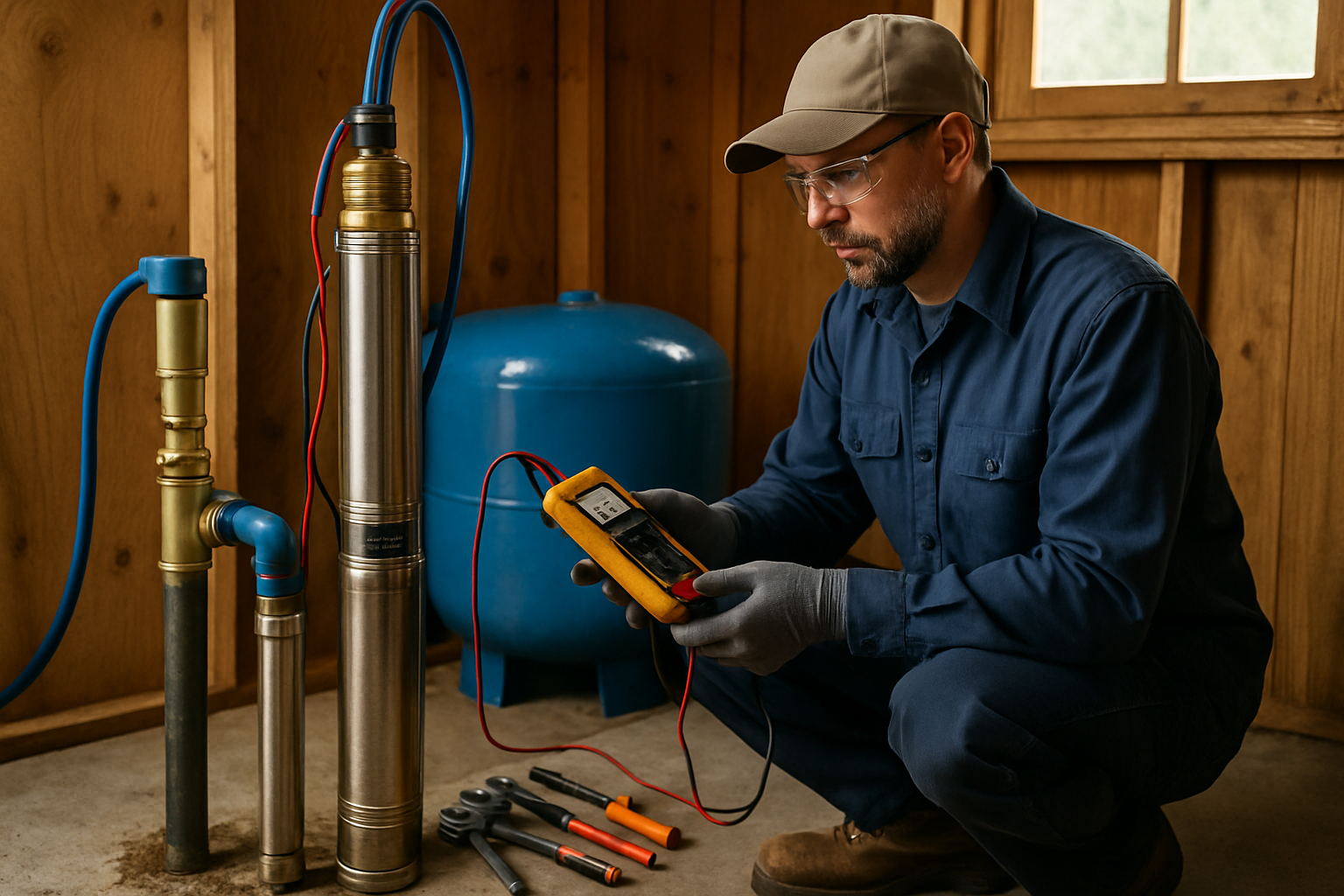
Signs Your Well Pump Is Failing
Catch pump problems early before you lose water completely.
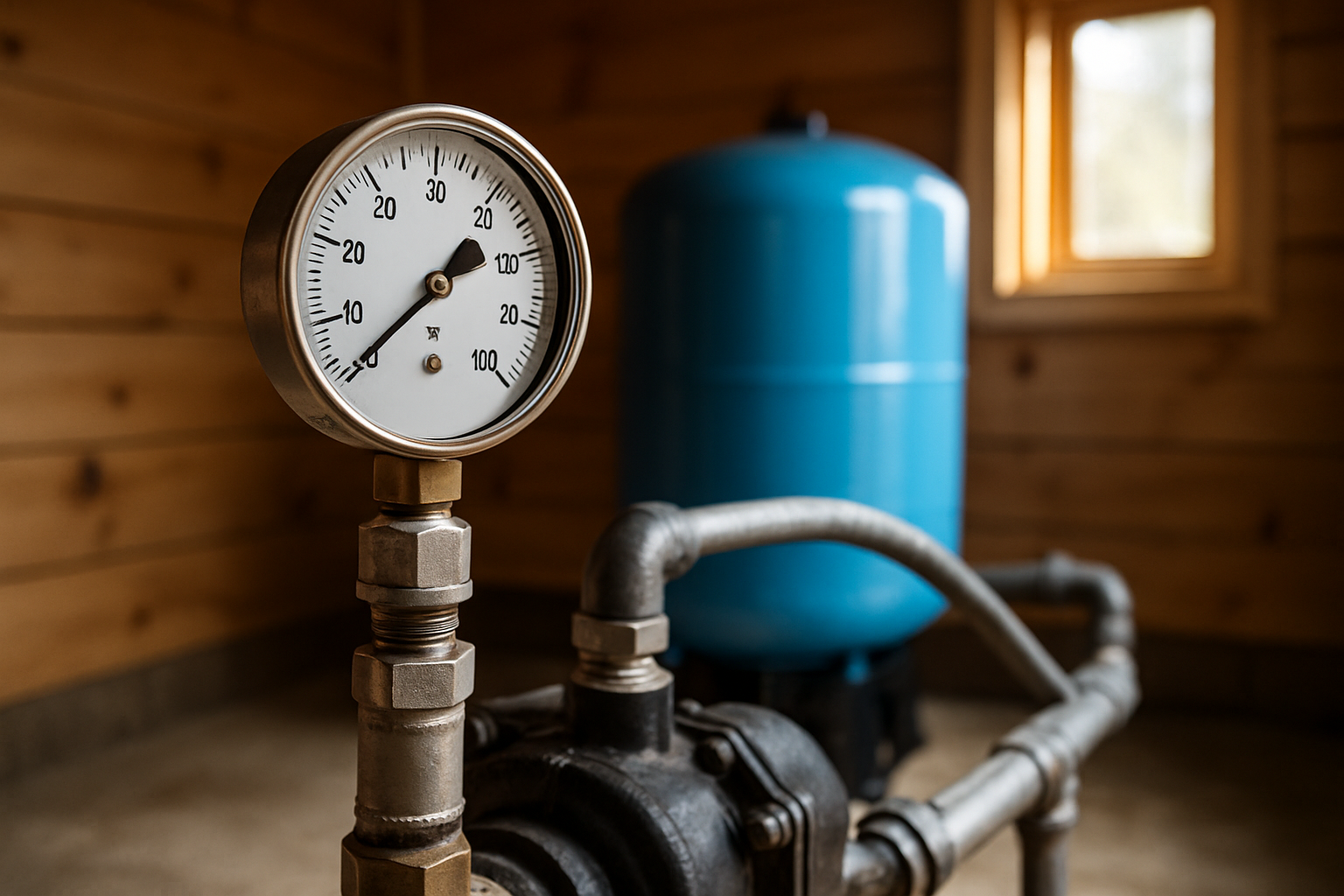
Low Water Pressure From Well
Diagnose and fix pressure problems before they get worse.
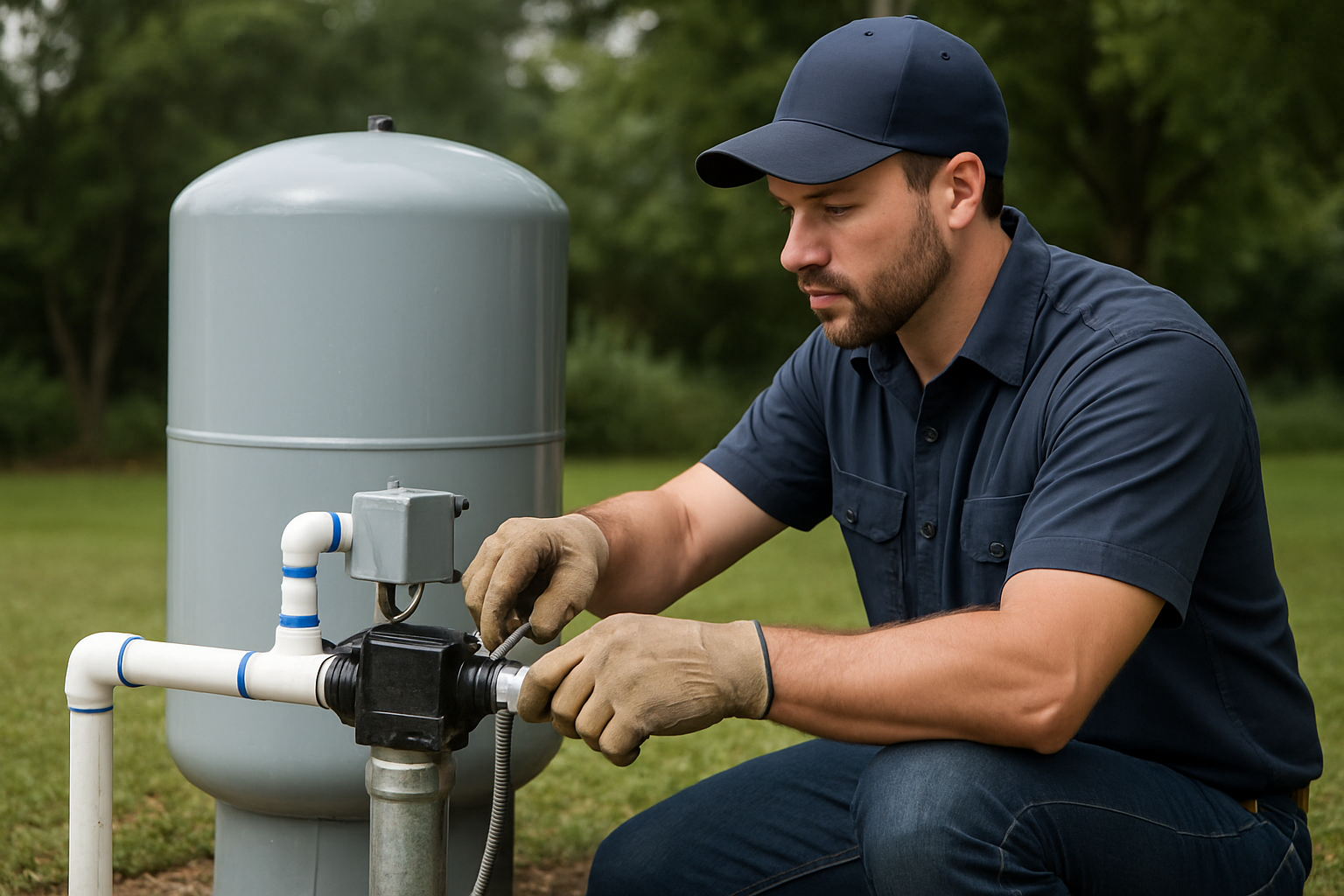
Well Maintenance Guide
Keep your well running smoothly with regular maintenance.
Our Locations
1077 Main St, Ramona, CA 92065
57174 CA-371 (US Hwy 79), Anza, CA 92539
Hydrofracturing Water Wells in Rancho Santa Fe, CA
Rancho Santa Fe is one of the most distinctive communities in inland north San Diego County. Tucked into the rolling hills east of the coast, the area sits between Solana Beach, Encinitas, Del Mar, and the open spaces along the San Dieguito River and Lake Hodges. It is an affluent, unincorporated community known for sprawling estate lots, working ranches, equestrian properties, and mature landscaping that demands a steady, dependable water supply. While the Santa Fe Irrigation District delivers water to part of the area, a great many homes and ranches in and around Fairbanks Ranch, the Covenant, and the outlying ranch parcels rely on their own private wells.
That reliance on private groundwater is exactly why declining well yield is such a common headache here. When a well that once kept the pastures green and the irrigation system running starts coming up short, the instinct is to assume the only fix is an expensive new well. In a surprising number of cases, hydrofracturing (often spelled hydrofracking) is a faster, far less costly way to bring an underperforming well back to life. Because Rancho Santa Fe sits over fractured crystalline bedrock and decomposed granite of the Peninsular Ranges, it is genuinely good terrain for this technique.
How Hydrofracturing Actually Works
Hydrofracturing is a well rehabilitation method that injects clean water under high pressure into the rock formation around the bottom of your well. There are no chemicals involved at any stage. The water itself does the work, and the goal is to reopen and clean out the natural fracture network that carries groundwater toward your well bore.
The crew lowers a set of inflatable packers into the well casing and inflates them to seal off a target section of the borehole. Clean water is then pumped into that isolated zone, typically at pressures between 1,500 and 3,000 PSI, and sometimes higher depending on the rock. That pressure pushes into the existing hairline fractures in the granite and crystalline rock, flushing out the silt, fine sediment, and mineral scale that have slowly choked them off over the years. In the process it also widens those fissures and can connect your well to nearby water-bearing fractures it was not effectively tapping before. The packers are repositioned to treat additional zones up and down the borehole as needed.
A typical Rancho Santa Fe job runs about four to eight hours from setup to completion. Once treatment is finished, the well is allowed to settle and is then flow-tested so we can measure the improvement against the baseline reading we took before starting.
Why Rancho Santa Fe Geology Is a Strong Candidate
Hydrofracturing works on fractured rock, not on loose sand or gravel. This is the single most important thing to understand, and it happens to be very good news for this part of San Diego County. The Peninsular Ranges underlying Rancho Santa Fe are built from granitic and crystalline bedrock, with pockets of metavolcanic rock and a heavy overlay of decomposed granite. Wells here are commonly drilled to depths of roughly 200 to 600 feet, drawing water not from a sandy aquifer but from the cracks and seams in solid rock.
Those fractures are precisely what high-pressure water can reopen and extend. A well that produces water through rock fractures is a strong candidate for hydrofracturing, which is why success rates in fractured-bedrock terrain like this tend to be encouraging. By contrast, a well finished in a loose alluvial sand and gravel formation would gain little from the process, because there is no fracture network to open. For most properties in and around the Covenant and the surrounding ranch land, the underlying rock is exactly the type that responds well.
Common Declining-Yield Scenarios on Local Estates and Ranches
Over the years we have seen the same patterns repeat across Rancho Santa Fe estates and ranches. If any of these sound familiar, your well may be a candidate for treatment:
- The estate that has slowly outgrown its well. Landscaping matures, an additional irrigation zone gets added, a pool or a second residence goes in, and a well that was adequate fifteen years ago can no longer keep up with peak summer demand.
- The ranch well that recovers too slowly. The well pumps fine for a stretch, then the level drops and the pump starts short-cycling or running dry, forcing you to ration irrigation across the property.
- The newer well that disappointed. A well drilled into fractured rock that simply never delivered the flow you hoped for. Hydrofracturing is frequently used right after drilling to develop and stimulate exactly this kind of borehole.
- The seasonal squeeze. The well holds up through the wetter months but falls behind during the long dry stretch, when irrigation demand on a large lot is at its highest and the water table sits lower.
None of these automatically means your well is finished. They are the classic signs that the fracture network feeding the well has become restricted, which is the exact problem hydrofracturing is designed to address.
What to Check Before You Call
A little observation on your end helps us diagnose the problem quickly and saves you money. Before reaching out, it is worth noting the following:
- When the trouble shows up. Is the shortage constant, or does it only appear during heavy irrigation or in the dry season? Timing tells us whether we are looking at a yield issue, a pump issue, or both.
- Pump behavior. Listen for a pump that cycles on and off rapidly or runs much longer than it used to. Frequent cycling often points to a well that cannot keep up with draw.
- Pressure and sputtering. Air spitting from faucets or fading pressure at the far end of a long irrigation line can signal the well is drawing down to the pump intake.
- Well records. If you have the original driller's report showing total depth, casing details, and the original yield, have it handy. Knowing how the well was constructed helps us plan the treatment.
- Recent changes. New plantings, an added structure, or a neighbor's new well nearby can all shift demand or local groundwater conditions.
When to Call a Professional
Hydrofracturing is not a do-it-yourself project. It requires high-pressure pumping equipment, downhole packers, and the judgment to read how a specific well and rock formation will respond. Just as important, a licensed contractor will tell you honestly whether your well is a good candidate before any work begins. If the well is finished in loose sediment rather than fractured rock, or if the real problem is a failing pump or a casing defect, fracturing is the wrong answer and we will say so.
Call a professional when you notice a sustained drop in production, when the pump is cycling or running dry, or when you are weighing the cost of drilling an entirely new well. A proper assessment, including a flow test and often a downhole camera inspection, will identify whether hydrofracturing, a pump replacement, or another repair is the right path. The earlier you call, the more options you typically have.
Realistic Cost Ranges
Pricing always depends on the depth of your well, the condition of the casing, and how many zones need treatment, but the figures below reflect what Rancho Santa Fe property owners can generally expect:
- Hydrofracturing: $3,000 to $8,000, depending on depth and the number of treated intervals.
- New well, turnkey: $18,000 to $42,000 if a new well becomes necessary, which is why fracturing is worth exploring first.
- Pump replacement: $2,500 to $5,500.
- Pressure tank: $600 to $1,500.
- Pressure switch: $150 to $350.
- Sediment filtration: $300 to $900.
- Iron or manganese filtration / water softener: $1,500 to $3,500.
- Constant-pressure or booster system: $2,000 to $4,500.
- Well abandonment: $1,500 to $5,000 if an old well must be properly sealed.
- Diagnostic visit: $125, which is credited toward any work we perform.
For most estate owners, spending a few thousand dollars to restore an existing well is far more attractive than committing tens of thousands to a brand-new one, especially when the existing well is sited and permitted and already tied into your irrigation system.
Serving Rancho Santa Fe and Surrounding North County
Southern California Well Service has founded in 2020, with 60+ years of family heritage rehabilitating wells across San Diego County's granitic and decomposed-granite terrain. We regularly serve Rancho Santa Fe and the neighboring communities of Solana Beach, Encinitas, Del Mar, Fairbanks Ranch, and Escondido, along with the rural areas near Lake Hodges and the San Dieguito River. We are a licensed C-57 water well contractor (CSLB License #1086994), maintain a CSLB #1086994 service reputation, and offer same-day emergency response when your property is without water. Our diagnostic visit is $125 and is credited toward the work we do for you.
Frequently Asked Questions
Is hydrofracturing safe for my well and my water?
Yes. The process uses only clean water under pressure. No chemicals are introduced into the well or the surrounding rock, so there is no contamination risk to your groundwater. It is a long-established, accepted method for rehabilitating bedrock wells.
How much can I expect my well's yield to improve?
Results vary with the rock and the condition of the well, but many fractured-bedrock wells in this area see a meaningful increase in flow after treatment. Because Rancho Santa Fe sits over fractured crystalline rock and decomposed granite, conditions here are generally favorable for a strong response.
Will hydrofracturing work on every well?
No, and we will be straight with you about it. The technique works on wells drawing from fractured rock. A well finished in loose sand or gravel will not benefit, because there is no fracture network to open. We assess each well before recommending treatment.
How long does the job take and will I lose water service?
Most treatments take four to eight hours on site. Your water service is interrupted only during the work itself, and the well is flow-tested afterward so you can see the result before we leave.
Is hydrofracturing really cheaper than drilling a new well?
In nearly every case, yes. Hydrofracturing typically runs $3,000 to $8,000, while a new turnkey well in this area runs $18,000 to $42,000. For a candidate well, fracturing is the sensible first step before committing to a new borehole.
Do I need a permit or special approval in Rancho Santa Fe?
Well work in San Diego County is regulated, and we handle the required notifications and work to code as your licensed C-57 contractor. We will walk you through anything specific to your parcel during the assessment.
Restore Your Rancho Santa Fe Well Today
If your well's output has slipped, do not assume the worst before getting it evaluated. Southern California Well Service can assess your well, tell you honestly whether hydrofracturing is the right move, and restore the dependable flow your Rancho Santa Fe property depends on. Call us at (760) 440-8520 or send a text to (760) 219-5877. Same-day emergency service is available, and your $125 diagnostic is credited toward the work.