
Hydrofracturing Well Services in Rimforest, CA
Is your well in Rimforest producing less water than it used to? Hydrofracturing (also called hydrofracking) could be the solution to restore and even improve your well's water production without the expense of drilling a new well.
📋 In This Guide
- What is Hydrofracturing?
- Signs Your Rimforest Well Needs Hydrofracturing
- The Hydrofracturing Process
- Cost vs. New Well Drilling in Rimforest
- Why Choose SCWS for Hydrofracturing?
- Related Articles
Southern California Well Service provides professional hydrofracturing services throughout San Bernardino County to help homeowners and property owners increase their well yield.
What is Hydrofracturing?
Hydrofracturing is a well rehabilitation technique that uses high-pressure water to clean and expand existing fractures in the bedrock surrounding your well. This process:
- Clears mineral deposits and sediment blocking water flow
- Opens new pathways for groundwater to reach your well
- Can increase well yield by 2-10 times in many cases
- Extends the life of your existing well
Unlike oil and gas fracking, well hydrofracturing uses only clean water—no chemicals are involved.
Signs Your Rimforest Well Needs Hydrofracturing
- Declining water production over time
- Well runs dry during peak usage
- Slow recovery rate after pumping
- Pump cycling on and off frequently
- Lower water pressure than previous years
The Hydrofracturing Process
- Initial Assessment: We evaluate your well's current yield and condition
- Equipment Setup: Specialized high-pressure equipment is positioned at your well
- Isolation: Packers seal off sections of the well for targeted treatment
- Pressurization: Water is pumped at 500-3,000 PSI to fracture bedrock
- Development: Well is cleaned and tested for improved yield
Cost vs. New Well Drilling in Rimforest
In Rimforest, drilling a new well can cost $15,000-$50,000+ depending on depth. Hydrofracturing typically costs a fraction of that—often $3,000-$8,000—making it an excellent first option before considering a new well.
Many Rimforest wells that appear to be "going dry" can be successfully rehabilitated through hydrofracturing, saving homeowners tens of thousands of dollars.
Why Choose SCWS for Hydrofracturing?
- Founded 2020 · 60+ Years Family Heritage: We've rehabilitated thousands of wells across Southern California
- Licensed C-57 Contractor. CSLB License #1086994. Fully licensed for well drilling and service in California
- Specialized Equipment: Professional-grade hydrofracturing equipment
- Free Estimates: We'll assess your well and provide honest recommendations
Need Help With Your Well in Rimforest?
Our expert technicians serve Rimforest and all of San Bernardino County with professional well services.
Related Articles
Continue learning about well maintenance and troubleshooting

Signs Your Well Pump Is Failing
Catch pump problems early before you lose water completely.
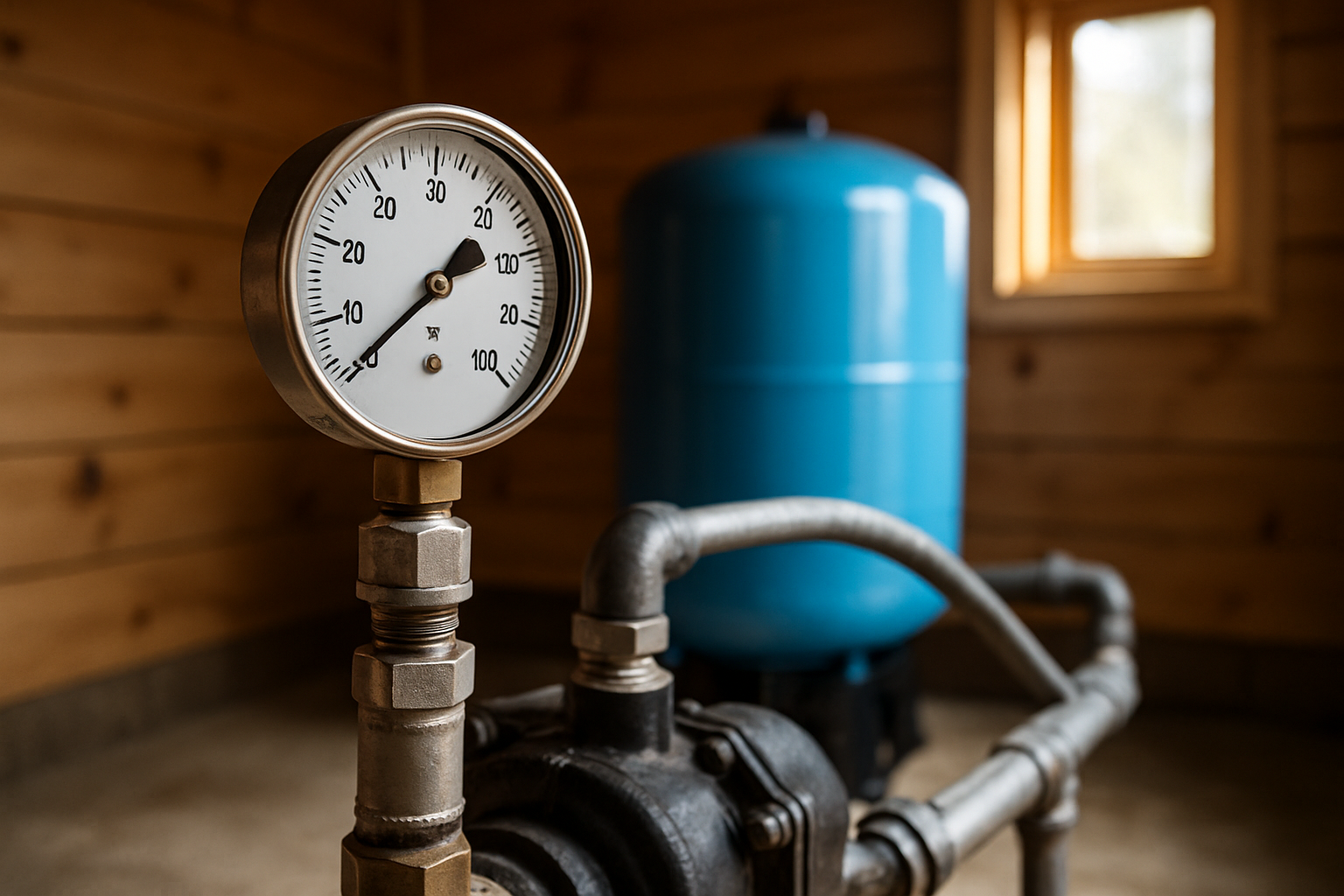
Low Water Pressure From Well
Diagnose and fix pressure problems before they get worse.
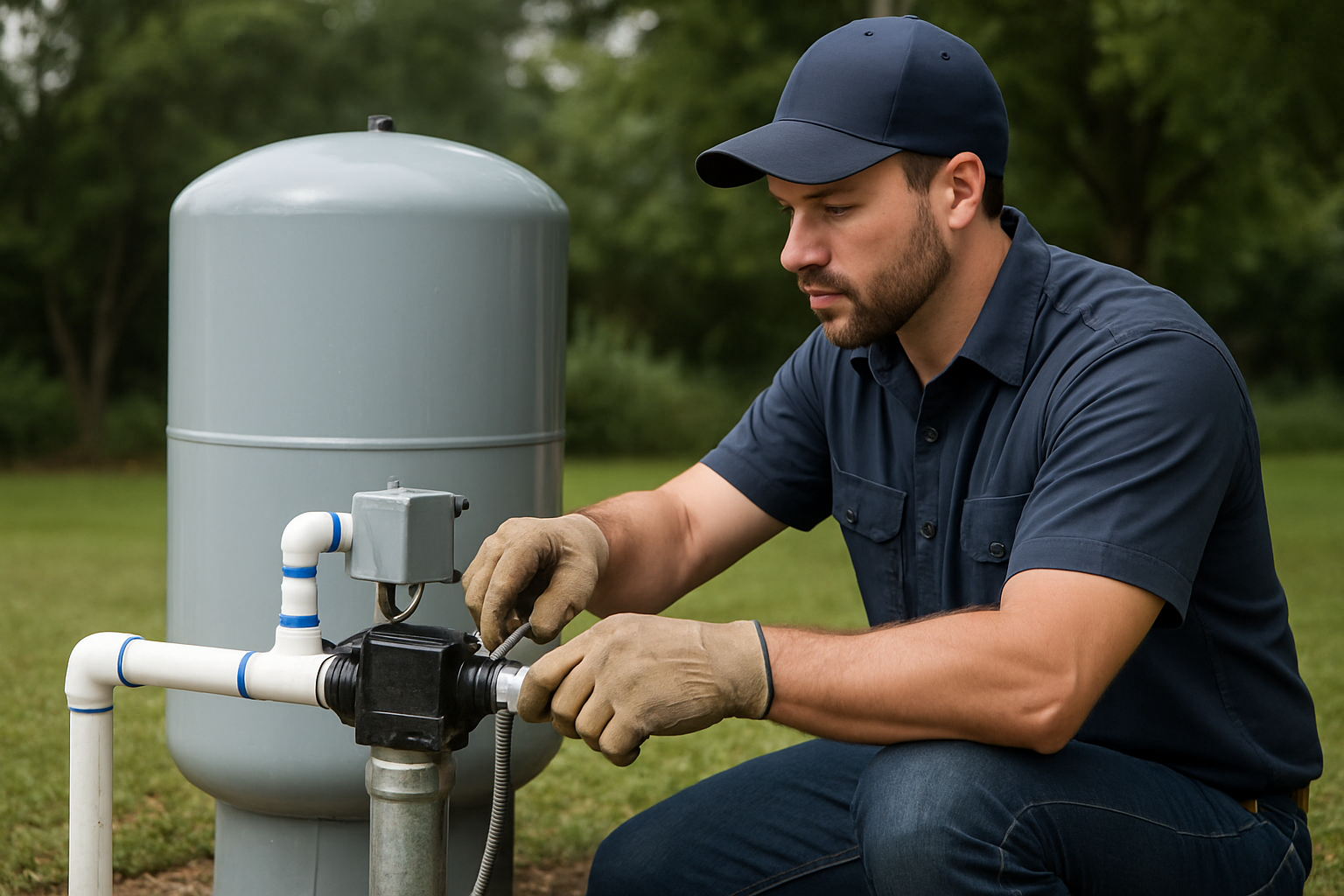
Well Maintenance Guide
Keep your well running smoothly with regular maintenance.
Our Locations
1077 Main St, Ramona, CA 92065
57174 CA-371 (US Hwy 79), Anza, CA 92539
Hydrofracturing for Low-Yield Wells in Rimforest
Rimforest is a small mountain community in San Bernardino County, perched at roughly 5,600 feet along State Route 18 between Crestline to the west, Twin Peaks to the north, and Lake Arrowhead to the east. Up here, water does not come from a deep valley sand aquifer the way it does down in the Inland Empire. It comes from fractured granitic bedrock — the highly fractured quartz monzonite that makes up much of the San Bernardino Mountains. That single fact makes Rimforest one of the best places in the entire county for hydrofracturing to work, because hydrofracturing is purpose-built for exactly this kind of hard-rock well.
If your Rimforest well has slowed to a trickle, runs dry in late summer, or never produced as much as you hoped after it was drilled, hydrofracturing is genuinely worth a serious look. Many mountain wells that owners assume are "going dry" are actually choked — their natural fractures clogged with fine sediment and mineral scale — and reopening those fractures can restore strong flow without the expense of drilling a brand-new well into the rock.
Drilling a replacement well up here is no small undertaking. Steep, forested terrain limits where a rig can set up, county permitting takes time, and the cost can run well into five figures. That is precisely why hydrofracturing is usually the smart first move for a mountain well that has slowed: it targets the most likely cause — clogged fractures — at a fraction of the price, and it preserves the well you already have.
How Hydrofracturing Works in Granite Country
In fractured bedrock, water does not seep evenly through the rock the way it moves through sand. Instead, it travels along a network of cracks, joints, and fissures. A well drilled into the San Bernardino Mountains intercepts however many of those fractures happen to cross the borehole — and over the years, those fractures silt up. Hydrofracturing reverses that. We seal off a section of the well with inflatable packers and inject clean water at 1,500 to 3,000+ PSI. The pressure flushes the existing fractures clean and pushes them wider, and often connects the borehole to additional fracture sets it could not previously reach. No chemicals are involved — just water and pressure.
Because the mountain's quartz monzonite is naturally jointed and fractured (the same fracturing that produces the area's well-known rockfall), there is usually a real fracture network to work with. That is the structural ingredient hydrofracturing needs, and it is why hard-rock communities like Rimforest, Crestline, and the Arrowhead ridgeline respond so well compared with valley-floor towns.
It is worth understanding why mountain wells slow down in the first place. Each winter, snowmelt and rain percolate into the fractured rock and recharge the system, but the same water carries fine clay and silt that gradually settle into the cracks. Dissolved minerals precipitate out as scale on the fracture faces. Over a decade or two, those once-open pathways narrow until the well can no longer pull water in as fast as your household demands it. Hydrofracturing essentially resets that clock, scouring the fractures clean and re-establishing the flow paths the rock had when the well was new.
When Hydrofracturing Makes Sense Here
- Declining yield over the years. Your Rimforest well used to keep up and now struggles — a classic sign of fractures clogging with sediment.
- A new well that disappointed. The well found rock but the flow came in lower than expected; hydrofracturing frequently boosts these.
- Seasonal shortfalls. The well runs low in the dry months of late summer and early fall before winter snowmelt recharges the mountain.
- Before you drill again. Treating an existing rock well at $3,000–$8,000 is far cheaper than a new mountain well, which is costly and difficult to site on steep, forested terrain.
The rare exception is a well that is failing for a non-fracture reason — a collapsed casing, a worn pump, or a waterlogged tank. That is why we diagnose before we treat.
Access is one practical consideration unique to mountain properties. Rimforest lots are often narrow, sloped, and tucked among tall pines, so our crew plans equipment placement and water supply for the treatment in advance. We confirm there is room to position the high-pressure pump and that we can stage the clean water the job requires. None of this is a barrier — we work on mountain wells routinely — but a little planning keeps the job smooth and protects your landscaping and septic system.
The Step-by-Step Process
- Diagnostic and well-log review. We confirm your well is in fractured rock (almost all Rimforest wells are), review the driller's log, and measure baseline yield. The diagnostic is $125, credited toward the work.
- Downhole camera inspection. A video survey shows casing integrity and helps us locate the fracture zones worth targeting.
- Pre-treatment flow test. We record current gallons per minute so the result can be measured, not estimated.
- Packer isolation and high-pressure injection. We isolate the target zone and inject water for several hours, typically a 4–8 hour job.
- Post-treatment flow test and report. We re-measure within 24–48 hours and give you a documented before-and-after comparison.
Realistic Results and Expectations
In fractured granitic rock like the San Bernardino Mountains, hydrofracturing improves yield in roughly 70–80% of wells, with typical gains of two to five times the pre-treatment flow rate — and sometimes more. It is not magic: a well drilled into an unusually tight, poorly fractured pocket of rock may improve only modestly. But for the average Rimforest hard-rock well, the odds are strongly in your favor, and the cost-to-benefit math is excellent compared with a new well.
Timing matters in the mountains, too. Rimforest wells are most stressed in late summer and early fall, after months without significant precipitation and before the first storms recharge the rock. That is when many owners first notice their well struggling. Scheduling hydrofracturing before the dry season — rather than during a crisis — means you head into summer with the strongest possible flow and a documented baseline to compare against in future years.
What to Check Before You Call
- Find your well completion report — for mountain wells it will usually confirm granite or decomposed-granite bedrock and list depth.
- Note your well depth; many San Bernardino Mountain wells run a few hundred feet into rock.
- Track the timing of your shortage — steady decline versus a sharp seasonal dropoff tells us different things.
- Rule out the obvious: confirm the pump and pressure switch are healthy before assuming the well itself is the problem.
When to Call a Professional
Reach out if your Rimforest well runs dry under normal use, recovers slowly after the pump shuts off, has lost pressure compared with previous years, or cycles on and off frequently. On the mountain, water hauling gets expensive fast, so it pays to act before a slow well becomes a dry one. A licensed C-57 contractor can separate a fracture problem from a pump or casing problem and recommend the fix that actually solves it.
Realistic Cost Ranges
- Hydrofracturing: $3,000–$8,000
- Pump replacement: $2,500–$5,500
- Pressure switch: $150–$350
- Pressure tank: $600–$1,500
- Well deepening: varies with depth and rock
- New turnkey well: $18,000–$42,000
- Diagnostic visit: $125, credited toward work performed
Serving Rimforest and the San Bernardino Mountains
Southern California Well Service is a licensed C-57 contractor founded in 2020, with 60+ years of family heritage, operating from offices in Ramona (1077 Main St, Ramona, CA 92065) and Anza (57174 CA-371 (US Hwy 79), Anza, CA 92539). We serve Rimforest and the surrounding mountain communities including Crestline, Twin Peaks, Blue Jay, Lake Arrowhead, and Running Springs, where fractured-rock wells are the rule. Same-day emergency service is available when your mountain home has lost water.
Frequently Asked Questions
Is Rimforest a good place for hydrofracturing?
Yes. Rimforest wells are drilled into the fractured granitic rock of the San Bernardino Mountains, which is exactly the formation hydrofracturing is designed to improve.
How much can my yield improve?
Typical improvement in fractured mountain rock is two to five times the pre-treatment flow, with success in roughly 70–80% of wells.
Could hydrofracturing damage my well?
Properly performed by a licensed crew, no. We isolate target zones with packers and use only clean water, so the casing and your water supply stay protected.
How long does it take?
The injection usually takes 4–8 hours, with verification flow testing over the following day or two.
Is it cheaper than drilling a new mountain well?
Almost always. Hydrofracturing typically runs $3,000–$8,000, while a new well on steep forested terrain can run $18,000–$42,000 or more.
What if my well does not improve?
A small share of wells respond only modestly. We measure baseline and post-treatment flow so you know exactly what you gained, and we discuss next steps honestly if results fall short.
Talk to a Licensed Well Professional
If your Rimforest well is fading, hydrofracturing is one of the most effective and affordable options available in this terrain. Call (760) 440-8520 or text (760) 219-5877 to schedule a diagnostic and find out what your mountain well could produce.