
Hydrofracturing Well Services in Romoland, CA
Is your well in Romoland producing less water than it used to? Hydrofracturing (also called hydrofracking) could be the solution to restore and even improve your well's water production without the expense of drilling a new well.
📋 In This Guide
- What is Hydrofracturing?
- Signs Your Romoland Well Needs Hydrofracturing
- The Hydrofracturing Process
- Cost vs. New Well Drilling in Romoland
- Why Choose SCWS for Hydrofracturing?
- Related Articles
Southern California Well Service provides professional hydrofracturing services throughout Riverside County to help homeowners and property owners increase their well yield.
What is Hydrofracturing?
Hydrofracturing is a well rehabilitation technique that uses high-pressure water to clean and expand existing fractures in the bedrock surrounding your well. This process:
- Clears mineral deposits and sediment blocking water flow
- Opens new pathways for groundwater to reach your well
- Can increase well yield by 2-10 times in many cases
- Extends the life of your existing well
Unlike oil and gas fracking, well hydrofracturing uses only clean water—no chemicals are involved.
Signs Your Romoland Well Needs Hydrofracturing
- Declining water production over time
- Well runs dry during peak usage
- Slow recovery rate after pumping
- Pump cycling on and off frequently
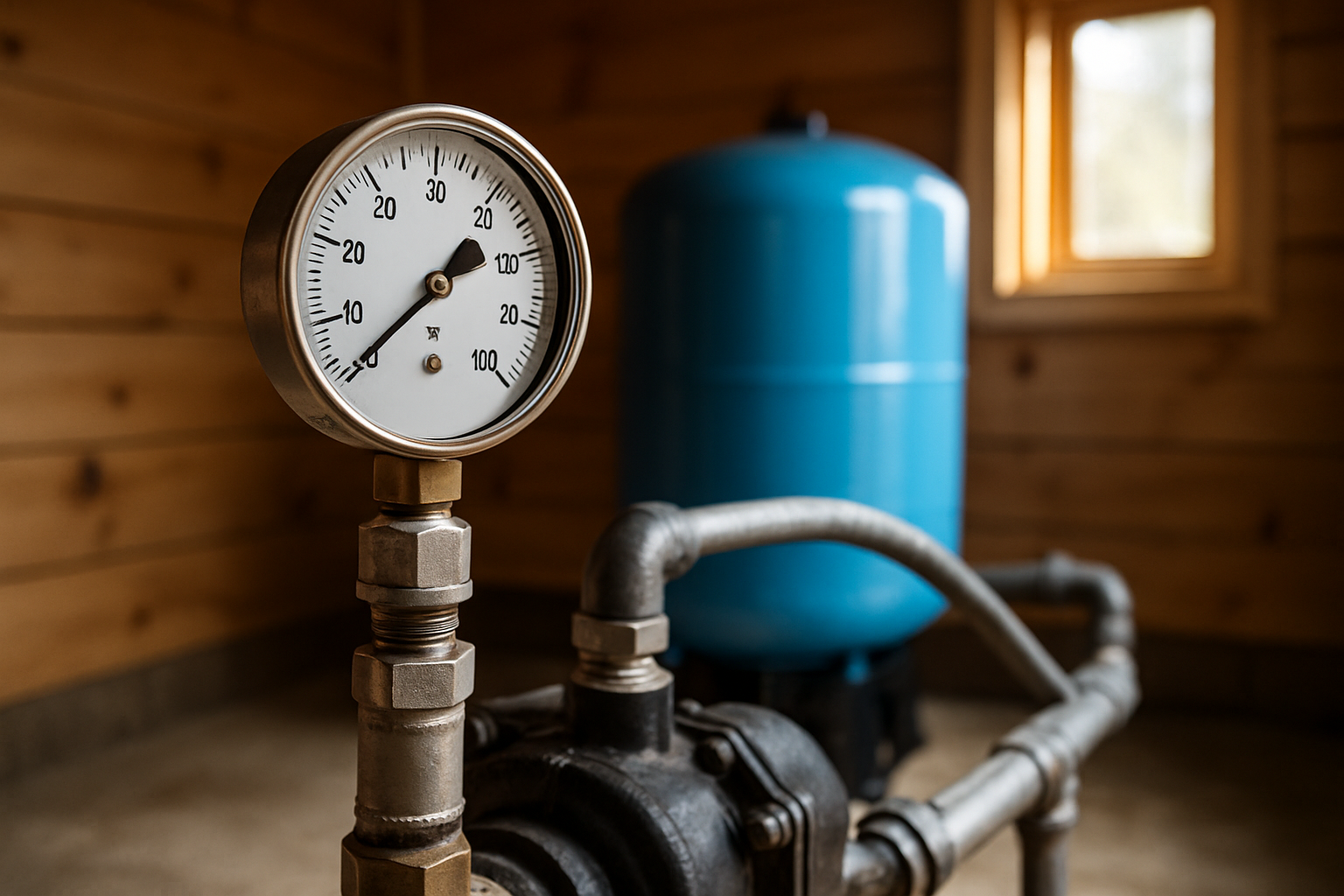
- Lower water pressure than previous years
The Hydrofracturing Process
- Initial Assessment: We evaluate your well's current yield and condition
- Equipment Setup: Specialized high-pressure equipment is positioned at your well
- Isolation: Packers seal off sections of the well for targeted treatment
- Pressurization: Water is pumped at 500-3,000 PSI to fracture bedrock
- Development: Well is cleaned and tested for improved yield
Cost vs. New Well Drilling in Romoland
In Romoland, drilling a new well can cost $15,000-$50,000+ depending on depth. Hydrofracturing typically costs a fraction of that—often $3,000-$8,000—making it an excellent first option before considering a new well.
Many Romoland wells that appear to be "going dry" can be successfully rehabilitated through hydrofracturing, saving homeowners tens of thousands of dollars.
Why Choose SCWS for Hydrofracturing?
- Founded 2020 · 60+ Years Family Heritage: We've rehabilitated thousands of wells across Southern California
- Licensed C-57 Contractor. CSLB License #1086994. Fully licensed for well drilling and service in California
- Specialized Equipment: Professional-grade hydrofracturing equipment
- Free Estimates: We'll assess your well and provide honest recommendations
Need Help With Your Well in Romoland?
Our expert technicians serve Romoland and all of Riverside County with professional well services.
Related Articles
Continue learning about well maintenance and troubleshooting

Signs Your Well Pump Is Failing
Catch pump problems early before you lose water completely.
Low Water Pressure From Well
Diagnose and fix pressure problems before they get worse.
Well Maintenance Guide
Keep your well running smoothly with regular maintenance.
Our Locations
1077 Main St, Ramona, CA 92065
57174 CA-371 (US Hwy 79), Anza, CA 92539
Hydrofracturing for Wells in Romoland and the San Jacinto Valley
Romoland sits in a transitional landscape where the broad alluvial floor of the San Jacinto Valley meets the fractured granitic margins of the surrounding hills. Drive a few minutes in any direction toward Homeland, Menifee, or the higher ground east of Perris and the ground beneath your feet changes character: deep beds of water-laid sand, silt, and clay give way to weathered quartz diorite and decomposed granite. For private well owners, that geologic split is the single most important thing to understand about whether hydrofracturing (also spelled hydrofracking) is the right answer to a struggling well. Honest advice up front: hydrofracturing works on rock, not on loose valley fill, and a good portion of Romoland-area wells are completed in one, the other, or a mix of both.
We are Southern California Well Service, a licensed C-57 contractor founded in 2020, with 60+ years of family heritage and offices in Ramona and Anza. We work throughout Riverside County, and we routinely diagnose Romoland wells where the owner is frustrated by falling production and unsure whether to rehabilitate, deepen, or replace. The goal of this page is to give you a clear, locally grounded picture before you spend money on the wrong fix.
How Hydrofracturing Actually Works
Hydrofracturing is a well-rehabilitation method, not a drilling method. A drilled well that produces from bedrock gets its water from a network of natural cracks, joints, and fracture zones in the rock. Over years of pumping, those pathways narrow as fine sediment, mineral scale, and iron bacteria slime accumulate in them. The result is a well that recharges more slowly than it once did even though plenty of groundwater still surrounds it.
To open those pathways back up, we lower an inflatable packer into the cased borehole and seal off a target interval. Clean water is then injected at controlled pressure — commonly in the 1,000 to 3,000 PSI range — to flush debris out of existing fractures and, where the rock allows, extend them slightly to connect with adjacent water-bearing seams. We then reposition the packer and treat additional zones down the borehole. Only water is used; no chemicals, gels, or proppants like those associated with oil-and-gas fracking. A typical residential job runs four to eight hours on site, followed by a recovery and flow test.
That mechanism explains the honest limitation for Romoland: hydrofracturing needs competent rock that holds a fracture network. A well finished mostly in deep, unconsolidated valley-fill sand and gravel has no fractures to open — the formation simply absorbs the water without any lasting yield gain. For those wells, the productive answer is usually a different one, which we cover below.
Common Romoland-Area Well Scenarios
Across the Romoland, Homeland, and east-Menifee belt, the wells we see tend to fall into a few patterns:
- Hillside and ranch wells in fractured granite. Properties on the rising ground east and south of town are frequently completed in decomposed granite and quartz diorite. These are the strongest hydrofracturing candidates. When yield has fallen from, say, 8 gallons per minute to 2-3 gpm over a decade, fracture cleaning often restores a meaningful share of the original flow.
- Valley-floor wells in alluvium. Wells nearer the old Romoland townsite and toward Perris commonly draw from the San Jacinto groundwater basin's sand-and-gravel fill. Declining water here is far more often a falling regional water table or a tired pump than a cloggable fracture set, so hydrofracturing is a weak fit.
- Mixed-completion wells. Many borings pass through alluvium near the surface and into weathered bedrock at depth. Whether fracturing helps depends entirely on where the water actually enters the casing, which is exactly what our video inspection is meant to reveal.
- Seasonal shortfalls. A well that keeps up all winter but sputters during a hot, dry Inland Empire summer may have an adequate aquifer and an undersized delivery system rather than a formation problem.
What to Check Before You Decide
Before authorizing any major work, gather the facts that distinguish a fixable formation problem from something else:
- Find your well log. California well completion reports record the drilled depth and the materials encountered. If your log shows hard rock at the production zone, you are in hydrofracturing territory; if it shows sand and gravel to total depth, you likely are not.
- Note the symptom pattern. A pump that short-cycles and a tank that drains fast can mean a waterlogged pressure tank or a failing pressure switch — inexpensive fixes that have nothing to do with the aquifer.
- Watch for sediment and staining. Sandy or cloudy water can signal a screen or casing issue; rusty staining points to iron or manganese that calls for treatment, not fracturing.
- Track the timeline. A gradual multi-year decline suggests fracture clogging or a dropping table; a sudden loss usually points to equipment.
- Compare with neighbors. If wells up and down the road all dropped together, the regional table is the likely driver and rehabilitation alone may not be enough.
When Something Other Than Hydrofracturing Is the Better Call
Because we do not earn anything by selling you a treatment that will not perform, here is how we steer Romoland owners when the geology or the symptoms point elsewhere:
- Pump and pressure work. If the formation is fine, the cure may be a new pressure switch ($150-$350), a replacement pressure tank ($600-$1,500), or a new submersible pump ($2,500-$5,500). A constant-pressure or booster system ($2,000-$4,500) can smooth out summer pressure complaints.
- Water treatment. Sediment filtration runs $300-$900; an iron, manganese, or softening system runs $1,500-$3,500. These fix quality, not quantity, but they are frequently what an owner actually needs.
- Deepening or a new well. Where a valley-fill well has outrun a falling table, deepening or a turnkey new well ($18,000-$42,000) may be the only durable answer. We will say so plainly.
- Decommissioning. An abandoned or collapsed well should be properly destroyed ($1,500-$5,000) to protect the basin and meet county rules.
Realistic Costs in the Romoland Area
For wells that are genuinely good candidates, hydrofracturing typically runs $3,000-$8,000, depending on depth, the number of intervals treated, and access. Set that against $18,000-$42,000 for a turnkey replacement well and the appeal is obvious — when the rock cooperates. We begin with a $125 diagnostic visit (credited toward any work you authorize) so the decision rests on measured data rather than guesswork. If our inspection shows you are completed in alluvium, we will tell you hydrofracturing is unlikely to pay off and walk you through the alternatives instead.
When to Call a Professional
Call us when production has dropped noticeably year over year, when the well runs dry under normal household demand, when recovery after pumping has slowed, or when you are weighing a new well and want to know whether a far cheaper rehabilitation could buy years of service first. High-pressure injection equipment and downhole packers are not DIY tools, and an improper job can damage casing — this is work for a licensed crew.
Serving Romoland and Surrounding Communities
From our Ramona and Anza offices we serve Romoland, Homeland, Menifee, Perris, Sun City, Winchester, Nuevo, Quail Valley, Lakeview, and the rural parcels across the San Jacinto Valley and into the Riverside County foothills. We carry CSLB #1086994 and offer same-day emergency service when a household suddenly has no water. Whether your well sits on the valley floor or up in the fractured granite, we will assess it honestly and recommend only what will actually help.
Frequently Asked Questions
Is my Romoland well a good candidate for hydrofracturing?
It depends on what your well produces from. Wells completed in fractured granite or quartz diorite in the surrounding hills respond well. Wells finished in the deep alluvial sand and gravel of the valley floor generally do not, because there is no fracture network to clean or extend. Our diagnostic visit and video inspection settle the question.
How much can hydrofracturing improve my well's yield?
For suitable bedrock wells, improvements of two to five times the pre-treatment flow are common, though results vary with the rock. We always run a before-and-after flow test so you can see the measured change rather than take our word for it.
Will hydrofracturing fix rusty or sandy water?
No. Iron and manganese staining call for treatment equipment, and persistent sand usually points to a screen or casing problem. Hydrofracturing addresses how much water the formation delivers, not its quality.
How long does the process take and how soon can I use the water?
The on-site treatment usually takes four to eight hours. We verify the improvement with a flow test, typically within 24 to 48 hours, and the well returns to normal service once development water clears.
What if my well turns out to be in alluvium?
Then we will tell you so and recommend the right alternative — pump or pressure-tank repair, treatment, deepening, or a new well — rather than charge you for a treatment that will not perform in loose sediment.
Are any chemicals used?
None. Well hydrofracturing uses only clean water under pressure. It shares a name with oil-and-gas fracking but not the chemicals, additives, or environmental concerns.
Get an Honest Assessment of Your Romoland Well
If your Romoland-area well is producing less than it should, the smartest first step is a professional diagnosis. Call Southern California Well Service at (760) 440-8520 or text us at (760) 219-5877 to schedule your $125 diagnostic visit, credited toward any work you approve. We will measure your yield, inspect your casing, read your well log, and give you a straight recommendation — hydrofracturing only when it genuinely fits.