
Hydrofracturing Well Services in Sabre Springs, CA
Is your well in Sabre Springs producing less water than it used to? Hydrofracturing (also called hydrofracking) could be the solution to restore and even improve your well's water production without the expense of drilling a new well.
📋 In This Guide
- What is Hydrofracturing?
- Signs Your Sabre Springs Well Needs Hydrofracturing
- The Hydrofracturing Process
- Cost vs. New Well Drilling in Sabre Springs
- Why Choose SCWS for Hydrofracturing?
- Related Articles
Southern California Well Service provides professional hydrofracturing services throughout San Diego County to help homeowners and property owners increase their well yield.
What is Hydrofracturing?
Hydrofracturing is a well rehabilitation technique that uses high-pressure water to clean and expand existing fractures in the bedrock surrounding your well. This process:
- Clears mineral deposits and sediment blocking water flow
- Opens new pathways for groundwater to reach your well
- Can increase well yield by 2-10 times in many cases
- Extends the life of your existing well
Unlike oil and gas fracking, well hydrofracturing uses only clean water—no chemicals are involved.
Signs Your Sabre Springs Well Needs Hydrofracturing
- Declining water production over time
- Well runs dry during peak usage
- Slow recovery rate after pumping
- Pump cycling on and off frequently
- Lower water pressure than previous years
The Hydrofracturing Process
- Initial Assessment: We evaluate your well's current yield and condition
- Equipment Setup: Specialized high-pressure equipment is positioned at your well
- Isolation: Packers seal off sections of the well for targeted treatment
- Pressurization: Water is pumped at 500-3,000 PSI to fracture bedrock
- Development: Well is cleaned and tested for improved yield
Cost vs. New Well Drilling in Sabre Springs
In Sabre Springs, drilling a new well can cost $15,000-$50,000+ depending on depth. Hydrofracturing typically costs a fraction of that—often $3,000-$8,000—making it an excellent first option before considering a new well.
Many Sabre Springs wells that appear to be "going dry" can be successfully rehabilitated through hydrofracturing, saving homeowners tens of thousands of dollars.
Why Choose SCWS for Hydrofracturing?
- Founded 2020 · 60+ Years Family Heritage: We've rehabilitated thousands of wells across Southern California
- Licensed C-57 Contractor. CSLB License #1086994. Fully licensed for well drilling and service in California
- Specialized Equipment: Professional-grade hydrofracturing equipment
- Free Estimates: We'll assess your well and provide honest recommendations
Need Help With Your Well in Sabre Springs?
Our expert technicians serve Sabre Springs and all of San Diego County with professional well services.
Related Articles
Continue learning about well maintenance and troubleshooting
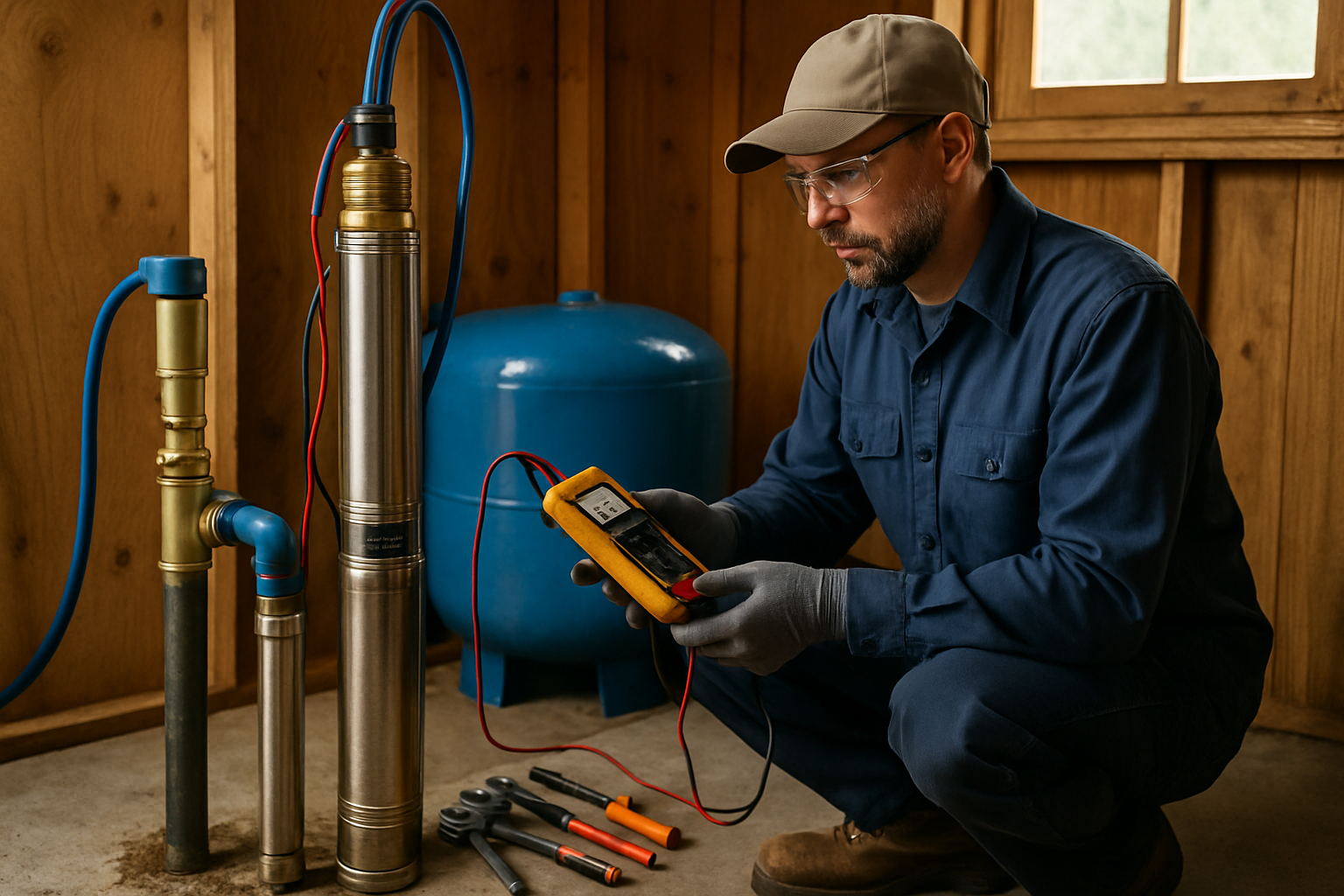
Signs Your Well Pump Is Failing
Catch pump problems early before you lose water completely.
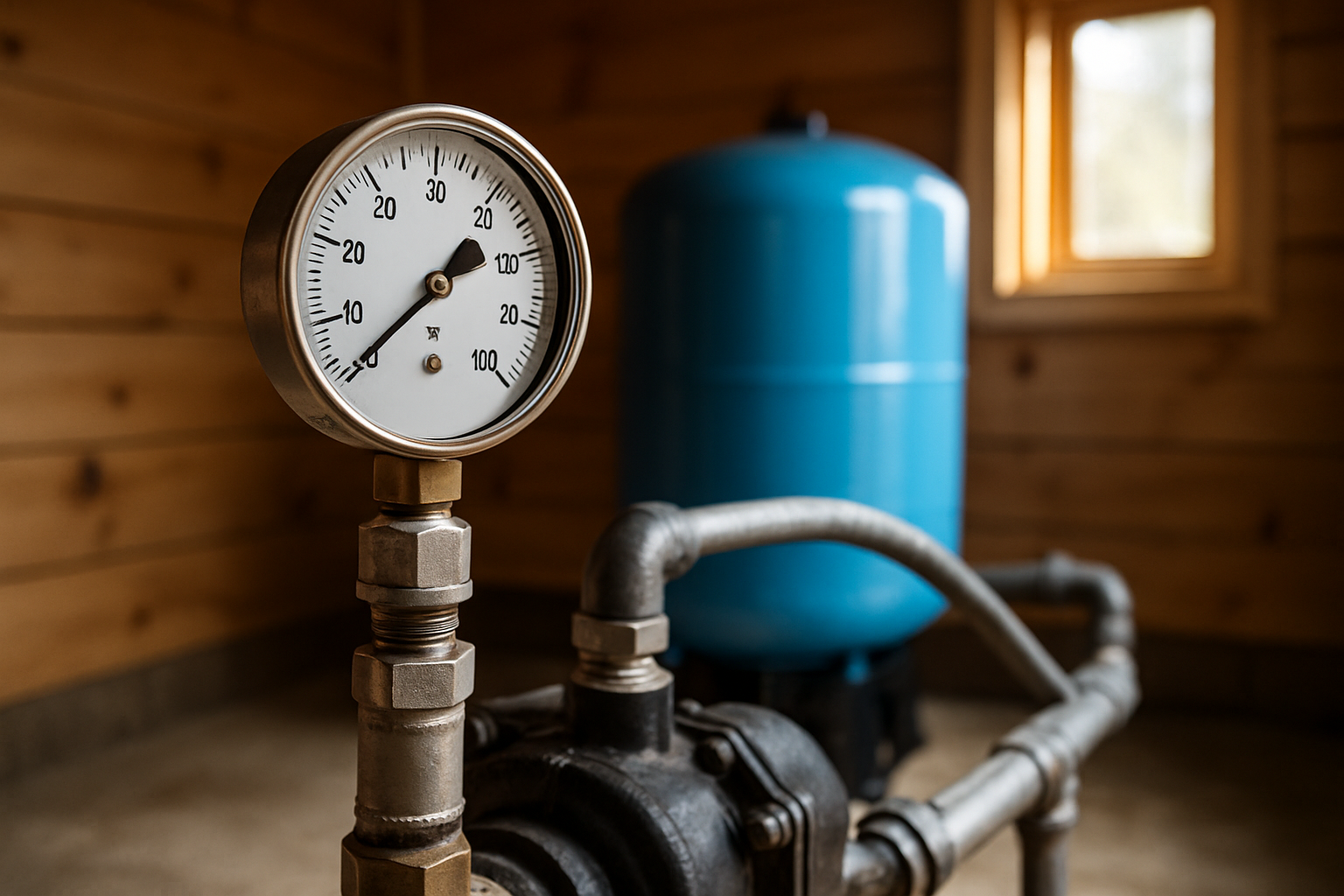
Low Water Pressure From Well
Diagnose and fix pressure problems before they get worse.
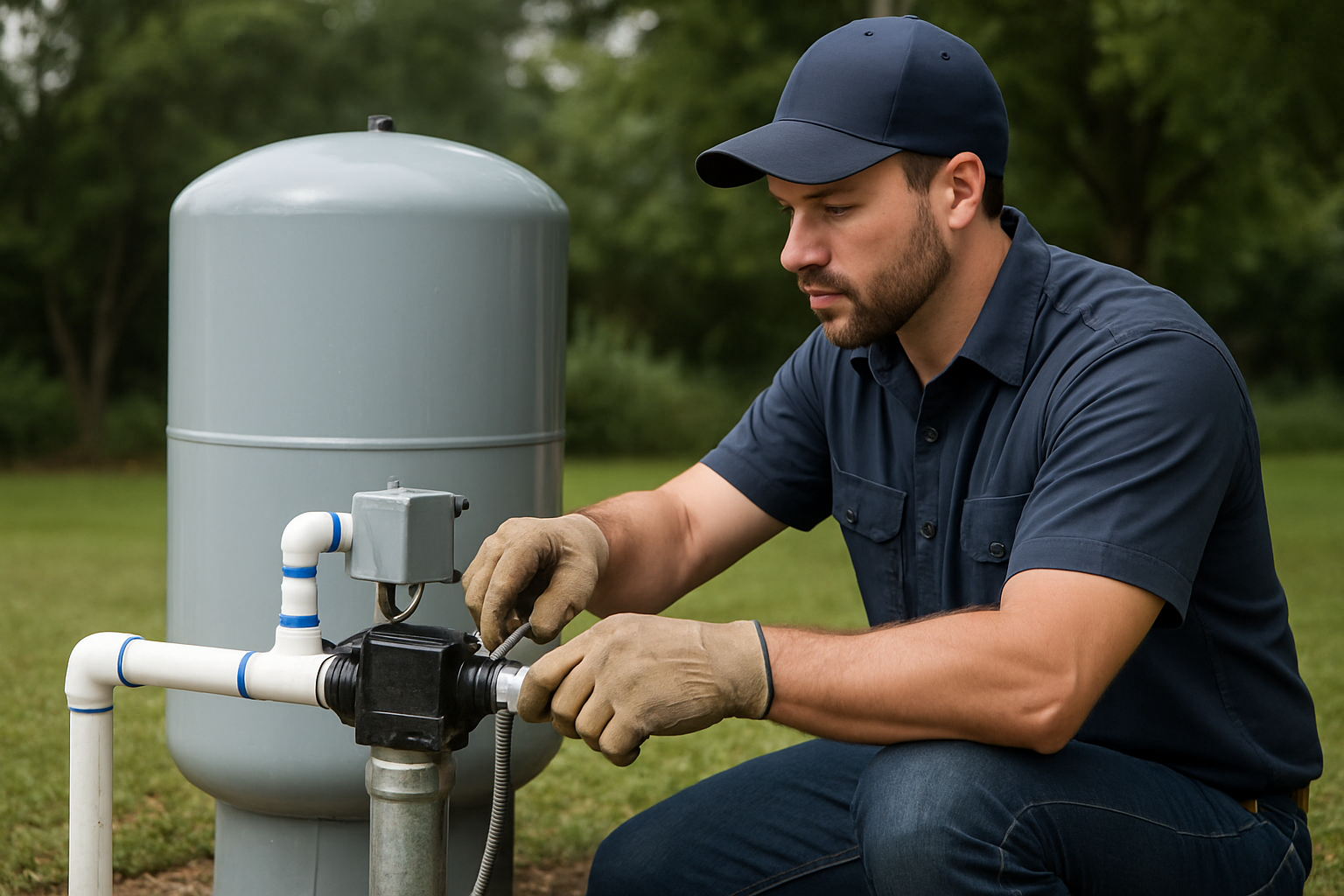
Well Maintenance Guide
Keep your well running smoothly with regular maintenance.
Our Locations
1077 Main St, Ramona, CA 92065
57174 CA-371 (US Hwy 79), Anza, CA 92539
Hydrofracturing and Well Help for Sabre Springs
Sabre Springs is a planned suburban community in northeast San Diego, tucked between Poway and Rancho Peñasquitos along the I-15 corridor. The overwhelming majority of homes here are on municipal water, served through the regional San Diego County Water Authority system, so it is worth being candid from the outset: a true private well inside the Sabre Springs neighborhood is uncommon, and hydrofracturing (also called hydrofracking) is rarely the service a Sabre Springs resident actually needs. If you do have a well, it is far more likely on a larger legacy parcel at the community's edge, or your property is just over the line into Poway or the surrounding backcountry where private wells are genuinely common.
Southern California Well Service is a licensed C-57 contractor founded in 2020, with 60+ years of family heritage and offices in Ramona and Anza. We carry CSLB #1086994 and offer same-day emergency service. Rather than pretend every Sabre Springs address is prime fracturing territory, this page explains what hydrofracturing is, when it is and is not the right tool here, and where it does shine — in the fractured-granite wells of nearby Poway and the eastern backcountry.
What Hydrofracturing Is
Hydrofracturing rehabilitates an existing drilled well; it does not create one. A well completed in bedrock produces from a network of natural fractures and joints. With time, those cracks silt up with fine sediment, mineral scale, and bacterial buildup, slowing how fast the well recharges. To reverse that, a crew sets an inflatable packer downhole to isolate a section of borehole and injects clean water at roughly 1,000 to 3,000 PSI, flushing the fractures clean and extending them where the rock permits. No chemicals are involved — only water. The treatment usually takes four to eight hours, with a flow test afterward to confirm the gain.
The key point is that this only helps wells producing from competent, fractured rock. It does nothing for a property on municipal water, and it does nothing for a well drawing from loose sediment. That is why the honest fit for Sabre Springs specifically is weak, even though the technique itself is powerful in the right setting.
Why Hydrofracturing Is a Weak Fit in Sabre Springs Itself
Two facts drive that conclusion. First, Sabre Springs households are predominantly connected to treated municipal water; if your pressure or supply problem is on a city connection, the fix lies in your plumbing, a pressure regulator, or the meter — not in any well work. Second, where private wells do exist on the larger fringe parcels, the relevant question is whether the well is completed in the granitic and metamorphic rock of the Peninsular Ranges batholith that underlies the region. Only then does fracturing become a candidate. Before anyone talks about high-pressure injection at your address, the first job is simply to confirm what kind of water system you actually have.
The Services Sabre Springs Owners Usually Need Instead
For most Sabre Springs and adjacent properties, the productive path is one of these, not hydrofracturing:
- Well deepening. If an older well on a fringe parcel has lost its column as the water table dropped, deepening the existing borehole can restore service at a fraction of replacement cost.
- A new well. Where a well has collapsed, is too shallow, or is failing structurally, a turnkey new well ($18,000-$42,000) may be the durable answer. We size and site it for the local rock.
- Pump and pressure rehabilitation. A failing submersible pump ($2,500-$5,500), a waterlogged pressure tank ($600-$1,500), or a worn pressure switch ($150-$350) cause many of the "low water" complaints we see. A constant-pressure or booster system ($2,000-$4,500) cures pressure that sags during peak demand.
- Water treatment. Inland San Diego water is hard, and well water here often carries minerals. Sediment filtration runs $300-$900; iron, manganese, or softening systems run $1,500-$3,500.
- Decommissioning. An unused or damaged well should be properly destroyed ($1,500-$5,000) to county standards.
Where Hydrofracturing Does Work: Poway and the Backcountry
Step just outside Sabre Springs and the picture changes. Poway includes rural pockets where homes rely on wells drilled into granite. Continue east and northeast toward Ramona, Valley Center, Alpine, Jamul, and the Julian highlands and you reach San Diego County's true private-well belt, where wells routinely produce from fracture systems in decomposed and crystalline granite. Those are exactly the wells that respond to hydrofracturing — declining hillside wells, disappointing new wells in hard rock, and properties that run short in the dry season. If your property is in one of those areas rather than within the Sabre Springs grid, fracturing may be very much worth considering.
What to Check First
- Confirm your source. Are you on a city/agency meter or a private well? This determines everything that follows.
- Locate the well log if you have a well. It records depth and the materials drilled through, which tells us whether you are in fracturable rock.
- Characterize the symptom. Short-cycling and rapid tank drain-down often mean equipment, not aquifer. Gradual multi-year decline points to formation or table issues.
- Check water quality. Hardness, staining, or sediment indicate treatment needs, which fracturing does not address.
- Compare with neighbors who have wells; a shared decline suggests a regional table change.
Costs and Our Diagnostic Approach
When hydrofracturing genuinely fits a bedrock well in the surrounding area, it typically runs $3,000-$8,000 versus $18,000-$42,000 for a new well. But for a Sabre Springs address specifically, we will not push fracturing simply because you asked about it. We start with a $125 diagnostic visit — credited toward any work you authorize — to verify your water source, inspect equipment, and review any well records. If the right answer is a pump repair, a pressure system, treatment, deepening, or nothing at all, that is what we will recommend.
When to Call a Professional
Call us when you have lost water pressure or supply and are not sure whether the cause is your well, your pump, or your plumbing; when an older well on your parcel has declined; or when you are weighing a new well and want to know your real options. We will sort out municipal-versus-well issues quickly and keep you from spending on the wrong remedy.
Serving Sabre Springs and the Surrounding Region
From our Ramona and Anza offices we serve Sabre Springs, Poway, Rancho Peñasquitos, Scripps Ranch, and outward to Ramona, Valley Center, Alpine, Jamul, and the rest of San Diego County's well country. Whether you need a straight answer about a city-water pressure issue or full rehabilitation of a backcountry granite well, we bring the same licensed, honest approach.
Frequently Asked Questions
I live in Sabre Springs — do I even have a well?
Most likely not. Sabre Springs is predominantly on municipal water. A handful of larger fringe parcels or properties just over the line into Poway may have private wells. Confirming your water source is the first thing we do.
If my problem is low pressure on city water, can hydrofracturing help?
No. Hydrofracturing only affects private wells producing from fractured rock. A municipal-water pressure problem is solved at your plumbing, a pressure regulator, or the meter.
My property is near Poway and on a well — is fracturing worth it?
Possibly, if the well is completed in granite and its yield has declined. Wells in the surrounding fractured-granite areas are good candidates. We confirm with a video inspection and flow test before recommending it.
What should I do if my well is just old and weak?
Depending on the cause, deepening the existing well or repairing the pump and pressure system is often more cost-effective than a new well. We will lay out the options and costs.
Does well hydrofracturing use chemicals?
No. It uses only clean water under pressure and has none of the additives associated with oil-and-gas fracking.
How much does a new well cost if I need one?
A turnkey new well in this region typically runs $18,000-$42,000 depending on depth and rock. Hydrofracturing an existing suitable well is far cheaper at $3,000-$8,000, which is why we always check rehabilitation first.
Get a Clear Answer for Your Sabre Springs Property
Not sure whether your issue is a well, a pump, or your city connection? Let us sort it out. Call Southern California Well Service at (760) 440-8520 or text (760) 219-5877 to book a $125 diagnostic visit, credited toward any work you approve. We will identify the real problem and recommend only the solution that fits — fracturing only where it truly belongs.