
Hydrofracturing Well Services in Sage, CA
Is your well in Sage producing less water than it used to? Hydrofracturing (also called hydrofracking) could be the solution to restore and even improve your well's water production without the expense of drilling a new well.
📋 In This Guide
- What is Hydrofracturing?
- Signs Your Sage Well Needs Hydrofracturing
- The Hydrofracturing Process
- Cost vs. New Well Drilling in Sage
- Why Choose SCWS for Hydrofracturing?
- Related Articles
Southern California Well Service provides professional hydrofracturing services throughout Riverside County to help homeowners and property owners increase their well yield.
What is Hydrofracturing?
Hydrofracturing is a well rehabilitation technique that uses high-pressure water to clean and expand existing fractures in the bedrock surrounding your well. This process:
- Clears mineral deposits and sediment blocking water flow
- Opens new pathways for groundwater to reach your well
- Can increase well yield by 2-10 times in many cases
- Extends the life of your existing well
Unlike oil and gas fracking, well hydrofracturing uses only clean water—no chemicals are involved.
Signs Your Sage Well Needs Hydrofracturing
- Declining water production over time
- Well runs dry during peak usage
- Slow recovery rate after pumping
- Pump cycling on and off frequently
- Lower water pressure than previous years
The Hydrofracturing Process
- Initial Assessment: We evaluate your well's current yield and condition
- Equipment Setup: Specialized high-pressure equipment is positioned at your well
- Isolation: Packers seal off sections of the well for targeted treatment
- Pressurization: Water is pumped at 500-3,000 PSI to fracture bedrock
- Development: Well is cleaned and tested for improved yield
Cost vs. New Well Drilling in Sage
In Sage, drilling a new well can cost $15,000-$50,000+ depending on depth. Hydrofracturing typically costs a fraction of that—often $3,000-$8,000—making it an excellent first option before considering a new well.
Many Sage wells that appear to be "going dry" can be successfully rehabilitated through hydrofracturing, saving homeowners tens of thousands of dollars.
Why Choose SCWS for Hydrofracturing?
- Founded 2020 · 60+ Years Family Heritage: We've rehabilitated thousands of wells across Southern California
- Licensed C-57 Contractor. CSLB License #1086994. Fully licensed for well drilling and service in California
- Specialized Equipment: Professional-grade hydrofracturing equipment
- Free Estimates: We'll assess your well and provide honest recommendations
Need Help With Your Well in Sage?
Our expert technicians serve Sage and all of Riverside County with professional well services.
Related Articles
Continue learning about well maintenance and troubleshooting

Signs Your Well Pump Is Failing
Catch pump problems early before you lose water completely.
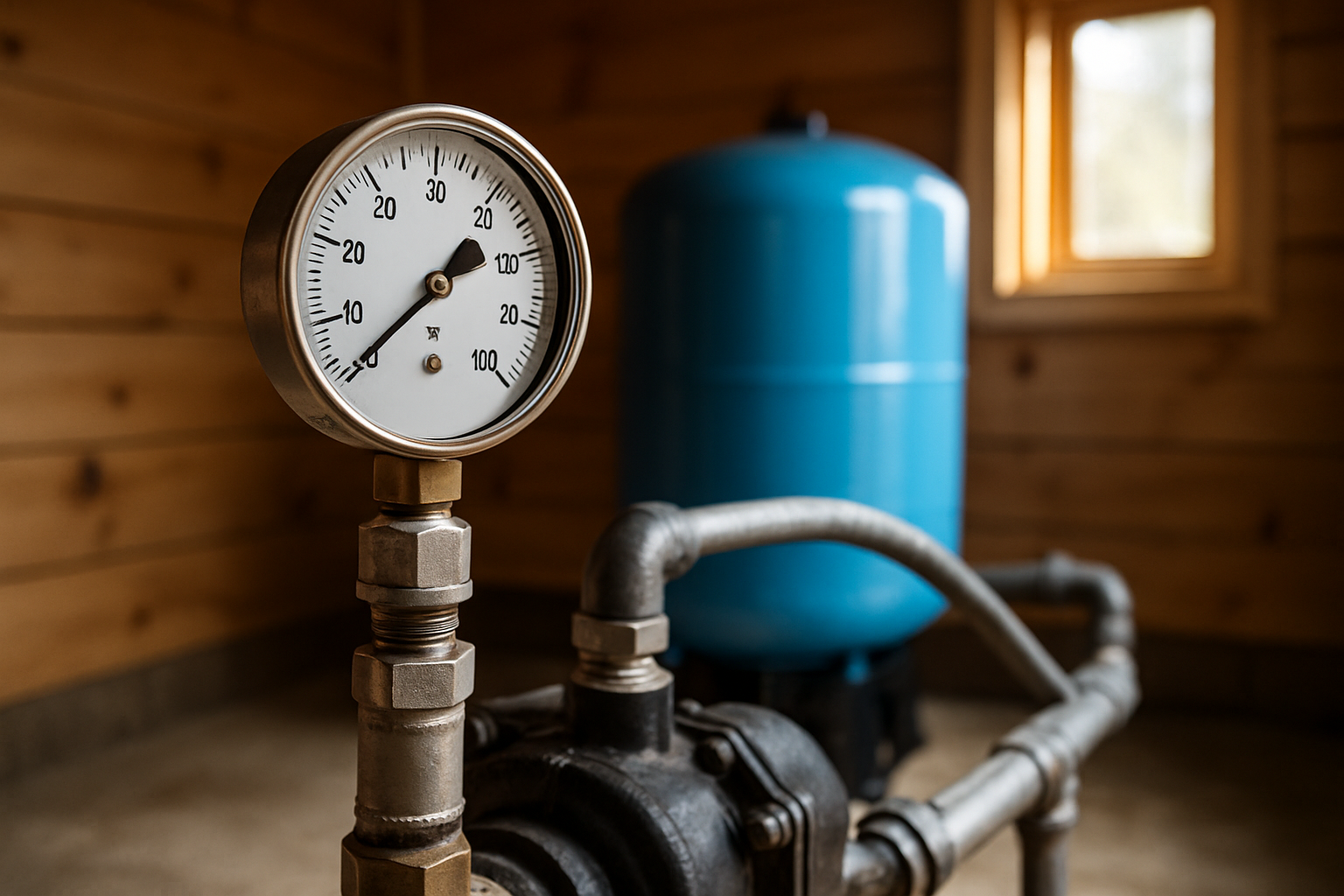
Low Water Pressure From Well
Diagnose and fix pressure problems before they get worse.
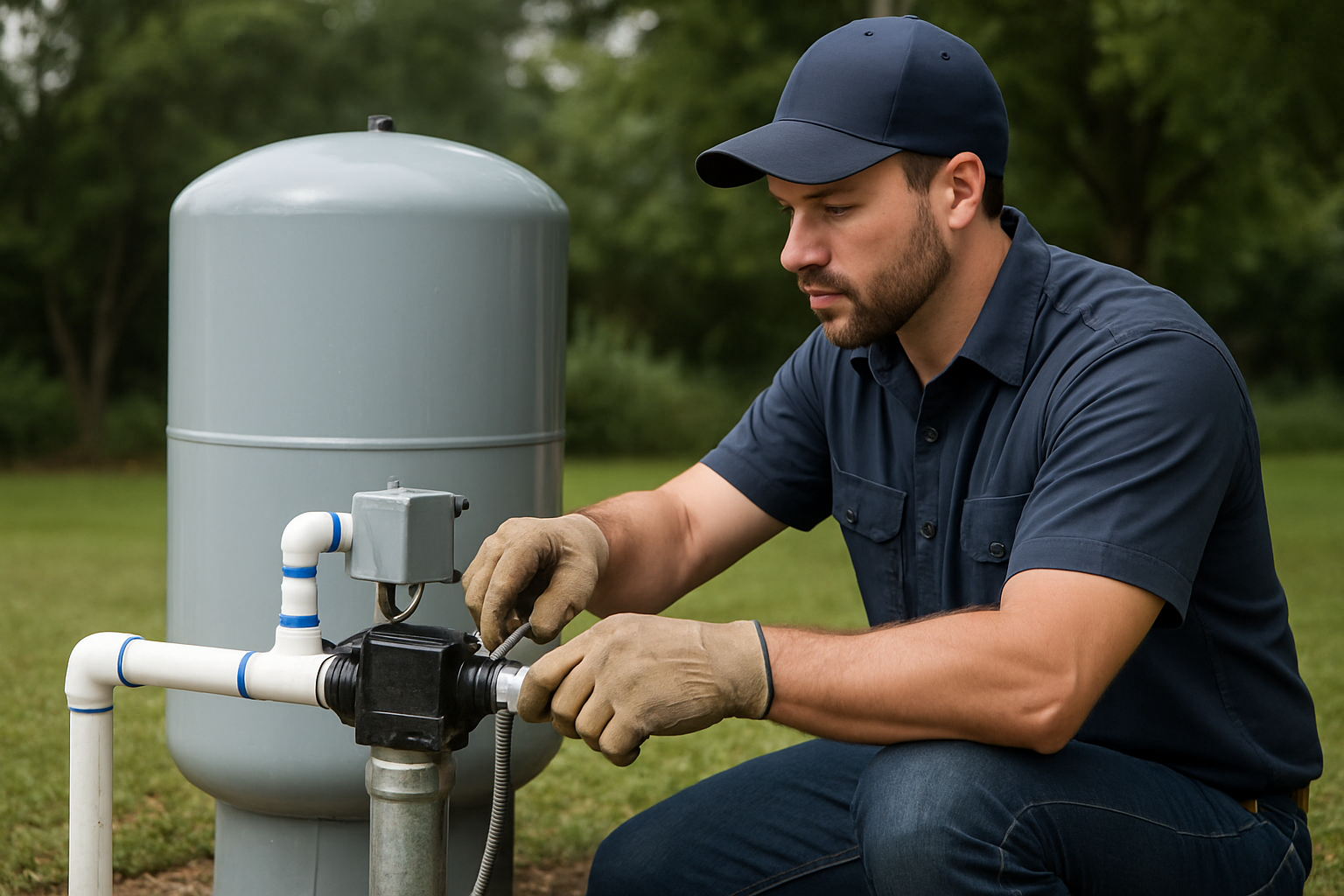
Well Maintenance Guide
Keep your well running smoothly with regular maintenance.
Our Locations
1077 Main St, Ramona, CA 92065
57174 CA-371 (US Hwy 79), Anza, CA 92539
Hydrofracturing in Sage: Built for Fractured-Granite Wells
Sage is a rural ranch community in Riverside County, spread south of Hemet along Sage Road and State Route 79 in the country between Hemet and Aguanga, not far from Anza. It is classic Southern California backcountry—rolling granite terrain dotted with oak and chaparral, horse ranches, and rural homesteads on large parcels. Almost everyone out here is on a private well, and almost all of those wells are drilled into fractured granite. That makes Sage one of the strongest areas we work for hydrofracturing, because the technique is purpose-built for exactly the kind of rock that underlies these ranches.
The geology tells the story. Sage sits in decomposed-granite and fractured crystalline-rock country, with little of the deep loose alluvium you find on a valley floor. Wells here produce water from the network of cracks running through the granite. Over the years those cracks clog with fine sediment and mineral scale, and a well that once ran strong starts coming up short—especially through the dry season. Hydrofracturing is the most direct way to reopen that fracture network, and in granite terrain like Sage's it has a high success rate.
The Mechanics of Hydrofracturing
Hydrofracturing—you'll also see it written hydrofracking—uses clean water and pressure to revive a rock well, with no chemicals whatsoever. We set inflatable packers in the borehole to isolate a target section, then pump clean water into that zone at high pressure, typically 1,500 to 3,000+ PSI. The water scours silt and scale out of the existing fractures and opens them wider, restoring the well's connection to the surrounding water-bearing cracks. A treatment usually takes four to eight hours from setup to final flow test.
It deserves repeating that this is not the hydraulic fracturing used in oil and gas. No proppant, no chemical cocktail, no deep formation—just water pressure working the natural fractures in the granite under your Sage property. The water in is clean, and nothing foreign goes into the aquifer.
Sage Wells and Why They Qualify
The straightforward truth is that the overwhelming majority of Sage wells are good candidates because they are finished in fractured granite. We still confirm each well individually—here's what tells us a well will respond:
- The driller's log (well completion report). Out here these logs almost always describe granite, decomposed granite, weathered rock, or fractured bedrock. That is the textbook profile for a successful treatment. The report is filed with the state and frequently included in property records.
- Open-hole construction. Sage wells are typically cased through the loose surface material and then left as open hole in the solid granite below. That open rock interval is what we fracture and clean. A well screened entirely in sand and gravel would not benefit—but that construction is rare in Sage.
- Flow and recovery pattern. A fractured-granite well often delivers a steady, moderate flow and recovers gradually after heavy pumping. That behavior is normal for the rock and a good fit for treatment.
- Camera survey if records are gone. Many Sage ranch wells are decades old with little paperwork. A downhole video shows the open granite face and its visible fractures, letting us target the most productive zones precisely.
Because we are honest about it: if a Sage well somehow turned out to be in loose sediment rather than rock, hydrofracturing would not help and we would steer you elsewhere. In this granite country, though, that is the rare exception. Most local wells are squarely in the technique's wheelhouse.
What We See on Sage Ranches
A horse ranch off Sage Road relies on a single granite well for the house, the barn, and stock water, and by late summer it can't keep up with the troughs. The well is open-hole in fractured granite—an excellent candidate—and a treatment frequently restores the flow it had when the family moved in. Another homestead has a well that came in disappointingly weak when it was drilled; the original work never opened the surrounding fractures, and a development frac connects the well to the network it was always sitting beside. A third property has seen a slow, steady decline over a decade as scale tightened the fractures, and high-pressure cleaning brings it back. On the larger spreads toward Aguanga and the Anza side, where hauling water is a real and expensive hassle, restoring an existing well is often the difference between a workable property and a constant headache.
Keeping a Sage Well Productive Long-Term
After a successful treatment, a Sage ranch well will run well for years, but the granite fractures do gradually re-collect fine sediment and scale, so a bit of routine attention pays off. We suggest checking your flow rate against the baseline we record, watching how the well recovers after the heaviest summer pumping, and keeping the pump sized to the well's real sustainable yield rather than the most it can ever deliver—an over-pumped fractured-rock well draws down faster than it refills and wears out pumps early. On larger spreads with livestock, a storage tank that lets the well refill steadily through the day takes enormous strain off the system during peak demand. These simple habits stretch the interval between treatments and protect the equipment downhole.
It's also worth keeping your paperwork in order—the driller's log, pump records, and the documented before-and-after flow figures from each visit. On rural Sage parcels that often pass from one owner to the next, that history is a real asset: it shows precisely what the well is built in and how it has performed, which saves the next owner guesswork and saves any contractor a diagnostic step.
The Process, Step by Step
We open with a baseline flow test so the improvement is measurable. Where it's useful, a camera survey inspects the casing and maps the fracture zones. We isolate those zones with packers and raise pressure in controlled stages, watching how the granite accepts water—a clear indicator the fractures are opening. After treatment we re-test the yield, usually confirming results within 24 to 48 hours, and give you a documented before-and-after. In sound fractured-granite wells like those typical around Sage, a 2x to 5x improvement is a realistic expectation, though every well is individual and we never promise a specific figure.
Cost Compared to a New Well
For Sage ranches, the economics strongly favor treating an existing granite well first. A new turnkey well runs roughly $18,000 to $42,000—and on a remote parcel, access and depth can push toward the high end. Hydrofracturing a suitable well typically runs $3,000 to $8,000. Our diagnostic visit is $125, credited toward the work if you proceed. Depending on the rest of the system, you might also see a pressure switch ($150-$350), pressure tank ($600-$1,500), submersible pump ($2,500-$5,500), sediment filtration ($300-$900), water softener ($1,500-$3,500), or a constant-pressure/booster system ($2,000-$4,500). Given how dependably Sage granite responds, treating the well you have is usually the smart first investment.
When to Pick Up the Phone
Call when your Sage well makes less water than it once did, struggles during the dry months, recovers slowly after pumping, or cycles the pump too frequently. Southern California Well Service is a C-57 licensed contractor (CSLB #1086994) founded in 2020, with 60+ years of family heritage we'll assess the well, confirm it's the candidate the granite suggests, and set honest expectations.
Serving Sage, Anza, and the SR-79 Backcountry
We serve Sage and the surrounding communities of Aguanga, Anza, Hemet, and the SR-79 corridor throughout Riverside County. Our Anza office on US Highway 79 is practically next door to the Sage area, which means fast response and crews who know this granite terrain firsthand; our Ramona office provides additional backup. Same-day emergency service is available when a ranch suddenly loses water.
If your ranch well is running short, hydrofracturing is very likely worth a serious look here. Call (760) 440-8520 or text (760) 219-5877 and we'll assess your Sage well and tell you exactly where you stand.
Sage Hydrofracturing FAQ
Are Sage wells usually good candidates for hydrofracturing?
Yes. The great majority of Sage wells are drilled into fractured granite, which is exactly the formation the technique is designed to improve. We still confirm each well individually, but the local geology is very favorable.
How do you confirm my well will respond?
We check the driller's log for granite or fractured-rock entries, verify the well is open-hole in solid rock, and look at how it flows and recovers. If records are missing—common on older ranch wells—a downhole camera shows the rock face and fractures directly.
Is the process safe for livestock and household water?
Yes. Hydrofracturing uses only clean water and pressure, with no chemicals or proppant. It is unrelated to oil-and-gas fracking and adds nothing to your aquifer.
How much water improvement can I expect?
In sound fractured-granite wells typical of Sage, a 2x to 5x improvement in flow is realistic. We measure a baseline first and document the before-and-after, since every well is different.
What will it cost, and how does that compare to a new well?
Hydrofracturing a suitable well generally runs $3,000-$8,000, versus roughly $18,000-$42,000 for a new turnkey well—often more on remote parcels. The $125 diagnostic is credited toward the work if you proceed.
How quickly can you get to my Sage ranch?
Our Anza office is very close to the Sage area, so response times are short, and we offer same-day emergency service when a property suddenly loses water.