
Hydrofracturing Well Services in San Carlos, CA
Is your well in San Carlos producing less water than it used to? Hydrofracturing (also called hydrofracking) could be the solution to restore and even improve your well's water production without the expense of drilling a new well.
📋 In This Guide
- What is Hydrofracturing?
- Signs Your San Carlos Well Needs Hydrofracturing
- The Hydrofracturing Process
- Cost vs. New Well Drilling in San Carlos
- Why Choose SCWS for Hydrofracturing?
- Related Articles
Southern California Well Service provides professional hydrofracturing services throughout San Diego County to help homeowners and property owners increase their well yield.
What is Hydrofracturing?
Hydrofracturing is a well rehabilitation technique that uses high-pressure water to clean and expand existing fractures in the bedrock surrounding your well. This process:
- Clears mineral deposits and sediment blocking water flow
- Opens new pathways for groundwater to reach your well
- Can increase well yield by 2-10 times in many cases
- Extends the life of your existing well
Unlike oil and gas fracking, well hydrofracturing uses only clean water—no chemicals are involved.
Signs Your San Carlos Well Needs Hydrofracturing
- Declining water production over time
- Well runs dry during peak usage
- Slow recovery rate after pumping
- Pump cycling on and off frequently
- Lower water pressure than previous years
The Hydrofracturing Process
- Initial Assessment: We evaluate your well's current yield and condition
- Equipment Setup: Specialized high-pressure equipment is positioned at your well
- Isolation: Packers seal off sections of the well for targeted treatment
- Pressurization: Water is pumped at 500-3,000 PSI to fracture bedrock
- Development: Well is cleaned and tested for improved yield
Cost vs. New Well Drilling in San Carlos
In San Carlos, drilling a new well can cost $15,000-$50,000+ depending on depth. Hydrofracturing typically costs a fraction of that—often $3,000-$8,000—making it an excellent first option before considering a new well.
Many San Carlos wells that appear to be "going dry" can be successfully rehabilitated through hydrofracturing, saving homeowners tens of thousands of dollars.
Why Choose SCWS for Hydrofracturing?
- Founded 2020 · 60+ Years Family Heritage: We've rehabilitated thousands of wells across Southern California
- Licensed C-57 Contractor. CSLB License #1086994. Fully licensed for well drilling and service in California
- Specialized Equipment: Professional-grade hydrofracturing equipment
- Free Estimates: We'll assess your well and provide honest recommendations
Need Help With Your Well in San Carlos?
Our expert technicians serve San Carlos and all of San Diego County with professional well services.
Related Articles
Continue learning about well maintenance and troubleshooting

Signs Your Well Pump Is Failing
Catch pump problems early before you lose water completely.
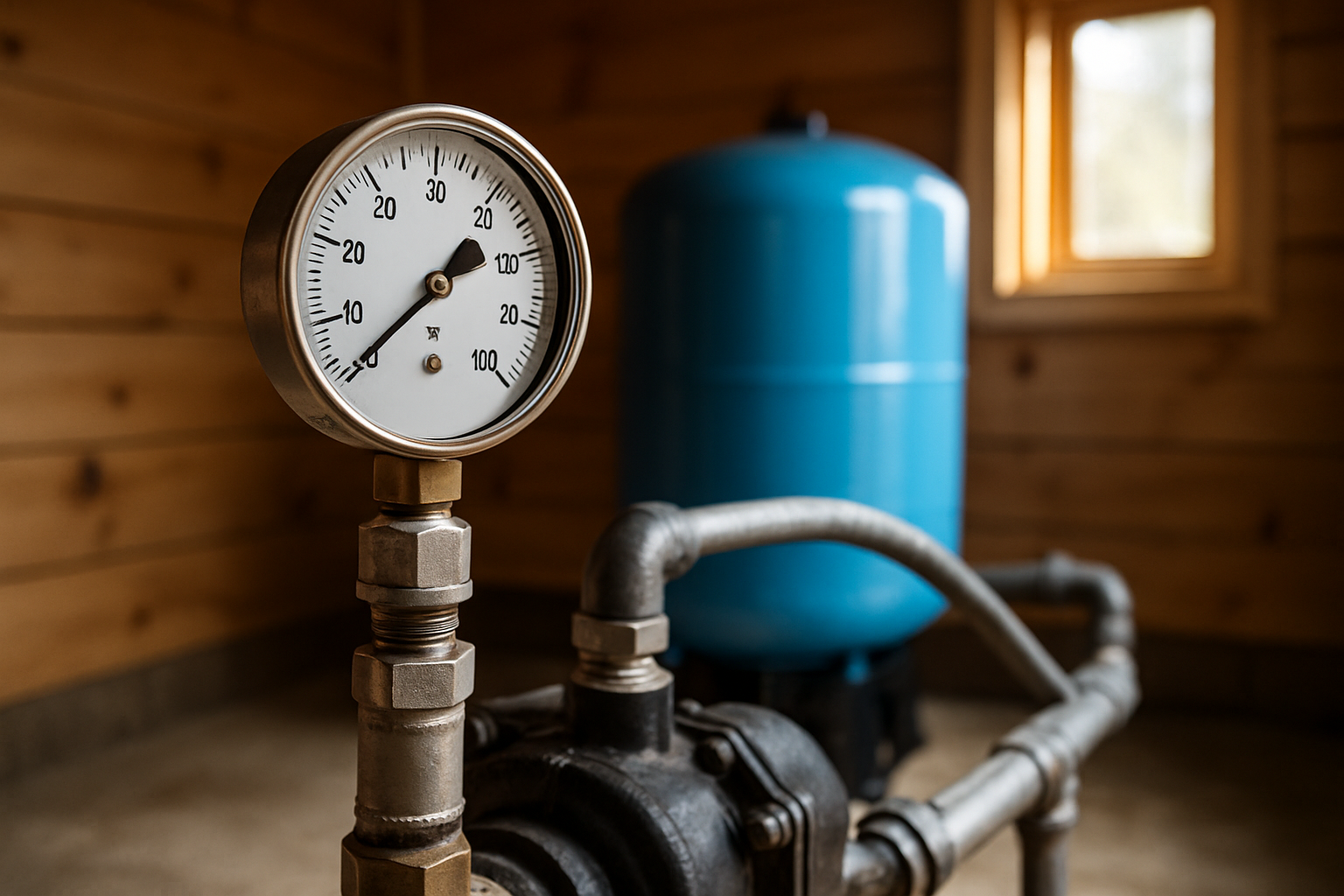
Low Water Pressure From Well
Diagnose and fix pressure problems before they get worse.
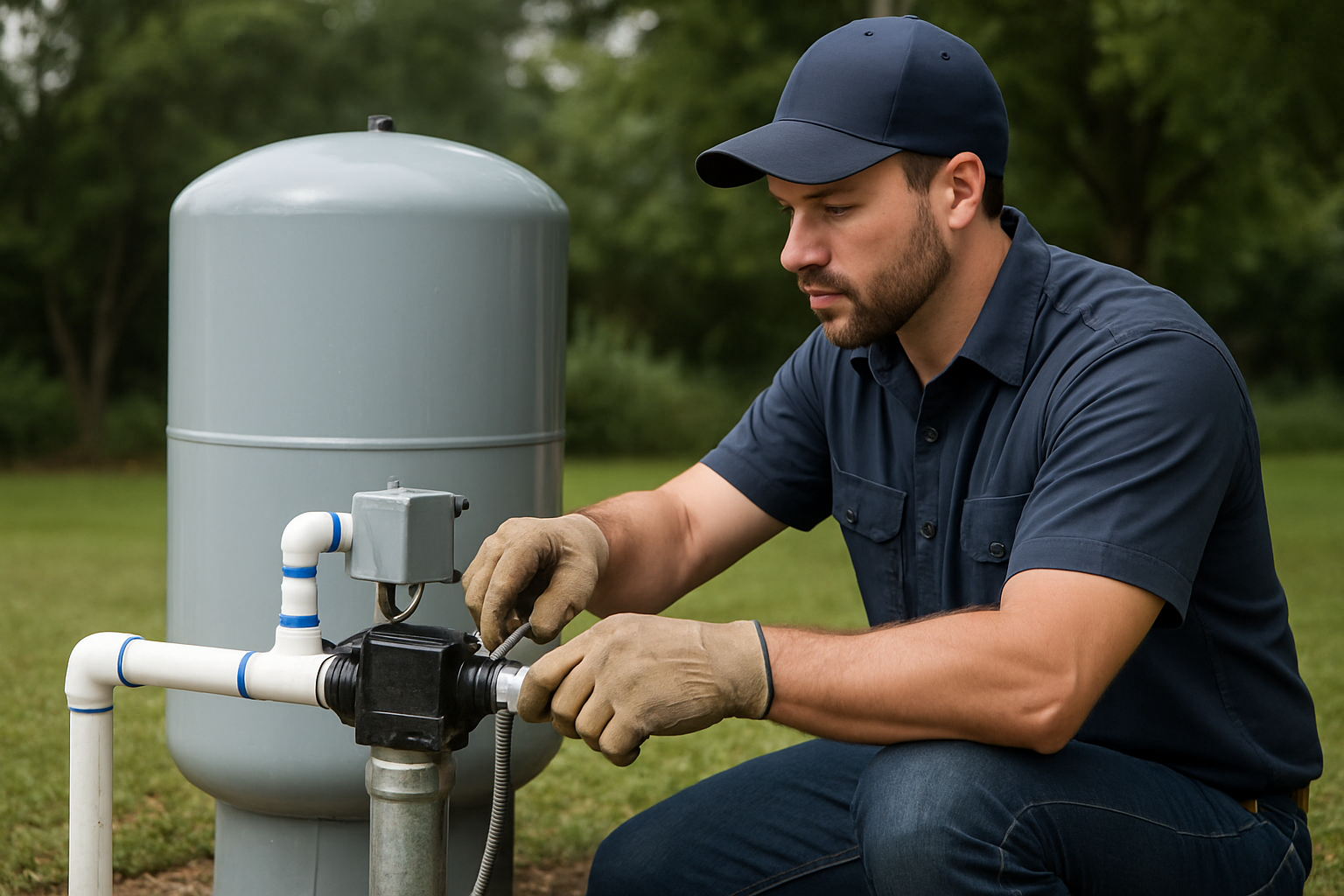
Well Maintenance Guide
Keep your well running smoothly with regular maintenance.
Our Locations
1077 Main St, Ramona, CA 92065
57174 CA-371 (US Hwy 79), Anza, CA 92539
Hydrofracturing and Water Wells Around San Carlos: An Honest Local Picture
Let's be straightforward from the start: if you live in San Carlos, the residential neighborhood in eastern San Diego tucked beneath Cowles Mountain and beside Lake Murray, you almost certainly do not have a water well. San Carlos is a fully built-out urban community within the City of San Diego, and homes here are served by the City of San Diego Public Utilities Department. Your water arrives through municipal mains, not through a borehole in your yard. That reality shapes everything we have to say about hydrofracturing here, and we'd rather tell you the truth than sell you a service you'll never use.
So why does a page about hydrofracturing in San Carlos exist at all? Because the geology and rural parcels just beyond the neighborhood are a different story. Eastern San Diego County, the foothills running toward Santee, Lakeside, and the El Cajon back-country, and the higher terrain east of Mission Trails Regional Park sit on fractured granitic bedrock. That rock type is exactly where private wells are drilled, and exactly where hydrofracturing earns its keep. If you searched for this topic because you own a back-country property on a well, or you're a San Carlos homeowner weighing a parcel out east, this guide is written honestly for you.
How Hydrofracturing Actually Works, and When It Applies
Hydrofracturing, sometimes shortened to hydrofracking, is a well rehabilitation method. It is unrelated to oil and gas fracking. No chemicals are injected. We use only clean water under high pressure to reopen and connect the natural fractures in hard bedrock that allow groundwater to seep toward a well bore.
The procedure is mechanically simple. A technician lowers inflatable packers into the well casing to seal off a target zone. Clean water is then pumped into that isolated section, typically between 1,000 and 3,000 PSI. The pressure flushes out the fine sediment, mineral scale, and drilling residue that clog the rock's natural seams, and it widens those hairline fractures so water moves into the well more freely. A full treatment usually runs four to eight hours.
Here is the part that matters most, and the part many marketing pages gloss over: hydrofracturing only works in fractured, crystalline bedrock, and only when there is actually a well to treat. It suits the decomposed granite and fractured granitic rock that underlie the eastern San Diego County foothills. It does nothing for a property that draws municipal water, and it is the wrong tool for wells set in loose sand or gravel formations, which do not hold fractures. If you're connected to City of San Diego water, as essentially every San Carlos address is, hydrofracturing is simply not relevant to your home.
Who In and Around San Carlos Actually Has a Well?
Inside the San Carlos neighborhood proper, the honest answer is: practically nobody with an active private domestic well. The community grew up as a planned residential district, and adjacent neighborhoods such as Del Cerro, Allied Gardens, and Grantville share the same fully urban, fully municipal-water profile. Even neighboring La Mesa and the developed parts of Santee are served by their own water districts.
Where wells do appear is on the outer edges, the larger rural and semi-rural parcels east and northeast of the city limits. Think of properties climbing the foothills toward Santee and Lakeside, holdings in the El Cajon back-country, and the scattered acreage farther east in unincorporated San Diego County. Owners out there often rely on a private well because a municipal hookup is impractical or unavailable. Those are the wells that occasionally benefit from hydrofracturing.
Typical problems we see on those foothill and back-country wells include:
- Gradual yield decline as fine sediment and mineral scale slowly seal off the rock fractures that feed the bore.
- A new well that disappoints, drilled into granite but producing far less than the owner hoped.
- Seasonal shortfalls, where the well keeps up in winter but falls behind during the dry summer months.
- Slow recovery, where the pump draws the water level down quickly and the well takes a long time to refill.
- Water quality nuisances such as iron, manganese, or sediment, which are separate from yield but common in the same rural settings.
What a Well Owner Should Check First
Before anyone talks about hydrofracturing, it pays to rule out the simpler, cheaper culprits. A drop in water at the tap is far more often a pump or pressure issue than a depleted aquifer. If you own a well on a parcel near San Carlos, walk through this short list:
- Pressure tank and switch. A waterlogged tank or a failing pressure switch causes rapid pump cycling and weak flow. These are inexpensive parts, and replacing them solves a surprising share of complaints.
- Pump performance. An aging or undersized submersible pump can mimic a low-yield well. A simple amp draw and flow test tells the difference.
- Sediment and filtration. Clogged sediment filters throttle flow long before the well itself is at fault.
- Static and pumping water levels. Measuring how far the water sits below ground, and how far it drops while pumping, reveals whether the aquifer or the equipment is the real constraint.
- Recovery rate. Timing how quickly the well refills after a heavy draw is the single best indicator of whether hydrofracturing could help.
Only when the equipment checks out, and the well still genuinely underproduces from the rock itself, does hydrofracturing move into the conversation.
When to Call a Professional
Diagnosing a low-yield well safely means working with high-pressure equipment, downhole cameras, and packers, none of which belong in a homeowner's hands. It's time to bring in a licensed contractor when your well repeatedly runs dry during normal use, when recovery has slowed noticeably year over year, when a freshly drilled well underperforms, or when you simply cannot tell whether the trouble is the pump or the aquifer. A proper assessment starts with a video inspection of the casing and a measured flow test, so the recommendation is based on evidence rather than guesswork.
At Southern California Well Service we begin every well visit with a $125 diagnostic that we credit toward any work you authorize. If the honest answer is that your well is fine and the pressure switch was the problem, we'll tell you that and move on.
Realistic Cost Ranges
Pricing varies with depth, access, and well condition, but here are the honest ballpark figures for the eastern San Diego County area:
- Hydrofracturing: $3,000 to $8,000, far less than a replacement well.
- New well, turnkey: $18,000 to $42,000, depending on depth and equipment.
- Pump replacement: $2,500 to $5,500.
- Pressure tank: $600 to $1,500.
- Pressure switch: $150 to $350.
- Sediment filtration: $300 to $900.
- Iron, manganese, or water softening: $1,500 to $3,500.
- Constant-pressure or booster system: $2,000 to $4,500.
- Well abandonment or decommissioning: $1,500 to $5,000.
- Diagnostic visit: $125, credited toward authorized work.
The reason hydrofracturing gets so much attention is simple arithmetic: when it succeeds, it restores a struggling well for a fraction of the cost of drilling a new one. But it is only worth spending that money where there is fractured rock and a real well to treat.
Our Service Area Around San Carlos
Southern California Well Service is a C-57 licensed well contractor (CSLB #1086994) founded in 2020, with 60+ years of family heritage. We operate from offices in Ramona (1077 Main St, Ramona, CA 92065) and Anza (57174 CA-371 (US Hwy 79), Anza, CA 92539), and we serve well owners throughout eastern San Diego County. While San Carlos itself is on city water, we regularly help owners on the surrounding rural and foothill parcels, including properties toward Santee, Lakeside, El Cajon's back-country, and the unincorporated land east of Mission Trails. If you're not sure whether your property is on a well or a municipal line, call us and we'll help you figure it out before you spend a dollar.
Frequently Asked Questions
Do San Carlos homes have water wells?
Almost none do. San Carlos is a fully developed neighborhood within the City of San Diego, served by the City of San Diego Public Utilities Department. If you live within the neighborhood, your water comes from municipal mains, and you do not need well service. Private wells in this part of the county sit on rural and foothill parcels beyond the city limits.
Does hydrofracturing make sense for a San Carlos property?
Only if the property is on a private well in fractured bedrock, which describes parcels in the eastern foothills rather than the San Carlos neighborhood itself. If you're on city water, hydrofracturing has no application for your home.
Is well hydrofracturing the same as oil and gas fracking?
No. Water-well hydrofracturing uses only clean water under pressure to reopen natural rock fractures. There are no chemicals and no deep shale formations involved. The two share a name and little else.
How much can hydrofracturing improve a well's yield?
In suitable fractured granitic rock, many wells see yield improvements of two to five times, sometimes more. Results depend heavily on the rock and the cause of the original decline, so a pre-treatment flow test is essential. It does not work in sand or gravel formations.
How long does the procedure take, and is my water safe afterward?
A typical hydrofracturing job runs four to eight hours on site. Because only clean water is used, there is no chemical contamination, though we recommend a standard post-service water test and a short flushing period before regular use.
What should I do first if my well is producing less water?
Start with the equipment: check the pressure tank, pressure switch, and pump before assuming the aquifer is failing. A licensed contractor can run a flow and recovery test to determine whether the problem is mechanical or geological, which decides whether hydrofracturing is even appropriate.
Talk to a Real Well Specialist
Whether you own a back-country well that's slowing down or you simply want to know whether a property near San Carlos relies on a well at all, we're glad to give you a straight answer. Call Southern California Well Service at (760) 440-8520 or text us at (760) 219-5877 for same-day emergency help. We'd rather earn your trust with honest advice than push a service you don't need.
- Call: (760) 440-8520
- Text: (760) 219-5877