
Hydrofracturing Well Services in San Dieguito, CA
Is your well in San Dieguito producing less water than it used to? Hydrofracturing (also called hydrofracking) could be the solution to restore and even improve your well's water production without the expense of drilling a new well.
📋 In This Guide
- What is Hydrofracturing?
- Signs Your San Dieguito Well Needs Hydrofracturing
- The Hydrofracturing Process
- Cost vs. New Well Drilling in San Dieguito
- Why Choose SCWS for Hydrofracturing?
- Related Articles
Southern California Well Service provides professional hydrofracturing services throughout San Diego County to help homeowners and property owners increase their well yield.
What is Hydrofracturing?
Hydrofracturing is a well rehabilitation technique that uses high-pressure water to clean and expand existing fractures in the bedrock surrounding your well. This process:
- Clears mineral deposits and sediment blocking water flow
- Opens new pathways for groundwater to reach your well
- Can increase well yield by 2-10 times in many cases
- Extends the life of your existing well
Unlike oil and gas fracking, well hydrofracturing uses only clean water—no chemicals are involved.
Signs Your San Dieguito Well Needs Hydrofracturing
- Declining water production over time
- Well runs dry during peak usage
- Slow recovery rate after pumping
- Pump cycling on and off frequently
- Lower water pressure than previous years
The Hydrofracturing Process
- Initial Assessment: We evaluate your well's current yield and condition
- Equipment Setup: Specialized high-pressure equipment is positioned at your well
- Isolation: Packers seal off sections of the well for targeted treatment
- Pressurization: Water is pumped at 500-3,000 PSI to fracture bedrock
- Development: Well is cleaned and tested for improved yield
Cost vs. New Well Drilling in San Dieguito
In San Dieguito, drilling a new well can cost $15,000-$50,000+ depending on depth. Hydrofracturing typically costs a fraction of that—often $3,000-$8,000—making it an excellent first option before considering a new well.
Many San Dieguito wells that appear to be "going dry" can be successfully rehabilitated through hydrofracturing, saving homeowners tens of thousands of dollars.
Why Choose SCWS for Hydrofracturing?
- Founded 2020 · 60+ Years Family Heritage: We've rehabilitated thousands of wells across Southern California
- Licensed C-57 Contractor. CSLB License #1086994. Fully licensed for well drilling and service in California
- Specialized Equipment: Professional-grade hydrofracturing equipment
- Free Estimates: We'll assess your well and provide honest recommendations
Need Help With Your Well in San Dieguito?
Our expert technicians serve San Dieguito and all of San Diego County with professional well services.
Related Articles
Continue learning about well maintenance and troubleshooting
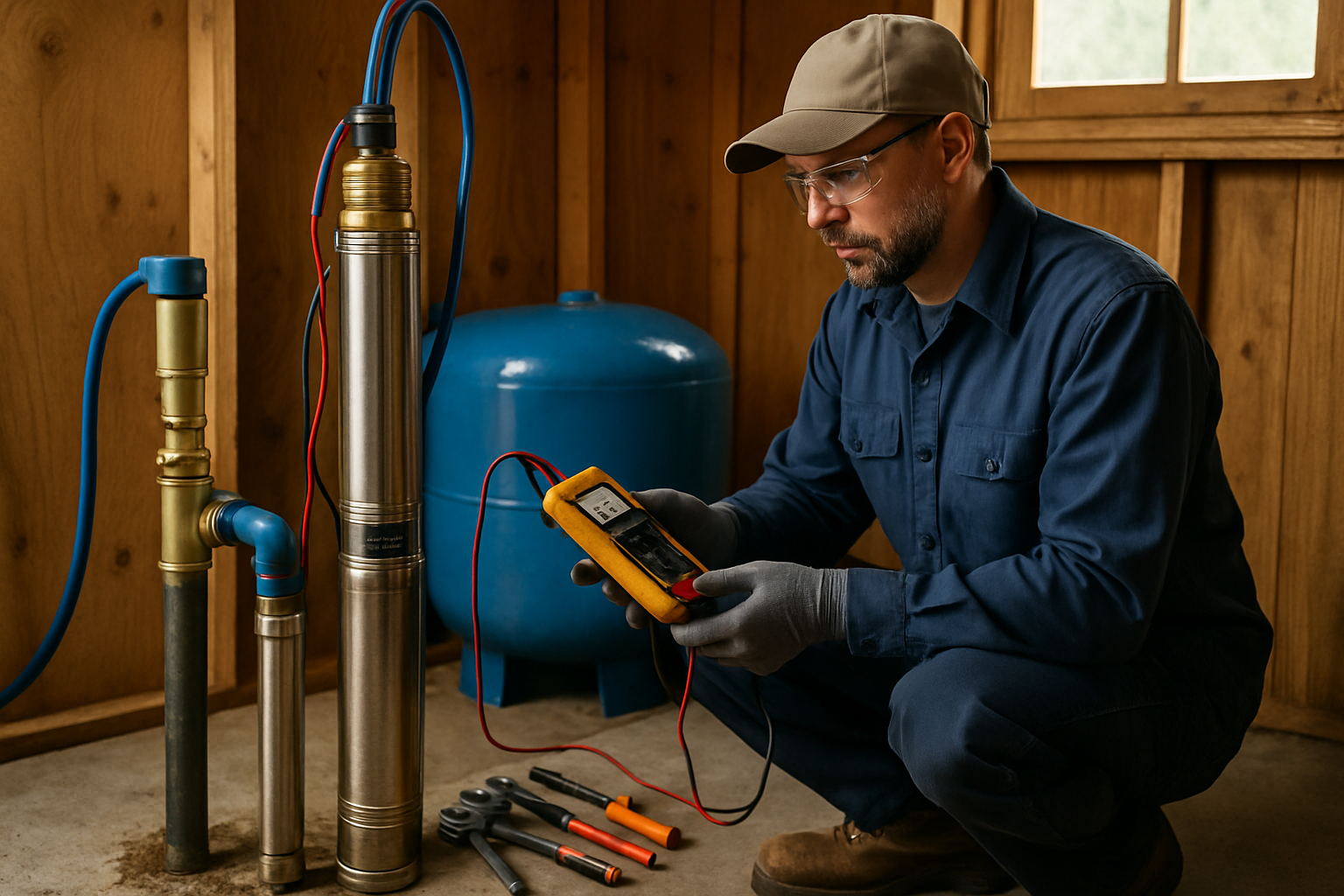
Signs Your Well Pump Is Failing
Catch pump problems early before you lose water completely.
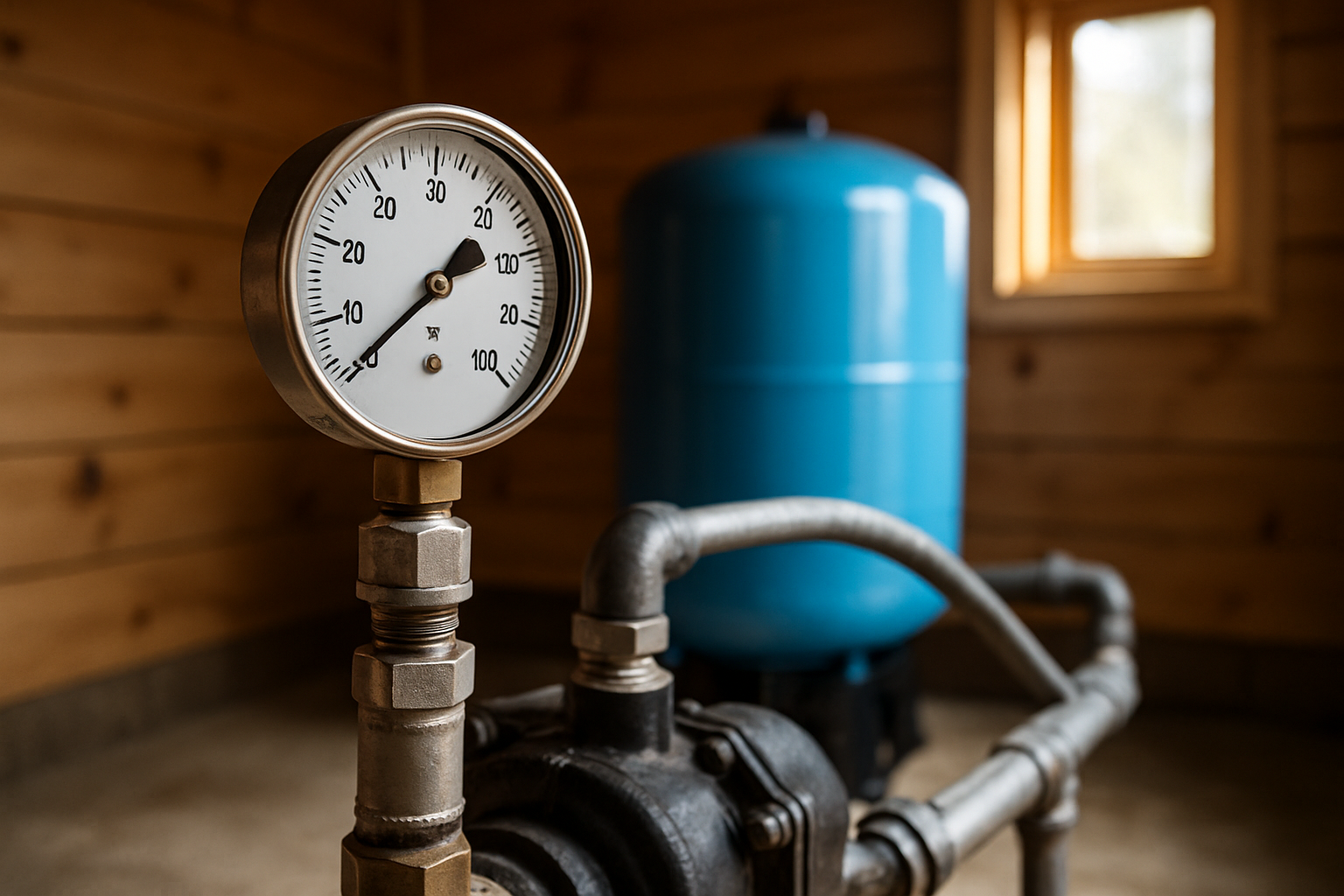
Low Water Pressure From Well
Diagnose and fix pressure problems before they get worse.
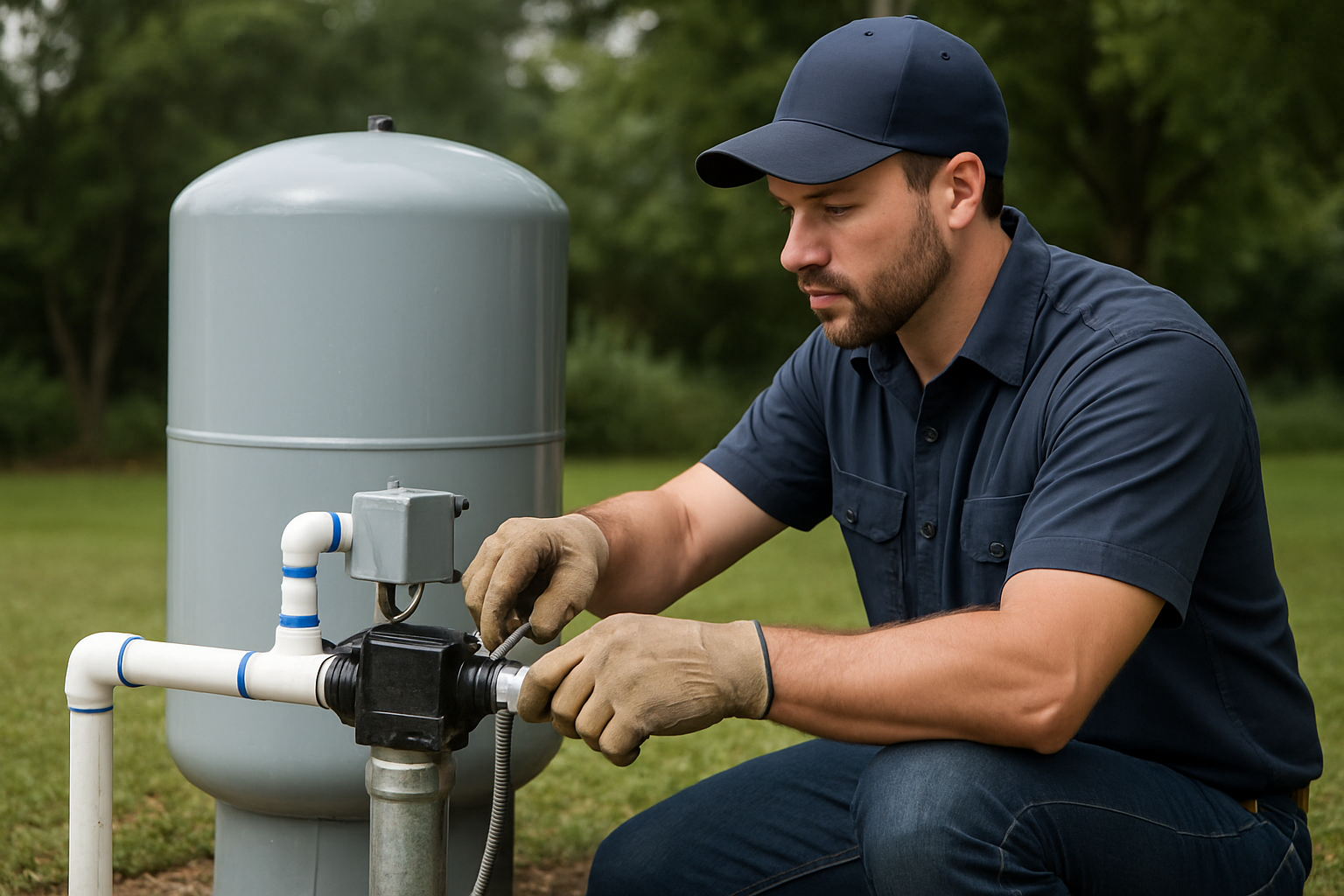
Well Maintenance Guide
Keep your well running smoothly with regular maintenance.
Our Locations
1077 Main St, Ramona, CA 92065
57174 CA-371 (US Hwy 79), Anza, CA 92539
Hydrofracturing for Wells in the San Dieguito Area
The San Dieguito region — the inland-to-coastal corridor that runs through Rancho Santa Fe, Olivenhain, and the hills above Encinitas, following the San Dieguito River toward the lagoon — is a tale of two geologies, and that matters enormously when you are deciding whether hydrofracturing will help your well. Up in the rolling hills and on the elevated parcels away from the valley floor, wells are typically completed in fractured granitic and metamorphic bedrock. Those are excellent hydrofracturing candidates. Down on the alluvial flats close to the river and its tributaries, wells often draw from loose sand, silt, and gravel deposited by the watercourse — and in that material, hydrofracturing has little to offer. Knowing which side of that line your property falls on is the first step.
For the many estate properties and ranchettes in the Rancho Santa Fe and Olivenhain hills that rely on private wells for irrigation, livestock, and household use, declining yield is a recurring frustration. The good news is that the same hard rock that makes drilling slow and expensive also makes these wells very responsive to high-pressure rehabilitation.
How Hydrofracturing Works in Fractured Rock
The technique is straightforward in concept. We seal off a section of the borehole with an inflatable packer, then inject clean water at controlled pressure — commonly 1,500 to 3,000 PSI. In bedrock, that pressure scours out the clay and mineral scale that have plugged the natural joints over the years and can widen those hairline cracks so groundwater flows more freely into the casing. A well can be treated at several depths in a single visit. There are no chemicals involved; it is purely water and pressure. We measure the well's output before and after so the improvement is documented rather than guessed.
Hills Versus the Valley Floor: Two Very Different Wells
Because San Dieguito straddles both settings, we pay close attention to where a well sits before recommending anything:
- Hillside and ridge-top wells in fractured granite: These are the strong candidates. If your well was drilled into hard rock and once produced more than it does now, the seams that feed it have probably silted up, and reopening them is often the most economical fix available.
- Valley-floor wells in river alluvium: Near the San Dieguito River and its low-lying margins, wells frequently tap sand and gravel rather than fractured rock. Hydrofracturing does not reopen "fractures" that were never there, so for these wells we are honest that a screen rehabilitation, a pump adjustment, or a different approach is usually more appropriate.
- Transitional parcels: Some properties sit where weathered rock and alluvium overlap. Here the well log and a flow test tell us which mechanism is limiting your water, and we recommend accordingly.
Common Causes of Low Yield Here
Beyond geology, several recurring issues affect San Dieguito wells. Mineral encrustation is common given the local groundwater chemistry, and it gradually narrows both the fractures in the formation and any screen openings. Long-term drought cycles lower the regional water table, so a well that was marginal to begin with starts running dry during the dry season. And on older properties, the well itself may simply be aging — the casing, the pump, and the pressure system all have finite lives. Part of our job is separating a true formation problem, which hydrofracturing can address, from an equipment problem, which it cannot.
What to Check Before You Call
- Find your well log if you can. It tells us the drilled depth and whether you are in rock or alluvium — the single most important factor.
- Watch the pump behavior: short, rapid cycling usually means a tank or switch problem, not the aquifer.
- Note the seasonal pattern: a well that only struggles in late summer points to water-table decline; a sudden loss points to mechanical failure.
- Check the pressure tank gauge against the switch setting, often 30/50 or 40/60 PSI.
- Look for sand or cloudiness in the water, which can indicate a screen or alluvial issue rather than a fracture issue.
When to Call a Professional
If the basic checks do not solve it, or if your yield has fallen steadily across several seasons, it is time for a professional assessment. Our diagnostic visit is $125 and is credited toward any work we perform, so the evaluation costs you nothing if you proceed. For properties that lose water entirely, we offer same-day emergency service — important for the livestock and irrigation needs common on San Dieguito acreage.
Realistic Cost Ranges
- Pressure switch replacement: $150–$350
- Pressure tank: $600–$1,500
- Pump replacement: $2,500–$5,500
- Sediment filtration: $300–$900
- Iron/manganese treatment or water softener: $1,500–$3,500
- Constant-pressure or booster system: $2,000–$4,500
- Hydrofracturing: $3,000–$8,000
- Well abandonment/decommissioning: $1,500–$5,000
- New well, turnkey: $18,000–$42,000
For a hillside bedrock well, hydrofracturing at $3,000–$8,000 is a fraction of the cost of a new well and is the logical first step. For a valley-floor alluvial well, the better value usually lies in the pump, tank, or filtration items above.
Serving the San Dieguito Area and Beyond
From our Ramona and Anza offices we serve the entire San Dieguito corridor — the hills of Rancho Santa Fe and Olivenhain, the slopes above Encinitas, and the surrounding inland communities — along with all of San Diego County. We will tell you plainly whether your particular well is a hydrofracturing candidate or whether your money is better spent elsewhere.
What the Process Looks Like Step by Step
When we treat a San Dieguito well, the day follows a predictable sequence so you know exactly what is happening. First we run a pre-treatment flow test to establish your current yield as a baseline number. Next, where the casing allows, we lower a downhole camera to inspect the casing condition and locate the productive fracture zones, which tells us where to aim the treatment. We then set the packer to isolate a target interval and inject clean water under controlled pressure, repeating at additional depths as needed. After the formation has been worked, we develop and surge the well to flush loosened sediment, then run a post-treatment flow test to confirm the gain. Finally you receive a documented before-and-after comparison. The whole job is usually completed in a single working day, with the verification test following within 24 to 48 hours once the well has stabilized.
Protecting Your Investment Afterward
Hydrofracturing is not a one-time miracle that lasts forever; it restores a well, and like any restoration it benefits from sensible care. In the San Dieguito area, where mineral content in the groundwater tends to encourage scaling, periodic flow testing helps you catch a gradual decline before it becomes a crisis. Matching your pump to the well's true sustainable yield prevents over-pumping that pulls the water level down and stresses the formation. Where iron, manganese, or hardness are present, appropriate treatment downstream keeps your household plumbing and fixtures from suffering the same encrustation that affects the well. We are glad to fold these recommendations into the results report so you have a maintenance roadmap rather than just a number.
Frequently Asked Questions
My well is up in the Rancho Santa Fe hills — is it a good candidate?
Usually yes. Hillside wells in this area are typically drilled into fractured granitic rock, which responds well to high-pressure treatment when yield has declined. A flow test and your well log confirm it.
My well is near the San Dieguito River — will hydrofracturing help?
Often not. Wells on the valley floor frequently draw from sand and gravel rather than fractured rock, and there are no rock fractures to reopen. We will recommend a more suitable approach, such as screen rehabilitation or pump work, in that case.
Are any chemicals used?
No. Only clean water under pressure is used. The process reopens natural fractures and is unrelated to oil-and-gas fracking.
How much improvement can I expect?
For suitable bedrock wells in San Diego County, a two- to fivefold yield increase is common. Results are always measured before and after.
How long does it take?
Most treatments take four to eight hours on site, with flow verification within a day or two.
How do I know which type of well I have?
Your well completion report is the best source, and a diagnostic visit settles it. We check depth, casing, and the driller's lithology notes before recommending anything.
Get an Honest Assessment for Your San Dieguito Well
Southern California Well Service is a licensed C-57 contractor founded in 2020, with 60+ years of family heritage. Whether you own a bedrock well in the hills or an alluvial well near the river, we will give you a straight answer. Call (760) 440-8520, text (760) 219-5877, or request a free estimate. Same-day emergency service is available.