

Hydrofracturing for Low-Yield Wells in San Marcos
While much of San Marcos is on city water, the rural edges of town — Twin Oaks Valley, Coronado Hills, the Questhaven and Elfin Forest fringe, and the estate and grove properties climbing toward the Merriam Mountains — still depend heavily on private wells. These San Diego County properties sit on weathered granitic bedrock, and their wells draw from fractures in that rock rather than from a deep sandy aquifer. When yield drops, the usual cause isn't a vanished water table but fractures that have silted up and scaled over. Hydrofracturing reopens those fractures with high-pressure clean water and, for most suitable wells, restores or improves flow at a fraction of the cost of a new well.
Why Twin Oaks Valley and San Marcos Wells Decline
A fractured-rock well is only as productive as the cracks its borehole happens to intersect. In the granitic hills around San Marcos, those cracks gradually lose capacity. Hard, mineral-rich groundwater leaves calcium and iron scale on the fracture walls. Fine decomposed-granite sediment washes into the openings closest to the borehole. And in this part of North County, demand is often high — many Twin Oaks Valley parcels run avocado or citrus, ornamental landscaping, and a household off a single well — so a fracture network that was marginal to begin with gets pushed past its limit during the dry season. The well that once kept the grove irrigated starts running thin by late afternoon and takes hours to recover overnight. It's worth understanding that this is a gradual, cumulative process rather than a sudden failure: each dry summer concentrates a little more mineral scale on the fracture faces, and each year of pumping draws a bit more fine sediment toward the borehole. By the time a homeowner notices the shortfall, the well has often been quietly losing capacity for years. The encouraging news is that the same fractures responsible for the decline can usually be cleaned and reopened, which is exactly what hydrofracturing is built to do.
How the Process Works
Hydrofracturing uses clean water only — no chemicals, despite what the name might suggest to anyone thinking of oil-and-gas fracking. After we pull your pump, we lower an inflatable packer to seal off a section of the well and inject water at roughly 1,500 to 3,000 PSI. That pressure flushes scale and sediment out of the existing fractures, widens them, and can split open tight seams that weren't producing, sometimes tying your borehole into a more productive fracture network nearby. We treat multiple zones down the length of the well. A typical San Marcos job runs four to eight hours, and the well is generally back online the same day or the next.
Is Your San Marcos Well a Candidate?
The technique fits wells finished in solid, fractured rock, which describes the great majority of wells in the San Marcos backcountry. Consider it if you notice:
- A well that produced more when it was newer and has slowly declined.
- Irrigation cycles that drain the well, followed by a long, slow recovery.
- A recently drilled well that hit rock but came in with disappointing flow.
- Reliable winter supply but recurring summer and drought-year shortages.
- A pump that pulls air or short-cycles once the water level drops under load.
The main exception is a well completed in loose valley-floor sand or alluvium, where fractures won't hold and hydrofracturing won't help. Those wells are uncommon in the granitic hills here, but we confirm the geology before recommending treatment.
Rule Out the Simple Stuff First
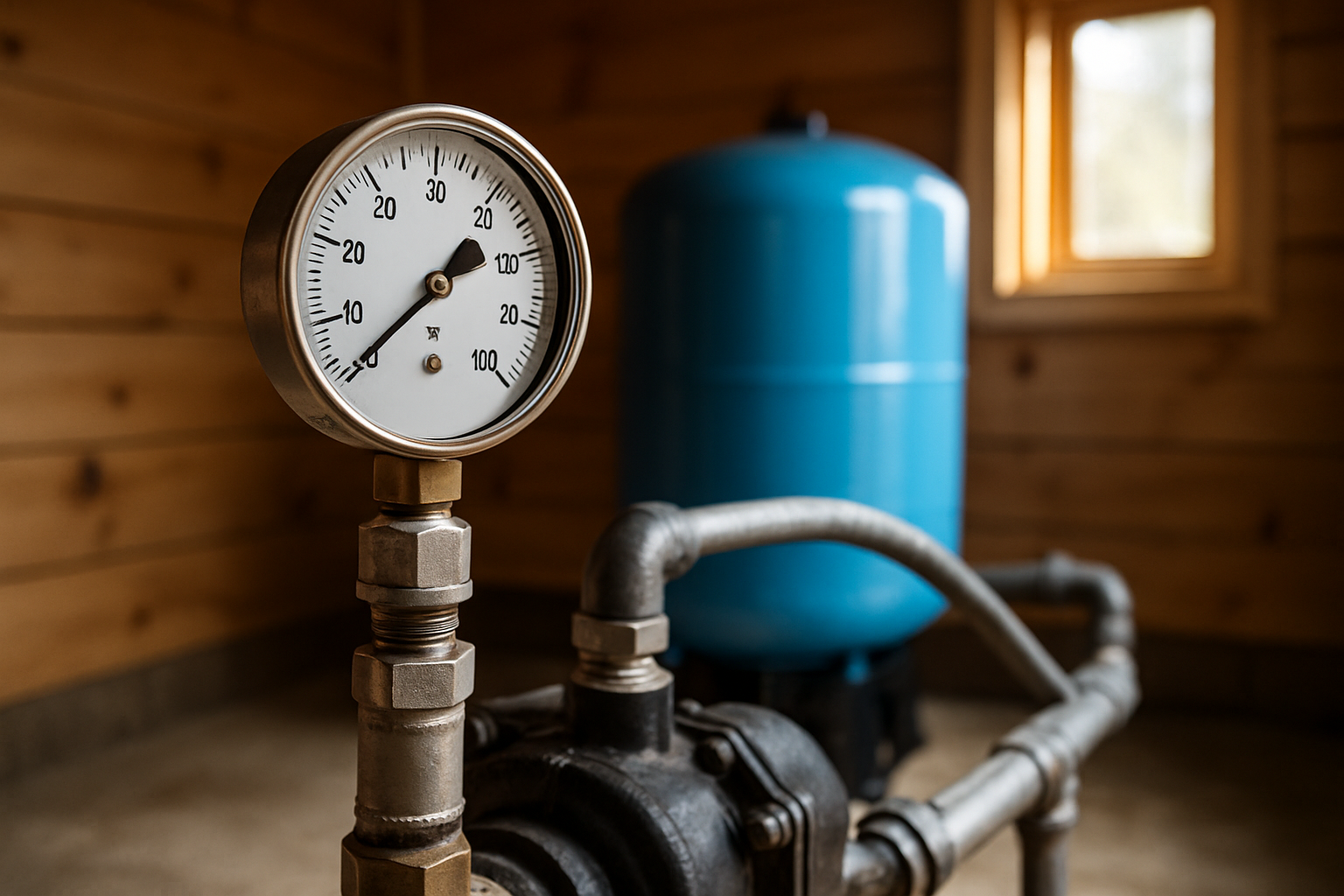
Low water at the tap doesn't always mean a low-yielding well. If pressure is weak everywhere all the time, the more likely culprit is a worn pump or a waterlogged pressure tank, not the aquifer. A true yield problem looks different: strong flow at first, then the well draws down under sustained use and needs hours to refill. Before booking a treatment, note when the trouble happens, which irrigation zones or fixtures trigger it, and check the pressure tank's air charge. A failing pressure switch is a $150 to $350 fix and worth ruling out before spending on hydrofracturing. Our $125 diagnostic visit — credited toward any work — sorts out which problem you actually have.
Cost Versus Drilling a New Well
In the San Marcos hills, a new well means hard-rock drilling plus a pump, pressure tank, electrical, and county permitting — typically $18,000 to $42,000 for a finished turnkey system, with no guarantee a fresh borehole finds better fractures than your current one. Hydrofracturing an existing well runs about $3,000 to $8,000. Across San Diego County's decomposed granite and fractured crystalline rock, we see improvements in roughly 70 to 80 percent of suitable wells, with typical gains of two to five times the prior flow rate. Given the modest cost and real upside, it's almost always worth trying before committing to a replacement well.
What to Expect From Start to Finish
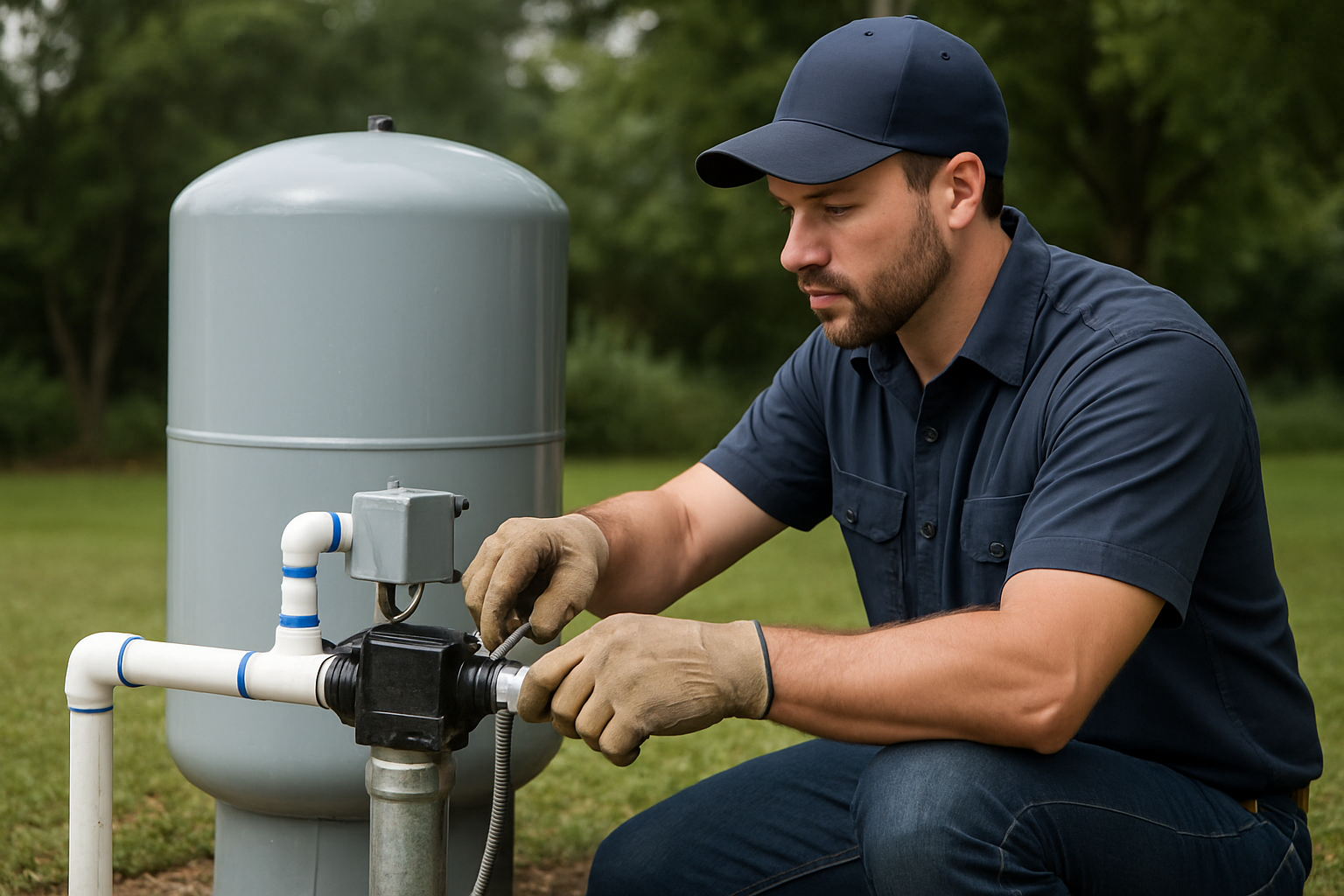
We start with the diagnostic visit and a baseline flow test, plus a downhole camera survey where the casing allows, to confirm the well is in rock and locate the best fracture zones. After hydrofracturing, we run a post-treatment flow test within 24 to 48 hours and give you a documented before-and-after comparison so the result is measured, not guessed. If the job surfaces a worn pump or failing tank, we quote those separately and transparently — a pressure tank is $600 to $1,500 and a submersible pump $2,500 to $5,500 — so you decide with the full picture. Most homeowners find that a single, well-targeted treatment resolves the shortage for years, restoring enough margin to get a household and its irrigation comfortably through the next dry season.
Serving San Marcos and North County San Diego
Southern California Well Service has worked on wells throughout North County San Diego since 2020, including Twin Oaks Valley, Coronado Hills, Questhaven, San Marcos, Escondido, and Vista. We're a licensed C-57 water well contractor (CSLB #1086994) with the high-pressure equipment hydrofracturing requires, and same-day emergency availability. Our Ramona office keeps a crew within easy reach of the San Marcos area, and we'll give you a straight assessment of whether hydrofracturing makes sense for your well before you spend anything.
Frequently Asked Questions
Does hydrofracturing use chemicals like oil-and-gas fracking?
No. Well hydrofracturing uses only clean water under pressure. There are no chemicals involved, so there's no contamination risk to your drinking water or irrigation supply.
Will it help my Twin Oaks Valley grove well keep up with irrigation?
Often, yes. If the well is finished in fractured rock and has lost yield to scale and sediment, hydrofracturing commonly restores two to five times the flow, which can make the difference for grove and landscape irrigation. We measure your flow before and after so you know exactly what you gained.
How long will my well be out of service?
A typical job takes four to eight hours, and the well is usually back in service the same day or the next morning once the pump is reinstalled and the water clears.
What are the odds it actually works?
In San Diego County's fractured granite, roughly 70 to 80 percent of suitable wells improve. Results depend on your specific rock, which is why we assess each well individually and document the before-and-after flow.
What if my well turns out to be a poor candidate?
We evaluate that during the diagnostic visit with a flow test and, where possible, a camera survey. If your well isn't a good fit — for example, if it's in loose alluvium — we'll tell you honestly and discuss alternatives rather than treat a well that won't respond.
How soon can you get to San Marcos?
We serve Twin Oaks Valley and the greater San Marcos area regularly and offer same-day emergency service. Call (760) 440-8520 or text (760) 219-5877 to schedule a visit.
Restore Your San Marcos Well's Output
If your well is falling short, hydrofracturing may bring it back for a fraction of a new well's cost. Hard-rock wells in the Twin Oaks Valley and Coronado Hills area frequently respond well, and restoring lost yield is almost always cheaper and faster than drilling again. Call Southern California Well Service at (760) 440-8520 or text (760) 219-5877 for an honest assessment and a free estimate on hydrofracturing your San Marcos well.