
Hydrofracturing Well Services in Shelter Valley, CA
Is your well in Shelter Valley producing less water than it used to? Hydrofracturing (also called hydrofracking) could be the solution to restore and even improve your well's water production without the expense of drilling a new well.
In This Guide
- What is Hydrofracturing?
- Signs Your Shelter Valley Well Needs Hydrofracturing
- The Hydrofracturing Process
- Cost vs. New Well Drilling in Shelter Valley
- Why Choose SCWS for Hydrofracturing?
- Related Articles
Southern California Well Service provides professional hydrofracturing services throughout San Diego County to help homeowners and property owners increase their well yield.
What is Hydrofracturing?
Hydrofracturing is a well rehabilitation technique that uses high-pressure water to clean and expand existing fractures in the bedrock surrounding your well. This process:
- Clears mineral deposits and sediment blocking water flow
- Opens new pathways for groundwater to reach your well
- Can increase well yield by 2-10 times in many cases
- Extends the life of your existing well
Unlike oil and gas fracking, well hydrofracturing uses only clean water—no chemicals are involved.
Signs Your Shelter Valley Well Needs Hydrofracturing
- Declining water production over time
- Well runs dry during peak usage
- Slow recovery rate after pumping
- Pump cycling on and off frequently
- Lower water pressure than previous years
The Hydrofracturing Process
- Initial Assessment: We evaluate your well's current yield and condition
- Equipment Setup: Specialized high-pressure equipment is positioned at your well
- Isolation: Packers seal off sections of the well for targeted treatment
- Pressurization: Water is pumped at 500-3,000 PSI to fracture bedrock
- Development: Well is cleaned and tested for improved yield
Cost vs. New Well Drilling in Shelter Valley
In Shelter Valley, drilling a new well can cost $15,000-$50,000+ depending on depth. Hydrofracturing typically costs a fraction of that—often $3,000-$8,000—making it an excellent first option before considering a new well.
Many Shelter Valley wells that appear to be "going dry" can be successfully rehabilitated through hydrofracturing, saving homeowners tens of thousands of dollars.
Why Choose SCWS for Hydrofracturing?
- Founded 2020 · 60+ Years Family Heritage: We've rehabilitated thousands of wells across Southern California
- Licensed C-57 Contractor. CSLB License #1086994. Fully licensed for well drilling and service in California
- Specialized Equipment: Professional-grade hydrofracturing equipment
- Free Estimates: We'll assess your well and provide honest recommendations
Need Help With Your Well in Shelter Valley?
Our expert technicians serve Shelter Valley and all of San Diego County with professional well services.
Related Articles
Continue learning about well maintenance and troubleshooting

Signs Your Well Pump Is Failing
Catch pump problems early before you lose water completely.
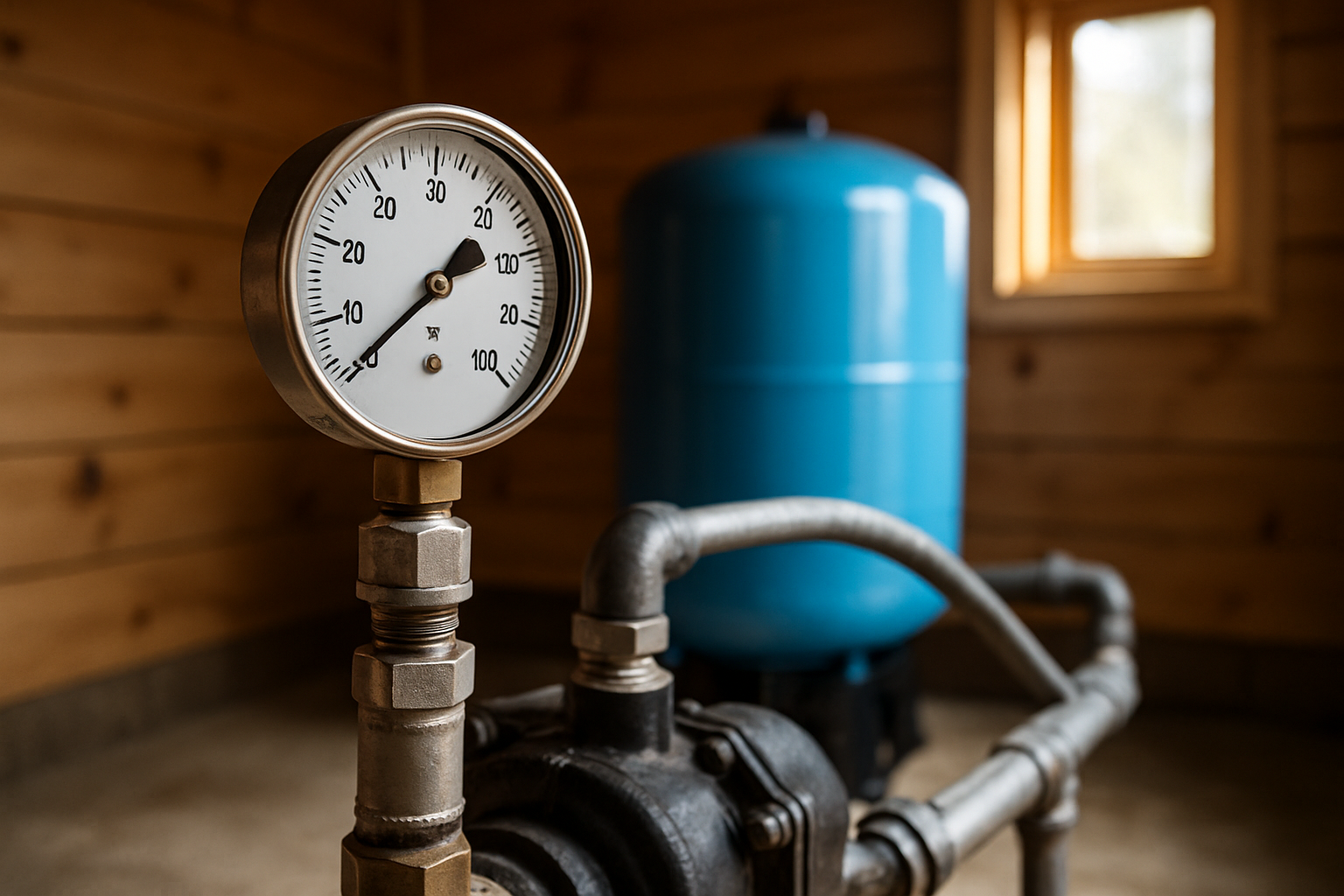
Low Water Pressure From Well
Diagnose and fix pressure problems before they get worse.
Well Maintenance Guide
Keep your well running smoothly with regular maintenance.
Our Locations
1077 Main St, Ramona, CA 92065
57174 CA-371 (US Hwy 79), Anza, CA 92539
Hydrofracturing for Desert-Edge Wells in Shelter Valley
Shelter Valley is one of those places where water tells the whole story. Tucked into the Shelter Valley Ranchos at roughly 2,500 feet, the community sits along County Route S2 near Scissors Crossing, right where the high desert runs up against the foot of the Laguna and Cuyamaca mountains and the western edge of Anza-Borrego Desert State Park. Most homes here are rural, off-grid-leaning homesteads, and almost everyone depends on a private well. When that well starts producing less than it used to, the worry is real, because there is no municipal main to fall back on. Hydrofracturing is one of the few tools that can sometimes restore a struggling well without the cost and uncertainty of drilling a brand-new one. But out here, whether it works comes down to a single question: what is your well actually drawing water from?
That question matters more in Shelter Valley than in almost any other part of San Diego County. The terrain is a mix of decomposed granite, broad alluvial fans washing down from the mountains, and fractured granitic bedrock where those mountains meet the valley floor. A well finished in solid, fractured rock at the mountain front is a very different animal from one screened in loose desert sand and gravel further out on the fan. The honest truth is that hydrofracturing helps the first kind a great deal and does almost nothing for the second. Before we ever recommend the treatment, we want to know which one you have.
What Hydrofracturing Actually Does
The process is mechanical, not chemical. We lower a set of inflatable packers into your well casing and inflate them to seal off a target section of the borehole. Then we pump clean water into that isolated zone at high pressure, commonly somewhere between 1,500 and 3,000-plus PSI. The pressure pushes into the natural fractures that already exist in the surrounding rock, flushing out the fine silt, clay, and mineral scale that have slowly choked them off, and nudging tight or partially closed fractures back open. The goal is to reconnect your borehole to the network of water-bearing cracks that the rock has held all along but stopped delivering. A typical job runs four to eight hours on site.
It is worth repeating, because the word "fracking" scares people: well hydrofracturing uses nothing but water. There are no chemicals, no sand proppants, no drilling muds injected into your aquifer. It is the same clean water you would pull out of the ground, just delivered with enough force to clear and widen the pathways the water travels through.
Bedrock or Alluvium: Who Is a Good Candidate Here
This is the part most articles skip, and it is the part that matters most in Shelter Valley. Hydrofracturing works by opening fractures, so it only helps wells that depend on fractures for their water. If your well is completed in the fractured granitic bedrock along the mountain front below the Lagunas and Cuyamacas, you are very likely a strong candidate. Those crystalline rocks do not have pore space the way sand does; they yield water almost entirely through cracks, and cracks are exactly what high-pressure water can clean out and reopen.
Wells screened in the loose desert sand, gravel, and alluvial fan material that blankets much of the valley are a different story. That kind of formation already moves water through the spaces between grains. There are no meaningful fractures to open, so pressurizing the borehole accomplishes little and can occasionally do more harm than good by mobilizing fines. We will tell you plainly if your well falls into this category, because spending several thousand dollars on a treatment that physically cannot help you is not something we are willing to set up.
How do you find out which one you have? Two things usually settle it. The first is your driller's log, the record made when the well was originally bored, which describes the materials the bit passed through and where the water came in. The second is a downhole video inspection, where we run a camera the length of the casing and borehole and look directly at whether your water is entering through visible fractures in rock or seeping out of granular sediment. Most homeowners do not have a copy of their log handy, and that is fine; the camera tells us what we need to know either way.
Why Bedrock Wells Lose Yield Over Time
If you have a good bedrock well that is slowly fading, there is usually a reason, and often more than one stacked together. Over years of pumping, fine sediment and dissolved minerals settle into and coat the fractures feeding your well, a slow silting process that narrows the openings until flow drops noticeably. In desert granite, fractures can also tighten or partially close under the natural stresses of the rock, especially as static water levels fall. And in a place like Shelter Valley, drought does real damage: a string of dry years drops the regional water table, so the same well that ran fine a decade ago now sits with its productive fractures partly above the water it used to reach. A dropping static level can make a perfectly healthy well behave like a dying one. Hydrofracturing addresses the fracture-silting and fracture-closure parts of that picture; it cannot make it rain, but by reopening and extending the fracture network it can often help a well pull from a larger volume of rock and ride out dry spells better.
What to Check and What to Expect
A proper hydrofracturing job in Shelter Valley is bracketed by testing, not just the dramatic high-pressure part in the middle. Here is the sequence we follow:
- Pre-treatment flow test. We measure your well's current yield and recovery so there is a hard baseline. Without a before number, "it seems better" is just a feeling.
- Video inspection. The downhole camera confirms whether you are in fractured bedrock, checks the condition of your casing, and pinpoints the fracture zones worth targeting.
- Hydrofracturing. Packers isolate the productive interval and we inject clean water at pressure, usually for four to eight hours depending on depth and how the formation responds.
- Treatment and cleanup as needed. The well is developed and flushed so the loosened fines come out rather than resettling.
- Post-treatment flow test. Typically within a day or two, we re-measure yield against the baseline so you can see exactly what changed.
Realistically, in fractured granitic rock like ours, the majority of suitable wells show improvement, often in the range of two to five times the pre-treatment flow. We will not promise a specific number in advance, because the rock decides that, but the before-and-after testing means you are never guessing.
When to Call a Professional
Hydrofracturing is not a do-it-yourself project, and a few situations call for picking up the phone sooner rather than later. If your well has lost flow gradually over several seasons, if your pump is short-cycling or running dry during normal use, if recovery after pumping has slowed, or if you are staring at a quote to drill a new well, get an assessment first. A new well should be the last resort in Shelter Valley, not the first. It is also worth calling before you spend money on a bigger pump to chase a problem that is really about the well's connection to the aquifer rather than the pump itself. A diagnostic visit sorts out which is which.
Realistic Costs and the New-Well Comparison
For most Shelter Valley properties, hydrofracturing runs about $3,000 to $8,000 depending on depth, access, and how much development the well needs. Drilling a new well in this terrain is a far heavier commitment, generally $18,000 to $42,000, and it comes with no guarantee that the new borehole hits better rock than the one you already own. If a pump replacement is also in the picture, a submersible pump typically runs $2,500 to $5,500. When you line those numbers up, the logic is clear: for a well completed in good fractured bedrock, hydrofracturing is the sensible first move, and even if it only partly restores yield it often buys years before a new well is ever worth discussing. The one case where we steer you away is the alluvial well, where neither hydrofracturing nor wishful thinking will change a formation that simply does not run on fractures.
Serving Shelter Valley and the East County Backcountry
Southern California Well Service has been working on wells across this region since 2020. We are a licensed C-57 contractor, and we regularly make the drive out to Shelter Valley and the rest of the eastern San Diego County backcountry, the remote desert and mountain-edge properties where reliable water is not a convenience but the whole basis of living there. We run two offices to keep response times reasonable: our Ramona office at 1077 Main St, Ramona, CA 92065, and our Anza office at 57174 CA-371 (US Hwy 79), Anza, CA 92539. We hold, offer same-day emergency service when a household has lost water, and credit the $125 diagnostic fee toward any work you decide to move forward with.
Frequently Asked Questions
Is my Shelter Valley well a good candidate for hydrofracturing?
It depends on your formation. Wells completed in fractured granitic bedrock at the mountain front respond well; wells screened only in loose desert sand and gravel generally do not. We assess this before recommending treatment.
How can I tell what my well is in?
A driller's log and a video inspection usually reveal whether your water comes from bedrock fractures or loose alluvium. We can review both during the diagnostic.
What does it cost?
Hydrofracturing generally runs $3,000-$8,000 versus $18,000-$42,000 for a new well; the $125 diagnostic is credited.
How long does it take?
About 4-8 hours on site, with a post-treatment flow test within a day or two.
Any chemicals involved?
No — only clean, high-pressure water opens existing fractures.
Do you travel to remote desert properties?
Yes — we serve Shelter Valley and the eastern San Diego County backcountry from our Ramona and Anza offices, with same-day emergencies.
Talk to a Well Specialist About Your Shelter Valley Property
If your well is fading, the worst thing you can do is wait until it quits completely. Let us measure what it is doing now, look down the borehole, and tell you honestly whether hydrofracturing makes sense for your formation. Call us at (760) 440-8520 or text (760) 219-5877 to schedule a diagnostic, and feel free to request a free estimate online. Same-day emergency service is available throughout Shelter Valley and the surrounding backcountry.