
Hydrofracturing Well Services in Silver Lakes, CA
Is your well in Silver Lakes producing less water than it used to? Hydrofracturing (also called hydrofracking) could be the solution to restore and even improve your well's water production without the expense of drilling a new well.
📋 In This Guide
- What is Hydrofracturing?
- Signs Your Silver Lakes Well Needs Hydrofracturing
- The Hydrofracturing Process
- Cost vs. New Well Drilling in Silver Lakes
- Why Choose SCWS for Hydrofracturing?
- Related Articles
Southern California Well Service provides professional hydrofracturing services throughout San Bernardino County to help homeowners and property owners increase their well yield.
What is Hydrofracturing?
Hydrofracturing is a well rehabilitation technique that uses high-pressure water to clean and expand existing fractures in the bedrock surrounding your well. This process:
- Clears mineral deposits and sediment blocking water flow
- Opens new pathways for groundwater to reach your well
- Can increase well yield by 2-10 times in many cases
- Extends the life of your existing well
Unlike oil and gas fracking, well hydrofracturing uses only clean water—no chemicals are involved.
Signs Your Silver Lakes Well Needs Hydrofracturing
- Declining water production over time
- Well runs dry during peak usage
- Slow recovery rate after pumping
- Pump cycling on and off frequently
- Lower water pressure than previous years
The Hydrofracturing Process
- Initial Assessment: We evaluate your well's current yield and condition
- Equipment Setup: Specialized high-pressure equipment is positioned at your well
- Isolation: Packers seal off sections of the well for targeted treatment
- Pressurization: Water is pumped at 500-3,000 PSI to fracture bedrock
- Development: Well is cleaned and tested for improved yield
Cost vs. New Well Drilling in Silver Lakes
In Silver Lakes, drilling a new well can cost $15,000-$50,000+ depending on depth. Hydrofracturing typically costs a fraction of that—often $3,000-$8,000—making it an excellent first option before considering a new well.
Many Silver Lakes wells that appear to be "going dry" can be successfully rehabilitated through hydrofracturing, saving homeowners tens of thousands of dollars.
Why Choose SCWS for Hydrofracturing?
- Founded 2020 · 60+ Years Family Heritage: We've rehabilitated thousands of wells across Southern California
- Licensed C-57 Contractor. CSLB License #1086994. Fully licensed for well drilling and service in California
- Specialized Equipment: Professional-grade hydrofracturing equipment
- Free Estimates: We'll assess your well and provide honest recommendations
Need Help With Your Well in Silver Lakes?
Our expert technicians serve Silver Lakes and all of San Bernardino County with professional well services.
Related Articles
Continue learning about well maintenance and troubleshooting

Signs Your Well Pump Is Failing
Catch pump problems early before you lose water completely.
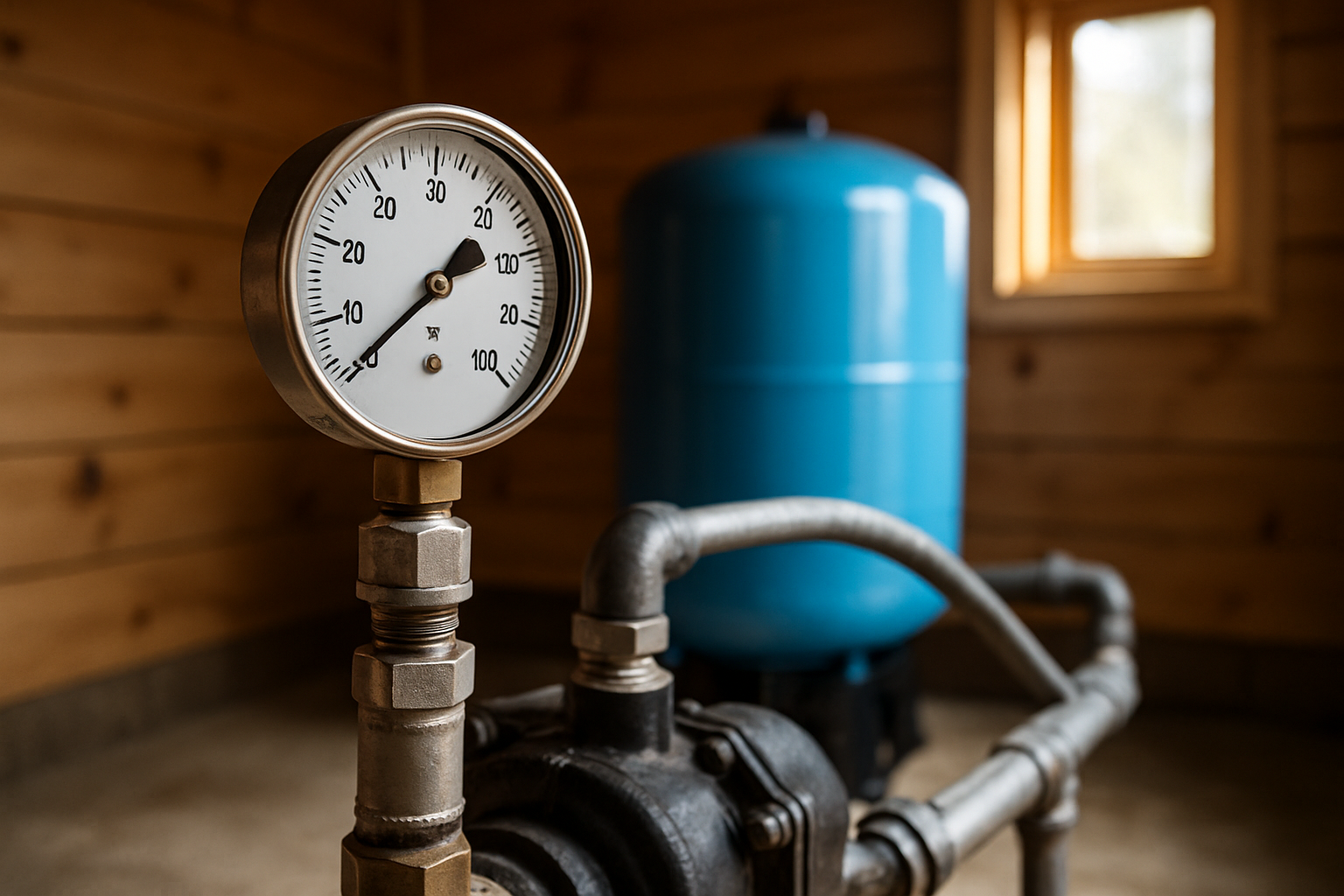
Low Water Pressure From Well
Diagnose and fix pressure problems before they get worse.
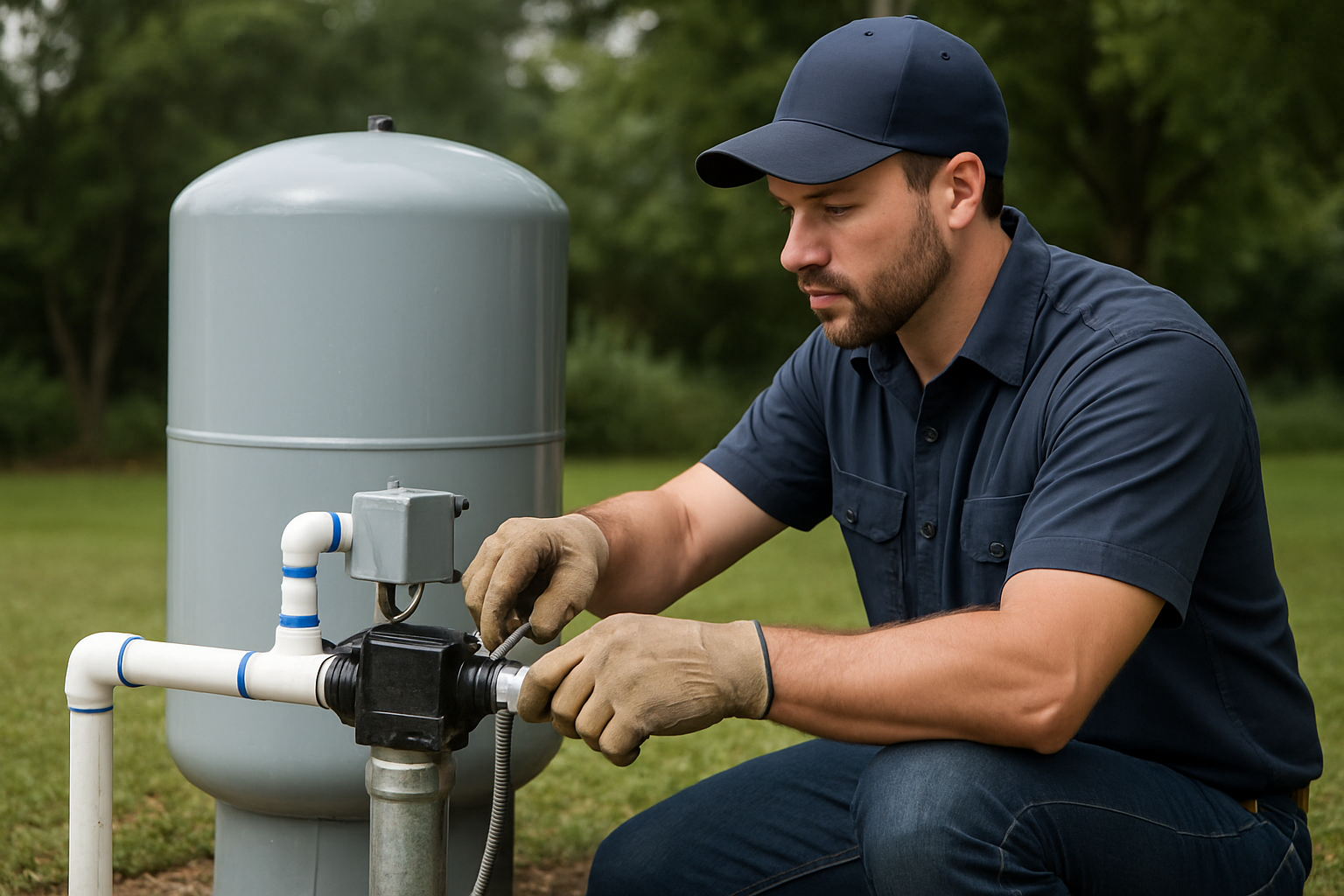
Well Maintenance Guide
Keep your well running smoothly with regular maintenance.
Our Locations
1077 Main St, Ramona, CA 92065
57174 CA-371 (US Hwy 79), Anza, CA 92539
Hydrofracturing in Silver Lakes: Where It Fits in the High Desert
Silver Lakes, known to the post office as Helendale, is a planned resort community in the Victor Valley region of the Mojave Desert, in San Bernardino County. Built in the early 1970s around two manmade lakes, North Lake and South Lake, it sits along historic Route 66 between Victorville and Barstow, west of Interstate 15. It is a desert community defined by a golf course, equestrian trails, and recreational water, with hot summers, cool winters, and very little rainfall. Understanding that desert setting is the key to whether hydrofracturing can do anything for a well here, and the honest answer for most Silver Lakes properties is: probably not much.
Southern California Well Service is a licensed C-57 well contractor (CSLB #1086994) serving the high desert and beyond. We would rather give you an accurate picture of your geology than sell a treatment that the ground will not reward. So this guide explains what hydrofracturing does, why the Mojave's deep alluvial aquifers usually make it a weak fit, and what tends to work better out here instead.
What Hydrofracturing Does
Hydrofracturing, or hydrofracking, increases the yield of a low-producing well by forcing clean water at high pressure, typically 1,000 to 3,000 PSI, into a sealed section of the borehole. The technique was designed for wells drilled into hard, fractured crystalline rock such as granite, where water seeps in only through natural cracks. The pressure cleans sediment and mineral scale from those fractures and opens new ones, expanding the network of water-bearing rock the well can draw from. It uses only water, no chemicals, and is completed in a single day inside the existing casing.
Why the Mojave Setting Usually Works Against It
The Victor Valley sits on a deep alluvial desert basin: thick layers of sand, gravel, and silt washed down from the surrounding mountains over geologic time, with groundwater held in those loose sediments rather than in cracked bedrock. Hydrofracturing has little to grip in that kind of formation, because there are no rigid fractures to open and the injected pressure simply dissipates into porous material. Most water wells in and around Silver Lakes are completed in the basin sediments, which means they are screened-and-gravel-packed wells, not open bedrock boreholes, and those are not hydrofracturing candidates.
There are exceptions. Where a well happens to be drilled into harder, fractured rock near the basin margins or bedrock outcrops, hydrofracturing can still help. But for the typical Silver Lakes lot drawing from the alluvial aquifer, the technique is the wrong tool, and we will tell you so rather than take the job.
What Tends to Help Instead in the High Desert
If your desert well is struggling, several remedies usually beat hydrofracturing for this geology:
- Well deepening: chasing a dropping water table deeper into the basin sediments often restores supply where the aquifer has declined.
- Screen and gravel-pack rehabilitation: a sand or alluvial well loses capacity as its screen clogs with fines and mineral incrustation; brushing, surging, and chemical-free redevelopment can recover much of that lost yield.
- A new, properly designed well: when an old well is at the end of its life, a modern screened well in the right zone is sometimes the most reliable answer.
- Water treatment: Mojave groundwater is often hard and high in dissolved minerals; if your real problem is quality rather than quantity, treatment is the right path.
When Hydrofracturing Does Apply
Hydrofracturing earns its keep on wells drilled into fractured granite and crystalline bedrock, the kind found in the mountains and foothills rather than in the open desert basin. If you own such a well, the signs that it is a candidate include declining yield versus the original driller's report, slow recovery after pumping, a disappointing flow on a newly drilled bedrock well, or seasonal shortages. For those wells, hydrofracturing succeeds in roughly 70 to 80 percent of cases, often multiplying flow two to five times.
Alluvial Wells Versus Bedrock Wells: Why the Difference Matters
The single most important fact for any Silver Lakes well owner is whether the well draws from loose basin sediment or from solid rock, because almost every decision flows from that distinction. An alluvial well, the common type here, relies on a slotted screen surrounded by a gravel pack; water seeps from the surrounding sand and gravel through the screen and into the casing. When such a well slows down, the cause is usually a clogged screen, an incrusted gravel pack, or a water table that has dropped below the screen, and the cures are mechanical rehabilitation or deepening. A bedrock well is fundamentally different: it is often an open hole in granite below the casing, taking water through cracks in the rock, and that is the only type hydrofracturing can improve.
This is why the very first thing we do is read your well completion report. It tells us the depth, the casing and screen details, and the formations the driller logged. From that single document we can usually tell you, before ever visiting, whether your well is even in the category that hydrofracturing serves. In the Victor Valley, the report most often points to an alluvial completion, which steers the conversation toward deepening and screen work rather than high-pressure treatment.
Living With a Desert Aquifer
Desert groundwater management is its own discipline. Recharge is slow because rainfall is scarce, water levels can decline over the years as the basin is drawn down, and dissolved-mineral content tends to run high. None of that is solved by hydrofracturing. It is solved by sizing your pump correctly, setting it at the right depth, maintaining the well on a sensible schedule, and treating the water for hardness or specific contaminants when needed. A contractor who understands the Mojave will talk to you about all of those levers, not just one headline technique.
The Process, Step by Step
- Diagnostic and flow test. We confirm the well is in suitable bedrock and measure baseline yield. The $125 diagnostic is credited toward the work if you proceed.
- Pump removal. The pump and drop pipe come out so the borehole is accessible.
- Camera inspection. A downhole video checks the casing and identifies fracture zones.
- Packer isolation. An inflatable packer concentrates pressure on the target zone.
- High-pressure injection. Clean water at 1,000 to 3,000 PSI clears and opens fractures.
- Redevelopment and re-test. The well is flushed, the pump reset, and a new flow test records the result.
On-site work generally runs four to eight hours.
What to Check Before You Call
- Is your well in alluvium or bedrock? The driller's report tells you. Alluvial wells point to deepening or screen work, not hydrofrac.
- How deep is the well, and how has the water level changed? A falling table favors deepening.
- Has the pump been ruled out? A worn pump or pressure switch mimics low yield cheaply.
- Is the screen or casing the limiting factor? Rehabilitation may restore an alluvial well.
When to Call a Professional
Call us when your desert well's output drops, when you are weighing deepening versus a new well, or when you want an honest assessment of which method matches your geology. We will not push hydrofracturing on an alluvial well where it cannot help.
Realistic Cost Ranges
- Hydrofracturing: $3,000 to $8,000 (bedrock wells only).
- Pump replacement: $2,500 to $5,500.
- Pressure switch: $150 to $350.
- Pressure tank: $600 to $1,500.
- New well, turnkey: $18,000 to $42,000.
- Well deepening: varies with depth and formation.
- Diagnostic visit: $125, credited toward work performed.
Serving Silver Lakes, Helendale, and the Victor Valley
From our offices in Ramona (1077 Main St) and Anza (57174 CA-371 (US Hwy 79)), Southern California Well Service serves Silver Lakes, Helendale, and the wider Victor Valley, including Adelanto, Victorville, and the Barstow corridor. We are a licensed C-57 contractor founded in 2020, with 60+ years of family heritage, same-day emergency service.
Frequently Asked Questions
Will hydrofracturing help my Silver Lakes well? Usually not. Most wells here draw from alluvial desert basin sediments, where hydrofracturing has little effect. Deepening or screen rehabilitation is typically the better fit.
When does hydrofracturing work? Only on wells drilled into fractured granite or crystalline bedrock.
My well's water level has dropped. What helps? Deepening the well or, in some cases, a new well in a better zone.
Does the process use chemicals? No. Hydrofracturing uses clean, high-pressure water only.
What about hard, mineral-heavy water? That is a treatment question, not a yield question. A treatment system is the answer.
How much does a new desert well cost? Turnkey, generally $18,000 to $42,000 depending on depth and design.
Talk to Us
For an honest assessment of your Silver Lakes or Victor Valley well, call (760) 440-8520 or text (760) 219-5877. We will match the method to your geology, whether that is deepening, rehabilitation, a new well, or treatment.