
Hydrofracturing Well Services in Sky Valley, CA
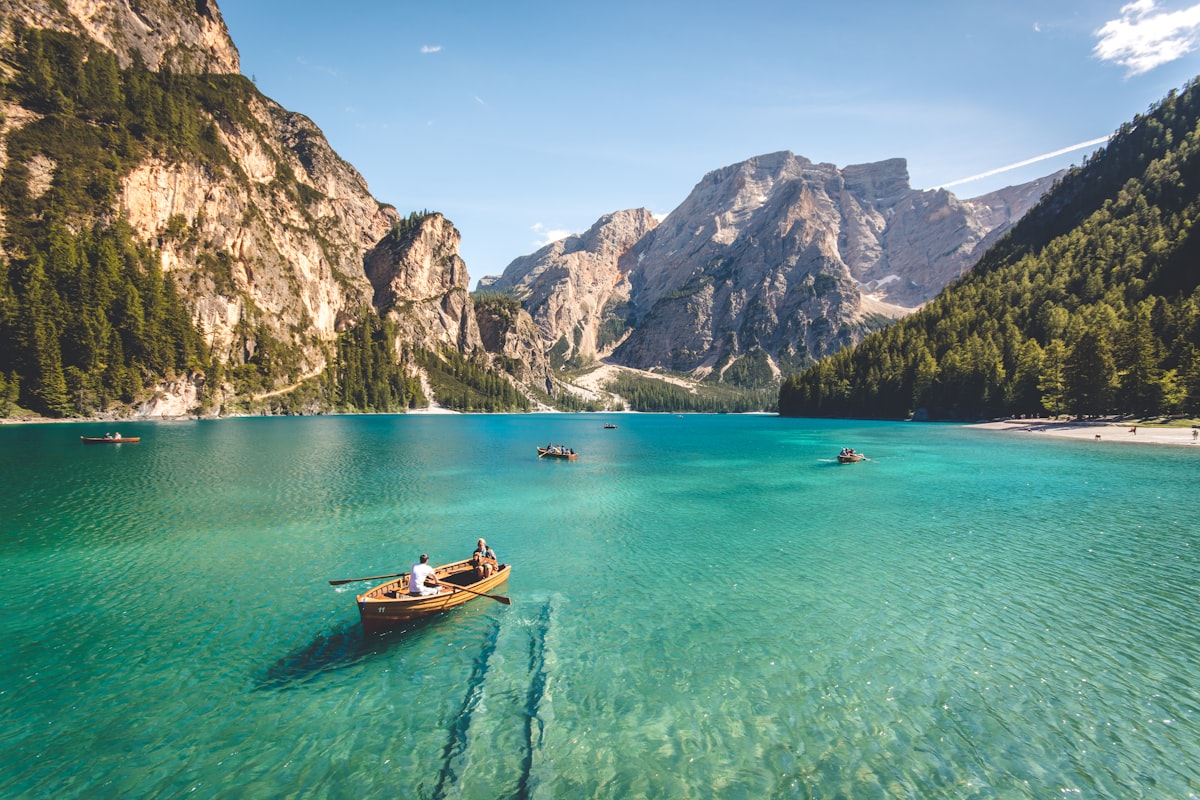
Is your well in Sky Valley producing less water than it used to? Hydrofracturing (also called hydrofracking) could be the solution to restore and even improve your well's water production without the expense of drilling a new well.
📋 In This Guide
- What is Hydrofracturing?
- Signs Your Sky Valley Well Needs Hydrofracturing
- The Hydrofracturing Process
- Cost vs. New Well Drilling in Sky Valley
- Why Choose SCWS for Hydrofracturing?
- Related Articles
Southern California Well Service provides professional hydrofracturing services throughout Riverside County to help homeowners and property owners increase their well yield.
What is Hydrofracturing?
Hydrofracturing is a well rehabilitation technique that uses high-pressure water to clean and expand existing fractures in the bedrock surrounding your well. This process:
- Clears mineral deposits and sediment blocking water flow
- Opens new pathways for groundwater to reach your well
- Can increase well yield by 2-10 times in many cases
- Extends the life of your existing well
Unlike oil and gas fracking, well hydrofracturing uses only clean water—no chemicals are involved.
Signs Your Sky Valley Well Needs Hydrofracturing
- Declining water production over time
- Well runs dry during peak usage
- Slow recovery rate after pumping
- Pump cycling on and off frequently
- Lower water pressure than previous years
The Hydrofracturing Process
- Initial Assessment: We evaluate your well's current yield and condition
- Equipment Setup: Specialized high-pressure equipment is positioned at your well
- Isolation: Packers seal off sections of the well for targeted treatment
- Pressurization: Water is pumped at 500-3,000 PSI to fracture bedrock
- Development: Well is cleaned and tested for improved yield
Cost vs. New Well Drilling in Sky Valley
In Sky Valley, drilling a new well can cost $15,000-$50,000+ depending on depth. Hydrofracturing typically costs a fraction of that—often $3,000-$8,000—making it an excellent first option before considering a new well.
Many Sky Valley wells that appear to be "going dry" can be successfully rehabilitated through hydrofracturing, saving homeowners tens of thousands of dollars.
Why Choose SCWS for Hydrofracturing?
- Founded 2020 · 60+ Years Family Heritage: We've rehabilitated thousands of wells across Southern California
- Licensed C-57 Contractor. CSLB License #1086994. Fully licensed for well drilling and service in California
- Specialized Equipment: Professional-grade hydrofracturing equipment
- Free Estimates: We'll assess your well and provide honest recommendations
Need Help With Your Well in Sky Valley?
Our expert technicians serve Sky Valley and all of Riverside County with professional well services.
Related Articles
Continue learning about well maintenance and troubleshooting

Signs Your Well Pump Is Failing
Catch pump problems early before you lose water completely.
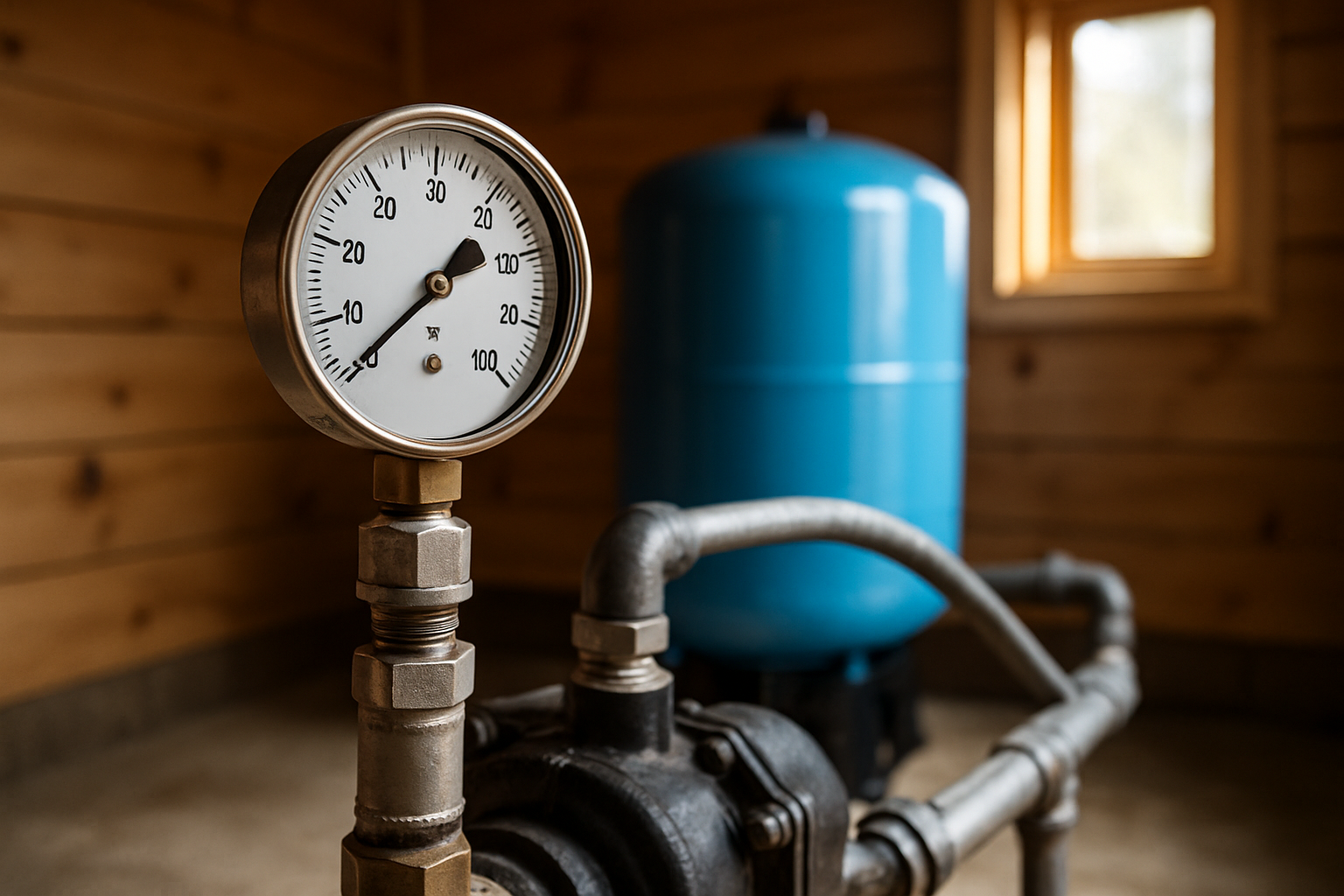
Low Water Pressure From Well
Diagnose and fix pressure problems before they get worse.
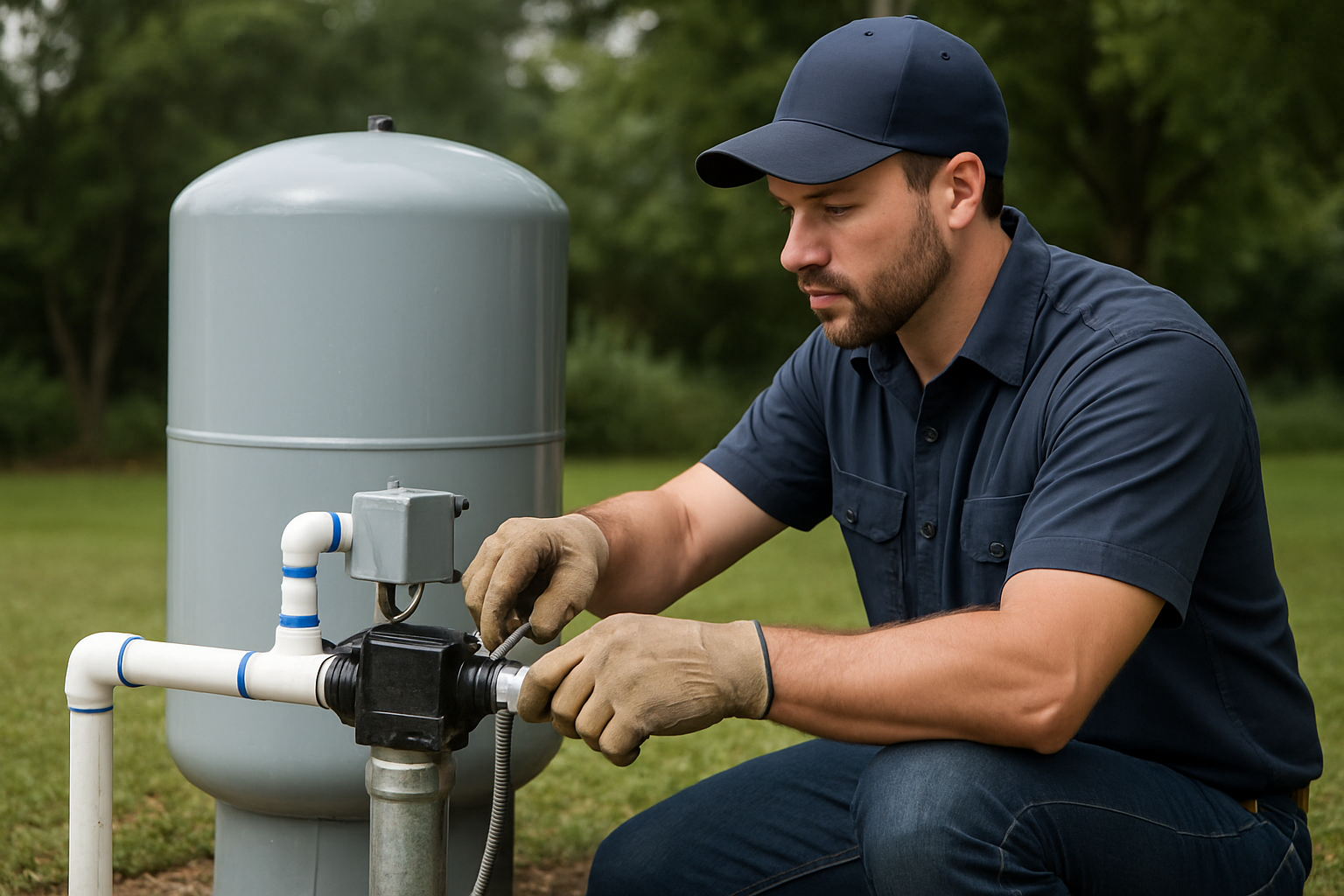
Well Maintenance Guide
Keep your well running smoothly with regular maintenance.
Our Locations
1077 Main St, Ramona, CA 92065
57174 CA-371 (US Hwy 79), Anza, CA 92539
Hydrofracturing in Sky Valley: What Desert Well Owners Should Know First
Sky Valley sits in the open desert of Riverside County, tucked into the Coachella Valley between Desert Hot Springs, the Indio Hills, Thousand Palms, and the resort corridor of Palm Springs and Palm Desert to the southwest. It is an unincorporated community where a large share of homes draw their water from private wells rather than a municipal pipeline. If your well has been giving you less water than it used to, you have probably come across "hydrofracturing" and wondered whether it is the fix. We want to give you a straight answer, even when that answer is not the one that sells the most jobs.
Here is the honest version up front: in most of Sky Valley, hydrofracturing is usually the wrong tool. It is a rock-fracturing technique, and the ground beneath Sky Valley is not the fractured bedrock it was designed for. Below we explain why, and then we walk through the methods that actually do solve declining-yield and water-quality problems in a deep alluvial desert basin like this one.
The Geology Under Sky Valley: A Deep Basin of Sand and Gravel
The Coachella Valley groundwater basin is part of the Salton Trough, a long structural depression that has been filling with sediment for a very long time. Underneath Sky Valley you will not find solid rock near the water table. Instead there are thousands of feet of unconsolidated sand, gravel, silt, and clay washed down from the surrounding mountains over geologic time. The San Andreas fault system runs through the area and divides the basin into subbasins, including the Mission Creek and Desert Hot Springs subbasins that influence groundwater near Sky Valley.
What this means for your well is simple. Local wells are completed in loose alluvium, not in cracked granite. Regional public-supply wells in the valley commonly run somewhere between roughly 490 and 900 feet deep, and private desert wells out here are also drilled deep to reach reliable sand-and-gravel water-bearing zones. The aquifer holds water in the spaces between grains of sand and gravel, and water moves toward your well through that porous material rather than through fractures in stone.
One more local reality matters: the Coachella Valley has experienced declining groundwater levels and even land subsidence in places where pumping has outpaced natural recharge. A well that is "losing water" out here is very often a well whose static water level has simply dropped below where it used to sit, not a well that is plugged into bedrock fractures that need reopening.
How Hydrofracturing Actually Works and Why It Does Not Fit Here
Hydrofracturing for water wells is borrowed from hard-rock country. In places like the granite foothills, a well is drilled into solid crystalline bedrock, and the water it produces seeps in through thin natural cracks. Over years those cracks can clog, or a well may simply intersect too few of them. A crew isolates a zone with inflatable packers and pushes clean water down the hole at high pressure, often well over a thousand PSI, to widen and clean existing fractures and connect the borehole to more of them. In the right rock, yield can jump several times over.
The key phrase is in the right rock. Hydrofracturing needs brittle, fractured stone that will hold an open crack once pressure opens it. Sky Valley's aquifer is sand and gravel. Pump high-pressure water into loose sediment and you do not create durable new flow paths; the material simply shifts, the pressure dissipates into the formation, and any disturbance closes back up as grains resettle. There is nothing rigid to fracture and nothing to keep a fracture propped open. That is why hydrofracturing has a strong track record in granite country and a poor one in deep desert basins like the Coachella Valley.
We will not sell you a service that the geology says is unlikely to help. If a contractor offers to "frac" a sand-and-gravel desert well, ask them what formation they expect to fracture. The candid answer for Sky Valley is that there usually is not one.
What Really Goes Wrong With Sky Valley Desert Wells
The good news is that the problems desert well owners actually face have well-proven solutions. Here are the common culprits we see around Sky Valley, Desert Hot Springs, and the Indio Hills.
- A declining static water level. As regional groundwater drops, the water table can fall below your pump or below the most productive part of your screen. The well is not broken; the water has moved deeper.
- Sand pumping. Wells in alluvium can begin pulling fine sand once a screen wears, a gravel pack settles, or the pump sits too close to the formation. Sand chews up pump impellers, fills pressure tanks, and clouds your water.
- Mineral-rich water. Desert groundwater is frequently hard and can carry iron, manganese, and dissolved minerals. These cause staining, scale, and that metallic taste, and over time mineral incrustation can clog the well screen itself.
- A pump set too high. A pump that was perfectly placed years ago may now sit above or near the falling water level, causing it to break suction, cycle rapidly, draw air, and run dry during peak demand.
- Biofouling and incrustation. Bacteria and mineral buildup can coat the screen and gravel pack, slowly choking off the flow even when there is plenty of water in the aquifer.
The Right Fixes for a Deep Alluvial Aquifer
Instead of fracturing rock that is not there, these are the remedies that genuinely restore desert wells in the Sky Valley area.
- Well deepening. If your static water level has fallen, deepening the existing borehole to chase the water table can bring a tired well back to life. This is often the single most relevant fix in a basin with declining groundwater.
- A new, deeper well. When an old well is too shallow, badly cased, or collapsing, drilling a new well into a deeper, more reliable sand-and-gravel zone is the durable answer. It costs more, but it is the long-term solution where deepening is not practical.
- Well and screen rehabilitation. Mechanical and chemical redevelopment can clear sand, break up mineral incrustation, and remove biofouling from the screen and gravel pack, often recovering much of a well's lost capacity at a fraction of new-well cost.
- Proper pump setting. Lowering the pump to the correct depth for today's water level, or resizing it, frequently fixes "running dry," short-cycling, and air-spitting faucets.
- Water treatment. Sediment filtration handles sand and silt; softeners and iron/manganese systems tackle the hardness and metals common in desert groundwater, protecting your plumbing and improving taste.
What to Check Before You Call Anyone
A few observations will help you and your contractor zero in on the real problem.
- When did the flow change? A gradual decline over seasons points to a falling water level or a fouling screen. A sudden loss points more often to the pump, pressure switch, or wiring.
- Is the water cloudy or gritty? Sand or sediment suggests screen or gravel-pack issues, or a pump set too low into fine material.
- Does the pump short-cycle or spit air? Rapid on-off cycling and sputtering faucets often mean the pump is breaking suction as the water level drops.
- Do you know your well's depth and pump setting? Old drilling or pump records are gold. They tell us how much room there may be to lower a pump or deepen the hole.
- Any staining or scale? Rust-colored stains, blue-green tints, or chalky scale point to iron, manganese, or hardness that treatment can address.
When to Call a Licensed Professional
Call a licensed C-57 well contractor when you notice a steady drop in yield, recurring sand, water that suddenly looks or tastes different, a pump that will not keep up during summer demand, or any sign the casing is failing. Diagnosing a deep desert well safely means measuring the static and pumping water levels, running a flow test, and often putting a downhole camera into the borehole. These are not do-it-yourself tasks, and guessing wrong can turn an inexpensive fix into an expensive one. An honest assessment also protects you from paying for a treatment, like hydrofracturing, that the geology says will not work.
Realistic Cost Ranges in the Sky Valley Area
Every well is different, but these ranges give you a grounded starting point for the desert-basin solutions that matter most here.
- Drilling a new turnkey well: roughly $18,000 to $42,000 depending on depth, casing, and completion. In a deep basin like this, expect the higher end for a reliable deep well.
- Pump replacement: about $2,500 to $5,500, depending on depth, horsepower, and wiring.
- Pressure tank: roughly $600 to $1,500.
- Pressure switch: about $150 to $350.
- Sediment filtration: roughly $300 to $900 for sand and silt control.
- Iron/manganese filtration or a water softener: about $1,500 to $3,500.
- Constant-pressure or booster system: roughly $2,000 to $4,500.
- Well or screen rehabilitation: priced by the work needed; far less than a new well in most cases.
- Abandonment or decommissioning of an old well: roughly $1,500 to $5,000.
- Hydrofracturing (for completeness only): typically $3,000 to $8,000 where it is appropriate, which in Sky Valley's alluvium it usually is not.
We charge a $125 diagnostic fee that is credited toward any work you choose to have done, so the assessment pays for itself.
Serving Sky Valley and the Surrounding Desert
Southern California Well Service helps well owners across the Coachella Valley desert, including Sky Valley, Desert Hot Springs, Thousand Palms, Indio Hills, and the communities reaching toward Palm Springs and Palm Desert. We are a licensed C-57 contractor (CSLB License #1086994) founded in 2020, with 60+ years of family heritage we offer same-day emergency service when you are out of water. We work from our Ramona office at 1077 Main St, Ramona, CA 92065, and our Anza office at 57174 CA-371 (US Hwy 79), Anza, CA 92539.
Frequently Asked Questions
Is hydrofracturing right for a Sky Valley desert well?
Usually no. Hydrofracturing fractures solid rock, and Sky Valley wells are completed in loose desert sand and gravel, not bedrock. There is generally nothing to fracture, so the technique rarely produces lasting gains here. Deepening, rehabilitation, a deeper new well, or correct pump setting are almost always the better answers.
My well produces less water than it used to. What is the most likely cause?
In this basin it is most often a falling static water level combined with a pump set too high, or a screen that has fouled with sand or mineral incrustation. Measuring the water level and running a flow test tells us which it is.
Should I deepen my existing well or drill a new one?
If the existing borehole is sound and there is productive sand and gravel below, deepening is usually cheaper and faster. If the casing is failing or the well is too shallow for today's water table, a new deeper well is the durable choice.
Why does my desert water stain fixtures and taste metallic?
Coachella Valley groundwater is often hard and can carry iron and manganese. A softener or an iron/manganese filtration system removes the minerals responsible for staining, scale, and off taste.
Can you get the sand out of my water?
Often yes. Sediment usually traces to a worn screen, settled gravel pack, or a pump set too low. We can rehabilitate the well and, where needed, add sediment filtration so the grit stops reaching your house.
Do you charge for an assessment?
We charge a $125 diagnostic fee, and we credit it toward any work you decide to have us do. That gives you an honest, professional evaluation with no pressure.
Talk to a Desert Well Specialist Today
If your Sky Valley well is struggling, get a straight diagnosis before spending money on the wrong fix. Call us at (760) 440-8520 or tap here to call, or send a text message and we will help you figure out what your well actually needs.