
Hydrofracturing Well Services in South Park, CA
Is your well in South Park producing less water than it used to? Hydrofracturing (also called hydrofracking) could be the solution to restore and even improve your well's water production without the expense of drilling a new well.
📋 In This Guide
- What is Hydrofracturing?
- Signs Your South Park Well Needs Hydrofracturing
- The Hydrofracturing Process
- Cost vs. New Well Drilling in South Park
- Why Choose SCWS for Hydrofracturing?
- Related Articles
Southern California Well Service provides professional hydrofracturing services throughout San Diego County to help homeowners and property owners increase their well yield.
What is Hydrofracturing?
Hydrofracturing is a well rehabilitation technique that uses high-pressure water to clean and expand existing fractures in the bedrock surrounding your well. This process:
- Clears mineral deposits and sediment blocking water flow
- Opens new pathways for groundwater to reach your well
- Can increase well yield by 2-10 times in many cases
- Extends the life of your existing well
Unlike oil and gas fracking, well hydrofracturing uses only clean water—no chemicals are involved.
Signs Your South Park Well Needs Hydrofracturing
- Declining water production over time
- Well runs dry during peak usage
- Slow recovery rate after pumping
- Pump cycling on and off frequently
- Lower water pressure than previous years
The Hydrofracturing Process
- Initial Assessment: We evaluate your well's current yield and condition
- Equipment Setup: Specialized high-pressure equipment is positioned at your well
- Isolation: Packers seal off sections of the well for targeted treatment
- Pressurization: Water is pumped at 500-3,000 PSI to fracture bedrock
- Development: Well is cleaned and tested for improved yield
Cost vs. New Well Drilling in South Park
In South Park, drilling a new well can cost $15,000-$50,000+ depending on depth. Hydrofracturing typically costs a fraction of that—often $3,000-$8,000—making it an excellent first option before considering a new well.
Many South Park wells that appear to be "going dry" can be successfully rehabilitated through hydrofracturing, saving homeowners tens of thousands of dollars.
Why Choose SCWS for Hydrofracturing?
- Founded 2020 · 60+ Years Family Heritage: We've rehabilitated thousands of wells across Southern California
- Licensed C-57 Contractor. CSLB License #1086994. Fully licensed for well drilling and service in California
- Specialized Equipment: Professional-grade hydrofracturing equipment
- Free Estimates: We'll assess your well and provide honest recommendations
Need Help With Your Well in South Park?
Our expert technicians serve South Park and all of San Diego County with professional well services.
Related Articles
Continue learning about well maintenance and troubleshooting

Signs Your Well Pump Is Failing
Catch pump problems early before you lose water completely.
Low Water Pressure From Well
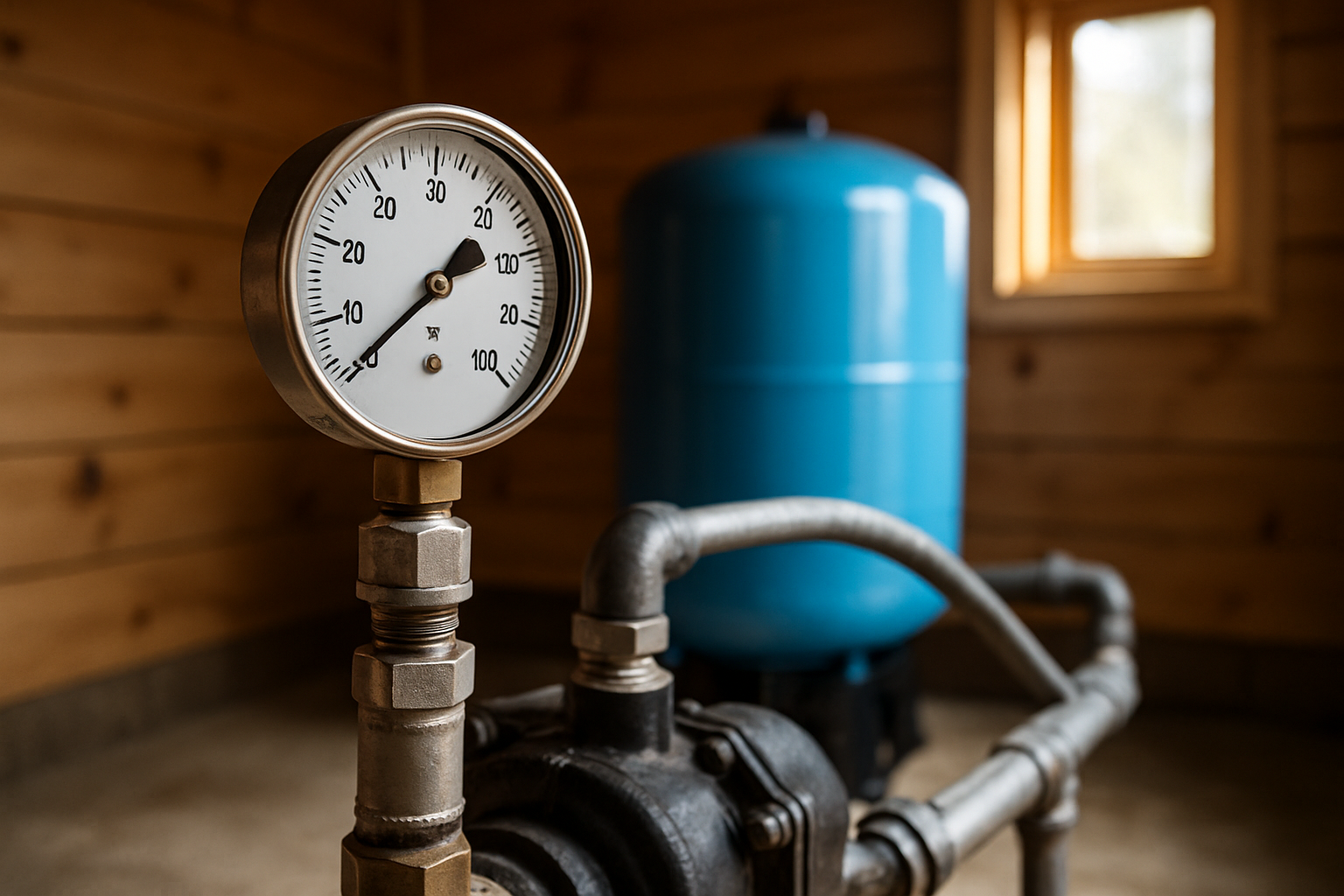
Diagnose and fix pressure problems before they get worse.
Well Maintenance Guide
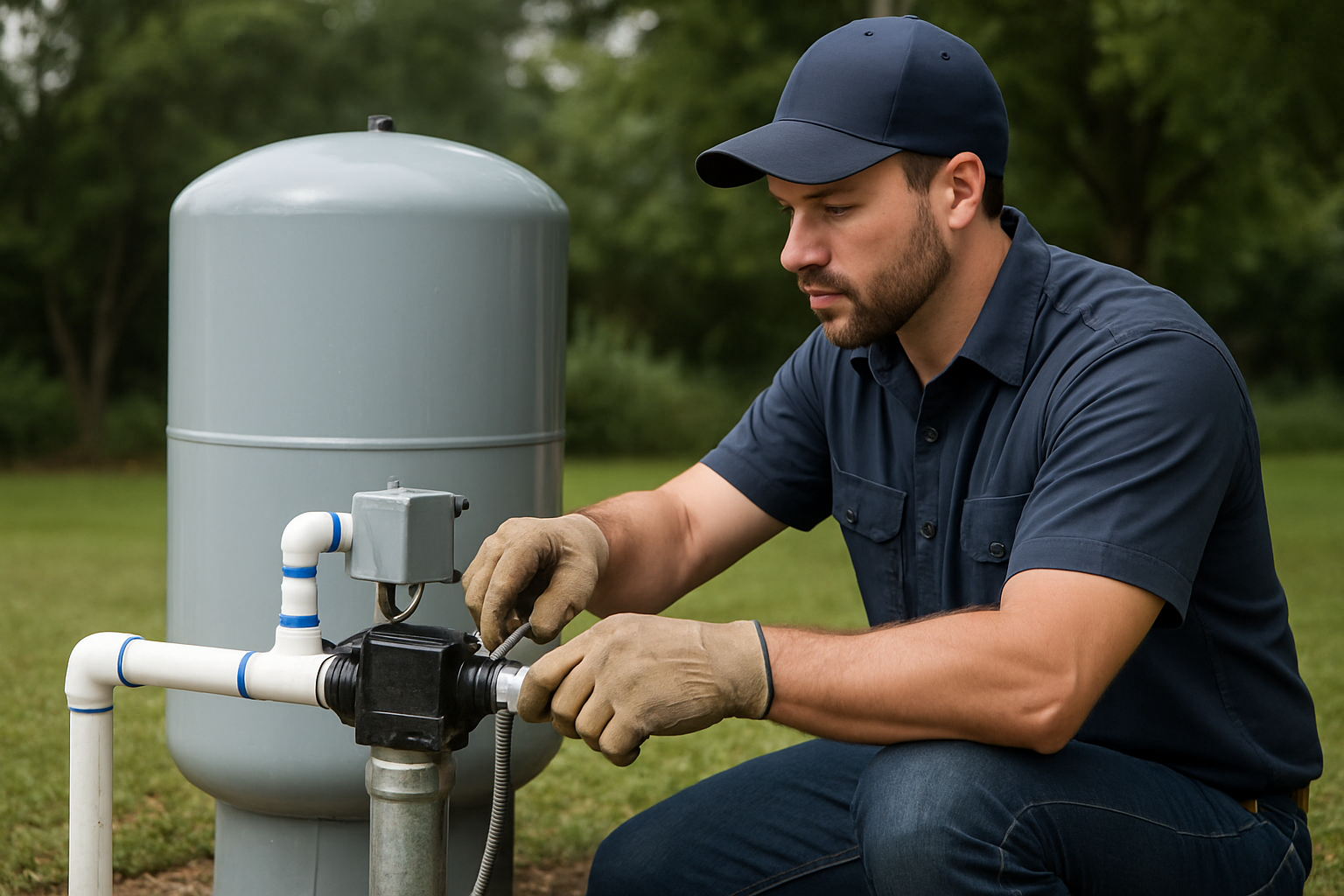
Keep your well running smoothly with regular maintenance.
Our Locations
1077 Main St, Ramona, CA 92065
57174 CA-371 (US Hwy 79), Anza, CA 92539
Hydrofracturing in South Park: A Candid Take for a Historic City Neighborhood
South Park is a historic, walkable neighborhood in the City of San Diego, in San Diego County, perched on the mesa just southeast of Balboa Park and adjacent to Golden Hill and Burlingame. It is known for its Craftsman bungalows, the tree-lined streets around Grape and Fern, and a compact business district full of independent shops and cafes. Like the rest of urban San Diego, it is served entirely by municipal water. For a neighborhood like this, the honest bottom line on hydrofracturing is direct: it does not apply to homes here, because there are no private bedrock wells to treat. Rather than pretend otherwise, this page explains the technique clearly and points you to what genuinely helps.
Southern California Well Service is a licensed C-57 well contractor founded in 2020, with 60+ years of family heritage across San Diego County. We believe part of serving people well is telling them when they do not need a service. So consider this an educational guide: what hydrofracturing is, why a built-out city neighborhood like South Park is the wrong place for it, and where it earns its strong reputation in the county.
What Hydrofracturing Is
Hydrofracturing, or hydrofracking in the well trade, is a method for increasing the yield of a low-producing well drilled into hard, fractured crystalline bedrock, the decomposed granite and granitic rock found inland and in the foothills of San Diego County. Such a well draws water only through natural cracks in the rock. The technique forces clean water at high pressure, usually 1,000 to 3,000 PSI, into a sealed-off section of the borehole, scouring sediment and mineral scale from the existing fractures and opening new ones so the well connects to more of the surrounding water-bearing rock. It uses water alone, no chemicals, and finishes in a single day inside the existing casing.
Why It Does Not Apply in South Park
Two facts settle the matter for South Park:
- Municipal water. Every home and business in South Park is on the City of San Diego's water system. With no private wells, there is nothing for hydrofracturing to treat.
- A dense, built-out mesa. South Park is a century-old residential neighborhood on the mesa near Balboa Park, not a rural parcel where bedrock wells are drilled and maintained.
If your water pressure in South Park has dropped or your bill has jumped, the productive steps involve your home, not an aquifer. Have a plumber check the pressure regulator and look for leaks, and contact the City if the issue seems to be on the supply side. That path resolves nearly every urban water complaint faster and at lower cost than any well service.
Where Hydrofracturing Truly Pays Off
Head inland into the granitic foothills and backcountry of San Diego County, toward Jamul, Alpine, Dehesa, Ramona, and beyond, and hydrofracturing becomes a strong, cost-effective tool. Many rural homes there depend on bedrock wells, and the technique can rehabilitate a fading one for a fraction of the cost of drilling new. Consider it when:
- The well is drilled into granite or other hard crystalline rock.
- Yield has declined from the original driller's report.
- A newly drilled well came in weaker than hoped.
- The well recovers slowly after pumping or runs low in summer.
- You want to try rehabilitation before paying for a new well.
How a Granite Well Loses Its Yield
It helps to understand why a once-strong well fades, because that decline is what hydrofracturing reverses. When a borehole is first drilled into granite, the fractures it crosses are open and clean. Year by year, fine silt drifts into those cracks, dissolved iron and calcium precipitate into scale on the rock face, and slow biological growth adds a film. The well loses gallons per minute so gradually that the owner notices only that it can no longer keep up during a long shower or a hot irrigation week. Hydrofracturing drives water through that clogged network under pressure, dislodging the buildup and reconnecting the borehole to the surrounding rock. That is precisely why it needs solid, cracked rock to work on, and why it does nothing where there is no bedrock well.
The Process, Step by Step
- Diagnostic and flow test. We confirm the well is in suitable bedrock and record baseline yield. The $125 diagnostic is credited toward the job if you proceed.
- Pump removal. The pump and drop pipe are pulled to open the borehole.
- Camera inspection. A downhole video checks casing and finds the fracture zones.
- Packer isolation. An inflatable packer concentrates pressure on the target zone.
- High-pressure injection. Clean water at 1,000 to 3,000 PSI clears and opens fractures.
- Redevelopment and re-test. The well is flushed, the pump reset, and a fresh flow test records the result.
On-site work generally runs four to eight hours.
Realistic Expectations
In suitable bedrock wells, hydrofracturing improves yield in roughly 70 to 80 percent of cases, often two to five times the prior flow. It cannot create water in dry rock, and a reputable contractor will tell you when the odds are poor rather than take the job. Results depend on the fracture network the borehole intersects.
The Better Path for an Urban Home
For a South Park homeowner, the genuinely useful improvements are not well services at all. If your water tastes off or leaves scale, a treatment or filtration system addresses that directly. If pressure is weak, a plumber can check the regulator, supply lines, and fixtures, and the cause is often simple and inexpensive. And for anything on the supply side, the City of San Diego is the authority. Pointing you to the right professional is part of being honest about this work, even when that professional is not us.
Hydrofracturing Versus Drilling New
For the inland owner who does have a tired bedrock well, the choice usually comes down to cost and certainty. A brand-new well in San Diego County commonly runs $18,000 to $42,000 turnkey once drilling, casing, a pump, and electrical are included, and it is the most certain route to more water. Deepening an existing well is priced by the foot and offers no guarantee that the deeper rock yields more. Hydrofracturing, at $3,000 to $8,000, is the natural first experiment: because a successful treatment often doubles or triples flow, owners can spend a small fraction of the new-well cost to find out whether rehabilitation will solve the problem. If it works, the savings are substantial; if it does not, the loss is modest and the well log gains a useful data point. For a South Park reader on city water, this comparison is academic, but it explains why the technique is so widely used in the rural county.
What to Check Before You Call
- Are you on a well or city water? In South Park, city water, so a plumber or the utility is your contact.
- What does the well log say? For a county property, depth, casing, and formation tell us whether hydrofrac applies.
- Has the pump been ruled out? A failing pump or pressure switch imitates low yield cheaply.
- Is the casing sound? Cracked casing should be repaired before pressure work.
When to Call a Professional
Reach out when you own a genuine bedrock well that has slowed down, when a new well disappoints, or when you simply want an honest read on whether the problem is the aquifer, the pump, or the plumbing. Hydrofracturing is high-pressure work that requires proper packers and casing knowledge, and is not a DIY task.
Realistic Cost Ranges
- Hydrofracturing: $3,000 to $8,000.
- Pump replacement: $2,500 to $5,500.
- Pressure switch: $150 to $350.
- Pressure tank: $600 to $1,500.
- New well, turnkey: $18,000 to $42,000.
- Well deepening: varies with conditions.
- Diagnostic visit: $125, credited toward work performed.
Serving South Park and San Diego County
From our Ramona office at 1077 Main St and our Anza office at 57174 CA-371 (US Hwy 79), Southern California Well Service serves the South Park area for general inquiries and the inland communities, including Golden Hill's eastern fringes, Jamul, Alpine, and Ramona, where bedrock wells are common. We hold a C-57 license, carry offer same-day emergency service.
Frequently Asked Questions
I live in South Park on city water. Do I need hydrofracturing? No. Hydrofracturing only applies to private bedrock wells. On municipal water, call a plumber or the City.
Are there private wells in South Park? No. The neighborhood is fully on the municipal system.
Does hydrofracturing use chemicals? No. Only clean, high-pressure water inside the existing borehole.
How long does it take? About four to eight hours on site, with a same-day flow test.
What does it cost? Typically $3,000 to $8,000, well below a new well at $18,000 to $42,000.
I own a bedrock well inland. Could it qualify? Likely. Share the well log and we will assess it honestly.
Talk to Us
If you own a fractured-rock well anywhere in San Diego County that has slowed down, call (760) 440-8520 or text (760) 219-5877. We will give you a straight answer on whether hydrofracturing fits, or steer you to the option that does.