
Hydrofracturing Well Services in Spring Valley North, CA
Is your well in Spring Valley North producing less water than it used to? Hydrofracturing (also called hydrofracking) could be the solution to restore and even improve your well's water production without the expense of drilling a new well.
📋 In This Guide
- What is Hydrofracturing?
- Signs Your Spring Valley North Well Needs Hydrofracturing
- The Hydrofracturing Process
- Cost vs. New Well Drilling in Spring Valley North
- Why Choose SCWS for Hydrofracturing?
- Related Articles
Southern California Well Service provides professional hydrofracturing services throughout San Diego County to help homeowners and property owners increase their well yield.
What is Hydrofracturing?
Hydrofracturing is a well rehabilitation technique that uses high-pressure water to clean and expand existing fractures in the bedrock surrounding your well. This process:
- Clears mineral deposits and sediment blocking water flow
- Opens new pathways for groundwater to reach your well
- Can increase well yield by 2-10 times in many cases
- Extends the life of your existing well
Unlike oil and gas fracking, well hydrofracturing uses only clean water—no chemicals are involved.
Signs Your Spring Valley North Well Needs Hydrofracturing
- Declining water production over time
- Well runs dry during peak usage
- Slow recovery rate after pumping
- Pump cycling on and off frequently
- Lower water pressure than previous years
The Hydrofracturing Process
- Initial Assessment: We evaluate your well's current yield and condition
- Equipment Setup: Specialized high-pressure equipment is positioned at your well
- Isolation: Packers seal off sections of the well for targeted treatment
- Pressurization: Water is pumped at 500-3,000 PSI to fracture bedrock
- Development: Well is cleaned and tested for improved yield
Cost vs. New Well Drilling in Spring Valley North
In Spring Valley North, drilling a new well can cost $15,000-$50,000+ depending on depth. Hydrofracturing typically costs a fraction of that—often $3,000-$8,000—making it an excellent first option before considering a new well.
Many Spring Valley North wells that appear to be "going dry" can be successfully rehabilitated through hydrofracturing, saving homeowners tens of thousands of dollars.
Why Choose SCWS for Hydrofracturing?
- Founded 2020 · 60+ Years Family Heritage: We've rehabilitated thousands of wells across Southern California
- Licensed C-57 Contractor. CSLB License #1086994. Fully licensed for well drilling and service in California
- Specialized Equipment: Professional-grade hydrofracturing equipment
- Free Estimates: We'll assess your well and provide honest recommendations
Need Help With Your Well in Spring Valley North?
Our expert technicians serve Spring Valley North and all of San Diego County with professional well services.
Related Articles
Continue learning about well maintenance and troubleshooting

Signs Your Well Pump Is Failing
Catch pump problems early before you lose water completely.
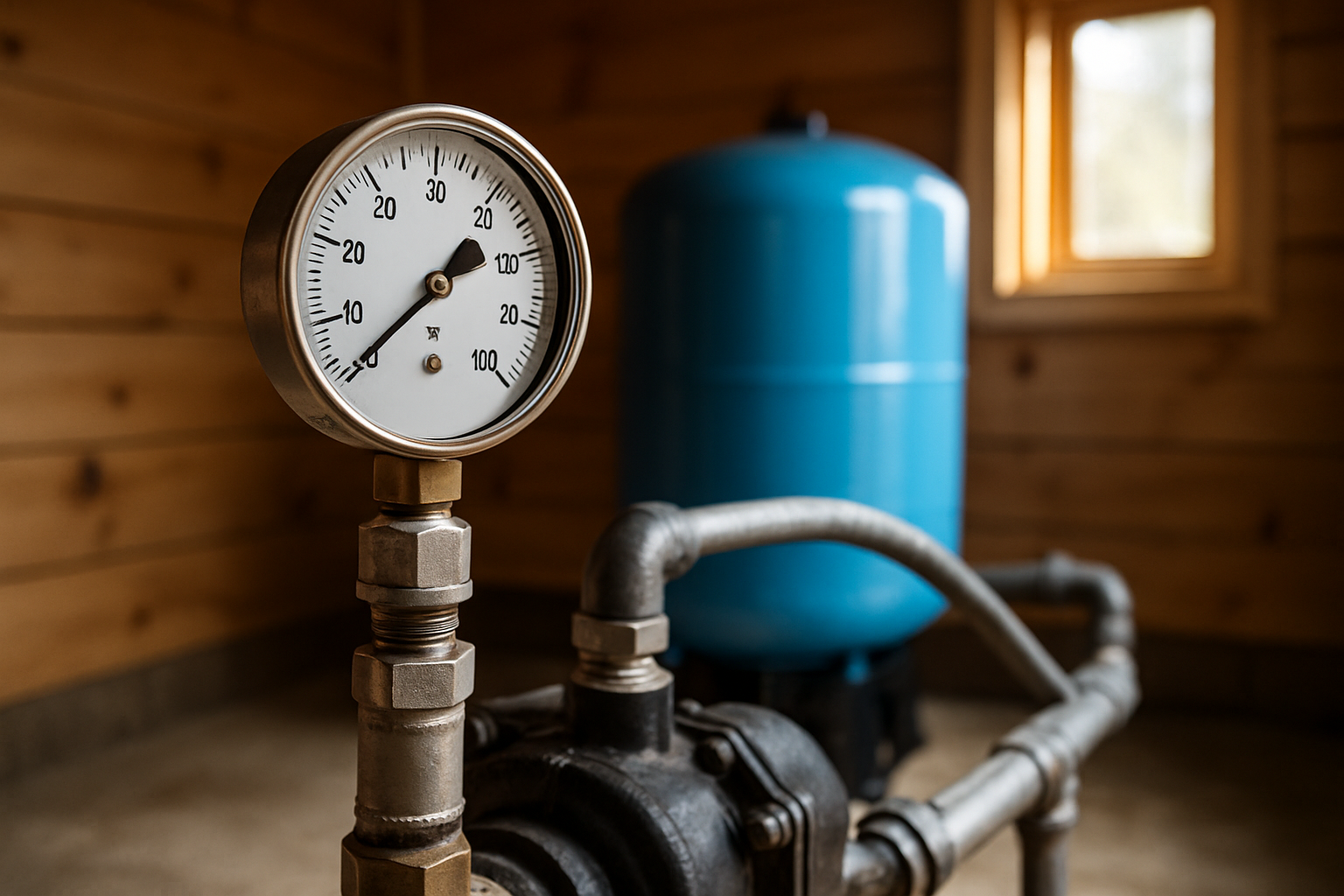
Low Water Pressure From Well
Diagnose and fix pressure problems before they get worse.
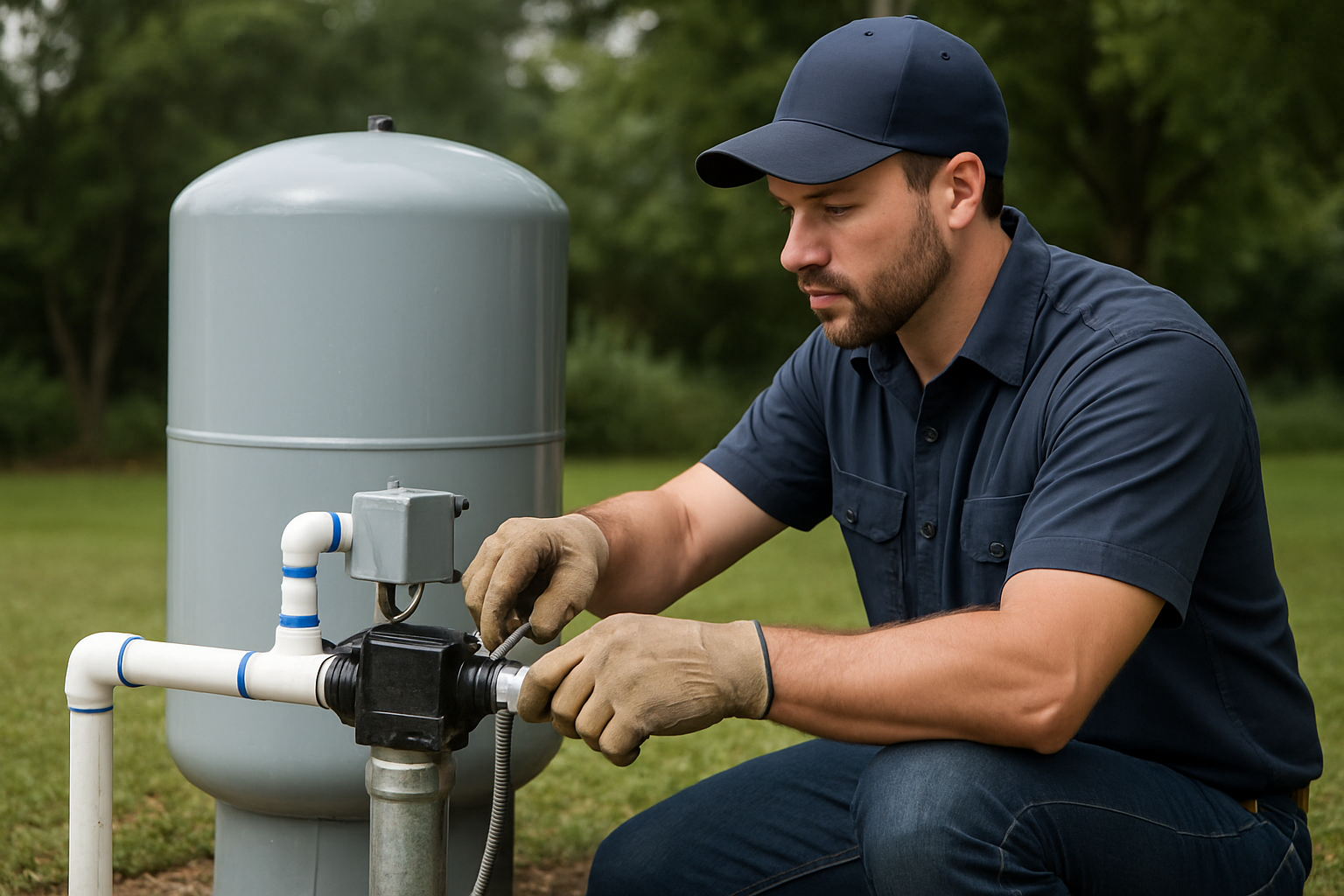
Well Maintenance Guide
Keep your well running smoothly with regular maintenance.
Our Locations
1077 Main St, Ramona, CA 92065
57174 CA-371 (US Hwy 79), Anza, CA 92539
Hydrofracturing in Spring Valley North: When a Hillside Well Can Be Revived
Spring Valley North covers the northern hillsides of the unincorporated community of Spring Valley, in eastern San Diego County, climbing toward Mount Helix and bordering La Mesa, Casa de Oro, and the Rancho San Diego area. Unlike the flat, fully municipal coastal neighborhoods of San Diego, this is transitional country where suburban valleys give way to crystalline-rock hillsides. That geology is the reason hydrofracturing is a more genuine possibility here than in most of our service area, though with an important caveat: most of Spring Valley is on municipal water through the Helix Water District, and only a minority of properties, mainly older parcels on the higher slopes, still rely on private wells.
Southern California Well Service is a licensed C-57 well contractor founded in 2020, with 60+ years of family heritage throughout San Diego County. This page gives you an honest, locally grounded picture: what hydrofracturing does, why the granite of the Mount Helix hillsides makes it a real candidate for the wells that exist here, and how to tell whether your particular property is one of them.
The Local Geology That Matters
Spring Valley sits in East San Diego County's transitional zone, where coastal valleys meet the inland mountains. In the lower areas, wells often encounter sedimentary aquifers, sand, gravel, and clay, and frequently find water at moderate depths, roughly 200 to 350 feet. As elevation rises toward Mount Helix and the other hillside neighborhoods of Spring Valley North, the ground shifts to crystalline bedrock, primarily granite and metamorphic rock. That hillside granite is exactly the formation hydrofracturing is built for. A well drilled into it produces water through natural fractures, and over time those fractures clog and the yield falls, the classic situation hydrofracturing is designed to reverse.
So the right answer here genuinely depends on where your property sits. A lower-elevation well in sand and gravel is usually better served by deepening or screen rehabilitation, while a hillside well in fractured granite is a strong hydrofracturing candidate.
What Hydrofracturing Does
Hydrofracturing, also called hydrofracking, increases the yield of a low-producing bedrock well by forcing clean water at high pressure, typically 1,000 to 3,000 PSI, into a sealed section of the borehole. The pressure cleans accumulated silt and mineral scale out of existing fractures and opens new ones, expanding the network of water-bearing rock the well can tap. It uses only water, with no chemicals, and the job is completed in a single day inside the existing casing. On the granite hillsides of Spring Valley North, that mechanism has real rock to work on.
Signs Your Hillside Well Is a Candidate
- The well is drilled into granite or metamorphic bedrock, common on the Mount Helix slopes.
- Yield has declined from the figure on the original driller's report.
- The well recovers slowly after the pump runs, or runs short during the dry season.
- A newly drilled hillside well came in at a disappointing flow rate.
- The pump cycles on and off frequently because the well cannot keep up.
Why a Granite Well Slows Down
When a hillside well is first drilled into the local granite, the fractures it crosses are open and productive. Year by year, fine silt drifts in, dissolved iron and calcium, both common in San Diego County's mineral-rich groundwater, precipitate into scale on the rock face, and slow biological growth films the surface. The decline is gradual, so the homeowner notices only that the well no longer keeps up during heavy use. Hydrofracturing drives water through that clogged fracture network under pressure, flushing out the buildup and reconnecting the borehole to the surrounding rock. It is rehabilitation, restoring what the well has lost and often improving on it.
The Process, Step by Step
- Diagnostic and flow test. We confirm the well is in suitable granite, review the well log, and record baseline yield. The $125 diagnostic is credited toward the job if you proceed.
- Pump removal. The pump and drop pipe are pulled to open the borehole.
- Camera inspection. A downhole video checks casing condition and locates the best fracture zones.
- Packer isolation. An inflatable packer seals a section below the casing so pressure concentrates where it helps.
- High-pressure injection. Clean water at 1,000 to 3,000 PSI clears and opens fractures, zone by zone.
- Redevelopment and re-test. The well is surged clean, the pump reset, and a fresh flow test documents the before-and-after gain.
On-site work typically runs four to eight hours.
Realistic Results and Expectations
In suitable San Diego County granite wells, hydrofracturing improves yield in roughly 70 to 80 percent of cases, with typical gains of two to five times the pre-treatment flow. It is a rehabilitation, not a guarantee: a well sitting in genuinely dry rock cannot be made productive, and the result depends on the specific fracture network the borehole intersects. We will tell you honestly when a well looks like a strong candidate and when the odds are marginal.
When Hydrofracturing Is Not the Right Call Here
Not every Spring Valley well is a fit. If your property is in the lower, flatter parts of the community where the well draws from sand-and-gravel sedimentary aquifers, hydrofracturing has little to act on; deepening or screen-and-gravel-pack rehabilitation is usually the better remedy. And if you are among the majority on Helix Water District municipal service, you have no well to treat, and a pressure or quality concern points to a plumber, a treatment system, or the water district. Reading your well log is how we tell these situations apart before any work begins.
Water Quality on the Mount Helix Hillsides
One thing many Spring Valley North well owners notice is that their water is hard and mineral-rich, a direct consequence of the local granite and crystalline rock. Hardness here commonly runs in the range of 8 to 14 grains, total dissolved solids often fall between roughly 350 and 650 parts per million, and iron can show up at noticeable levels. It is worth separating these quality issues from the quantity question hydrofracturing addresses. Hydrofracturing can restore how much water your well delivers, but it does not change the chemistry of that water. If your concern is scale on fixtures, staining, or taste, the right answer is a treatment system sized to your water test, not a yield treatment. When we assess a hillside well, we look at both sides, flow and quality, so you can decide which problem is actually worth solving and avoid paying for the wrong fix.
What to Check Before You Call
- Are you on a well or on Helix Water District? If municipal, a plumber or the district is your contact.
- Is the well in granite or in sediment? The driller's report tells you, and it determines the right method.
- Has the pump been ruled out? A worn pump or pressure switch mimics low yield far more cheaply.
- Is the casing intact? Cracked casing must be repaired before pressure work.
When to Call a Professional
Call when your hillside well's output has slipped, when a new granite well underperforms, or when you want an expert to determine whether your well sits in the kind of rock that responds to treatment. Hydrofracturing is high-pressure work requiring proper packers and casing knowledge, and is not a DIY project.
Realistic Cost Ranges
- Hydrofracturing: $3,000 to $8,000, depending on depth and number of zones.
- Pump replacement: $2,500 to $5,500.
- Pressure switch: $150 to $350.
- Pressure tank: $600 to $1,500.
- New well, turnkey: $18,000 to $42,000.
- Well deepening: varies with depth and formation.
- Diagnostic visit: $125, credited toward work performed.
Serving Spring Valley North and East San Diego County
From our offices in Ramona (1077 Main St) and Anza (57174 CA-371 (US Hwy 79)), Southern California Well Service serves Spring Valley North and the surrounding East County communities, including Mount Helix, Casa de Oro, La Mesa, and Rancho San Diego. We are a licensed C-57 contractor founded in 2020, with 60+ years of family heritage, same-day emergency service.
Frequently Asked Questions
Could hydrofracturing help my Spring Valley North well? Quite possibly, if your well is on the Mount Helix hillsides and drilled into granite. Lower-elevation wells in sand and gravel are usually better served by deepening or screen rehabilitation.
How do I know if my well is in granite? The original driller's report lists the formations. Send it to us and we will tell you.
Does hydrofracturing use chemicals? No. It uses only clean, high-pressure water inside the existing borehole.
How much can yield improve? In suitable granite wells, typically two to five times the prior flow, in about 70 to 80 percent of cases.
What does it cost? Usually $3,000 to $8,000, far less than a new well at $18,000 to $42,000.
I am on Helix Water District. Do I need this? No. With municipal water there is no well to treat; a plumber or the district is your contact.
Talk to Us
If you own a hillside well in Spring Valley North and its output has slipped, call (760) 440-8520 or text (760) 219-5877. We will read your well log, assess whether it sits in the granite that responds to hydrofracturing, and recommend the method that actually fits.