
Hydrofracturing Well Services in Talmadge, CA
Is your well in Talmadge producing less water than it used to? Hydrofracturing (also called hydrofracking) could be the solution to restore and even improve your well's water production without the expense of drilling a new well.
📋 In This Guide
- What is Hydrofracturing?
- Signs Your Talmadge Well Needs Hydrofracturing
- The Hydrofracturing Process
- Cost vs. New Well Drilling in Talmadge
- Why Choose SCWS for Hydrofracturing?
- Related Articles
Southern California Well Service provides professional hydrofracturing services throughout San Diego County to help homeowners and property owners increase their well yield.
What is Hydrofracturing?
Hydrofracturing is a well rehabilitation technique that uses high-pressure water to clean and expand existing fractures in the bedrock surrounding your well. This process:
- Clears mineral deposits and sediment blocking water flow
- Opens new pathways for groundwater to reach your well
- Can increase well yield by 2-10 times in many cases
- Extends the life of your existing well
Unlike oil and gas fracking, well hydrofracturing uses only clean water—no chemicals are involved.
Signs Your Talmadge Well Needs Hydrofracturing
- Declining water production over time
- Well runs dry during peak usage
- Slow recovery rate after pumping
- Pump cycling on and off frequently
- Lower water pressure than previous years
The Hydrofracturing Process
- Initial Assessment: We evaluate your well's current yield and condition
- Equipment Setup: Specialized high-pressure equipment is positioned at your well
- Isolation: Packers seal off sections of the well for targeted treatment
- Pressurization: Water is pumped at 500-3,000 PSI to fracture bedrock
- Development: Well is cleaned and tested for improved yield
Cost vs. New Well Drilling in Talmadge
In Talmadge, drilling a new well can cost $15,000-$50,000+ depending on depth. Hydrofracturing typically costs a fraction of that—often $3,000-$8,000—making it an excellent first option before considering a new well.
Many Talmadge wells that appear to be "going dry" can be successfully rehabilitated through hydrofracturing, saving homeowners tens of thousands of dollars.
Why Choose SCWS for Hydrofracturing?
- Founded 2020 · 60+ Years Family Heritage: We've rehabilitated thousands of wells across Southern California
- Licensed C-57 Contractor. CSLB License #1086994. Fully licensed for well drilling and service in California
- Specialized Equipment: Professional-grade hydrofracturing equipment
- Free Estimates: We'll assess your well and provide honest recommendations
Need Help With Your Well in Talmadge?
Our expert technicians serve Talmadge and all of San Diego County with professional well services.
Related Articles
Continue learning about well maintenance and troubleshooting

Signs Your Well Pump Is Failing
Catch pump problems early before you lose water completely.
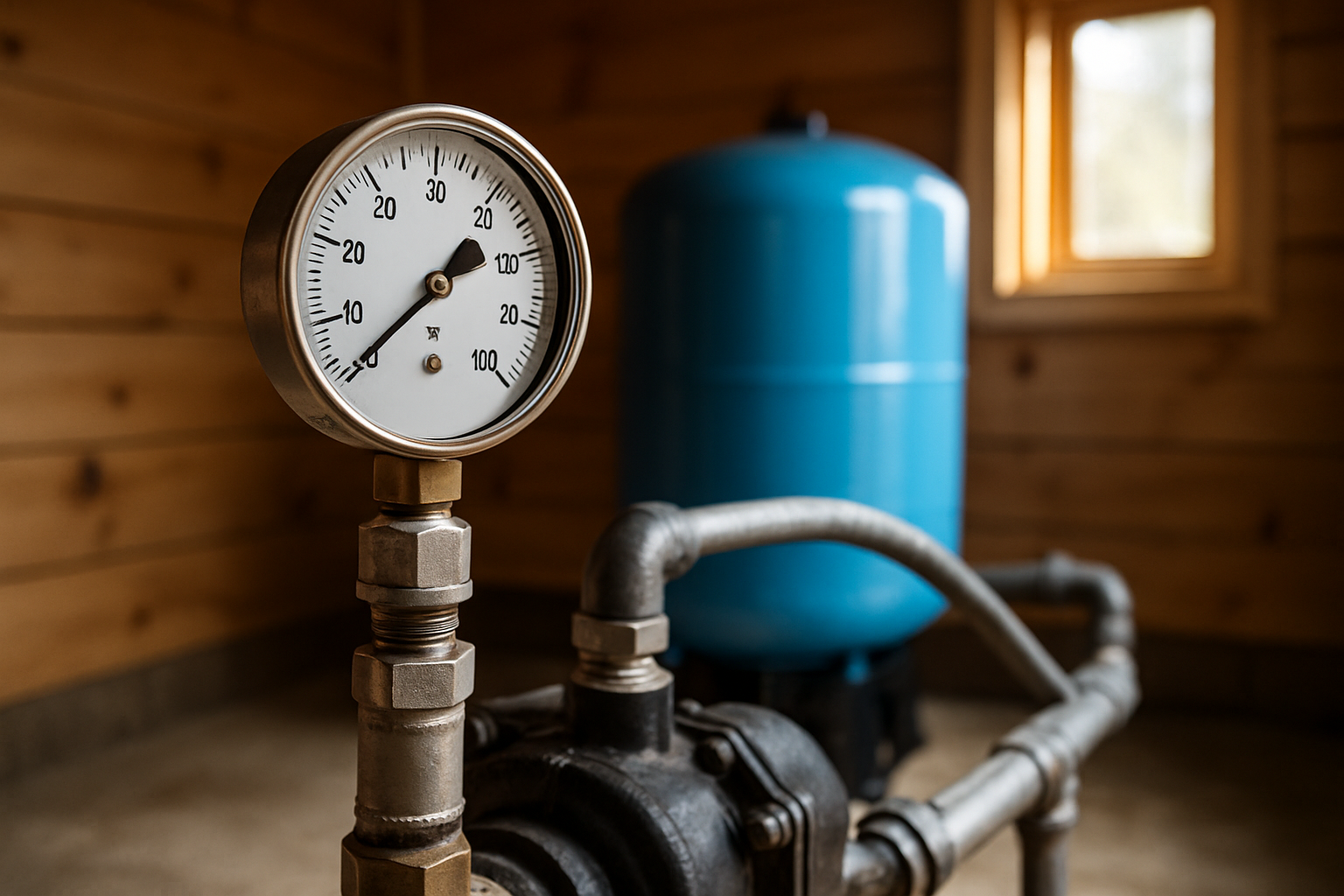
Low Water Pressure From Well
Diagnose and fix pressure problems before they get worse.
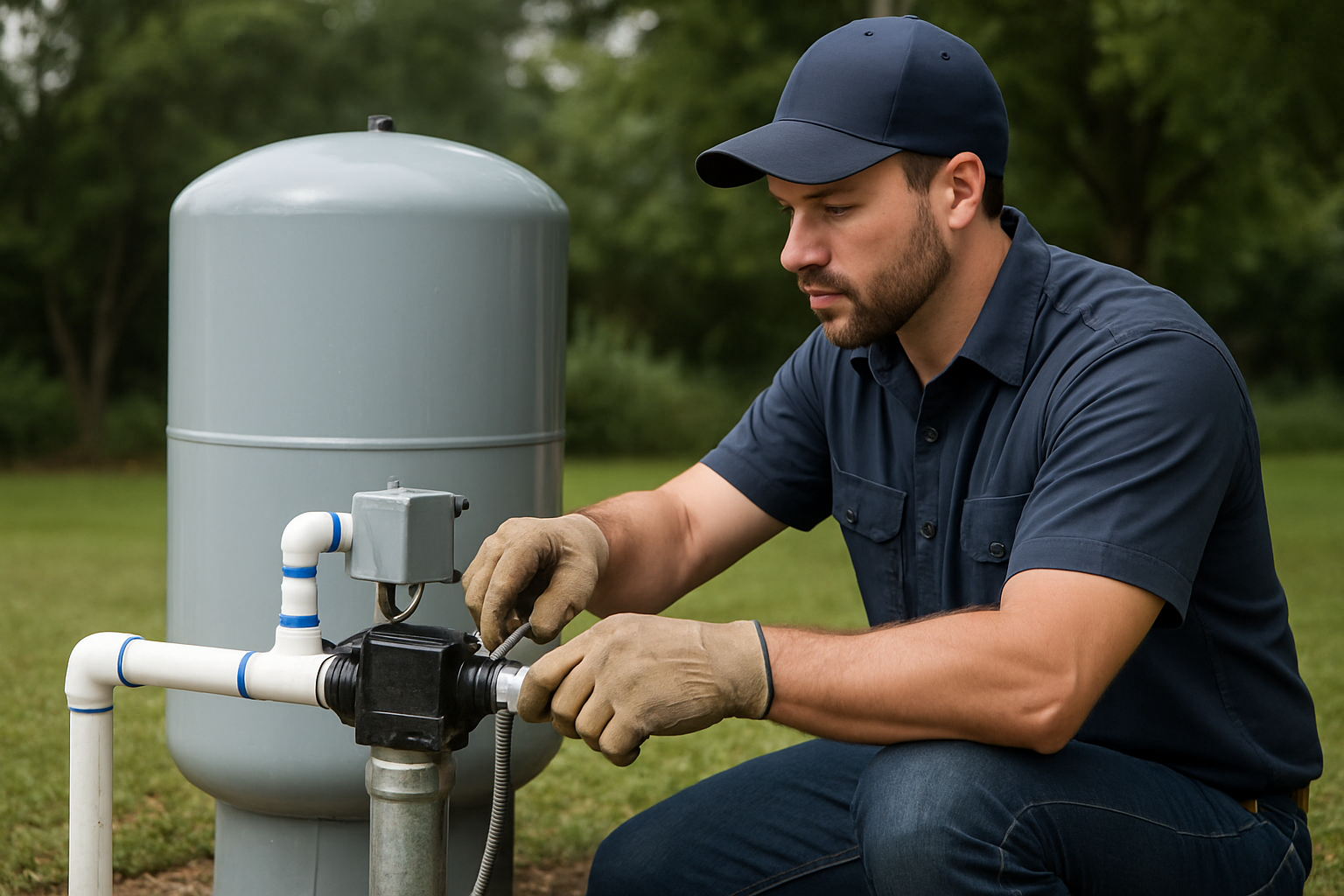
Well Maintenance Guide
Keep your well running smoothly with regular maintenance.
Our Locations
1077 Main St, Ramona, CA 92065
57174 CA-371 (US Hwy 79), Anza, CA 92539
Hydrofracturing and Wells in Talmadge, San Diego
Talmadge is a historic residential neighborhood in the mid-city area of San Diego, known for its Spanish Revival homes, the ornamental entry gates along the boulevards, and its setting just east of Kensington and north of City Heights within San Diego County. It is a fully developed urban community served by the City of San Diego's municipal water system. Because of that, we will tell you plainly up front: hydrofracturing is almost never the right service for a property in Talmadge. This article explains what hydrofracturing does, why it does not fit a built-out, city-served neighborhood like Talmadge, and what the genuinely useful options are if you have a water concern here.
What Hydrofracturing Actually Does
Hydrofracturing, also spelled hydrofracking, is a method for increasing the yield of a water well, but only a specific kind of well. It works on boreholes drilled into hard, fractured crystalline or granitic bedrock, where water enters the well through a network of narrow cracks in the rock. As a well ages, those cracks clog with silt, mineral scale, and fine sediment, and the flow declines. Hydrofracturing isolates a section of the borehole with an inflatable packer and injects clean water at high pressure, typically 1,000 to 3,000 PSI, to scour and widen the fractures and reconnect the well to water-bearing seams. The result, in the right geology, is restored or improved flow. The key phrase is "in the right geology," and that is precisely what Talmadge lacks.
Why Talmadge Is Not a Hydrofracturing Neighborhood
There are two straightforward reasons. First, Talmadge homes draw their water from the city main, not from private wells. With no private well on the property, there is nothing for hydrofracturing to enhance. Second, even setting that aside, the mid-city terrain of San Diego, the mesas and canyon-cut slopes around Talmadge, City Heights, and Kensington, is built largely on sedimentary terrace deposits and older sedimentary formations, not the fractured granite of the eastern backcountry. Hydrofracturing depends on a crystalline-rock fracture network to open up. A sedimentary, urbanized neighborhood on municipal water does not provide that. So in Talmadge the service is a weak fit on both counts: no well to treat, and no suitable rock even if there were one.
A Note on Talmadge's History and Water
Talmadge was developed in the 1920s and 1930s as a planned subdivision named for the Talmadge sisters, and it was wired into San Diego's growing municipal infrastructure from the outset. Unlike the rural backcountry, where homesteads were established around individual wells, Talmadge was a city neighborhood by design, with piped water, sewers, and graded streets. That history is the practical reason hydrofracturing has essentially never been a Talmadge service: the homes here were never meant to draw from the ground. If anything, the water questions that come up in Talmadge are about quality and pressure on the municipal supply, or about the occasional very old parcel where a pre-development well might linger underground. Knowing that distinction saves homeowners from chasing a solution built for a completely different kind of property.
When Hydrofracturing Is and Is Not a Fit
Here is the honest test we apply everywhere. Hydrofracturing is a good candidate only when:
- The property has a private water well rather than a municipal connection.
- That well is drilled into fractured granite or crystalline bedrock.
- The well's yield has dropped or was disappointing from the start.
Talmadge effectively never meets the first two conditions. The neighborhoods where these conditions are routinely met are the granite foothills and mountain communities of San Diego County and neighboring Riverside County, places such as Ramona, Julian, Alpine, Pine Valley, and Anza. That is where private rock wells are common, where boreholes commonly run 200 to 600 feet into granite, and where hydrofracturing earns its keep.
What Actually Helps a Talmadge Property
If you arrived here with a real water problem, the right answer is almost certainly not a well service:
- Low or fluctuating water pressure. On city water this points to a pressure regulator, an aging supply line, or in-home plumbing. A licensed plumber or your water provider is the right resource.
- Hard water, spotting, or taste issues. San Diego's municipal water is notably hard. A whole-house water softener or filtration system is the common, effective solution, and it is something we can advise on.
- An old well discovered on an older lot. Some of Talmadge's vintage parcels may have a long-abandoned well. These usually need assessment and proper sealing or destruction to county standards, not rehabilitation.
- A well at a second property. If you own backcountry land where a real rock well exists, that is where our drilling, pump, and hydrofracturing services come into play.
The Hydrofracturing Process, For Reference
For readers who do own a genuine fractured-rock well somewhere in our service area, here is how the work proceeds:
- Diagnostic and baseline flow test to establish current yield. The $125 diagnostic fee is credited toward any work performed.
- Camera inspection to confirm rock construction and locate productive fracture zones.
- Packer isolation of the target section of the borehole.
- High-pressure injection of clean water at 1,000 to 3,000 PSI, often across multiple zones.
- Development and a post-treatment flow test to document the gain.
In suitable bedrock, this improves yield in roughly 70 to 80 percent of wells, with typical gains of two to five times the pre-treatment rate. But again, that scenario does not describe a municipally served Talmadge home.
When to Call a Professional
For a city-water pressure or quality issue in Talmadge, your first calls should be to your water provider or a licensed plumber, and for hard water, to a water-treatment professional. If you suspect an abandoned well on your property, or if your real interest is a working well on land elsewhere, we are happy to provide honest, no-pressure guidance about whether hydrofracturing or another approach is appropriate.
Realistic Cost Ranges
For transparency, where well services do apply: hydrofracturing runs $3,000 to $8,000 depending on depth and zones; a new turnkey well runs $18,000 to $42,000; pump replacement $2,500 to $5,500; a pressure switch $150 to $350; and a pressure tank $600 to $1,500. For most Talmadge homes, the relevant cost is instead a water-treatment system or a plumbing repair, both priced according to the specifics of your home, your water hardness, and the size of your household.
Serving San Diego County
Southern California Well Service is a licensed C-57 water well contractor founded in 2020, with 60+ years of family heritage, serving all of San Diego County from our Ramona office at 1077 Main St and our Anza office at 57174 CA-371 (US Hwy 79). Talmadge itself is municipal-water territory, but if you have a legacy well, a city-water question, or a true well on backcountry property, we can help. Call (760) 440-8520 or text (760) 219-5877.
Frequently Asked Questions
Can hydrofracturing help my Talmadge home?
Almost never. Talmadge is on city water with no private well to enhance, and the local sedimentary geology is not the fractured granite that hydrofracturing requires.
Why is my water pressure low?
On municipal water, low pressure is typically a pressure regulator or in-home plumbing issue rather than anything to do with a well. A plumber or your provider can fix it.
My San Diego water is very hard. What can I do?
A whole-house water softener or filtration system is the standard fix and works well on municipal supply. We can advise on options.
I found an old well on my lot. Should I rehabilitate it?
Usually not. Abandoned urban wells are most often best assessed and then properly sealed or destroyed to county standards.
Where does hydrofracturing actually make sense?
In granite foothill and mountain communities like Ramona, Julian, Alpine, Pine Valley, and Anza, where private rock wells are common.
Will you tell me the truth if I do not need well work?
Yes. We would rather give you an honest answer and point you to the right resource than sell a service that will not help.
Talk to Us Before You Spend on the Wrong Fix
If you are facing a water decision in Talmadge, a quick conversation can save you from paying for a service your property does not need, and it costs nothing to ask. We will point you toward what actually fits. Call (760) 440-8520, text (760) 219-5877, or request a free estimate.