
Hydrofracturing Well Services in Tecate, CA
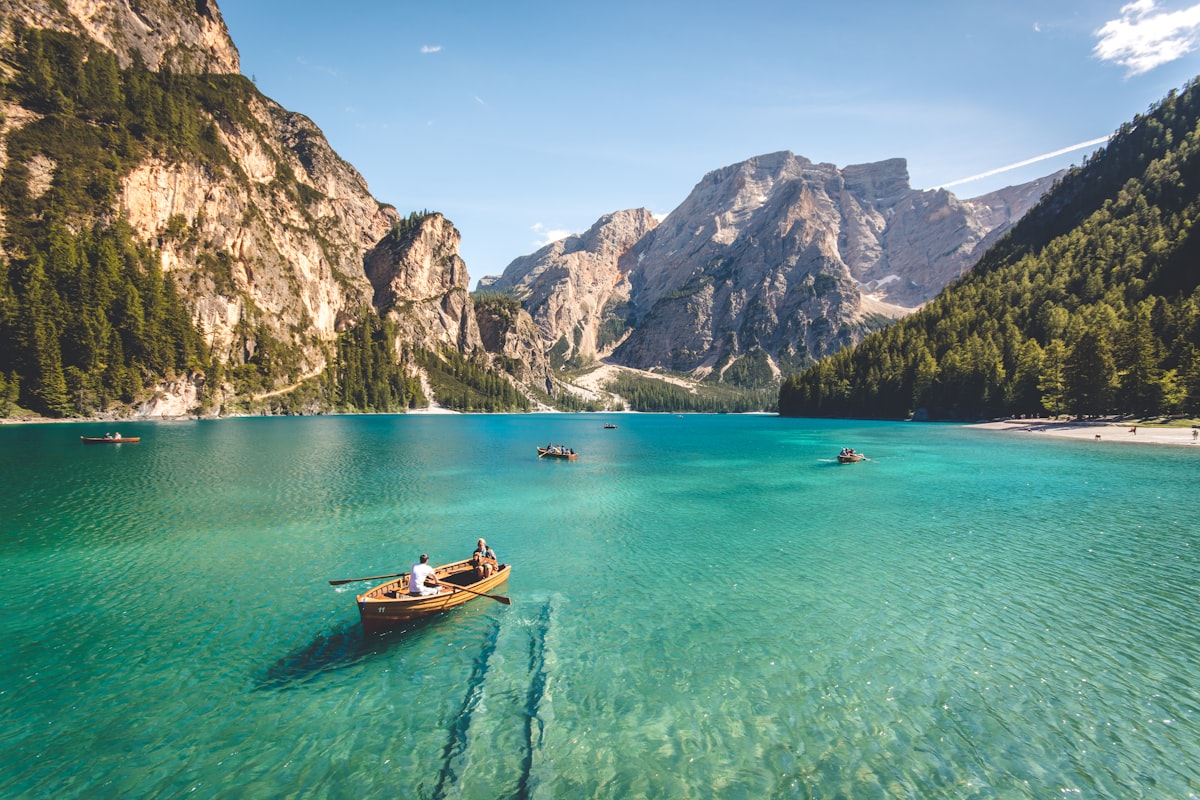
Is your well in Tecate producing less water than it used to? Hydrofracturing (also called hydrofracking) could be the solution to restore and even improve your well's water production without the expense of drilling a new well.
📋 In This Guide
- What is Hydrofracturing?
- Signs Your Tecate Well Needs Hydrofracturing
- The Hydrofracturing Process
- Cost vs. New Well Drilling in Tecate
- Why Choose SCWS for Hydrofracturing?
- Related Articles
Southern California Well Service provides professional hydrofracturing services throughout San Diego County to help homeowners and property owners increase their well yield.
What is Hydrofracturing?
Hydrofracturing is a well rehabilitation technique that uses high-pressure water to clean and expand existing fractures in the bedrock surrounding your well. This process:
- Clears mineral deposits and sediment blocking water flow
- Opens new pathways for groundwater to reach your well
- Can increase well yield by 2-10 times in many cases
- Extends the life of your existing well
Unlike oil and gas fracking, well hydrofracturing uses only clean water—no chemicals are involved.
Signs Your Tecate Well Needs Hydrofracturing
- Declining water production over time
- Well runs dry during peak usage
- Slow recovery rate after pumping
- Pump cycling on and off frequently
- Lower water pressure than previous years
The Hydrofracturing Process
- Initial Assessment: We evaluate your well's current yield and condition
- Equipment Setup: Specialized high-pressure equipment is positioned at your well
- Isolation: Packers seal off sections of the well for targeted treatment
- Pressurization: Water is pumped at 500-3,000 PSI to fracture bedrock
- Development: Well is cleaned and tested for improved yield
Cost vs. New Well Drilling in Tecate
In Tecate, drilling a new well can cost $15,000-$50,000+ depending on depth. Hydrofracturing typically costs a fraction of that—often $3,000-$8,000—making it an excellent first option before considering a new well.
Many Tecate wells that appear to be "going dry" can be successfully rehabilitated through hydrofracturing, saving homeowners tens of thousands of dollars.
Why Choose SCWS for Hydrofracturing?
- Founded 2020 · 60+ Years Family Heritage: We've rehabilitated thousands of wells across Southern California
- Licensed C-57 Contractor. CSLB License #1086994. Fully licensed for well drilling and service in California
- Specialized Equipment: Professional-grade hydrofracturing equipment
- Free Estimates: We'll assess your well and provide honest recommendations
Need Help With Your Well in Tecate?
Our expert technicians serve Tecate and all of San Diego County with professional well services.
Related Articles
Continue learning about well maintenance and troubleshooting

Signs Your Well Pump Is Failing
Catch pump problems early before you lose water completely.
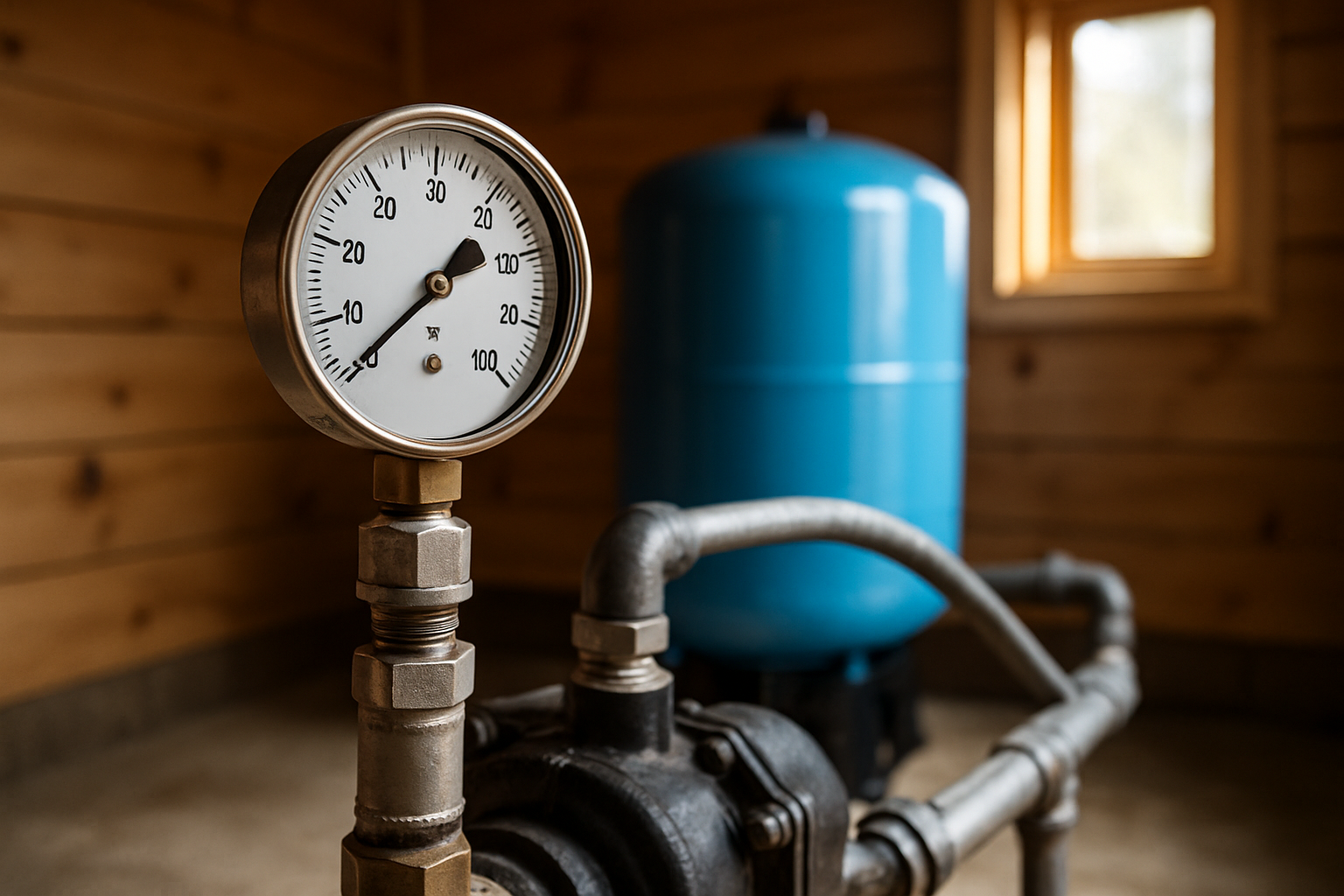
Low Water Pressure From Well
Diagnose and fix pressure problems before they get worse.
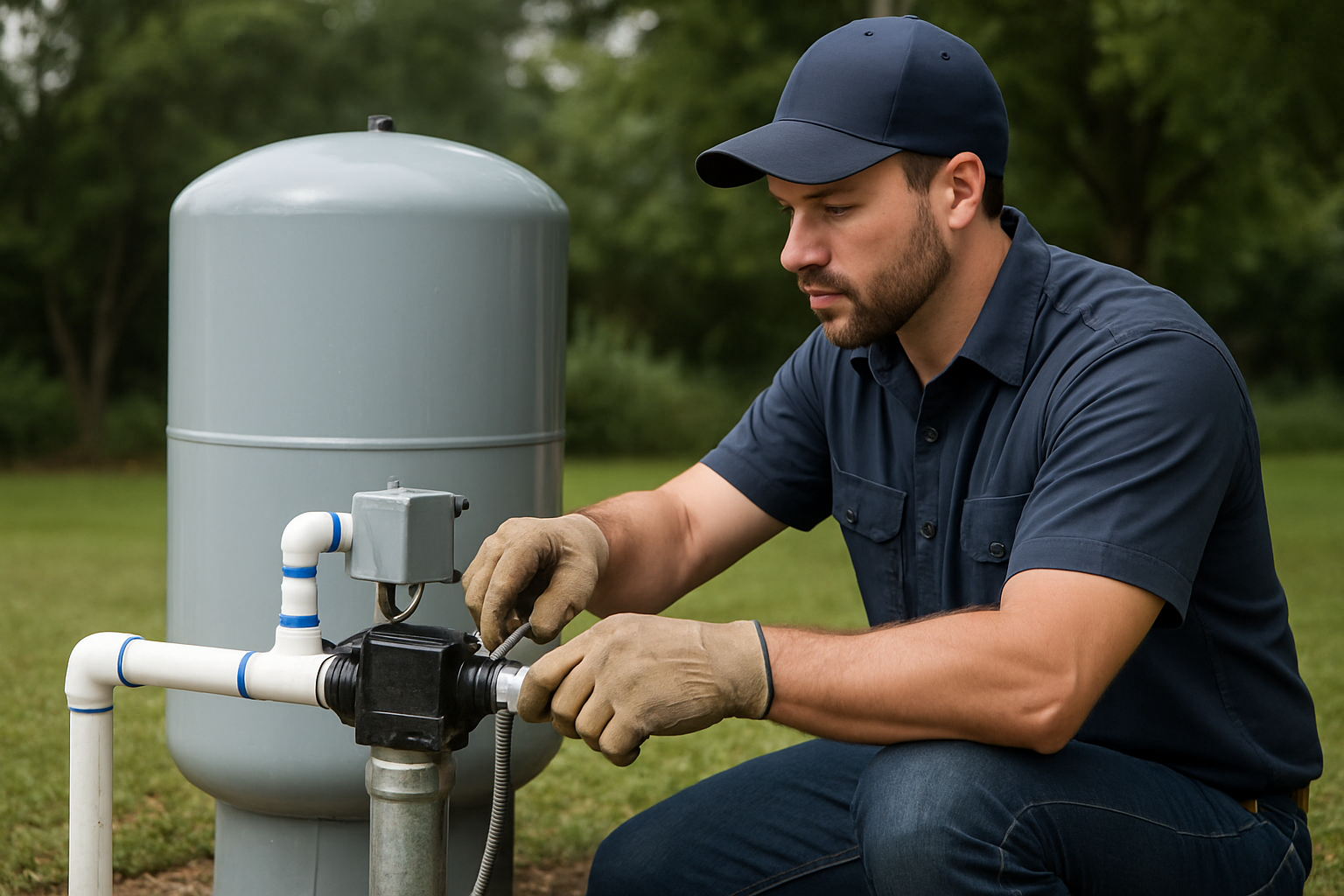
Well Maintenance Guide
Keep your well running smoothly with regular maintenance.
Our Locations
1077 Main St, Ramona, CA 92065
57174 CA-371 (US Hwy 79), Anza, CA 92539
Hydrofracturing for Mountain Wells in Tecate, California
Tecate sits in the rugged border country of far southeastern San Diego County, a small rural community tucked into the oak woodland and chaparral of the Peninsular Ranges near Potrero, Campo, Dulzura, and the granite shoulders of Tecate Peak. This is mountain ranch country, where homes and ranches sit on private wells rather than a municipal water main. Out here, your water does not come from a reservoir or a city pipeline. It comes from fractured granitic bedrock deep beneath your property, and the amount you get depends almost entirely on how well your well connects to the natural cracks and seams in that rock.
That geology is exactly why hydrofracturing matters so much in Tecate. The Peninsular Ranges are built of hard crystalline granite and decomposed granite, and water moves through them along fractures rather than through loose, porous soil. When those fractures get clogged with fine sediment and mineral scale, or when a well simply was not drilled into enough productive fracturing to begin with, yield suffers. Hydrofracturing (often spelled hydrofracking) is a proven, chemical-free way to reopen and extend that fracture network so groundwater can reach your well again. For many East County mountain wells, it is the single most cost-effective answer to a slow or failing well.
How Hydrofracturing Works
Hydrofracturing is a well rehabilitation technique, not a drilling method. Instead of boring a brand-new hole, we use the well you already have and improve the rock around it. The process is straightforward and uses nothing but clean water under controlled pressure.
First, our crew lowers an inflatable device called a packer into the well and seals off the target section of the borehole. The packer isolates the zone we want to treat so that all of the pressure is concentrated exactly where it will do the most good. We then inject clean water into that isolated zone at high pressure, typically in the range of 1,500 to 3,000-plus PSI. That pressure does two things at once: it flushes out the silt, sand, and mineral deposits that have plugged the existing fractures, and it pushes those natural fractures open wider and extends them further out into the surrounding granite.
The result is a cleaner, more open, better-connected fracture network feeding your well. Crucially, this is only water. There are no chemicals, no proppants, and no additives of the kind associated with oil and gas extraction. Most residential hydrofracturing jobs in the Tecate area take about 4 to 8 hours on site, and because we are working with your existing borehole, there is no need for a new well permit or a fresh hole in your yard.
Signs Your Tecate Well Needs Hydrofracturing
Mountain wells in fractured granite tend to show their age and their limits in fairly recognizable ways. If you live in Tecate, Potrero, Campo, or the surrounding ranch country and you are seeing any of the following, hydrofracturing is worth investigating.
- Declining yield over time. Your well used to keep up with the household and the property, and now it does not. Gradually falling production is one of the most common reasons fractured-rock wells become candidates for hydrofracturing.
- Slow recovery after pumping. You run the water for laundry or irrigation, the well draws down, and it takes hours to refill. Slow recovery points directly to limited fracture connectivity in the rock around the borehole.
- Dry-season and drought shortfalls. The well limps along in winter but runs short in the long, dry East County summers. When the regional water table drops during drought, a marginally connected well is the first to feel it.
- An under-producing new well. Sometimes a freshly drilled well in this granite country simply does not deliver the flow that was hoped for. Drilling into hard crystalline rock is partly a matter of where the productive fractures happen to be. Hydrofracturing can connect a disappointing new well to more of the surrounding fracture network.
All of these symptoms tie back to the same underlying reality: in Tecate's mountain terrain, your water supply is governed by fracture flow, and fractures can be cleaned out and opened up.
Why Tecate's Geology Makes It a Strong Candidate Area
Not every well in every region responds well to hydrofracturing, but the geology of far East County San Diego is about as favorable as it gets. The wells around Tecate, Potrero, Campo, and Dulzura are drilled into the fractured granitic bedrock and decomposed granite of the Peninsular Ranges. In this kind of formation, groundwater does not sit in a sponge-like layer of sand. It travels through a network of cracks, joints, and seams in otherwise solid rock.
That is precisely the condition hydrofracturing is designed to improve. When the rock is hard and naturally fractured, high-pressure water can pry those fractures wider and link your borehole to fractures it was not previously tapping. The harder and more fractured the rock, the better the technique tends to work. By contrast, wells set in loose sand or gravel formations do not benefit, because there are no rigid fractures to open. Tecate sits squarely in the favorable category, which is why so many mountain wells in this part of the county respond well to treatment.
Typical private wells in the Tecate area run roughly 200 to 500 feet deep, drilled to chase productive fracture zones in the granite. Because these wells depend on fracture connectivity rather than on a generous aquifer, modest improvements in the fracture network can translate into meaningful gains in everyday water availability.
Safety First: What to Check Before You Assume the Worst
Before concluding that your well itself is the problem, it is worth ruling out the equipment, which is often the real culprit and far cheaper to fix. A sudden loss of water is more frequently a pump or pressure issue than a depleted well. Here is a safe, sensible order of things to check.
- The pump. A submersible pump that is aging, failing, or set at the wrong depth can mimic the symptoms of a low-yield well. If the pump cannot move water efficiently, you feel it at the tap.
- The pressure tank. A waterlogged or failed pressure tank causes short cycling and erratic pressure that can look like a supply problem.
- The pressure switch. A dirty or miscalibrated switch can stop the pump from running correctly or cycle it on and off too often.
- Leaks. A leak in the line between the well and the house wastes water and pressure before it ever reaches you.
Beyond the basics, the most reliable way to know whether you have a supply problem or an equipment problem is a flow test. Measuring how much water the well actually produces and how quickly it recovers tells us whether hydrofracturing is the right call or whether a simpler repair will solve everything. Please leave electrical work and well wiring to a professional; the wellhead is not the place for guesswork.
When to Call a Professional
Hydrofracturing involves high-pressure equipment, specialized packers, and a real understanding of how local fractured-rock wells behave. It is not a do-it-yourself project. In California, water well work should be performed by a properly licensed contractor. Southern California Well Service holds a C-57 Water Well Drilling Contractor license (CSLB #1086994) and has spent founded in 2020 rehabilitating wells across San Diego, Riverside, and San Bernardino counties.
If your well is producing less than it used to, recovering slowly, or coming up short in the dry season, that is the time to call. We will assess the well, run the numbers honestly, and tell you whether hydrofracturing makes sense for your specific situation. Sometimes the answer is a simple pump repair; sometimes it is hydrofracturing; occasionally it is a new well. The point of bringing in a professional is to find out which one before you spend money.
Realistic Costs for Tecate Well Owners
One of the biggest reasons hydrofracturing is so attractive in mountain communities like Tecate is cost. Reopening the fractures around an existing well is dramatically cheaper than drilling a replacement. Here are realistic ranges for the services Tecate-area well owners most often ask about.
- Hydrofracturing: typically $3,000 to $8,000, depending on well depth and how many zones we treat.
- New well, turnkey: roughly $18,000 to $42,000, depending on depth and site conditions. This is the expensive alternative hydrofracturing is meant to help you avoid.
- Diagnostic and flow test: $125, credited toward the work if you proceed.
- Submersible pump replacement: roughly $2,500 to $5,500.
- Pressure tank replacement: roughly $600 to $1,500.
For a well that appears to be going dry, spending a few thousand dollars on hydrofracturing is a sensible first step before committing tens of thousands to a new well. In many cases it restores enough flow that a new well is never needed.
How Successful Is Hydrofracturing?
In fractured-rock country like the mountains around Tecate, hydrofracturing has a strong track record. In our experience with the decomposed granite and fractured crystalline rock of San Diego County, roughly 70 to 80 percent of fractured-rock wells see a measurable improvement after treatment. The typical gain is a 2 to 5 times increase over the pre-treatment flow rate, though every well is different.
We do not ask you to take that on faith. We run a flow test before treatment to establish a baseline, perform the hydrofracturing, and then run a second flow test afterward, usually within 24 to 48 hours, so you can see the before-and-after numbers documented in black and white. That measured, evidence-based approach is the only honest way to demonstrate whether a job worked. Wells in hard fractured rock respond best; wells in loose sand or gravel are not good candidates, and we will tell you so up front rather than charge you for work that will not help.
Serving Tecate and East County San Diego
Southern California Well Service provides hydrofracturing and full well services throughout the East County border region, including Tecate, Potrero, Campo, Dulzura, and the surrounding ranch and mountain communities of San Diego County. We understand the fractured-granite conditions of this area because we work in it constantly. Our crews operate out of offices in Ramona (1077 Main St, Ramona, CA 92065) and Anza (57174 CA-371 (US Hwy 79), Anza, CA 92539), and we offer same-day emergency service when you are out of water. founded in 2020, serving business, we are the local team mountain well owners call when the water slows down.
Frequently Asked Questions
Does hydrofracturing use chemicals?
No. Well hydrofracturing uses only clean water under pressure. There are no chemicals, additives, or proppants involved. This is fundamentally different from oil and gas fracking, despite the similar name.
Will hydrofracturing work on my Tecate well?
It very likely is a good candidate. Tecate wells are drilled into fractured granitic bedrock and decomposed granite, which is exactly the kind of hard, fractured rock that responds best to hydrofracturing. Wells in loose sand or gravel do not benefit, but those are rare in this mountain terrain. A flow test confirms whether your specific well is a good fit.
How long does the process take?
Most residential hydrofracturing jobs in the Tecate area take about 4 to 8 hours on site. We then verify results with a follow-up flow test, typically within 24 to 48 hours, so you can see the improvement documented.
How much does hydrofracturing cost compared to a new well?
Hydrofracturing typically runs $3,000 to $8,000, while a new turnkey well in this area runs roughly $18,000 to $42,000. That is why we almost always recommend evaluating hydrofracturing before committing to a new well.
What are the odds it will improve my water?
In San Diego County's fractured granite, roughly 70 to 80 percent of fractured-rock wells improve after hydrofracturing, with typical gains of 2 to 5 times the pre-treatment flow. We measure your well before and after so the results are documented, not guessed.
Could my problem be the pump instead of the well?
Absolutely, and that is worth checking first. A failing submersible pump, a waterlogged pressure tank, a bad pressure switch, or a line leak can all mimic a low-yield well. A diagnostic and flow test tells us whether you need a simple repair or true well rehabilitation.
Call Southern California Well Service in Tecate
If your Tecate well is slowing down, recovering too slowly, or running short in the dry season, do not assume you need an expensive new well. Hydrofracturing may restore your flow for a fraction of the cost. Call us at (760) 440-8520 or text us at (760) 219-5877 to schedule a diagnostic flow test. We serve Tecate and all of East County San Diego with licensed, 30-plus-year expertise and same-day emergency service.