
Hydrofracturing Well Services in Temescal Valley, CA
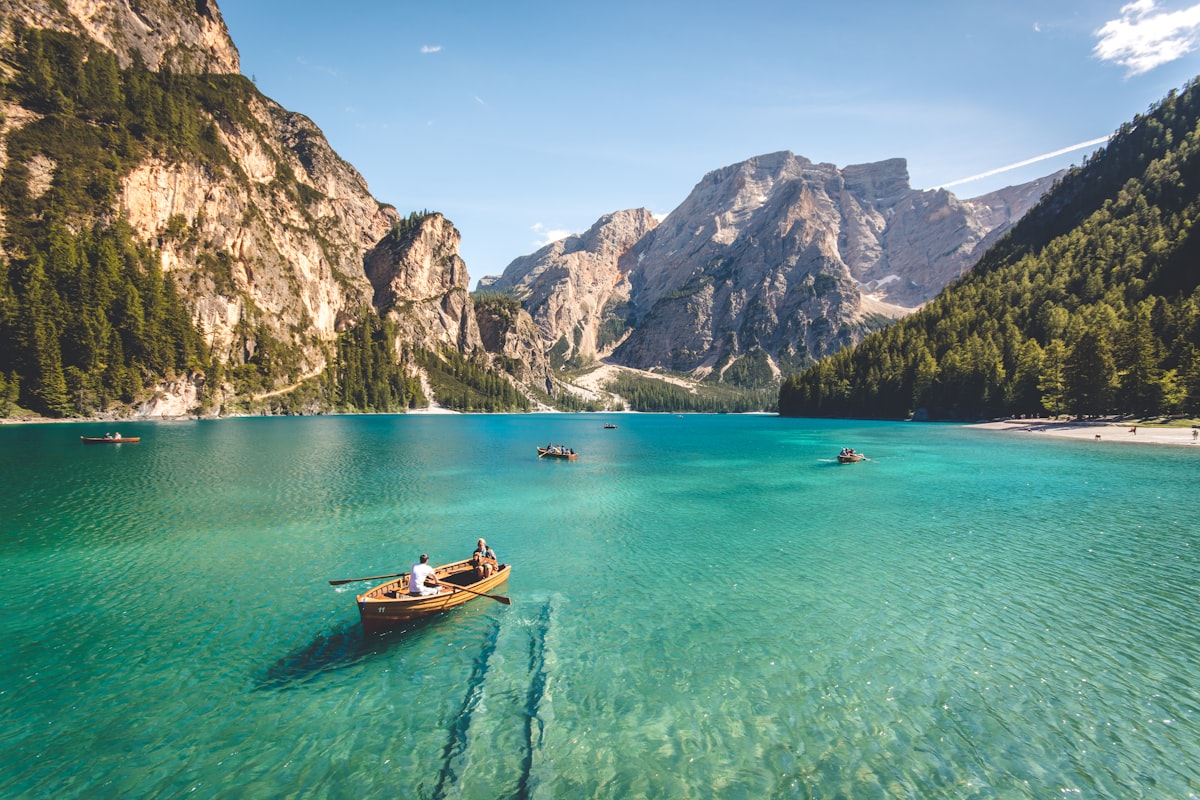
Is your well in Temescal Valley producing less water than it used to? Hydrofracturing (also called hydrofracking) could be the solution to restore and even improve your well's water production without the expense of drilling a new well.
📋 In This Guide
- What is Hydrofracturing?
- Signs Your Temescal Valley Well Needs Hydrofracturing
- The Hydrofracturing Process
- Cost vs. New Well Drilling in Temescal Valley
- Why Choose SCWS for Hydrofracturing?
- Related Articles
Southern California Well Service provides professional hydrofracturing services throughout Riverside County to help homeowners and property owners increase their well yield.
What is Hydrofracturing?
Hydrofracturing is a well rehabilitation technique that uses high-pressure water to clean and expand existing fractures in the bedrock surrounding your well. This process:
- Clears mineral deposits and sediment blocking water flow
- Opens new pathways for groundwater to reach your well
- Can increase well yield by 2-10 times in many cases
- Extends the life of your existing well
Unlike oil and gas fracking, well hydrofracturing uses only clean water—no chemicals are involved.
Signs Your Temescal Valley Well Needs Hydrofracturing
- Declining water production over time
- Well runs dry during peak usage
- Slow recovery rate after pumping
- Pump cycling on and off frequently
- Lower water pressure than previous years
The Hydrofracturing Process
- Initial Assessment: We evaluate your well's current yield and condition
- Equipment Setup: Specialized high-pressure equipment is positioned at your well
- Isolation: Packers seal off sections of the well for targeted treatment
- Pressurization: Water is pumped at 500-3,000 PSI to fracture bedrock
- Development: Well is cleaned and tested for improved yield
Cost vs. New Well Drilling in Temescal Valley
In Temescal Valley, drilling a new well can cost $15,000-$50,000+ depending on depth. Hydrofracturing typically costs a fraction of that—often $3,000-$8,000—making it an excellent first option before considering a new well.
Many Temescal Valley wells that appear to be "going dry" can be successfully rehabilitated through hydrofracturing, saving homeowners tens of thousands of dollars.
Why Choose SCWS for Hydrofracturing?
- Founded 2020 · 60+ Years Family Heritage: We've rehabilitated thousands of wells across Southern California
- Licensed C-57 Contractor. CSLB License #1086994. Fully licensed for well drilling and service in California
- Specialized Equipment: Professional-grade hydrofracturing equipment
- Free Estimates: We'll assess your well and provide honest recommendations
Need Help With Your Well in Temescal Valley?
Our expert technicians serve Temescal Valley and all of Riverside County with professional well services.
Related Articles
Continue learning about well maintenance and troubleshooting

Signs Your Well Pump Is Failing
Catch pump problems early before you lose water completely.
Low Water Pressure From Well
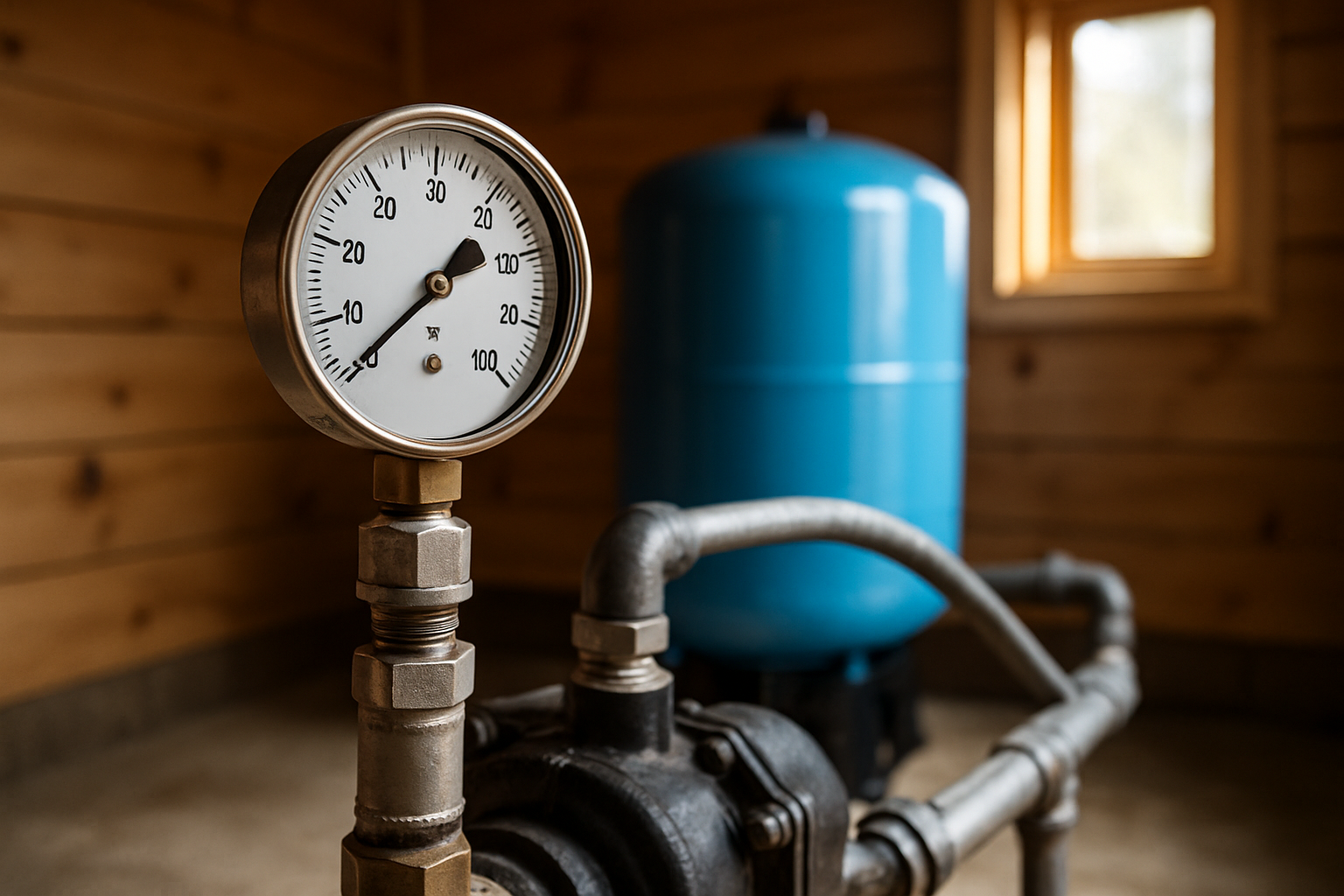
Diagnose and fix pressure problems before they get worse.
Well Maintenance Guide
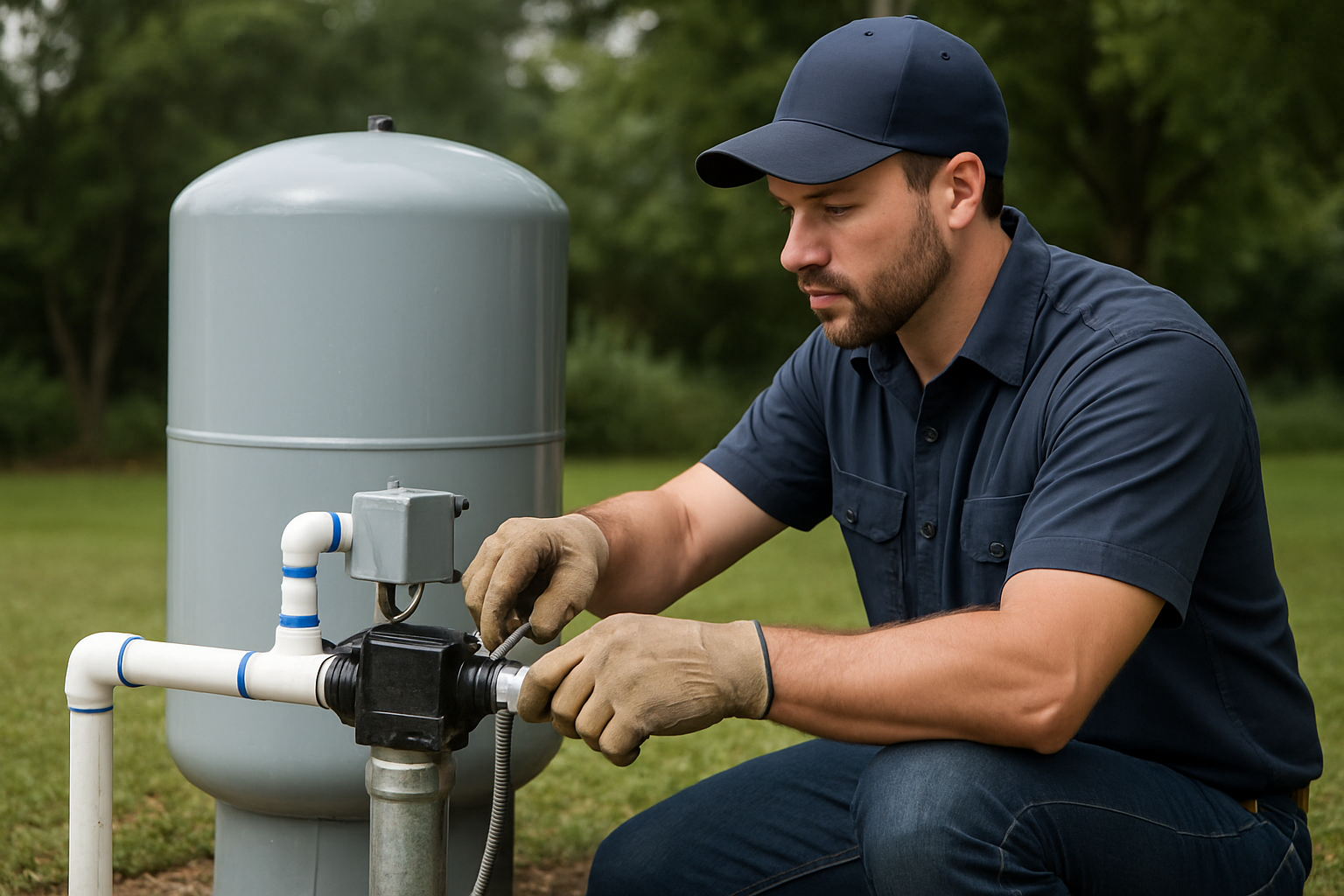
Keep your well running smoothly with regular maintenance.
Our Locations
1077 Main St, Ramona, CA 92065
57174 CA-371 (US Hwy 79), Anza, CA 92539
Hydrofracturing Wells in Temescal Valley, California
Temescal Valley stretches along the Interstate 15 corridor in western Riverside County, running between Corona to the north and Lake Elsinore to the south, hemmed in by the Temescal Mountains on one side and the Santa Ana Mountains and Cleveland National Forest on the other. Communities and landmarks here include Glen Ivy, Sycamore Creek, Horsethief Canyon, and the older ranch parcels along Temescal Canyon Road. Many homes draw municipal water, but the valley's rural edges and hillside lots near the Temescal and Santa Ana foothills are well-country, and those wells reach into fractured rock. If your Temescal Valley well has lost production over the years, hydrofracturing (hydrofracking) is often a smart, cost-effective way to boost its yield before you consider a new well.
Southern California Well Service has worked the foothill wells of Riverside County since 2020, and Temescal Valley's geology makes it a genuinely good candidate area for well-yield enhancement on the right properties. Here is how the process works and how to know whether your well qualifies.
How Hydrofracturing Works
A well drilled into fractured bedrock collects its water from a network of cracks, joints, and seams in the rock rather than from an open aquifer. Over time those fractures clog with sediment, mineral scale, and silt, and the well's flow steadily drops. Hydrofracturing reverses that. We lower an inflatable packer into the open borehole, seal off a target section, and inject clean water at high pressure, generally 1,000 to 3,000 PSI. The pressure flushes the clogged fractures, widens the existing seams, and can connect your well to nearby water-bearing cracks it was never linked to. The outcome is a faster rate of water flowing into the well.
Water-well hydrofracturing uses clean water only, with no chemicals and no proppant sand. That is what separates it from oil-and-gas fracking. It is a long-established, environmentally benign rehabilitation method for hard-rock wells.
Why Temescal Valley's Geology Is a Good Fit
Temescal Valley is a graben, a down-dropped block of crust within the Elsinore fault trough, flanked by the granitic and metamorphic rock of the Peninsular Ranges batholith. The Temescal Mountains to the east are dominated by Cretaceous granitic rocks, quartz diorite, granodiorite, tonalite, and gabbro, the very crystalline bedrock in which hydrofracturing performs best. Wells on the valley's foothill margins and rural canyons commonly penetrate this fractured rock, producing their water from discrete fracture zones. The valley floor itself holds alluvial sand, silt, and clay shed from the surrounding mountains, so the picture is mixed: hard-rock wells on the higher and hillside parcels are good fracturing candidates, while wells finished purely in the deep valley-floor alluvium are not, since there are no rock fractures to open.
Wells on the Foothill Margins
The most promising hydrofracturing candidates in Temescal Valley tend to sit where the alluvial valley floor meets rising ground, along Temescal Canyon Road, up the slopes toward the Cleveland National Forest, and on the canyon parcels around Horsethief Canyon and Glen Ivy. There the borehole passes out of the loose surface material and into competent fractured granite, and it is that rock interval, often several hundred feet down, that produces the water. Wells like these commonly run from roughly 200 to 600 feet deep, and when their fracture network gets choked with the fine sediment that washes off the surrounding mountains, hydrofracturing is one of the few tools that can genuinely reopen the flow paths. A camera survey is the surest way to confirm where your particular well draws its water and whether treatment is worth pursuing.
When Hydrofracturing Helps and When It Does Not
Hydrofracturing is a strong option for a Temescal Valley property when:
- Your well is drilled into the foothill granite or fractured rock and its yield has declined.
- A newly drilled rock well came in low despite hitting solid formation.
- Your well runs short during the hot, dry summer and fall, a sign of marginal fracture flow.
- You want a lower-cost remedy before committing to a new borehole.
It is the wrong choice when your well draws solely from the valley-floor alluvium, when you are on a municipal water connection, or when the real fault is a worn pump, a bad pressure switch, or a waterlogged tank. In those cases we point you to the fix that actually solves it: screen rehabilitation or deepening for an alluvial well, a component repair for a pump fault, or treatment for a water-quality concern.
The Hydrofracturing Process, Step by Step
- Diagnostic and baseline flow test. We measure your current yield in gallons per minute, check water levels, and review the well log. The $125 diagnostic fee is credited toward the work if you proceed.
- Downhole camera inspection. Video confirms whether you are in rock or alluvium and pinpoints the fracture zones.
- Packer isolation. We seal the target zone so the pressure works exactly where it should.
- High-pressure injection. Clean water at 1,000 to 3,000 PSI scours and opens the fractures, often across multiple zones in one visit.
- Development and verification. We clear the well and re-test the flow, usually within 24 to 48 hours, and document the before-and-after results.
Most Temescal Valley jobs are completed in a single day, around four to eight hours on site.
Realistic Results and Expectations
On wells genuinely set in the fractured granite of the Temescal and Santa Ana foothills, hydrofracturing improves yield in roughly 70 to 80 percent of cases, with typical gains of two to five times the starting flow. We cannot promise an exact gallon figure before testing your well, and we will not. The baseline flow test and camera inspection tell us honestly whether your specific well is a good candidate, and we share those findings with you before recommending any treatment.
What to Check Before You Call
- Are you on a private well or a municipal connection?
- Does your well log indicate it was completed in rock or in valley-floor sand and gravel?
- Is the decline gradual, which often means fracture clogging, or sudden, which often means a pump problem?
- When was the pump and pressure tank last serviced?
When to Call a Professional
If your Temescal Valley well has quit producing, your pump is short-cycling, or you are getting sand and air at the faucet, call for same-day emergency service. High-pressure downhole work is not a do-it-yourself job, and an accurate diagnosis up front keeps you from spending on the wrong repair.
Realistic Cost Ranges
Hydrofracturing in Temescal Valley typically runs $3,000 to $8,000, depending on well depth and the number of zones treated. A new turnkey well costs $18,000 to $42,000, which is why fracturing is usually worth trying first. Related work includes pump replacement ($2,500 to $5,500), pressure switch replacement ($150 to $350), and pressure tank replacement ($600 to $1,500). The $125 diagnostic fee is credited toward any work performed.
Serving Temescal Valley and Western Riverside County
Our crews serve Temescal Valley, Corona, Lake Elsinore, Glen Ivy, Horsethief Canyon, and the surrounding Riverside County communities from our Anza office at 57174 CA-371 (US Hwy 79) and our Ramona office. We are a licensed C-57 water well contractor founded in 2020, with 60+ years of family heritage. Call (760) 440-8520 or text (760) 219-5877 to schedule a Temescal Valley well assessment.
Frequently Asked Questions
Is my Temescal Valley well a good hydrofracturing candidate?
If it is drilled into the foothill granite or fractured rock and its yield has slipped, yes, it is a strong candidate. We confirm with a flow test and camera inspection first.
My well is on the valley floor in alluvium. Will it help?
Likely not, if the well is completed purely in sand and gravel, because there are no rock fractures to open. We would more likely suggest screen rehabilitation, deepening, or a new well.
Does it use chemicals?
No. The process uses clean water only, with nothing added to your aquifer.
How long does it take?
Typically four to eight hours, finished in one day, with yield verification within 24 to 48 hours.
What will it cost?
Generally $3,000 to $8,000 depending on depth and zones, far less than a new well at $18,000 to $42,000.
What if my pump is the actual problem?
Then fracturing will not help, and we will tell you. A pump, switch, or tank repair may be all that is needed, and our diagnostic visit is built to catch that.
Boost Your Temescal Valley Well's Output
Temescal Valley's foothill geology gives many local wells real potential for improvement. Before assuming yours is done, let us test it and tell you honestly what it needs. Call (760) 440-8520, text (760) 219-5877, or request a free estimate today.