
Hydrofracturing Well Services in Tierra Del Sol, CA
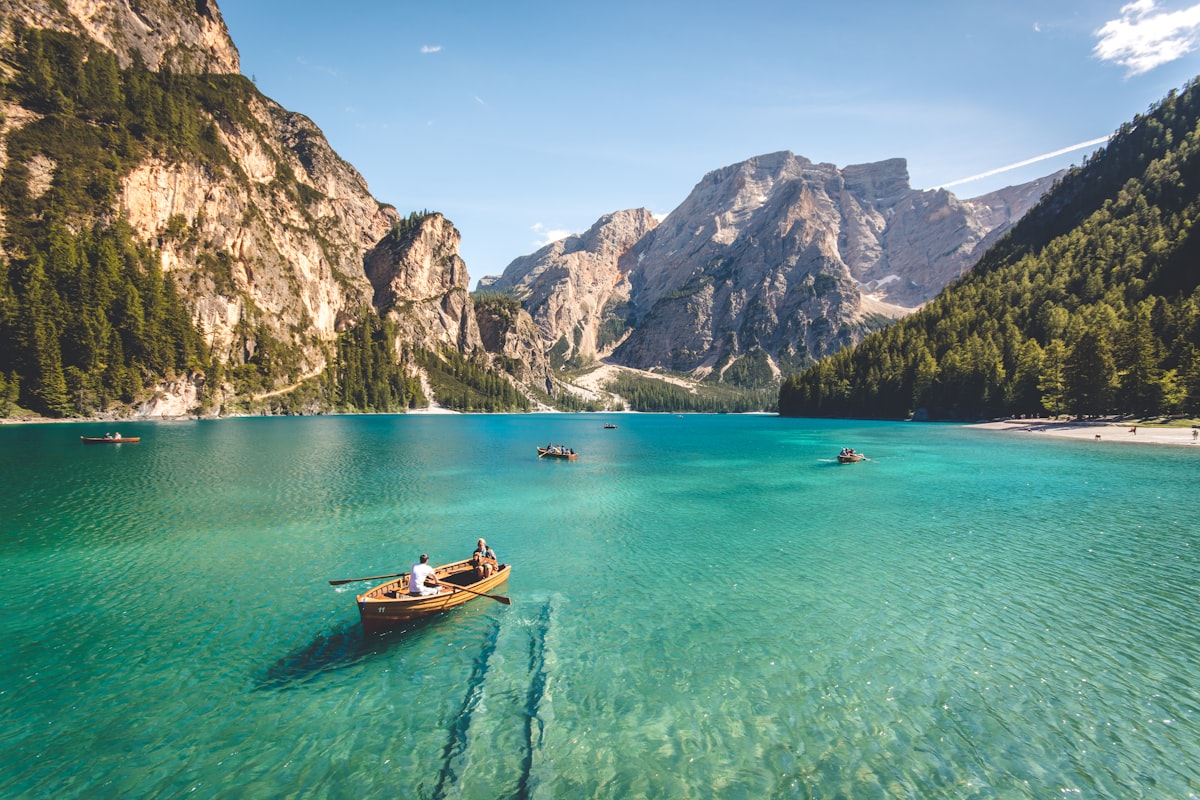
Is your well in Tierra Del Sol producing less water than it used to? Hydrofracturing (also called hydrofracking) could be the solution to restore and even improve your well's water production without the expense of drilling a new well.
📋 In This Guide
- What is Hydrofracturing?
- Signs Your Tierra Del Sol Well Needs Hydrofracturing
- The Hydrofracturing Process
- Cost vs. New Well Drilling in Tierra Del Sol
- Why Choose SCWS for Hydrofracturing?
- Related Articles
Southern California Well Service provides professional hydrofracturing services throughout San Diego County to help homeowners and property owners increase their well yield.
What is Hydrofracturing?
Hydrofracturing is a well rehabilitation technique that uses high-pressure water to clean and expand existing fractures in the bedrock surrounding your well. This process:
- Clears mineral deposits and sediment blocking water flow
- Opens new pathways for groundwater to reach your well
- Can increase well yield by 2-10 times in many cases
- Extends the life of your existing well
Unlike oil and gas fracking, well hydrofracturing uses only clean water—no chemicals are involved.
Signs Your Tierra Del Sol Well Needs Hydrofracturing
- Declining water production over time
- Well runs dry during peak usage
- Slow recovery rate after pumping
- Pump cycling on and off frequently
- Lower water pressure than previous years
The Hydrofracturing Process
- Initial Assessment: We evaluate your well's current yield and condition
- Equipment Setup: Specialized high-pressure equipment is positioned at your well
- Isolation: Packers seal off sections of the well for targeted treatment
- Pressurization: Water is pumped at 500-3,000 PSI to fracture bedrock
- Development: Well is cleaned and tested for improved yield
Cost vs. New Well Drilling in Tierra Del Sol
In Tierra Del Sol, drilling a new well can cost $15,000-$50,000+ depending on depth. Hydrofracturing typically costs a fraction of that—often $3,000-$8,000—making it an excellent first option before considering a new well.
Many Tierra Del Sol wells that appear to be "going dry" can be successfully rehabilitated through hydrofracturing, saving homeowners tens of thousands of dollars.
Why Choose SCWS for Hydrofracturing?
- Founded 2020 · 60+ Years Family Heritage: We've rehabilitated thousands of wells across Southern California
- Licensed C-57 Contractor. CSLB License #1086994. Fully licensed for well drilling and service in California
- Specialized Equipment: Professional-grade hydrofracturing equipment
- Free Estimates: We'll assess your well and provide honest recommendations
Need Help With Your Well in Tierra Del Sol?
Our expert technicians serve Tierra Del Sol and all of San Diego County with professional well services.
Related Articles
Continue learning about well maintenance and troubleshooting
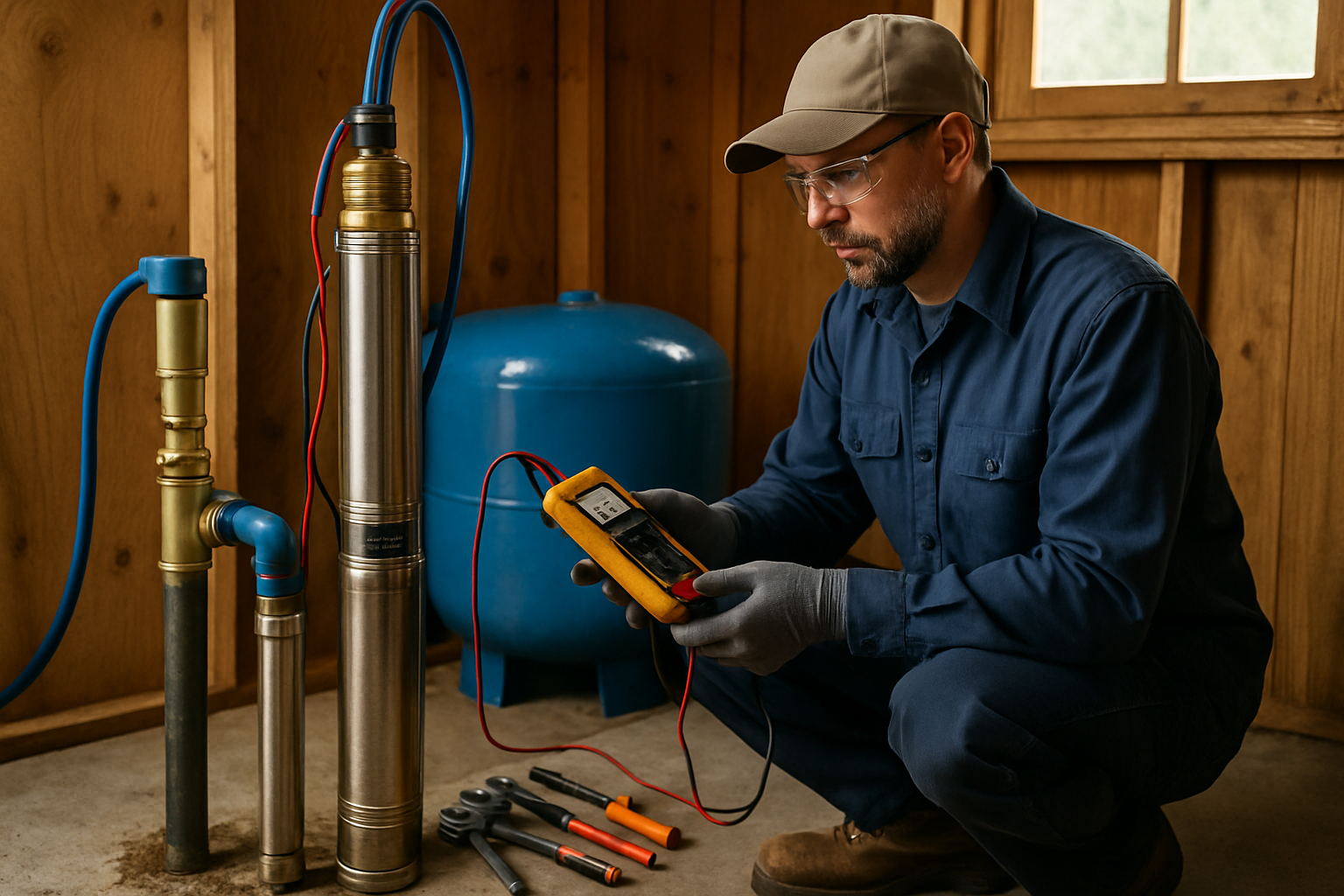
Signs Your Well Pump Is Failing
Catch pump problems early before you lose water completely.
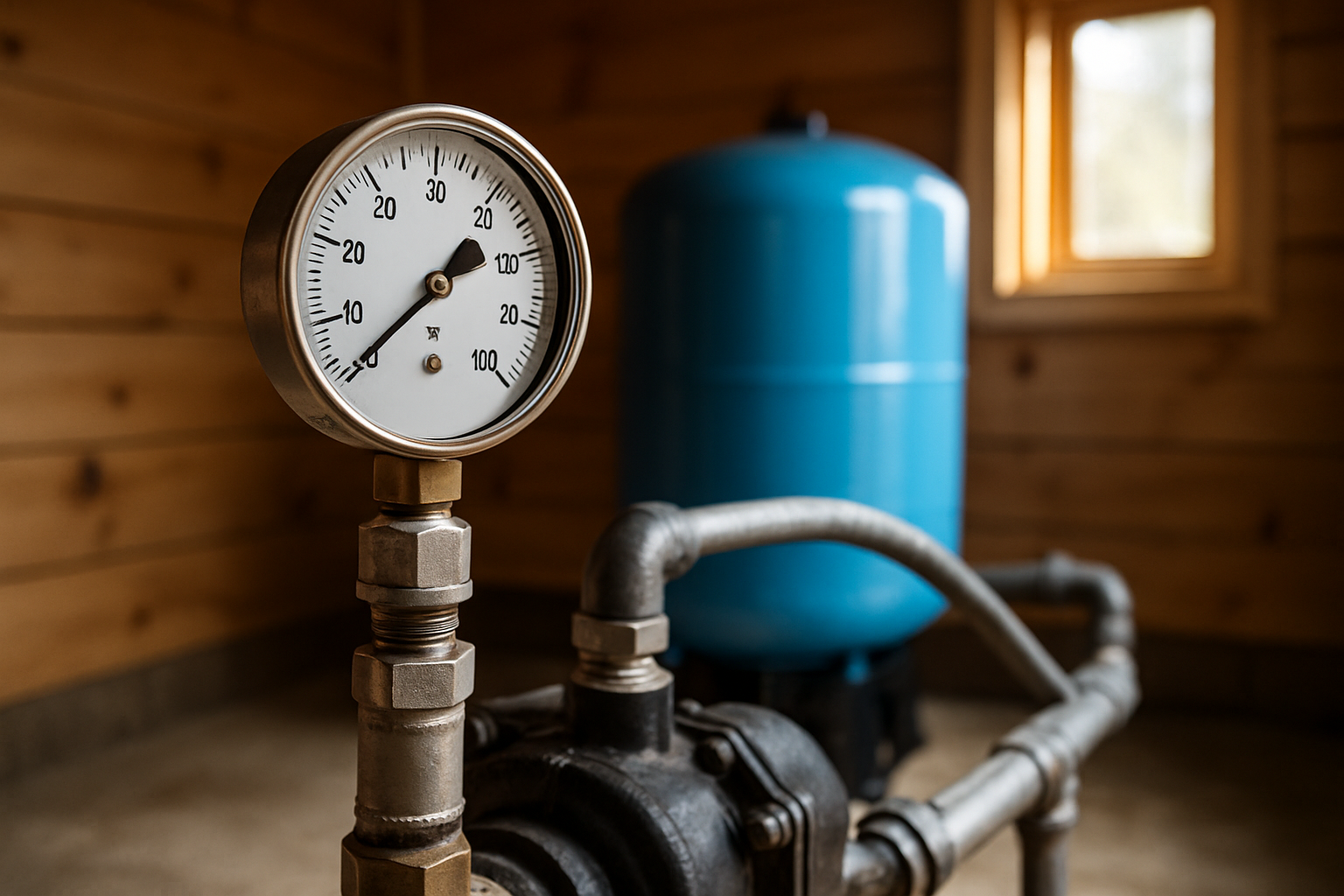
Low Water Pressure From Well
Diagnose and fix pressure problems before they get worse.
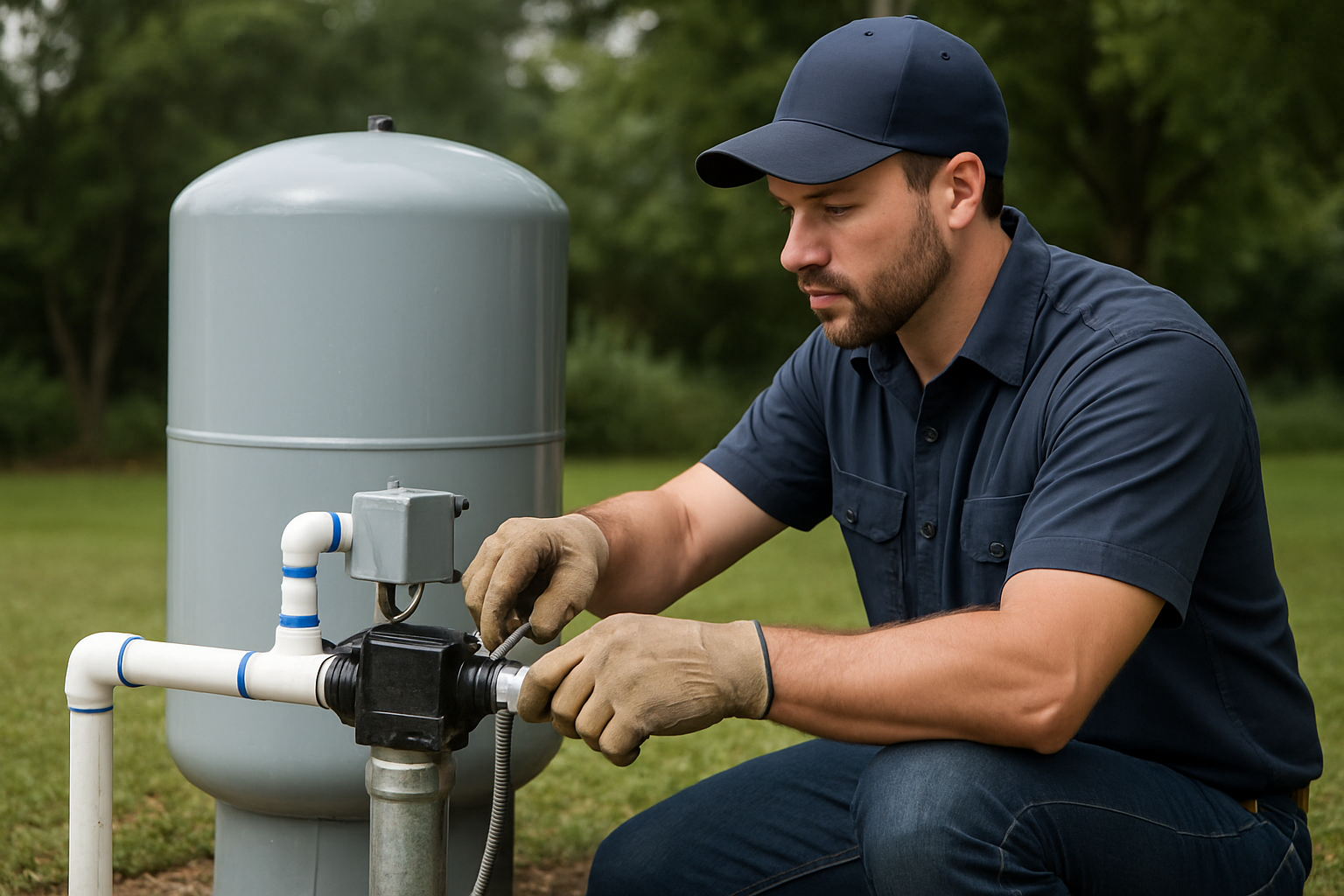
Well Maintenance Guide
Keep your well running smoothly with regular maintenance.
Our Locations
1077 Main St, Ramona, CA 92065
57174 CA-371 (US Hwy 79), Anza, CA 92539
Hydrofracturing for Low-Yield Wells in Tierra del Sol
Tierra del Sol sits in the far southeastern corner of San Diego County, tucked into the granite high country near Boulevard and the Mexican border, just off Old Highway 80 in the McCain Valley and Jacumba Mountains region. This is true rural backcountry: scattered ranches, off-grid homesteads, and properties with no municipal water main for miles. Almost every household here depends on a private well drilled into hard rock. When that well starts producing less water, the question becomes whether to spend $18,000-$42,000 on a brand-new well or try a far less expensive rehabilitation first. In Tierra del Sol, the answer is usually a clear-cut yes, hydrofracturing is worth trying, because the geology under your feet is almost ideal for it.
The bedrock beneath Tierra del Sol is Cretaceous-age granitic rock — the La Posta Tonalite — capped by a layer of decomposed granite (locally called "DG") that averages roughly 90 feet thick but varies widely. Below that weathered zone is solid, fractured crystalline rock. In this kind of formation a well does not draw from a sandy aquifer; it draws from individual cracks and fracture networks in the granite. Some of the best producing fractures in this area have been logged well below 1,000 feet. That fracture-fed geology is exactly the setting where hydrofracturing tends to work, because the technique is designed to open and connect those existing rock fractures.
How Hydrofracturing Works
Hydrofracturing (often spelled hydrofracking) restores yield to a hard-rock well by injecting clean water under high pressure to flush and widen the natural fractures that feed it. We lower an inflatable packer into the cased borehole, seal off a target zone, and pump water at pressures that commonly reach 1,500 to 3,000+ PSI. That pressure clears the silt, clay, and mineral scale that have plugged the hairline fractures over decades, and it can extend those fractures outward until they intersect water-bearing cracks the original drill never reached. No chemicals are used — only water. The full process generally runs four to eight hours, and we measure flow before and after so you can see the difference. In granite country like Tierra del Sol, a successful job often multiplies yield two to five times.
Common Causes of Low Yield in Tierra del Sol
Most low-yield calls we get from the Boulevard and Tierra del Sol area trace back to a handful of causes:
- Fracture plugging over time. Fine sediment and mineral precipitation slowly seal the cracks that feed a granite well, choking off flow even though the rock itself still holds water.
- A "marginal" well from the start. Many backcountry wells were drilled until they hit just enough water to get by. When demand grows or the water table drops, that thin margin disappears.
- Drought and falling water tables. Eastern San Diego County receives little rainfall, and multi-year droughts pull static water levels down, leaving the upper producing fractures dry.
- A well drilled between fracture zones. In fractured granite, two wells a few hundred feet apart can yield wildly different amounts depending on whether they happened to cross good fractures. Hydrofracturing can connect a "missed" borehole to nearby productive cracks.
What to Check Before You Call
A few simple observations help us point you toward the right fix:
- Track your recovery. If the well pumps fine for a while, then sputters and air-locks during a long shower or irrigation cycle, that is classic low-yield behavior rather than a pump failure.
- Note your well log depth. Knowing total depth, casing depth, and the original drilled yield (often on the state well completion report) tells us how much fractured rock is available to treat.
- Listen to the pump. Frequent rapid cycling or a pump that runs and runs without building pressure can point to either yield or equipment issues — we sort that out during the diagnostic.
- Rule out the obvious. A failed pressure switch ($150-$350), waterlogged pressure tank ($600-$1,500), or tired pump ($2,500-$5,500) can mimic a "dry well." We confirm the well is actually yield-limited before recommending hydrofracturing.
One more local factor matters here: because Tierra del Sol properties sit at elevation in the mountains east of the Laguna and Cuyamaca ranges, recharge depends on the limited rain and snowmelt that soaks into the granite uplands. That means a well's producing fractures are precious, and keeping an existing borehole connected to as many of them as possible is the most cost-effective way to maintain supply. Hydrofracturing does exactly that, which is why it remains our recommended first step for the vast majority of hard-rock wells in this corner of the county before anyone spends on a replacement.
When to Call a Professional
Hydrofracturing is not a do-it-yourself project. It requires high-pressure pumps, downhole packers, and the judgment to read a well's construction and decide whether the casing can safely take the pressure. If your Tierra del Sol well shows declining production, slow recovery, or seasonal shortages, a licensed contractor should evaluate it before you commit to anything expensive. We start with a diagnostic visit ($125, credited toward any work we perform), run a flow test, and inspect the casing with a downhole camera when needed. If the well is a poor candidate — for example, a shallow well sitting only in loose decomposed granite rather than fractured rock — we will tell you plainly and discuss alternatives such as deepening the existing borehole or drilling a new well.
Realistic Costs in the Tierra del Sol Area
For most hard-rock wells out here, hydrofracturing runs $3,000-$8,000, a fraction of a new well. A complete new turnkey well in this terrain typically costs $18,000-$42,000 because of the depth required to reach reliable fractures. If your problem turns out to be equipment rather than the well itself, common repairs are far cheaper: a submersible pump replacement runs $2,500-$5,500, a pressure switch $150-$350, a pressure tank $600-$1,500, sediment filtration $300-$900, an iron or manganese filter or softener $1,500-$3,500, and a constant-pressure or booster system $2,000-$4,500. Because hydrofracturing costs so much less than a replacement well and has a strong success rate in granite, it is almost always the right first step in Tierra del Sol.
Serving Tierra del Sol and the East County Backcountry
Southern California Well Service has been rehabilitating wells across the region since 2020. We work throughout the Boulevard, Tierra del Sol, Jacumba Hot Springs, Campo, and McCain Valley areas, as well as the rest of San Diego County. Our crews dispatch from our Ramona office at 1077 Main St, Ramona, CA 92065, and our Anza office at 57174 CA-371 (US Hwy 79), Anza, CA 92539. We are a licensed C-57 contractor, hold offer same-day emergency service when a household suddenly loses water.
Frequently Asked Questions
Is hydrofracturing a good fit for wells in Tierra del Sol? Yes. The fractured granite and crystalline bedrock under this area is the type of formation hydrofracturing was designed for, and it improves yield in roughly 70-80% of hard-rock wells we treat.
How much will my yield improve? Results vary, but a typical successful treatment in this granite country produces two to five times the pre-treatment flow rate. We measure flow before and after so the improvement is documented.
Could hydrofracturing damage my well? Done correctly, no. We inspect the casing first and isolate the treatment zone with packers so pressure is applied to the rock, not the casing seals. Wells with badly corroded or shallow casing are evaluated case by case.
What if hydrofracturing does not work on my well? No method is guaranteed, but with a strong candidate the odds are good. If a well does not respond, the diagnostic data we collect helps decide whether deepening or a new well is the better path, and your diagnostic fee is credited.
How deep are wells around Tierra del Sol? They vary widely. Decomposed granite averages about 90 feet, but the most reliable producing fractures here are often much deeper — in some logged wells well below 1,000 feet — which is one reason rehabbing an existing borehole is so attractive.
Are chemicals used in the process? No. Well hydrofracturing uses only clean water under pressure. It is unrelated to the chemical-based fracking used in oil and gas extraction.
Restore Your Tierra del Sol Well
If your backcountry well is slowing down, do not assume it is finished. In Tierra del Sol's granite formations, hydrofracturing restores reliable water to most wells for a fraction of the cost of drilling new. Call Southern California Well Service at (760) 440-8520 or text us at (760) 219-5877 to schedule a diagnostic and find out whether your well is a good candidate.