
Hydrofracturing Well Services in Torrey Pines, CA
Is your well in Torrey Pines producing less water than it used to? Hydrofracturing (also called hydrofracking) could be the solution to restore and even improve your well's water production without the expense of drilling a new well.
📋 In This Guide
- What is Hydrofracturing?
- Signs Your Torrey Pines Well Needs Hydrofracturing
- The Hydrofracturing Process
- Cost vs. New Well Drilling in Torrey Pines
- Why Choose SCWS for Hydrofracturing?
- Related Articles
Southern California Well Service provides professional hydrofracturing services throughout San Diego County to help homeowners and property owners increase their well yield.
What is Hydrofracturing?
Hydrofracturing is a well rehabilitation technique that uses high-pressure water to clean and expand existing fractures in the bedrock surrounding your well. This process:
- Clears mineral deposits and sediment blocking water flow
- Opens new pathways for groundwater to reach your well
- Can increase well yield by 2-10 times in many cases
- Extends the life of your existing well
Unlike oil and gas fracking, well hydrofracturing uses only clean water—no chemicals are involved.
Signs Your Torrey Pines Well Needs Hydrofracturing
- Declining water production over time
- Well runs dry during peak usage
- Slow recovery rate after pumping
- Pump cycling on and off frequently
- Lower water pressure than previous years
The Hydrofracturing Process
- Initial Assessment: We evaluate your well's current yield and condition
- Equipment Setup: Specialized high-pressure equipment is positioned at your well
- Isolation: Packers seal off sections of the well for targeted treatment
- Pressurization: Water is pumped at 500-3,000 PSI to fracture bedrock
- Development: Well is cleaned and tested for improved yield
Cost vs. New Well Drilling in Torrey Pines
In Torrey Pines, drilling a new well can cost $15,000-$50,000+ depending on depth. Hydrofracturing typically costs a fraction of that—often $3,000-$8,000—making it an excellent first option before considering a new well.
Many Torrey Pines wells that appear to be "going dry" can be successfully rehabilitated through hydrofracturing, saving homeowners tens of thousands of dollars.
Why Choose SCWS for Hydrofracturing?
- Founded 2020 · 60+ Years Family Heritage: We've rehabilitated thousands of wells across Southern California
- Licensed C-57 Contractor. CSLB License #1086994. Fully licensed for well drilling and service in California
- Specialized Equipment: Professional-grade hydrofracturing equipment
- Free Estimates: We'll assess your well and provide honest recommendations
Need Help With Your Well in Torrey Pines?
Our expert technicians serve Torrey Pines and all of San Diego County with professional well services.
Related Articles
Continue learning about well maintenance and troubleshooting

Signs Your Well Pump Is Failing
Catch pump problems early before you lose water completely.
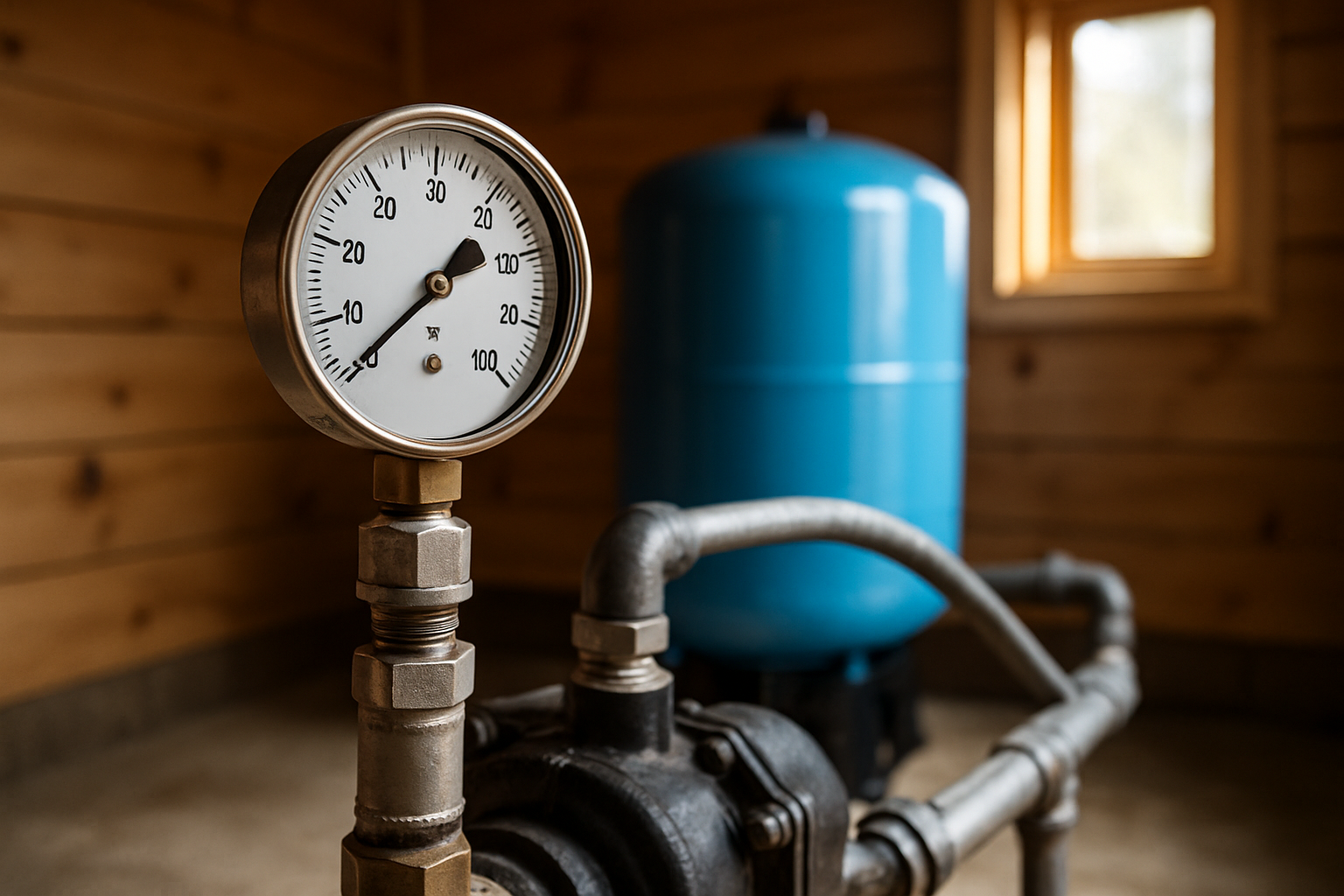
Low Water Pressure From Well
Diagnose and fix pressure problems before they get worse.
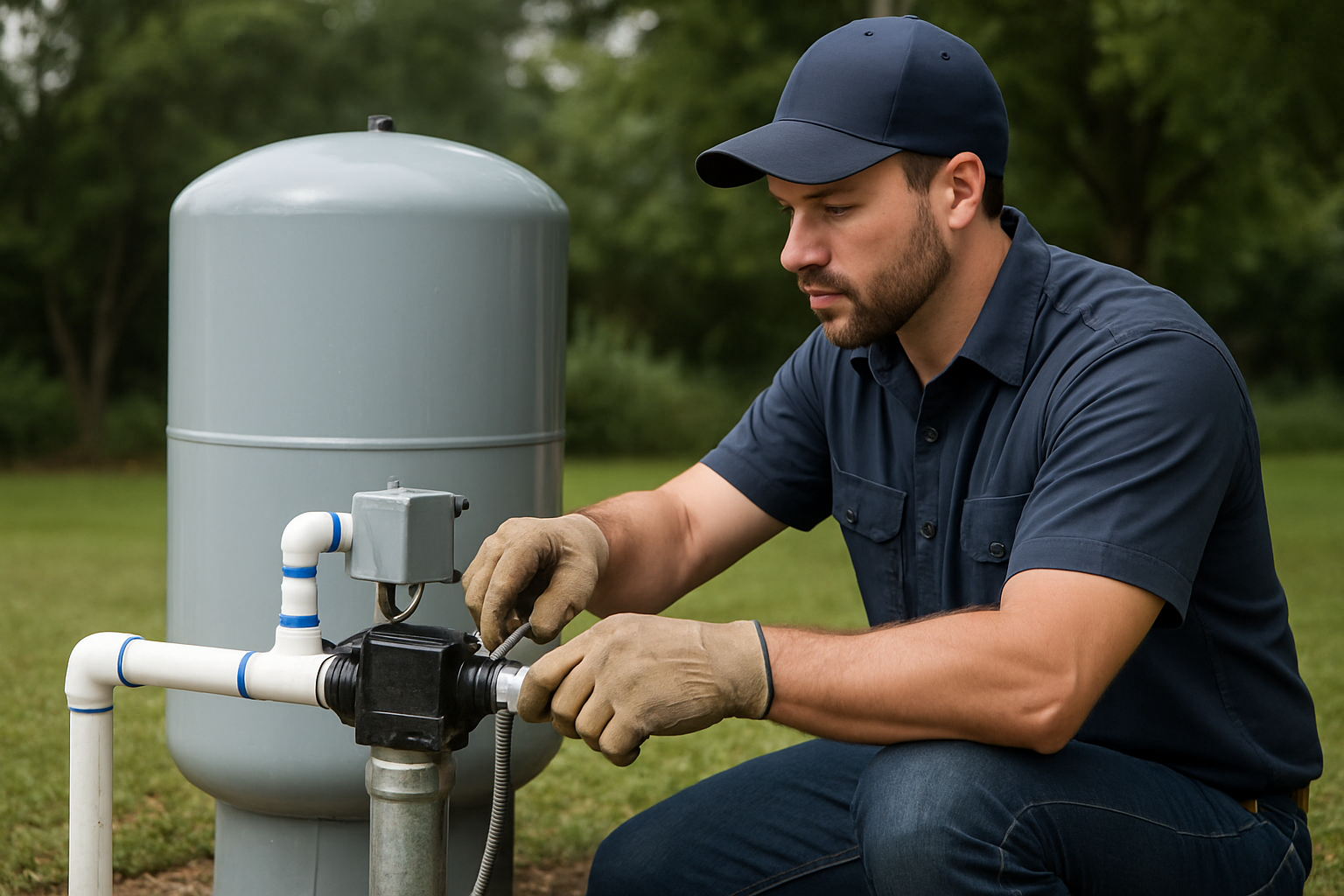
Well Maintenance Guide
Keep your well running smoothly with regular maintenance.
Our Locations
1077 Main St, Ramona, CA 92065
57174 CA-371 (US Hwy 79), Anza, CA 92539
Hydrofracturing Near Torrey Pines: An Honest Coastal Perspective
Torrey Pines is a coastal area on the northern edge of the City of San Diego, San Diego County, home to the Torrey Pines State Natural Reserve, the famous golf course, and the bluffs above Black's Beach, bordered by La Jolla to the south and Del Mar to the north and tied into the University City and North Torrey Pines research and residential corridor. It is an established, high-value coastal community served entirely by the City of San Diego's municipal water system. Because of that, hydrofracturing is a weak fit for properties in the Torrey Pines area. We would rather give coastal homeowners the honest picture than suggest a rural well service applies where it does not.
What Hydrofracturing Is — and Is Not
Hydrofracturing (hydrofracking) is a method for restoring yield to private water wells drilled into hard, fractured bedrock, using high-pressure clean water to clean and widen the fractures that feed the well. It is meant for rural properties dependent on their own groundwater. The Torrey Pines area is fully urbanized and connected to municipal water; homes draw treated city water, not groundwater from individual wells. With no producing private well on a typical coastal lot, hydrofracturing has nothing to act on.
Coastal Geology and Why It Compounds the Mismatch
Beyond being on city water, the Torrey Pines coast presents geology that is doubly unsuited to private water wells. The bluffs here are built of the Torrey Sandstone and related Eocene marine sedimentary formations — relatively soft, layered sandstone and mudstone, not the hard crystalline granite found inland. Two issues follow. First, soft sedimentary rock is not the brittle, fracture-bearing formation that hydrofracturing is designed to open. Second, in a coastal setting, shallow groundwater is vulnerable to saltwater intrusion from the adjacent ocean, making it a poor and often unusable supply source. So even in the rare event a coastal parcel had a well, the formation and the seawater risk would both argue against relying on it — and against hydrofracturing as a remedy.
What "Low Water" Means on the Coast
- Pressure-regulator failure. The pressure-reducing valve at a home's service connection is a frequent cause of low household pressure and is a routine plumbing replacement that quickly restores normal pressure.
- Older or corroded piping. Some long-established coastal homes have aging supply lines that restrict flow.
- Hard-water scale. San Diego's imported supply is naturally hard; this is a water-treatment question, not a well question.
- Elevation and bluff-top effects. Homes high on the bluffs may notice distribution-pressure differences that a booster or regulator can address.
These are plumbing and treatment matters for a licensed plumber or treatment specialist — not well problems, and not candidates for hydrofracturing.
How Hydrofracturing Works, For the Rare Inland Well
If you own property inland in San Diego County with a genuine hard-rock well, the process is well established: we isolate a zone of the cased borehole with inflatable packers and inject clean water at 1,500-3,000+ PSI, flushing and widening the granite fractures that feed the well and often improving yield two to five times. No chemicals are used, and the job runs four to eight hours with documented flow tests. But this is a backcountry and rural-foothill scenario — not a coastal-bluff one. On the Torrey Pines coast, the combination of municipal supply, soft sedimentary rock, and seawater-intrusion risk makes it inapplicable.
Why Coastal Homeowners Still Ask About It
We field questions about hydrofracturing from coastal San Diego residents more often than you might expect, usually because someone has read a general article promising dramatic increases in well water and wants to know whether it could lower their water bill or boost pressure. It is a fair question, and the honest answer is that the technique was never meant for a setting like Torrey Pines. It applies to a homeowner who owns and depends on a private well in hard rock, where the goal is to reconnect the borehole to more of the fractures that carry groundwater. A coastal property on imported municipal water, perched on soft marine sandstone above the surf, has none of those conditions. Nothing about injecting high-pressure water into the ground here would change what comes out of the tap, because the tap is fed by the regional distribution system, not by the rock below the bluff. Knowing that up front spares coastal owners an unnecessary service visit and points them to the plumbing or treatment fix that will actually make a difference. We consider that kind of straight guidance part of the job, even when it means telling you we are not the contractor you need.
What to Check Before You Call
- Confirm your water source. A City of San Diego water bill means you are on municipal water with no producing well.
- Use a pressure gauge at an outdoor spigot to see whether the issue is whole-house or fixture-specific.
- Check the pressure-reducing valve at your main; a worn or failed one is a common and affordable fix that often resolves the complaint entirely.
- Separate hardness complaints (scale, spotting) from flow complaints — hardness points to treatment.
When to Call a Professional
For coastal city-water pressure and plumbing issues, a licensed plumber is the right professional, and for hardness, a water-treatment specialist. If you own a true private well elsewhere in San Diego County and it is underperforming, that is where Southern California Well Service can genuinely help. We begin with a diagnostic ($125, credited toward any work), run a flow test and casing inspection, and recommend hydrofracturing only when the formation and the data clearly support it. We will not propose well services for a coastal home that is on the municipal system and sits on soft sedimentary rock.
Realistic Costs
For an appropriate inland bedrock well, hydrofracturing runs $3,000-$8,000 and a complete new well $18,000-$42,000 turnkey. Related well equipment, where it applies, includes a pump replacement $2,500-$5,500, a pressure switch $150-$350, a pressure tank $600-$1,500, sediment filtration $300-$900, iron or manganese filtration or a softener $1,500-$3,500, and a constant-pressure or booster system $2,000-$4,500. For a typical Torrey Pines coastal home on city water, your costs will be ordinary plumbing or treatment work, handled by the appropriate trade rather than a well contractor.
Serving the San Diego Coast and Beyond
Southern California Well Service has founded in 2020, with 60+ years of family heritage, with our well work concentrated in the rural and foothill parts of San Diego County where private bedrock wells are common. We dispatch from our Ramona office at 1077 Main St, Ramona, CA 92065, and our Anza office at 57174 CA-371 (US Hwy 79), Anza, CA 92539. We are a licensed C-57 contractor with we provide same-day emergency service for genuine well emergencies anywhere across San Diego County.
Frequently Asked Questions
Can hydrofracturing improve water pressure at my Torrey Pines home? No. Coastal homes here are on City of San Diego water, so pressure problems are plumbing or municipal in origin, and hydrofracturing does not apply.
Why is the coast a poor place for wells anyway? The bluff geology is soft Torrey Sandstone rather than hard fractured granite, and coastal groundwater is prone to saltwater intrusion — both reasons private wells are uncommon and hydrofracturing is unsuited here.
How do I know if I have a private well? If you pay a city water bill, you are on municipal water. A well would have its own wellhead, pump, and pressure tank with no metered city service.
My water leaves spots and scale — is that a well issue? No. That is hardness from imported water; a softener ($1,500-$3,500) is the appropriate fix.
I own inland property with a well — can you help there? Yes. In San Diego County's granitic backcountry, hydrofracturing can meaningfully restore an underperforming well, and we are glad to evaluate it.
Does the process use chemicals? No. Well hydrofracturing uses only clean water under pressure and is unrelated to oil-and-gas fracking.
Get a Candid Assessment
If you are in the Torrey Pines area, a water complaint almost always calls for a plumber or treatment specialist, and we will say so honestly. If you have a genuine private well elsewhere in San Diego County, call Southern California Well Service at (760) 440-8520 or text (760) 219-5877 for an honest evaluation, and we will gladly direct you to the right trade if your coastal home is better served by a plumber.