
Hydrofracturing Well Services in Twin Peaks, CA
Is your well in Twin Peaks producing less water than it used to? Hydrofracturing (also called hydrofracking) could be the solution to restore and even improve your well's water production without the expense of drilling a new well.
📋 In This Guide
- What is Hydrofracturing?
- Signs Your Twin Peaks Well Needs Hydrofracturing
- The Hydrofracturing Process
- Cost vs. New Well Drilling in Twin Peaks
- Why Choose SCWS for Hydrofracturing?
- Related Articles
Southern California Well Service provides professional hydrofracturing services throughout San Bernardino County to help homeowners and property owners increase their well yield.
What is Hydrofracturing?
Hydrofracturing is a well rehabilitation technique that uses high-pressure water to clean and expand existing fractures in the bedrock surrounding your well. This process:
- Clears mineral deposits and sediment blocking water flow
- Opens new pathways for groundwater to reach your well
- Can increase well yield by 2-10 times in many cases
- Extends the life of your existing well
Unlike oil and gas fracking, well hydrofracturing uses only clean water—no chemicals are involved.
Signs Your Twin Peaks Well Needs Hydrofracturing
- Declining water production over time
- Well runs dry during peak usage
- Slow recovery rate after pumping
- Pump cycling on and off frequently
- Lower water pressure than previous years
The Hydrofracturing Process
- Initial Assessment: We evaluate your well's current yield and condition
- Equipment Setup: Specialized high-pressure equipment is positioned at your well
- Isolation: Packers seal off sections of the well for targeted treatment
- Pressurization: Water is pumped at 500-3,000 PSI to fracture bedrock
- Development: Well is cleaned and tested for improved yield
Cost vs. New Well Drilling in Twin Peaks
In Twin Peaks, drilling a new well can cost $15,000-$50,000+ depending on depth. Hydrofracturing typically costs a fraction of that—often $3,000-$8,000—making it an excellent first option before considering a new well.
Many Twin Peaks wells that appear to be "going dry" can be successfully rehabilitated through hydrofracturing, saving homeowners tens of thousands of dollars.
Why Choose SCWS for Hydrofracturing?
- Founded 2020 · 60+ Years Family Heritage: We've rehabilitated thousands of wells across Southern California
- Licensed C-57 Contractor. CSLB License #1086994. Fully licensed for well drilling and service in California
- Specialized Equipment: Professional-grade hydrofracturing equipment
- Free Estimates: We'll assess your well and provide honest recommendations
Need Help With Your Well in Twin Peaks?
Our expert technicians serve Twin Peaks and all of San Bernardino County with professional well services.
Related Articles
Continue learning about well maintenance and troubleshooting

Signs Your Well Pump Is Failing
Catch pump problems early before you lose water completely.
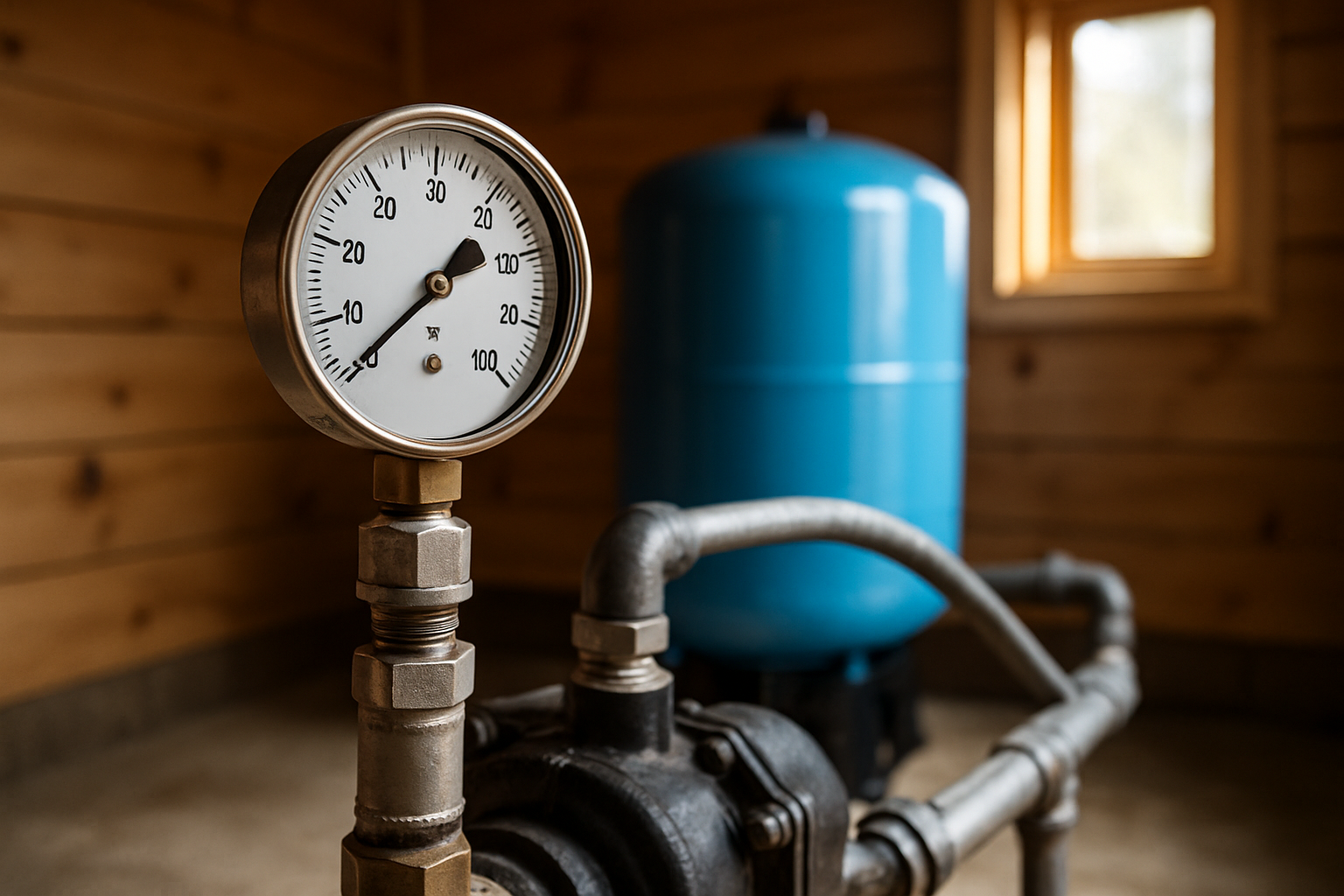
Low Water Pressure From Well
Diagnose and fix pressure problems before they get worse.
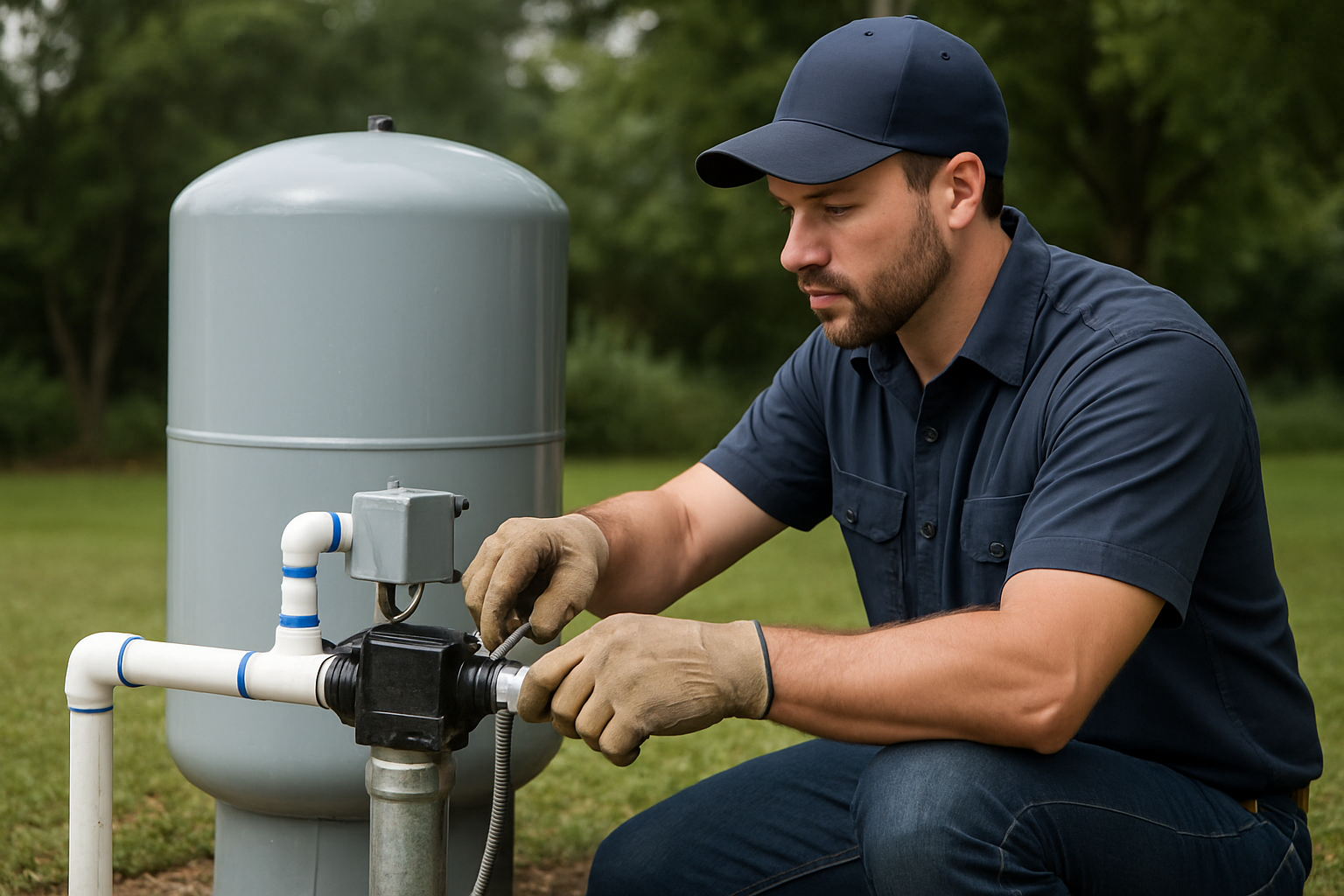
Well Maintenance Guide
Keep your well running smoothly with regular maintenance.
Our Locations
1077 Main St, Ramona, CA 92065
57174 CA-371 (US Hwy 79), Anza, CA 92539
Hydrofracturing for Mountain Wells in Twin Peaks
Twin Peaks sits high in the San Bernardino Mountains along Highway 189, tucked between Crestline, Blue Jay, and Lake Arrowhead in the rim-of-the-world country of San Bernardino County. Up here at roughly 5,200 feet, homes are scattered among the pines on steep granite slopes, and many of them rely on private wells rather than a municipal connection. Mountain wells like these are drilled straight into hard, fractured granite, which makes Twin Peaks one of the better places in all of Southern California for hydrofracturing to deliver a real, lasting improvement in well yield.
When a Twin Peaks well starts to fall behind, especially in the dry, hot stretch of late summer and early fall before the winter snows recharge the mountain, the instinct is often to assume the well is finished and a new one is the only answer. In fractured-granite terrain that is rarely true. More often the existing fractures have simply silted up or the borehole never intersected enough of them, and high-pressure hydrofracturing can reopen and extend that network for a fraction of the cost of redrilling on a tight, sloped mountain lot.
How Hydrofracturing Works in Mountain Granite
The process is straightforward and uses only clean water. We set an inflatable packer downhole to isolate a section of the well, then inject water at controlled pressures, commonly between 1,000 and 3,000 PSI. In the dense crystalline granite of the San Bernardino Mountains, that pressure does two things: it scours years of accumulated fine sediment and mineral scale out of the existing fractures, and it pries tight cracks open far enough to connect to water-bearing seams the original drill bit passed close to but never linked into. Because all of a mountain well's water arrives through these fractures, even a modest improvement in the network can translate into a large jump in gallons per minute.
A typical Twin Peaks job runs four to eight hours. We log a baseline flow rate first, treat one or more zones, then re-develop and re-test so you can see the measured before-and-after numbers. No chemicals, sand, or additives ever enter the well.
Common Causes of Low Yield in the Twin Peaks Area
- Silted fractures. Decades of pumping pull fine material into the cracks closest to the bore, gradually choking flow.
- Seasonal swing. Mountain water tables rise with winter snowmelt and fall through the dry summer, so a marginal well can keep up in spring and run short by September.
- A borehole that hit few fractures. In granite, two nearby wells can yield very differently depending on luck of the draw. Hydrofracturing improves the odds for the weaker one.
- Iron and mineral scaling. Mountain groundwater can carry enough dissolved minerals to slowly plate the fracture faces and reduce permeability.
Why Mountain Granite Responds So Well
The San Bernardino Mountains are built from the granitic and metamorphic rock of the southern California batholith, pushed up and fractured over millions of years by the same tectonic forces that raised the range. Unlike a sediment-filled valley where water saturates a porous layer of sand and gravel, a mountain like Twin Peaks stores and moves its groundwater almost entirely through the cracks in solid rock. That is the single biggest reason hydrofracturing performs better here than almost anywhere else we work. There is no loose formation to collapse, the rock holds an open fracture cleanly, and high pressure can propagate a crack a meaningful distance to tie the well into seams it could not previously reach. When people hear the word fracturing they sometimes picture the heavy industrial process used in oil fields, but well hydrofracturing is far gentler, uses only water, and is aimed at restoring a drinking-water supply rather than extracting hydrocarbons.
What to Check Before You Call
Not every water shortage at a Twin Peaks cabin is a low-yield well. Run through these first:
- Check whether a pressure tank or pressure switch is the real problem. Frequent short pump cycles usually mean tank or switch trouble, not the aquifer.
- In winter, rule out a frozen or partially frozen line, which is common at this elevation and mimics a dead well.
- Notice whether you only run short during heavy use. A recovery-limited well does fine on light demand and fades when several fixtures run at once.
- Watch for air sputtering at the taps, a sign the water level is being drawn down to the pump.
Planning Around the Mountain Seasons
Timing matters in Twin Peaks. The mountain recharges through winter and spring as snow and rain soak into the fracture system, and water levels are typically highest in those months and lowest by early fall. If your well is borderline, the worst time to discover it is on a hot September weekend with a full house. We encourage owners who noticed shortages last summer to schedule testing and any hydrofracturing well before the dry season returns, so the improved yield is in place when demand peaks. Winter access can be limited by snow on the rim-area roads, which is another reason to plan treatment for the milder shoulder seasons when our crews can reach your lot safely and work efficiently.
When to Call a Professional
Hydrofracturing on a steep, forested mountain lot demands specialized high-pressure equipment, downhole packers, and crews who know how San Bernardino Mountain granite behaves and how to get a rig safely onto a tight rim-area parcel. It is not a DIY job. Reach out when your yield has dropped noticeably, when a recently drilled well disappointed, or before you commit to the considerable expense of a new well up here. Our diagnostic visit is $125 and is credited toward any work we perform.
Realistic Cost Ranges
In the Twin Peaks and Lake Arrowhead area, hydrofracturing generally costs $3,000 to $8,000 depending on depth and how many zones we treat. A turnkey new well in this mountain terrain runs $18,000 to $42,000, and access challenges on steep lots can push it toward the high end. Related services include pump replacement ($2,500–$5,500), pressure switch replacement ($150–$350), a pressure tank ($600–$1,500), sediment filtration ($300–$900), iron or manganese treatment and softeners ($1,500–$3,500), and constant-pressure or booster systems ($2,000–$4,500), the last of which mountain homes with long uphill plumbing runs often appreciate.
What the Treatment Day Looks Like
On the day of service, our crew arrives early to get equipment positioned before the afternoon mountain weather rolls in. We pull the pump if it is in the way, run a baseline flow and recovery measurement, and then begin staged pressure work, watching how the formation accepts water and adjusting as we go. Experienced crews can read a lot from how a granite well takes pressure, and that judgment is a large part of why professional treatment outperforms a one-size-fits-all approach. After the pressure stages, we redevelop the well to clear loosened material, reinstall the pump, and run a final flow test. You receive a documented comparison of yield before and after. Most Twin Peaks homeowners are back to normal water use the same day, with the well continuing to settle and clear over the following day or two.
Serving Twin Peaks and the Mountain Communities
Southern California Well Service serves Twin Peaks, Crestline, Blue Jay, Lake Arrowhead, Rimforest, Skyforest, and the surrounding San Bernardino Mountain communities. We are a licensed C-57 contractor founded in 2020, with 60+ years of family heritage, working from our offices in Ramona (1077 Main St) and Anza (57174 CA-371 (US Hwy 79)). Same-day emergency service is available when a mountain home loses water.
Frequently Asked Questions
Is my Twin Peaks well a good candidate for hydrofracturing?
Almost certainly, if it is drilled into the fractured granite typical of the San Bernardino Mountains. Hard crystalline rock is the ideal formation for this technique.
How much improvement should I expect?
In mountain granite we frequently see yields improve two to five times. We document a before-and-after flow test so the gain is measurable rather than a guess.
Can you reach my home on a steep mountain lot?
In most cases, yes. We assess access during the diagnostic visit and bring equipment suited to the rim-area roads and grades. If access is truly impossible we will tell you up front.
Will hydrofracturing affect my water quality?
No chemicals are used, only clean water. You may see brief cloudiness right after treatment as loosened sediment clears, then the water returns to normal.
How long do results last at this elevation?
Often many years. Some mountain wells benefit from a second treatment after a decade or more as fractures slowly re-silt, but many never need it.
What happens if my well does not respond?
A minority of wells do not improve. If yours is one, we will discuss deepening, screen cleaning, or a new well, and your diagnostic fee is applied toward that next step.
Bring Your Twin Peaks Well Back Up to Speed
Before you assume your mountain well is done, let us test it. Call Southern California Well Service at (760) 440-8520 or text (760) 219-5877 for an honest assessment of whether hydrofracturing can restore your Twin Peaks well.