

Hydrofracturing for Low-Yield Wells in Viejas
Viejas sits in the rugged backcountry of central San Diego County, tucked into the foothills below the Cuyamaca and Laguna Mountains just east of Alpine off Interstate 8. Almost every parcel here draws its water from a private well drilled into hard rock — the decomposed granite and fractured crystalline bedrock of the Peninsular Ranges batholith that forms the spine of this part of the county. When a Viejas well starts producing less water than it once did, the problem usually isn't that the groundwater has vanished. More often, the narrow fractures that feed the borehole have become constricted by mineral scale, silt, and fine granitic sediment. Hydrofracturing — high-pressure water injection that reopens and extends those fractures — is frequently the most cost-effective way to restore flow without drilling a brand-new well.
Why Viejas Wells Lose Yield
Wells in hard-rock country don't draw from a sandy aquifer the way wells on a coastal plain do. Instead, water seeps in through a network of cracks, joints, and seams in the granite. In the Viejas and Japatul Valley area, those fractures are often thin and widely spaced, which is why a well that pumps four gallons a minute the year it's drilled can drop to one or two gallons a minute a decade later. Several local conditions accelerate the decline: hard, mineral-rich groundwater leaves calcium and iron deposits that slowly seal off fracture faces; San Diego County's long dry summers and recurring drought cycles lower the regional water table and starve the upper fractures; and fine decomposed-granite sediment migrates into the cracks nearest the borehole, choking the very pathways the pump depends on. The result is a well that recovers slowly after the pump runs, sputters air during the afternoon irrigation cycle, or simply can't keep up with a household and a few horses.
How Hydrofracturing Restores Flow
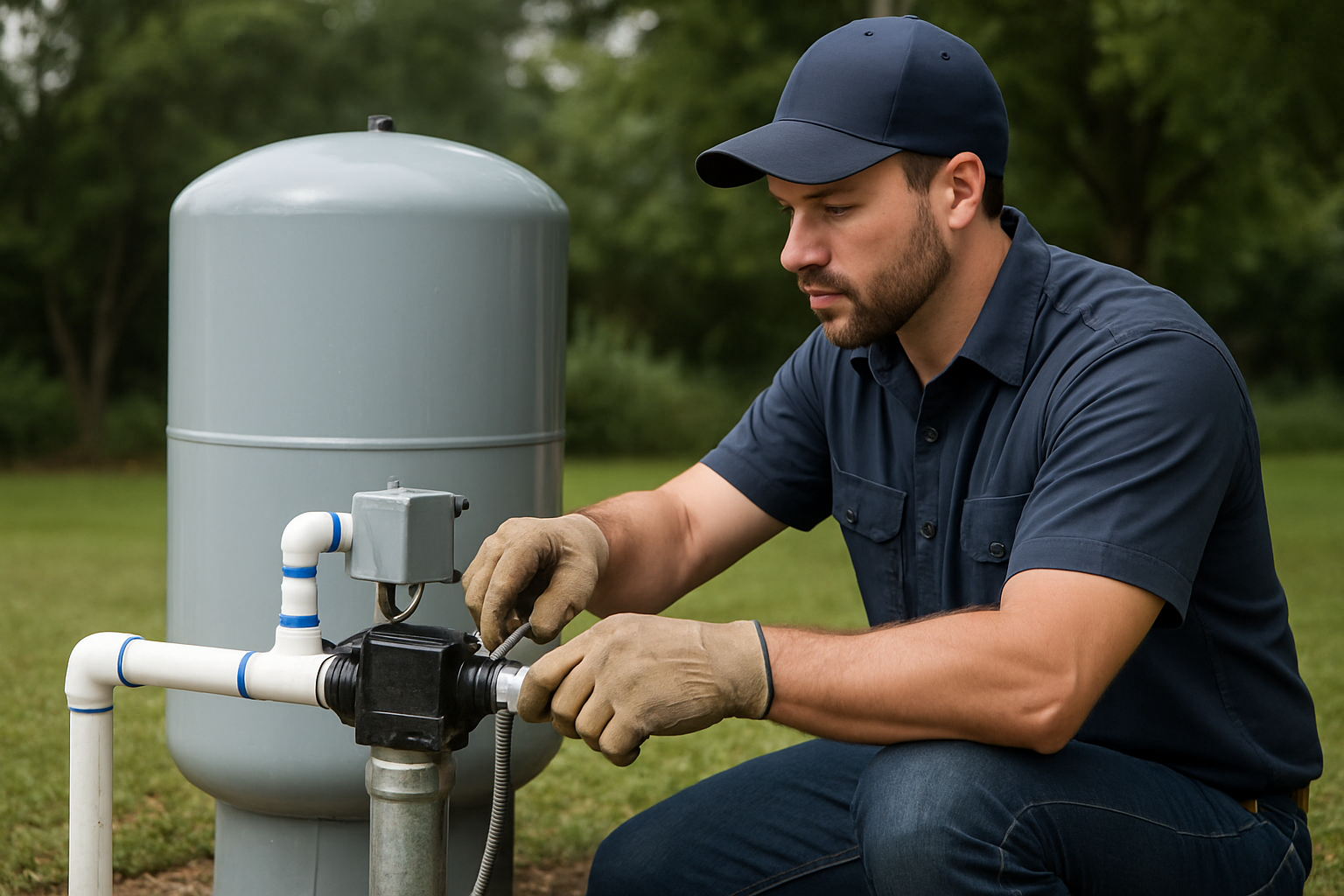
The process is straightforward and, despite the name, has nothing to do with the chemical-laden fracking used in oil and gas extraction. We use only clean water. After pulling your pump, we lower an inflatable packer into the well and seal off a target zone, then inject water at pressures between 1,500 and 3,000 PSI. That pressure pushes past the debris clogging existing fractures, flushes out the sediment and scale, and nudges open hairline cracks that were too tight to contribute water before. Often it connects the borehole to a more productive fracture set sitting just a few feet away in the rock. We typically treat several zones up and down the well so the whole productive interval benefits. Start to finish, a Viejas hydrofracturing job usually takes four to eight hours, and the well is back in service the same day or the next.
Signs Your Viejas Well Is a Good Candidate
Hydrofracturing works best on exactly the kind of wells common around Viejas — those finished in fractured granite or hard crystalline rock. You may benefit if you recognize any of these patterns:
- Gradual decline: the well produced noticeably more water when it was new and has tapered off over the years.
- Slow recovery: after heavy use the well needs hours to refill, and you've learned to ration showers and laundry.
- A disappointing new well: a recently drilled well hit rock but never delivered the flow you hoped for.
- Seasonal shortfalls: the well keeps up in winter but runs thin every summer and during drought years.
- Air in the lines: the pump pulls the water level down to the intake and starts cycling on sediment and air.
Wells finished in loose sand, gravel, or alluvial fill are the exception — those formations don't hold fractures open, so hydrofracturing isn't appropriate for them. In the Viejas backcountry that's rarely the situation; the overwhelming majority of wells here are in competent rock and respond well.
What to Check Before You Call
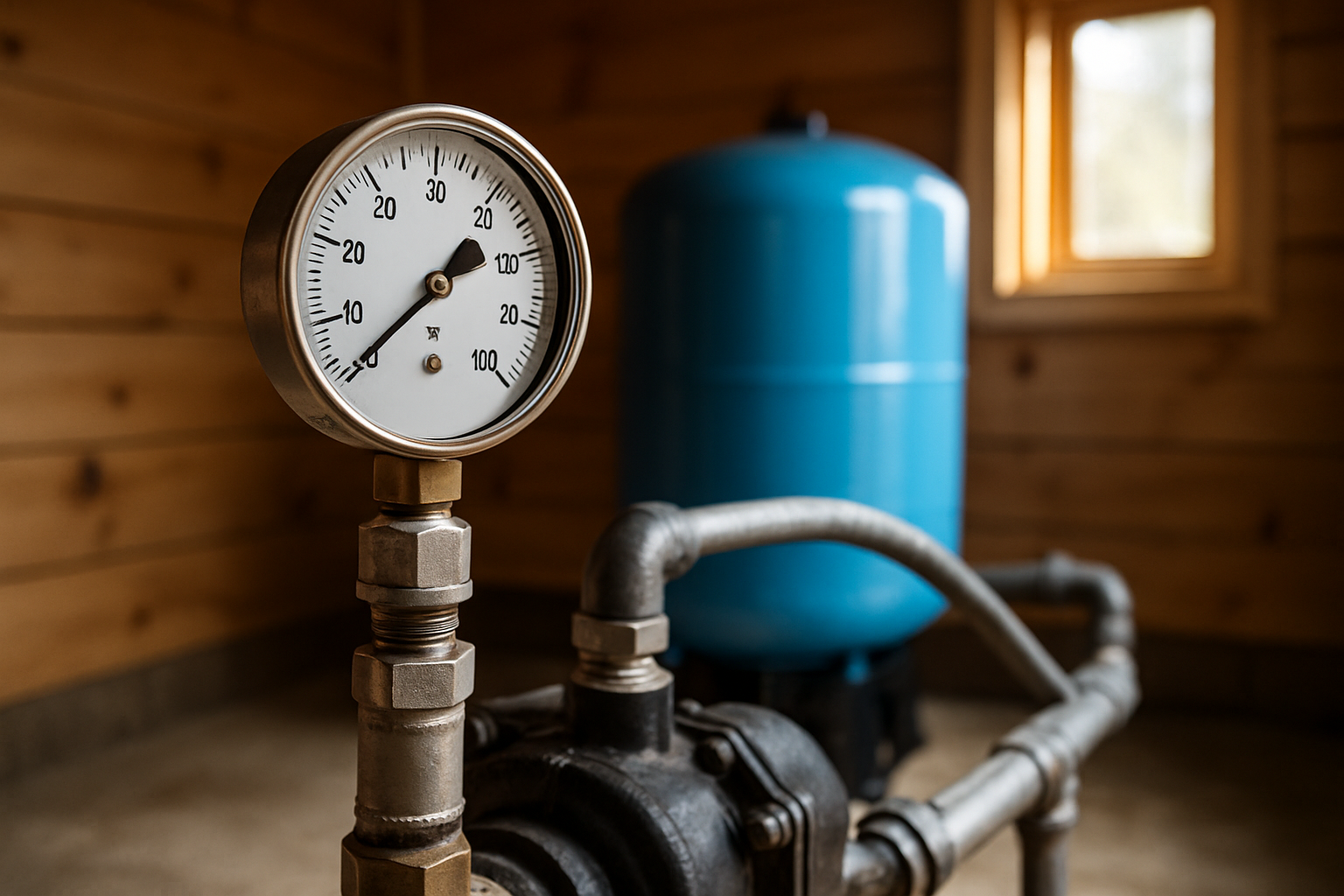
Before assuming the aquifer is the problem, it's worth ruling out the simpler culprits, because a worn pump or a failing pressure tank can mimic a low-yield well. Note how the trouble behaves: if pressure is weak at every fixture all the time, suspect the pump or pressure tank; if the well delivers fine at first but quits after sustained use and then needs hours to recover, that points to genuine low yield and a fracture problem. Check your pressure tank's air charge and listen for a pump that short-cycles rapidly. Keep a rough record of when the well struggles — time of day, season, which appliances are running. That history helps our technicians distinguish an equipment fault from a yield limitation and avoids paying to hydrofracture a well that only needed a $200 pressure switch.
Hydrofracturing vs. Drilling a New Well in Viejas
Drilling a replacement well in this terrain is expensive. Hard-rock drilling in the San Diego County backcountry, plus a new pump, pressure tank, wiring, and permitting, commonly runs $18,000 to $42,000 for a turnkey system — and there's no guarantee a new borehole a few yards away will hit better fractures. Hydrofracturing an existing well typically costs $3,000 to $8,000, a fraction of that, and it works with the well you already have and already know. Because it's so much cheaper and carries real upside, hydrofracturing is almost always worth trying first. In our experience across San Diego County's decomposed granite and fractured crystalline rock, the procedure improves yield in roughly 70 to 80 percent of suitable wells, with typical gains of two to five times the pre-treatment flow rate. We measure your flow before and after and document the result, so you'll know exactly what the treatment achieved.
What It Costs and What to Expect
A typical Viejas project begins with a $125 diagnostic visit — credited toward the work if you proceed — during which we run a baseline flow test and, where access allows, a downhole camera survey to confirm the well is finished in rock and to locate the most promising fracture zones. The hydrofracturing itself falls in the $3,000 to $8,000 range depending on well depth and how many zones we treat. If the work also turns up a tired pump or a waterlogged pressure tank, related repairs run in predictable ranges: a pressure switch is $150 to $350, a new pressure tank $600 to $1,500, and a replacement submersible pump $2,500 to $5,500. After treatment we run a post-job flow test, usually within 24 to 48 hours, and give you a written before-and-after comparison.
When to Call a Professional
Hydrofracturing is not a do-it-yourself job — it requires high-pressure equipment, packers rated for downhole use, and the experience to read how a particular well in this geology will respond. If your Viejas well is recovering slowly, running dry during peak demand, or never produced the yield you expected, that's the point to bring in a licensed well contractor for an assessment rather than continuing to nurse a failing supply. Catching a declining well early also protects your pump, which wears out fast when it's repeatedly run down to the intake.
Serving Viejas and the Surrounding Backcountry
Southern California Well Service has worked on wells throughout the eastern San Diego County mountains since 2020, including Viejas, Alpine, Japatul Valley, Descanso, Harbison Canyon, and Pine Valley. Our Ramona office puts a crew within easy reach of the I-8 corridor communities, and we understand the specific challenges of the granitic terrain out here — the variable fracture spacing, the hard mineral-laden water, and the way these wells behave through a dry summer. We're a licensed C-57 water well contractor offering same-day emergency response, and we'll give you an honest assessment of whether hydrofracturing makes sense for your particular well before you spend a dollar on treatment.
Frequently Asked Questions
Will hydrofracturing damage my Viejas well or contaminate the water?
No. The process uses only clean water under pressure — no chemicals are introduced. It cleans and reopens the natural fractures in the rock and does not harm a properly cased well. We pressure-test and inspect the casing beforehand to confirm the well is sound.
How much more water will my well produce afterward?
Most suitable wells in San Diego County's fractured rock see a two-to-five-times improvement in flow, though results vary with the geology of your specific site. Around 70 to 80 percent of candidate wells improve. We measure flow before and after so the gain is documented, not guessed.
How long does the treatment take and will I lose water service?
A typical Viejas hydrofracturing job takes four to eight hours. The well is generally back in service the same day or the next morning once the pump is reinstalled and the water clears.
Is my well too old or too deep to hydrofracture?
Age is rarely a barrier — older wells in hard rock are common candidates. Depth matters mainly for cost; deeper wells take longer and may cost more, but most residential wells in the Viejas area are well within the workable range. We confirm suitability during the diagnostic visit.
What if hydrofracturing doesn't improve my yield?
A small percentage of wells don't respond, usually because of the specific rock structure. We assess that risk up front with a flow test and camera survey, and we'll tell you honestly if your well is a poor candidate so you can weigh other options like a new well before spending on treatment.
How soon can you come out to Viejas?
We serve Viejas and the surrounding backcountry regularly and offer same-day emergency service when a well has failed. Call (760) 440-8520 or text (760) 219-5877 to schedule a diagnostic visit.
Restore Your Viejas Well's Flow
If your well is producing less than it used to, don't assume you need an expensive new one. Hydrofracturing may bring it back for a fraction of the cost. Call Southern California Well Service at (760) 440-8520 or text (760) 219-5877 for a straight answer and a free estimate on hydrofracturing your Viejas well.