
Hydrofracturing Well Services in Winchester, CA
Is your well in Winchester producing less water than it used to? Hydrofracturing (also called hydrofracking) could be the solution to restore and even improve your well's water production without the expense of drilling a new well.
📋 In This Guide
- What is Hydrofracturing?
- Signs Your Winchester Well Needs Hydrofracturing
- The Hydrofracturing Process
- Cost vs. New Well Drilling in Winchester
- Why Choose SCWS for Hydrofracturing?
- Related Articles
Southern California Well Service provides professional hydrofracturing services throughout Riverside County to help homeowners and property owners increase their well yield.
What is Hydrofracturing?
Hydrofracturing is a well rehabilitation technique that uses high-pressure water to clean and expand existing fractures in the bedrock surrounding your well. This process:
- Clears mineral deposits and sediment blocking water flow
- Opens new pathways for groundwater to reach your well
- Can increase well yield by 2-10 times in many cases
- Extends the life of your existing well
Unlike oil and gas fracking, well hydrofracturing uses only clean water—no chemicals are involved.
Signs Your Winchester Well Needs Hydrofracturing
- Declining water production over time
- Well runs dry during peak usage
- Slow recovery rate after pumping
- Pump cycling on and off frequently
- Lower water pressure than previous years
The Hydrofracturing Process
- Initial Assessment: We evaluate your well's current yield and condition
- Equipment Setup: Specialized high-pressure equipment is positioned at your well
- Isolation: Packers seal off sections of the well for targeted treatment
- Pressurization: Water is pumped at 500-3,000 PSI to fracture bedrock
- Development: Well is cleaned and tested for improved yield
Cost vs. New Well Drilling in Winchester
In Winchester, drilling a new well can cost $15,000-$50,000+ depending on depth. Hydrofracturing typically costs a fraction of that—often $3,000-$8,000—making it an excellent first option before considering a new well.
Many Winchester wells that appear to be "going dry" can be successfully rehabilitated through hydrofracturing, saving homeowners tens of thousands of dollars.
Why Choose SCWS for Hydrofracturing?
- Founded 2020 · 60+ Years Family Heritage: We've rehabilitated thousands of wells across Southern California
- Licensed C-57 Contractor. CSLB License #1086994. Fully licensed for well drilling and service in California
- Specialized Equipment: Professional-grade hydrofracturing equipment
- Free Estimates: We'll assess your well and provide honest recommendations
Need Help With Your Well in Winchester?
Our expert technicians serve Winchester and all of Riverside County with professional well services.
Related Articles
Continue learning about well maintenance and troubleshooting

Signs Your Well Pump Is Failing
Catch pump problems early before you lose water completely.
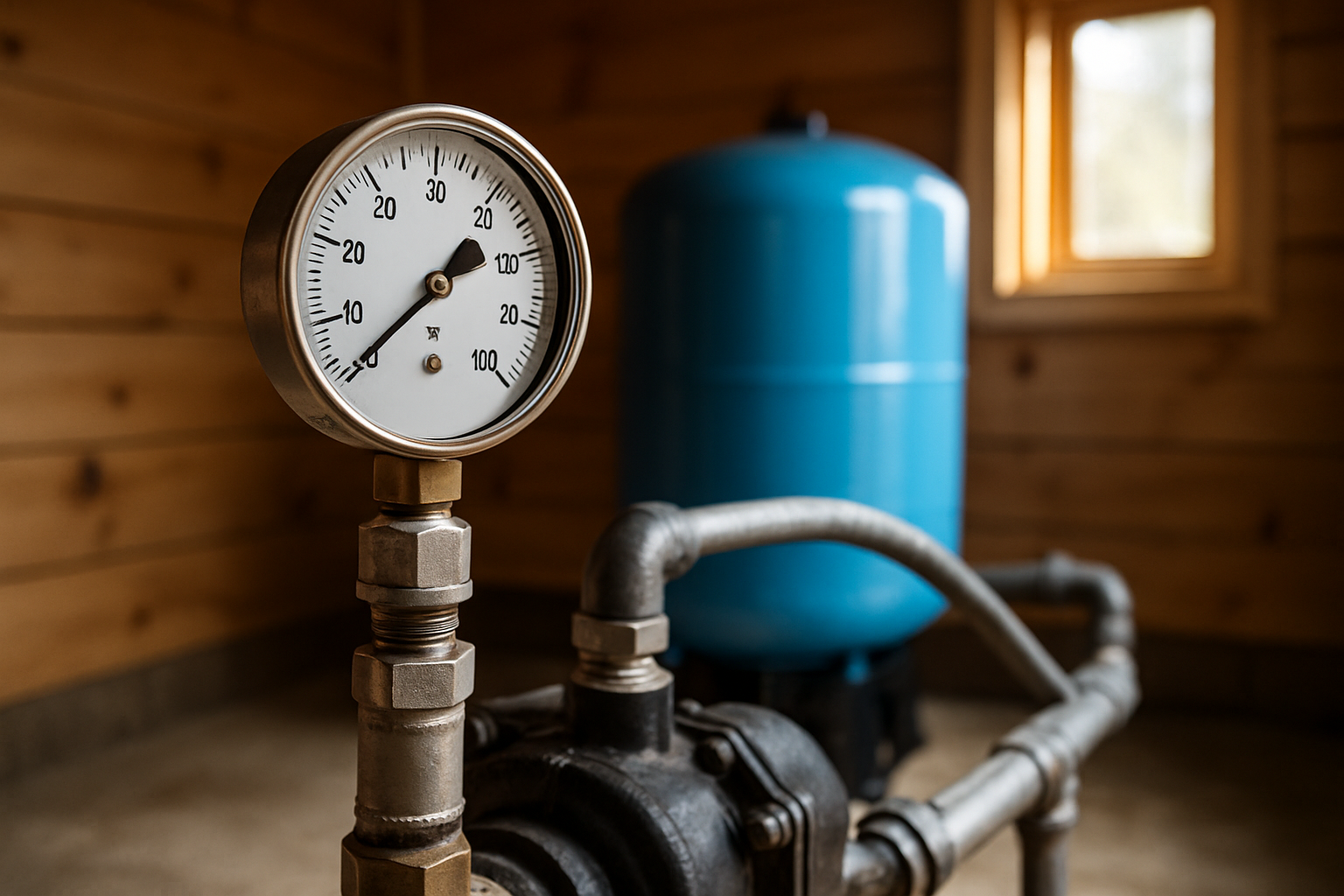
Low Water Pressure From Well
Diagnose and fix pressure problems before they get worse.
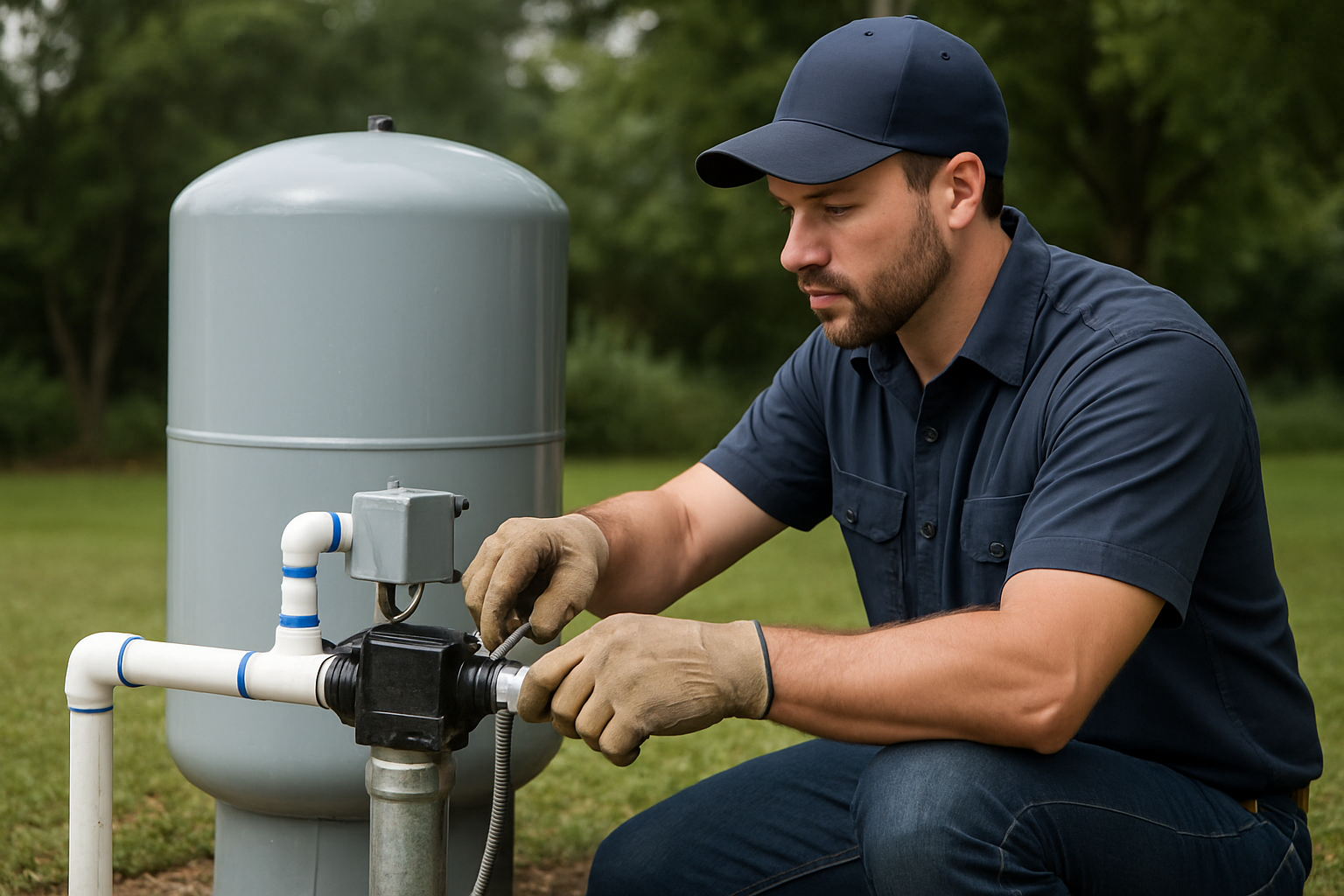
Well Maintenance Guide
Keep your well running smoothly with regular maintenance.
Our Locations
1077 Main St, Ramona, CA 92065
57174 CA-371 (US Hwy 79), Anza, CA 92539
Hydrofracturing for Winchester Wells: An Honest Look at the Geology
Winchester is a rural-suburban community in central Riverside County, sitting northeast of Murrieta and stretching toward Hemet and Diamond Valley Lake, with the broad Domenigoni Valley close by. It is still very much agricultural country in places—hay, pasture, citrus, and horse property mixed in among newer housing tracts—and a great many of those properties run on private wells. When a Winchester well starts falling behind on hot summer days, hydrofracturing is one of the options worth weighing. But Winchester's geology is genuinely mixed, so the right answer depends on where your particular well sits and what it draws from.
The Winchester area is a patchwork. Out in the valley bottoms and the old farmed flats, wells often tap unconsolidated alluvium—the sand, gravel, and clay that fills the valley. Up against the granitic hills that ring the area, and in the higher ground toward Domenigoni and the foothills, wells are commonly finished in fractured granite and crystalline bedrock. That distinction is everything for hydrofracturing, because the technique only does useful work in fractured rock. A well producing from loose valley alluvium is generally a poor candidate, and we will tell you that up front rather than after you have paid.
What Hydrofracturing Is—and Isn't
Hydrofracturing, sometimes written hydrofracking, is a chemical-free way to rejuvenate a water well. The process is simple in concept: we seat inflatable packers in the well to isolate a section, then inject clean water into that zone at high pressure, generally in the range of 1,500 to 3,000+ PSI. The pressurized water cleans years of silt and mineral scale out of the natural fractures in the surrounding rock and opens those fractures a little wider, giving groundwater more pathways into the well. A treatment usually takes between four and eight hours and uses nothing but water.
What it is not is a cure-all. Despite the unfortunate name overlap, this has nothing to do with the oil-and-gas industry's hydraulic fracturing—no sand proppant, no chemical slurry, no deep shale. And critically, it cannot create water-bearing fractures where the formation is loose sediment instead of rock. In sand and gravel there is nothing to fracture; the pressure simply dissipates. That is why a Winchester homeowner's first question should be about the formation, not the price.
Telling a Granite Well From an Alluvial Well
Because Winchester straddles both worlds, identifying your well type is the most important step. Here is how to do it:
- Start with the well completion report (driller's log). This state-filed document records the materials the borehole passed through. Entries naming "granite," "decomposed granite," "weathered rock," or "fractured bedrock" suggest a good hydrofracturing candidate. Entries dominated by "sand," "gravel," and "clay" with a long perforated interval suggest an alluvial well that won't benefit.
- Look at the well's construction. Granitic wells are usually drilled open-hole into solid rock below the surface casing. Alluvial wells rely on screen or perforations across the producing sand layers. Open rock responds to fracturing; screened sand does not.
- Consider location and elevation. Properties up on or against the granitic hills and toward the foothills are far more likely to have rock wells. Wells on the flat farmed valley floor are more likely to be in alluvium.
- Use a camera if records are missing. Many older Winchester ranch wells predate good recordkeeping. A downhole video survey shows the casing and the open rock face directly, so nobody has to guess.
If your Winchester well turns out to be an alluvial well, hydrofracturing is the wrong tool, and we'll say so. In that case the productive conversation is usually about pump and screen condition, well deepening, or—if the aquifer itself is the limit—a new well in a better location.
Typical Winchester Situations
Consider a horse property out toward Domenigoni Valley where the well is drilled into granite and the owner is hauling water by August to keep troughs full. That well is a strong fracturing candidate, and a treatment often restores the kind of flow it had years ago. Compare that with an older row-crop parcel on the valley floor whose well is screened in sand and gravel: as the regional water table fluctuates, that well's output rises and falls with it, and no amount of pressure in the borehole will change the aquifer. Then there is the common case of a newer rock well that came in weaker than the neighbors'—frequently the drilling never fully connected the natural fracture network, and a development frac can open it up.
What the Job Looks Like and What to Expect
We begin with a baseline flow test so we know exactly where you're starting. A camera survey, where appropriate, checks the casing and pinpoints fracture zones worth targeting. We then isolate those zones with packers and raise pressure in controlled stages, observing how readily the formation takes water—a good sign the fractures are opening. After treatment we re-test the yield, normally confirming results inside 24 to 48 hours, and hand you a documented before-and-after. On sound fractured-rock wells in this area, a two-to-five-times improvement is a reasonable hope, but yields vary well to well and we never promise an exact figure.
Cost: Treatment vs. a New Well
For most Winchester owners, the math favors trying hydrofracturing first when the well qualifies. A new turnkey well here typically runs $18,000 to $42,000. Hydrofracturing a suitable existing well generally runs $3,000 to $8,000. Our diagnostic visit is $125 and is credited toward the work if you proceed. Depending on the rest of your system, you might also encounter a pressure switch ($150-$350), a pressure tank ($600-$1,500), a submersible pump ($2,500-$5,500), sediment filtration ($300-$900), a water softener ($1,500-$3,500), or a constant-pressure/booster setup ($2,000-$4,500). The point of the diagnostic is to make sure money goes toward what will actually help.
When It's Time to Call
Reach out when your Winchester well is producing less than it once did, runs short during peak irrigation, recovers slowly after pumping, or cycles the pump on and off too often. Those signs justify a professional assessment. Southern California Well Service is a C-57 licensed contractor (CSLB #1086994) with since 2020 , and we treat an honest diagnosis—including "don't do this"—as part of the job.
Serving Winchester and the Surrounding Area
We serve Winchester and nearby Hemet, San Jacinto, Menifee, Murrieta, and the Domenigoni Valley across Riverside County. Our Anza office on US Highway 79 keeps a crew within reach of the Winchester area, with our Ramona office providing additional support, and we offer same-day emergency service when a home loses water without warning.
The smartest first move is the cheapest one: find out what your well is built in. Call (760) 440-8520 or text (760) 219-5877, and we'll review your driller's log, evaluate the well, and tell you honestly whether hydrofracturing makes sense for your Winchester property.
Winchester Hydrofracturing FAQ
Is my Winchester well a good candidate for hydrofracturing?
It depends on the formation. Wells finished in fractured granite or decomposed granite—common on and near the hills and toward Domenigoni Valley—are good candidates. Wells screened in the loose sand and gravel of the valley floor generally are not. We confirm your well type before recommending anything.
What's the difference between a rock well and an alluvial well?
A rock well is usually open-hole in solid fractured granite below the surface casing, and it produces water through fractures that hydrofracturing can clean and open. An alluvial well is screened across sand and gravel; it has no fractures to treat, so the technique won't help it.
How can I check which type I have?
Read your well completion report (driller's log) for the materials drilled through, or ask whether the well is open-hole in rock versus screened in sand. If there's no record, we can run a downhole camera to see for ourselves.
Does hydrofracturing use chemicals?
No. It uses only clean water under pressure. It is completely separate from oil-and-gas fracking and adds nothing to your water.
How much can I expect to spend?
Hydrofracturing a qualifying well typically costs $3,000-$8,000, far less than the $18,000-$42,000 range for a new well. The $125 diagnostic is credited toward the work if you go ahead.
What happens if hydrofracturing won't help my well?
We tell you directly and discuss alternatives that fit, such as pump or screen rehabilitation, deepening the well, or drilling a new one in a better spot. We don't recommend treatment that your geology won't reward.