
Low Flow or Low Yield Well in National City
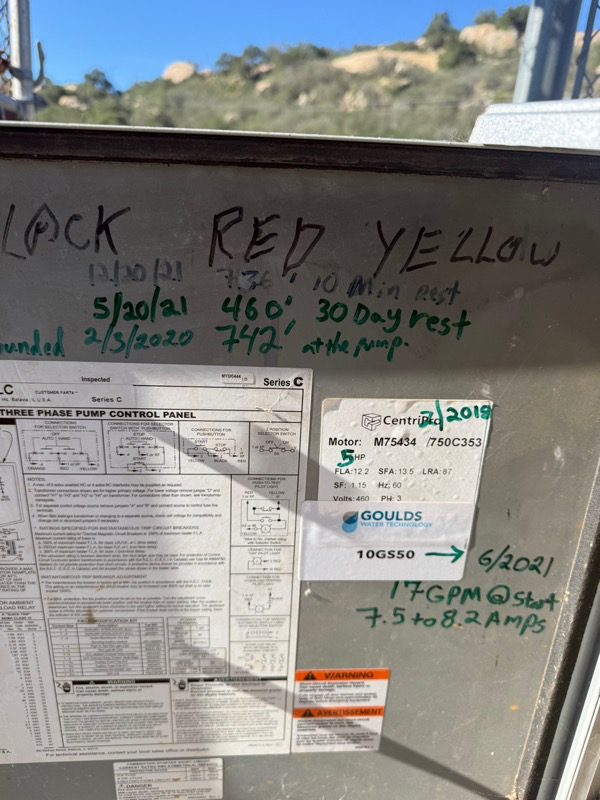
Is your National City well not producing enough water for your needs? Low flow wells are frustrating, but there are proven solutions to improve your water supply.
📋 In This Guide
- Understanding Well Yield
- Solutions for Low Flow Wells
- Living with a Low Flow Well
- Free Well Yield Evaluation
- Related Articles
Understanding Well Yield
Well yield is measured in gallons per minute (GPM). Typical requirements:
- Single family home: 3-5 GPM minimum
- Large family/multiple bathrooms: 6-12 GPM
- Small farm/livestock: 10-20 GPM
- Agricultural irrigation: 50-500+ GPM
Many San Diego County wells produce 1-3 GPM—technically "low flow" but manageable with proper system design.
Solutions for Low Flow Wells
Storage Tank Systems
Collect water 24/7 into a large tank, then use a booster pump for household pressure. This multiplies your effective supply.
Hydrofracturing
High-pressure treatment to open fractures in bedrock, often doubling or tripling yield.
Well Deepening
Drilling deeper may reach better-producing zones.
Second Well
Adding a second well to supplement your primary supply.
Living with a Low Flow Well
While improving yield is ideal, you can also adapt:
- Install low-flow fixtures
- Spread water use throughout the day
- Add storage capacity for peak demand
- Use water-efficient appliances
Free Well Yield Evaluation
Not sure how much your well produces? We can perform a flow test and recommend the most cost-effective solution for your situation.
Need Help With Your Well in National City?
Our expert technicians serve National City and all of San Diego County with professional well services.
Related Articles
Continue learning about well maintenance and troubleshooting
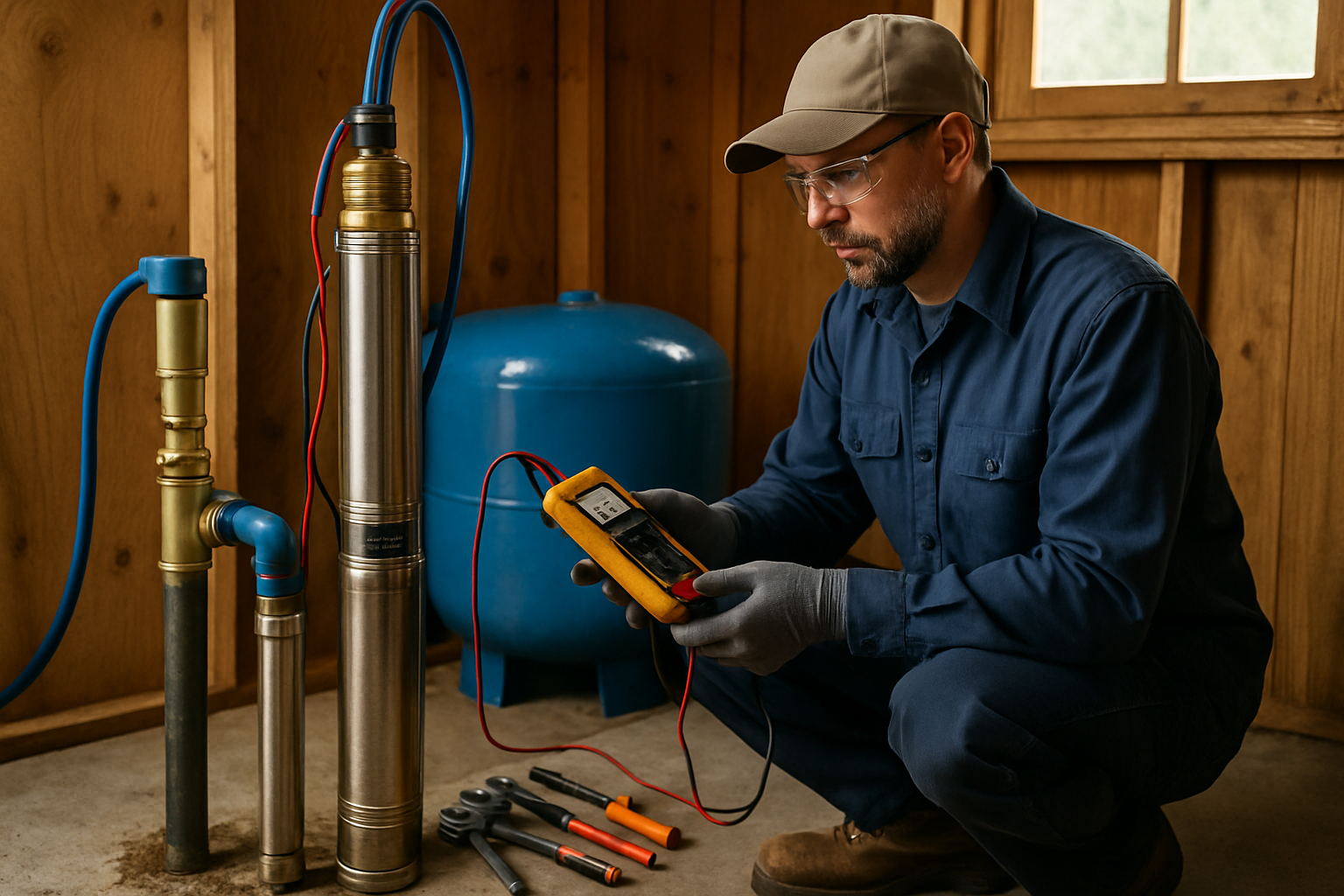
Signs Your Well Pump Is Failing
Catch pump problems early before you lose water completely.
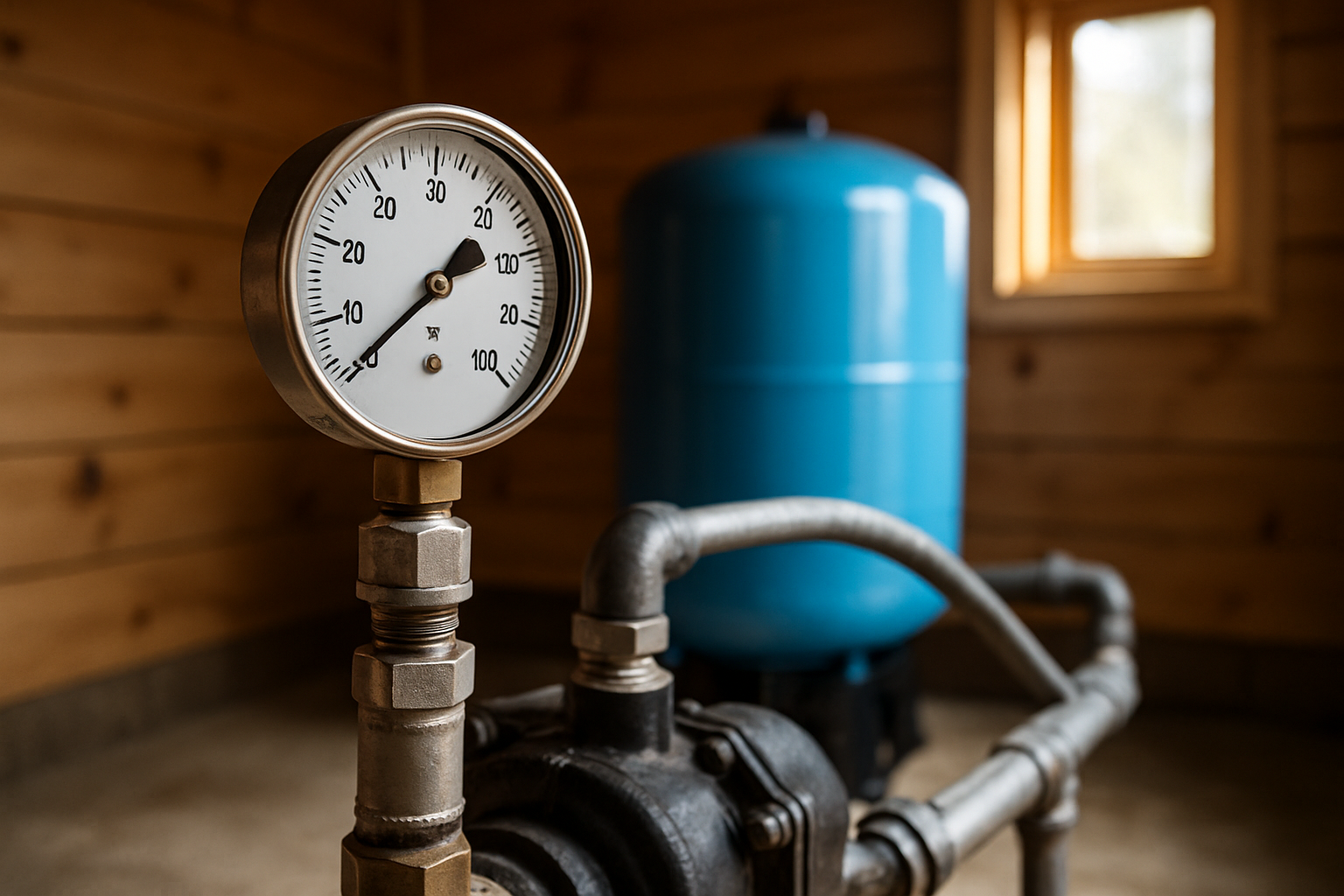
Low Water Pressure From Well
Diagnose and fix pressure problems before they get worse.
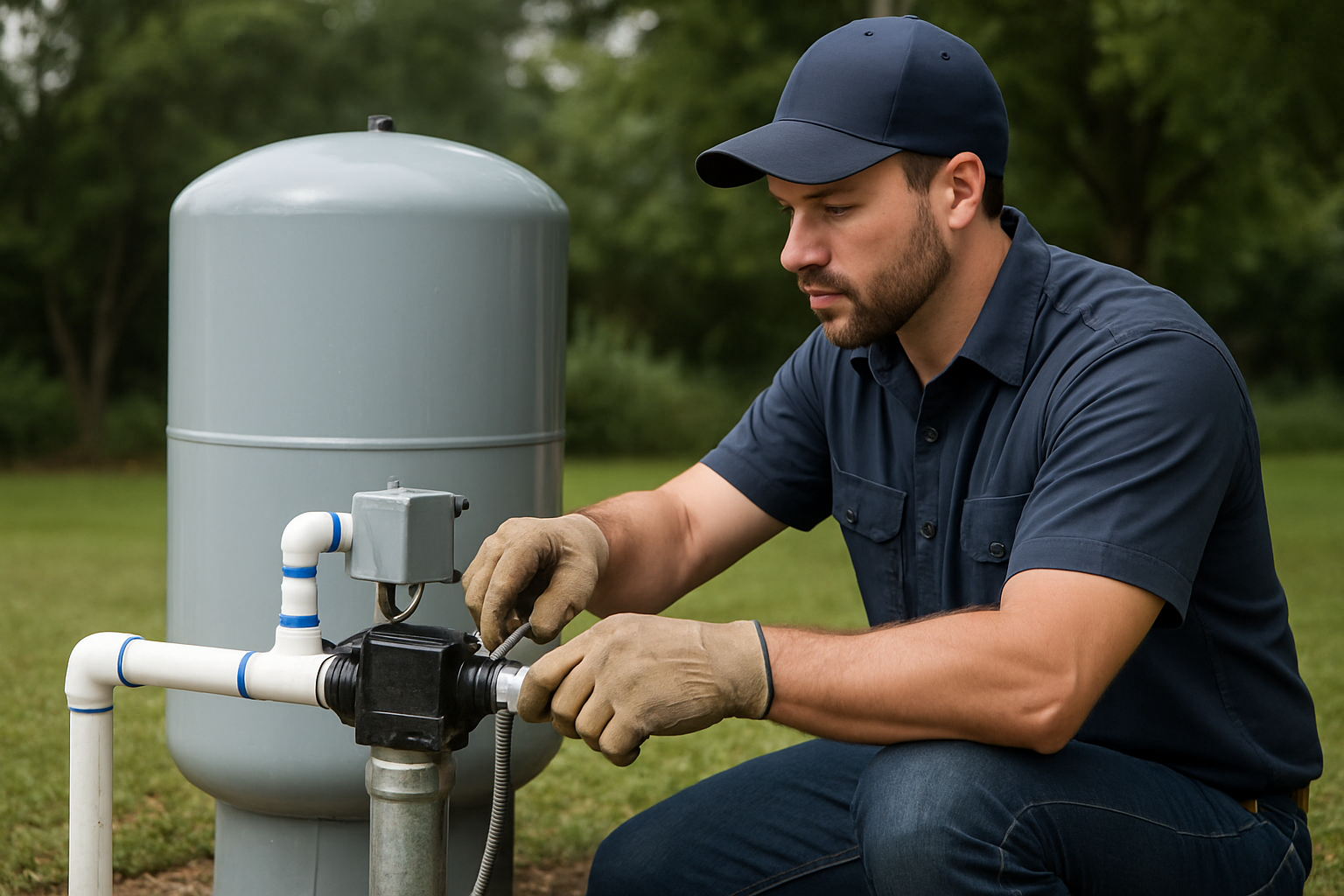
Well Maintenance Guide
Keep your well running smoothly with regular maintenance.
Our Locations
1077 Main St, Ramona, CA 92065
57174 CA-371 (US Hwy 79), Anza, CA 92539
Low-Yield Wells in the National City Area
National City sits in the South Bay of San Diego County, just south of downtown San Diego near the Sweetwater River valley and the surrounding rural uplands toward Bonita, Jamul, and the East County backcountry. The city itself is served by municipal water, but plenty of properties in the broader South County, on acreage parcels, ranches, and rural homesteads in the hills east and south of the urban grid, depend on private wells. Those wells draw from two very different settings: the alluvium of the Sweetwater drainage and similar valleys, which can hold productive groundwater, and the decomposed granite and fractured crystalline rock of the Peninsular Ranges that rise to the east, where yield depends on tapping fractures. When a property in this region has a low-flow or low-yield well, the cause almost always comes back to which formation the well sits in and how it has aged.
Low yield is among the most fixable well problems, but only after you measure what you genuinely have. Here is how we evaluate and improve low-flow wells for South County property owners.
How to Test Your Well's Flow and Yield
Two numbers matter: the flow at your fixtures and the sustained yield of the aquifer. For a quick read, run an outdoor hydrant into a five-gallon bucket and time the fill. Twenty seconds is 15 GPM; one minute is 5 GPM; two or three minutes means 2.5 GPM or less, a real low-yield situation.
The number that counts is a sustained yield (drawdown) test. Because a pressure tank stores water and can briefly hide a weak well, we pump steadily, watch the water level fall, and time the recovery. A South County home generally needs 3 to 5 GPM of dependable supply, more with irrigation or livestock. Valley alluvial wells can exceed that, while fractured-rock wells in the uplands often settle at 1 to 3 GPM and draw down quickly.
It helps to remember that low yield and low pressure are different problems that feel identical at the tap. Pressure is how forcefully water moves through your plumbing; yield is how much the well can actually supply over time. A home can show fine pressure for a few minutes, then fade as the well outpaces its supply. Measuring sustained yield, not a quick burst, reveals which problem you truly face.
Why Wells in the Area Run Low
- Low aquifer yield in fractured rock. Upland wells in decomposed granite and fractured crystalline rock produce only what their fractures release. A sparse fracture network means low yield regardless of pump size.
- Declining water table. After dry years, static levels in the county's groundwater basins fall, and marginal wells feel it first as reduced flow and faster drawdown.
- Clogged or encrusted screen. Mineral-rich groundwater leaves calcium and iron scale on screen slots and gravel pack, slowly sealing the openings where water enters.
- Biofouling. Iron and sulfur bacteria form slimes that plug the intake, often with staining or a sulfur smell.
- Pump set wrong or sized wrong. A pump above the productive zone loses prime when the level drops, and an oversized pump outruns a modest well, causing short cycling and air at the taps.
Solutions and Their Tradeoffs
Well Rehabilitation
For an older well that has gradually slowed, cleaning the screen and casing with brushing, surging, and chemical treatment can recover much of the lost yield. At roughly $1,500 to $5,000, it is the sensible first step when a well used to produce more. It restores capacity but cannot exceed what the formation supplies.
Hydrofracturing
For upland wells in fractured granite, hydrofracturing injects high-pressure water to open and connect existing fractures, often doubling or tripling yield. It runs about $3,000 to $8,000 and suits the hard-rock parcels east of National City. In a productive alluvial well it offers little, so diagnosis comes first.
Deepening
Drilling deeper can reach additional water-bearing zones or fractures. In alluvium deeper is not always wetter, and in crystalline rock results vary, so we lean on nearby well logs before recommending it.
Storage Cistern With a Booster or Constant-Pressure Pump
For chronic low yield, this is the solution we recommend most. A slow well fills a large cistern, commonly 2,500 to 5,000 gallons, around the clock, and a booster or constant-pressure pump delivers strong, even household pressure on demand. A 2 GPM well running continuously produces nearly 2,900 gallons a day, far beyond typical household use, so the tank handles your peaks while the well refills it. Installed cost is roughly $3,000 to $7,000 depending on tank size and controls. The tradeoff is the space the tank requires and a little extra equipment, but it turns an unreliable well into a steady one without altering the geology.
Right-Sizing the Pump
Sometimes the cure is simply matching the pump to the well, setting it at the correct depth, or adding a flow-control valve so it cannot outrun the aquifer. A properly sized pump and pressure tank cost $2,500 to $5,500.
Adapting Demand to a Slow Well
Alongside the hardware fixes, simple habits stretch a limited supply: installing low-flow fixtures, staggering laundry and irrigation rather than running them at once, and watering landscaping on an off-peak timer. These steps will not raise your well's yield, but they reduce the demand peaks a marginal well struggles to meet, and they pair naturally with a storage-and-booster system.
When to Call a Professional
A noticeable drop in flow, a short-cycling pump, air sputtering at the taps, or cloudy, sandy water all mean it is time for a professional yield evaluation rather than guesswork. Replacing a pump when the real problem is a clogged screen just wastes money. Our $125 diagnostic, credited toward any repair, identifies precisely which cause applies to your well.
Serving National City and the South County
Southern California Well Service supports private-well owners throughout the National City area and the surrounding San Diego County communities of Bonita, Chula Vista's rural fringe, Jamul, Dulzura, and the South Bay uplands. As a licensed C-57 water well contractor founded in 2020, with 60+ years of family heritage, we perform yield testing, rehabilitation, hydrofracturing, storage-and-booster installations, and pump work without subcontracting. Local crews who know the area's alluvial valleys and fractured-rock uplands diagnose low-yield wells accurately and solve them the first time.
Talk to a Low-Yield Well Specialist in National City
Southern California Well Service has worked since 2020 coaxing reliable water out of stubborn wells across the region. We are a licensed C-57 water well contractor, licensed C-57 (CSLB #1086994), with same-day emergency response from our Ramona and Anza offices. Our diagnostic visit is $125, and that fee is credited toward any work we perform.
Frequently Asked Questions
National City is on city water, so why does this apply to me?
The urban grid uses municipal supply, but many acreage parcels and rural homesteads in the surrounding South County rely on private wells. Those properties depend on well yield, and low-flow problems are common in the area's fractured-rock uplands.
How do I know if it is my well or my pump causing low water?
A sustained yield test answers it. If the well draws down fast and recovers slowly, the aquifer is the limit; if the level holds but pressure is weak, the pump or pressure tank is the cause. Our $125 diagnostic measures both.
What is the best fix for a chronically slow well in this area?
For most low-yield wells, a storage cistern with a booster or constant-pressure pump is the most reliable solution. It lets a slow well fill the tank around the clock and delivers full pressure on demand.
Is hydrofracturing effective on wells east of National City?
Yes, in fractured-rock wells. The uplands are largely granitic, and hydrofracturing opens existing fractures to boost yield, often two- to threefold. It does little in a productive alluvial well.
What does it cost to improve a low-yield well?
Rehabilitation runs $1,500 to $5,000, hydrofracturing $3,000 to $8,000, a storage-plus-booster system $3,000 to $7,000, and a right-sized pump and tank $2,500 to $5,500, depending on the diagnosis.
Do you offer same-day emergency well service in the South County?
Yes. We provide same-day emergency response across San Diego County, and we are licensed C-57 (CSLB #1086994) by local customers. Call (760) 440-8520 or text (760) 219-5877 and we will dispatch a technician promptly, day or night.