
Low Flow or Low Yield Well in San Marcos
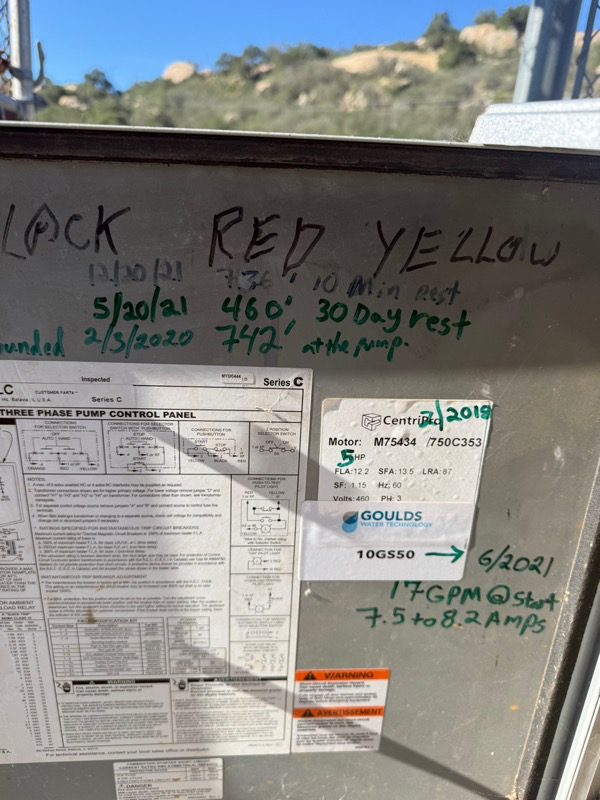
Is your San Marcos well not producing enough water for your needs? Low flow wells are frustrating, but there are proven solutions to improve your water supply.
📋 In This Guide
- Understanding Well Yield
- Solutions for Low Flow Wells
- Living with a Low Flow Well
- Free Well Yield Evaluation
- Related Articles
Understanding Well Yield
Well yield is measured in gallons per minute (GPM). Typical requirements:
- Single family home: 3-5 GPM minimum
- Large family/multiple bathrooms: 6-12 GPM
- Small farm/livestock: 10-20 GPM
- Agricultural irrigation: 50-500+ GPM
Many San Diego County wells produce 1-3 GPM—technically "low flow" but manageable with proper system design.
Solutions for Low Flow Wells
Storage Tank Systems
Collect water 24/7 into a large tank, then use a booster pump for household pressure. This multiplies your effective supply.
Hydrofracturing
High-pressure treatment to open fractures in bedrock, often doubling or tripling yield.
Well Deepening
Drilling deeper may reach better-producing zones.
Second Well
Adding a second well to supplement your primary supply.
Living with a Low Flow Well
While improving yield is ideal, you can also adapt:
- Install low-flow fixtures
- Spread water use throughout the day
- Add storage capacity for peak demand
- Use water-efficient appliances
Free Well Yield Evaluation
Not sure how much your well produces? We can perform a flow test and recommend the most cost-effective solution for your situation.
Need Help With Your Well in San Marcos?
Our expert technicians serve San Marcos and all of San Diego County with professional well services.
Related Articles
Continue learning about well maintenance and troubleshooting
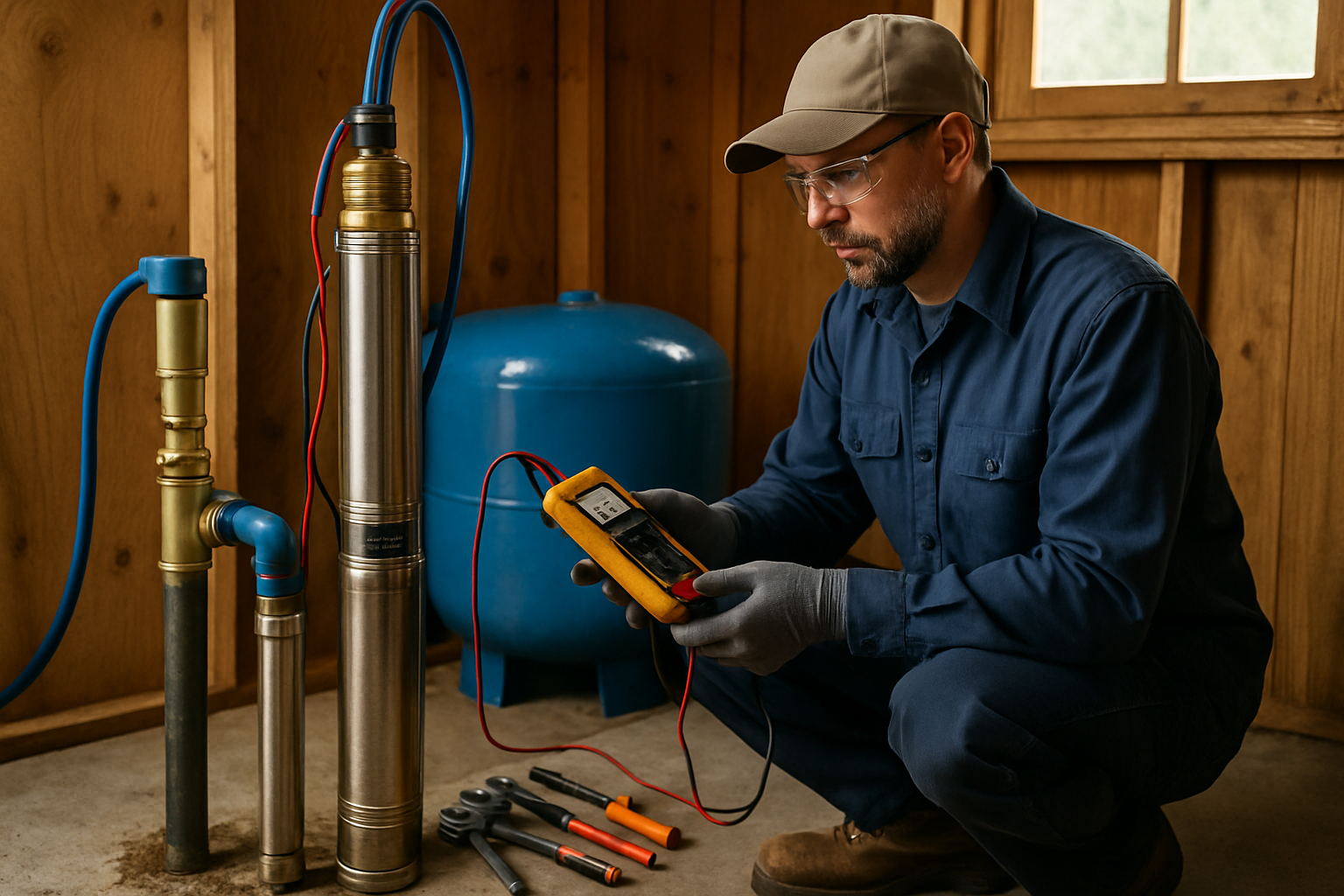
Signs Your Well Pump Is Failing
Catch pump problems early before you lose water completely.
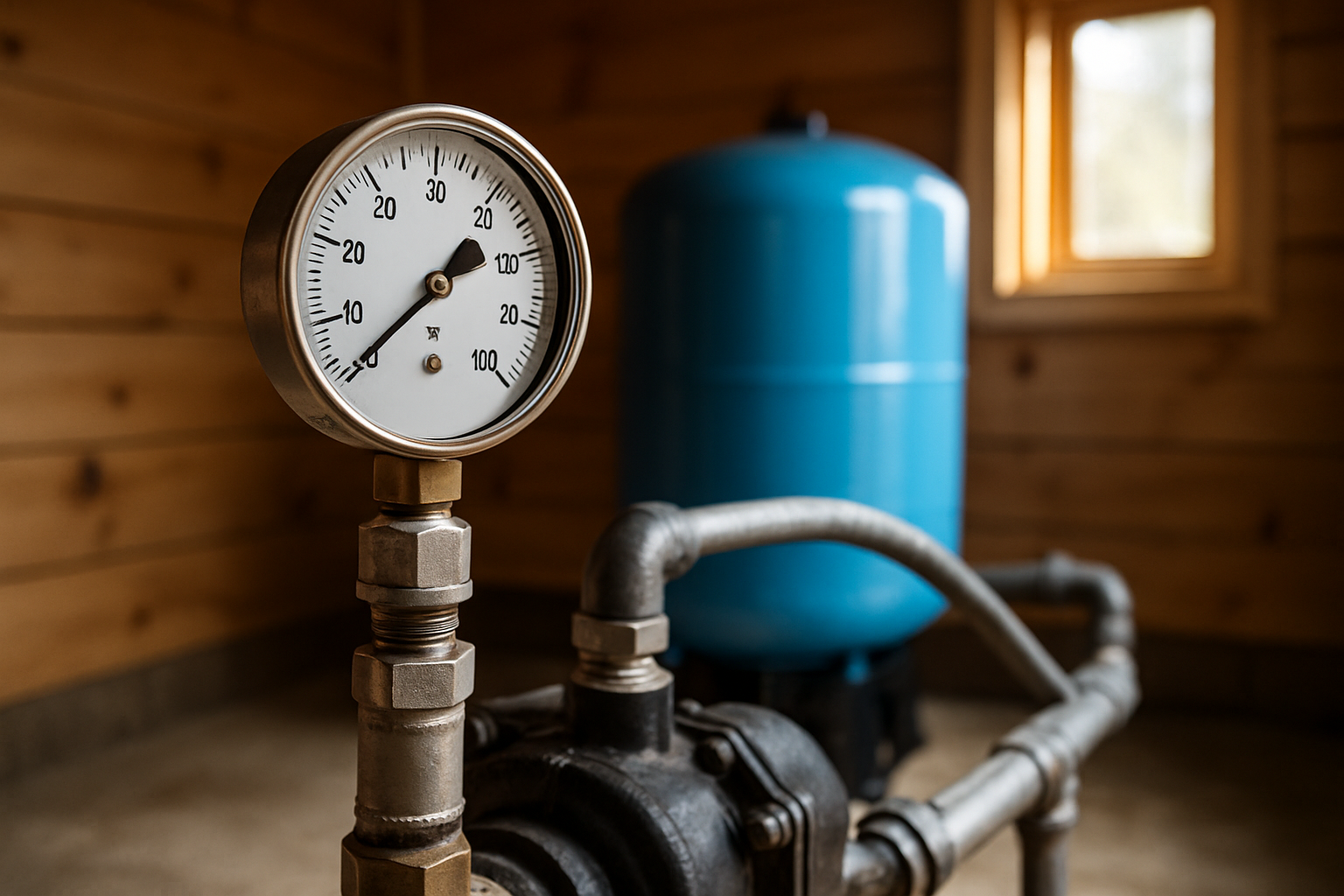
Low Water Pressure From Well
Diagnose and fix pressure problems before they get worse.
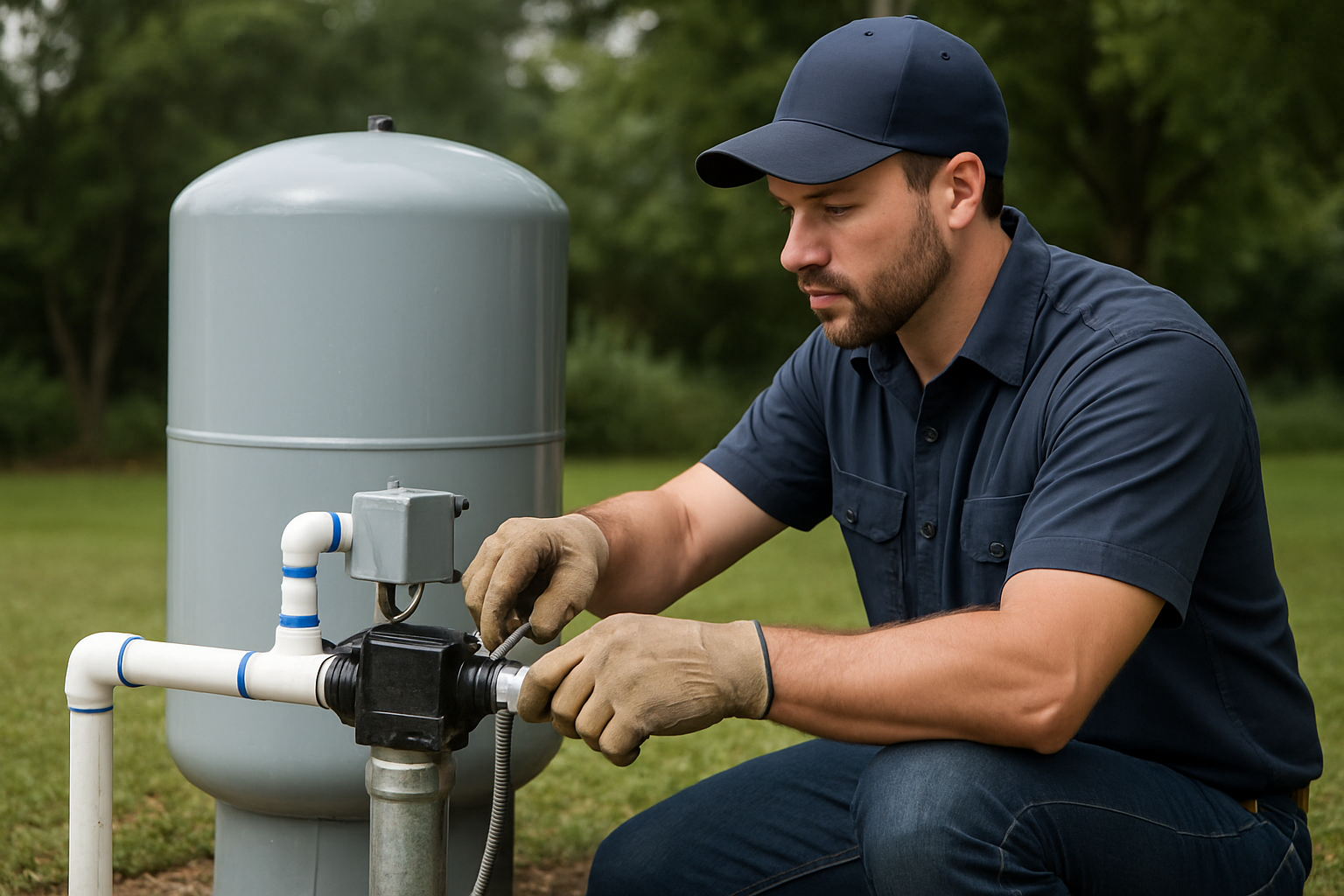
Well Maintenance Guide
Keep your well running smoothly with regular maintenance.
Our Locations
1077 Main St, Ramona, CA 92065
57174 CA-371 (US Hwy 79), Anza, CA 92539
Low-Flow and Low-Yield Wells in San Marcos
San Marcos is a study in contrasts underground. Down in Twin Oaks Valley you have some of the best well country in inland San Diego County — deep alluvium, decent recharge, and wells that can produce well. Climb into the surrounding hills toward the Merriam Mountains, the San Marcos Mountains, and the Las Posas ridges, and the story changes: San Marcos gabbro and exfoliating granodiorite give way to fractured, tight rock where a well might struggle to make 2 or 3 gallons per minute. Local well data reflects this range — the average San Marcos well runs around 324 feet deep with a static water level near 66 feet down. When your San Marcos well slows to a weak trickle, understanding which of these settings your property sits in is the first step to a real fix.
The Real Causes of Low Flow Here
Low flow simply means not enough GPM reaching your fixtures, and in San Marcos it usually comes down to one of these:
- Seasonal water-table decline. After a string of dry winters, the water level in both valley and bedrock wells drops. If your pump is set near the old level, it loses submergence and can only move a fraction of the well's real capacity.
- A pump that's too shallow, undersized, or worn. Pumps lose output as impellers wear, and a pump chosen for a higher water table years ago may now be sitting too high in the column to deliver strong flow.
- Screen and perforation clogging. The mineral content in San Marcos groundwater lays down calcium and iron scale on screens, and iron-bacteria biofilm plugs the openings. The aquifer hasn't dried up — the well's intake has narrowed.
- Silting or partial casing collapse. Fine material from weathered gabbro and granodiorite accumulates in the bottom of a well over decades, burying the intake and shrinking the usable water column.
- Reduced recharge. Drought cuts the rain that refills the Twin Oaks and hillside aquifers, and heavy neighborhood or agricultural pumping during dry summers pulls shared levels down.
Valley Well vs. Hillside Well
A Twin Oaks Valley homeowner whose 15 GPM well slips to 5 GPM in September is usually dealing with a seasonal drop and a pump that needs to go lower — a very fixable situation. A hillside owner off Las Posas or up near the Merriam Mountains whose well has always made 2–3 GPM has a different reality: that fractured-gabbro well was never a gusher, and the smart move is to store and boost the water it does make rather than drill chasing more. We see both weekly, and the diagnosis dictates the dollars.
What You Can Observe Before We Arrive
- Whole house or one tap? If every fixture is weak, the well or pump system is the suspect. A single slow faucet is a plumbing issue.
- Time-of-day pattern. Good pressure in the morning that collapses by evening and returns overnight is the fingerprint of a well drawing down faster than it recovers.
- Air, spitting, or grit. Sputtering means the pump is losing suction; sand suggests the level has dropped to the silted bottom or the screen is failing.
- Pressure tank and switch. A waterlogged tank or a low switch setting can imitate low flow. They're inexpensive to correct, so we rule them out early.
Our Diagnostic Approach
We start by reading the static water level with the pump off and the pumping level under load to calculate drawdown. Then we run a well yield and recovery test to measure sustainable GPM and how quickly the aquifer bounces back. We verify the pump's set depth, horsepower, age, and wear, and inspect the pressure tank, switch, and wiring. In San Marcos, where a valley well and a ridge well behave nothing alike, this measured approach prevents costly guesswork. The diagnostic is $125 and is credited toward any repair we do.
Solutions Matched to San Marcos Conditions
- Reset or replace the pump. If water sits deeper than your pump, lowering it or installing a correctly sized submersible restores flow. Submersible replacements typically run $2,500–$5,500 installed.
- Well rehabilitation. Mechanical brushing combined with acid or chemical treatment strips scale and biofilm off the screen and reopens perforations — frequently the highest-value fix before anyone talks about drilling.
- Storage plus constant pressure. A cistern fills slowly around the clock, and a booster or constant-pressure system delivers firm household pressure on demand. This is the proven answer for low-yield hillside wells above Twin Oaks Valley. Expect roughly $2,000–$4,500 for a booster or constant-pressure system.
- Deepen or drill new. When a well is genuinely spent, deepening or a new well may be justified. A turnkey new well generally ranges $18,000–$42,000 depending on depth and rock — a step we recommend only when the testing supports it.
- Supporting parts. We also handle pressure switches ($150–$350), pressure tanks ($600–$1,500), control boxes and capacitors ($400–$900), and sediment filtration ($300–$900) where fine grit is an issue.
What Low-Flow Repairs Really Cost in San Marcos
Homeowners tell us the hardest part of a low-flow well is not knowing whether they are facing a few hundred dollars or a small fortune. Real numbers help. On a Twin Oaks Valley well where the level has simply dropped, re-setting an existing pump lower in the casing is a modest labor job; if the pump itself is worn out, a full submersible replacement generally lands in the $2,500 to $5,500 range installed, driven mostly by depth and horsepower. A waterlogged pressure tank that was faking a flow problem runs $600 to $1,500 to replace, and a failing pressure switch is only $150 to $350. If the culprit is a clogged screen, rehabilitation, mechanical brushing paired with an acid or chemical treatment, costs far less than drilling and often recovers most of the lost yield. For a genuinely low-yield hillside well, a storage tank with a booster or constant-pressure system in the $2,000 to $4,500 range converts a slow trickle into strong, dependable pressure. A brand-new well is the outlier at $18,000 to $42,000 turnkey, and we only steer you there when the testing proves the old well is finished. Because our $125 diagnostic is credited toward whatever repair you choose, the assessment essentially pays for itself.
A Typical San Marcos Service Visit
When we roll up to a San Marcos property, we start at the wellhead and pressure tank, take our water-level readings, and run the yield test before we quote anything. That order matters: it means the recommendation you get is built on measurements from your specific well in your specific part of town, not a generic sales script. On a valley lot the answer is often a same-day pump fix; on a Merriam Mountains ridge lot it is usually a storage plan. Either way you leave the conversation knowing exactly what your well can produce and what it will take to keep your household comfortably supplied.
When to Bring in a Pro
Reach out immediately if you've lost water completely, if the pump cycles without building pressure, if you notice a burning-motor odor, or if air and sand come through together. Those are signs a pump is starving or a well is drawn to its limit, and running a dry-starved pump risks burning it out. A gradual seasonal slide is less urgent but still worth testing before the next dry summer deepens the problem.
Serving San Marcos and Inland North County
Southern California Well Service brings founded in 2020, with 60+ years of family heritage to San Marcos and the surrounding inland communities — Twin Oaks Valley, Escondido, Vista, and the hill country in between. We're a licensed C-57 water well contractor rather than a general plumbing outfit, hold provide same-day emergency service when you're out of water. From diagnosis to pump work, rehabilitation, storage systems, and new wells, we handle every part of the job.
San Marcos Low-Flow Well FAQ
Why does my San Marcos hillside well make so little water?
Wells drilled into fractured San Marcos gabbro and granodiorite depend on rock fractures for water, and those fractures are often sparse. A 2–3 GPM yield is common on the ridges. Rather than fight the geology, most owners do best with a storage tank and booster system.
Is my Twin Oaks Valley well's summer slowdown normal?
A seasonal drop is common as recharge stops and pumping peaks. If your pump is set near the historic level, it runs short of submergence and flow fades late in the day. Lowering the pump or upsizing it usually restores full output.
How do I know if it's the pump or the well?
Steady-but-weak flow all day points to the pump, tank, or switch. Flow that starts strong and fades with use, then recovers after a rest, points to the well drawing down faster than it refills.
What does a yield test actually tell me?
It measures how many gallons per minute your well can sustain and how fast it recovers afterward. That number decides whether you need a pump change, rehabilitation, or a storage-and-boost approach — and it keeps you from overspending on drilling.
Can rehabilitation really improve an old San Marcos well?
Often, yes. If scale and iron bacteria have clogged the screen, brushing and acid treatment can reopen the intake and recover a meaningful share of lost yield — usually at a fraction of the cost of a new well.
How much is the diagnostic visit?
It's $125 and is credited toward any repair. You get static and pumping levels, drawdown, and a full yield and recovery test, so decisions rest on data instead of guesses.
Get Answers for Your San Marcos Well
Don't guess at why your San Marcos well is slow — let us measure it. Call (760) 440-8520, text (760) 219-5877, or request a free estimate. Same-day emergency help is available throughout San Marcos and inland North County.