
Low Water Pressure Solutions in Bay Park
Dealing with weak water pressure in Bay Park? Low water pressure can make showers frustrating and appliances ineffective. Our team diagnoses the root cause and restores your water pressure fast.
In This Guide
Need Low Water Pressure Solutions in Bay Park?
We serve Bay Park and all of San Diego County. Licensed C-57 contractor (CSLB #1086994), founded 2020.
Call: (760) 440-8520Our Low Water Pressure Solutions Services
- Pressure tank repair and replacement
- Pressure switch adjustment
- Pump upgrades for better pressure
- Constant pressure systems
- Booster pump installation
- Clogged pipe diagnosis
- Well yield testing
- Complete system evaluation
Why Bay Park Chooses SCWS
Local Expertise
We know San Diego County geology and wells
Fast Response
Same-day service for Bay Park
Fair Pricing
Honest quotes, no surprises
Quality Work
CSLB #1086994 · founded 2020
Our Locations
Related Articles
Continue learning about well maintenance and troubleshooting
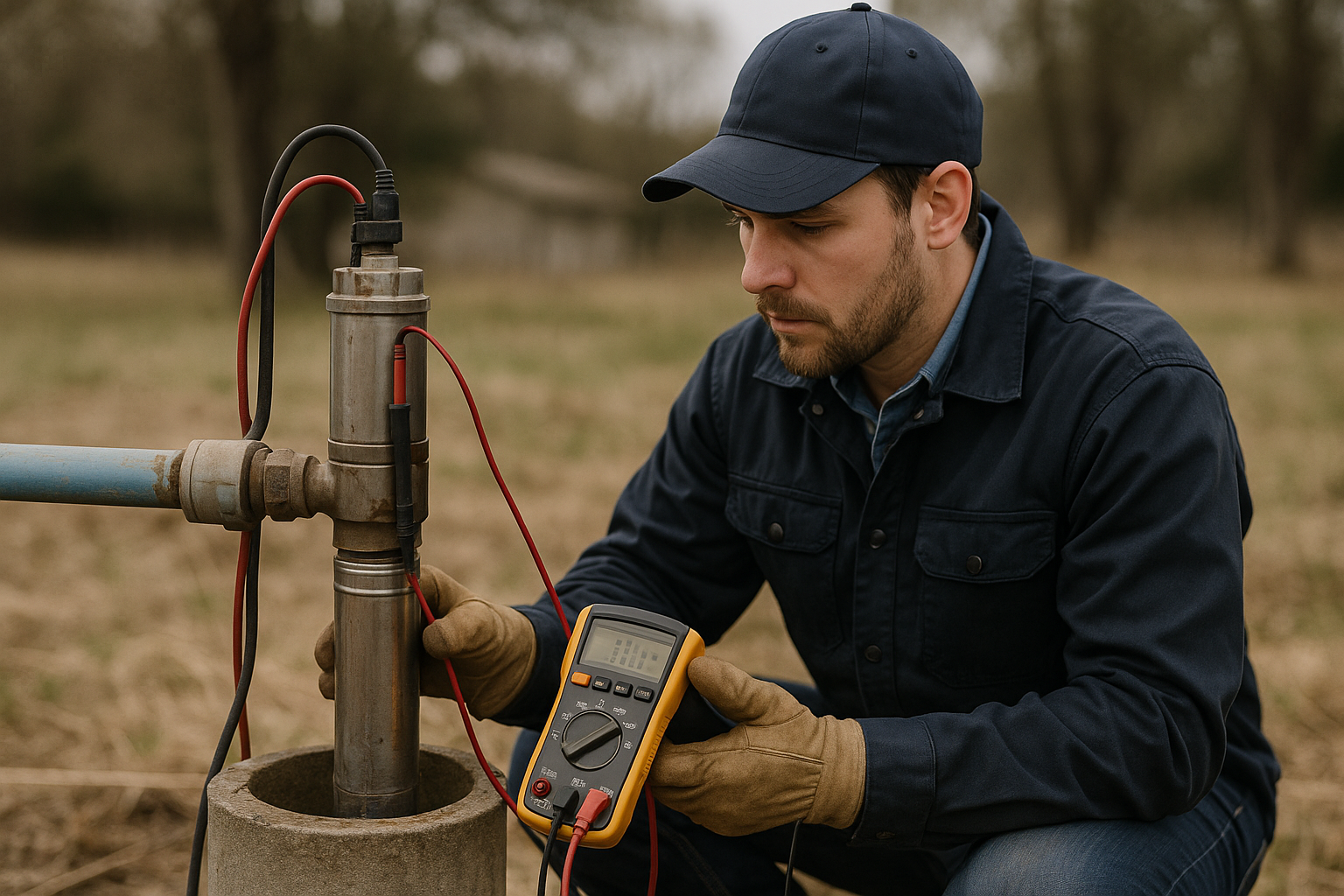
Low Water Pressure From Well: Complete Fix Guide
Diagnose and solve low pressure problems
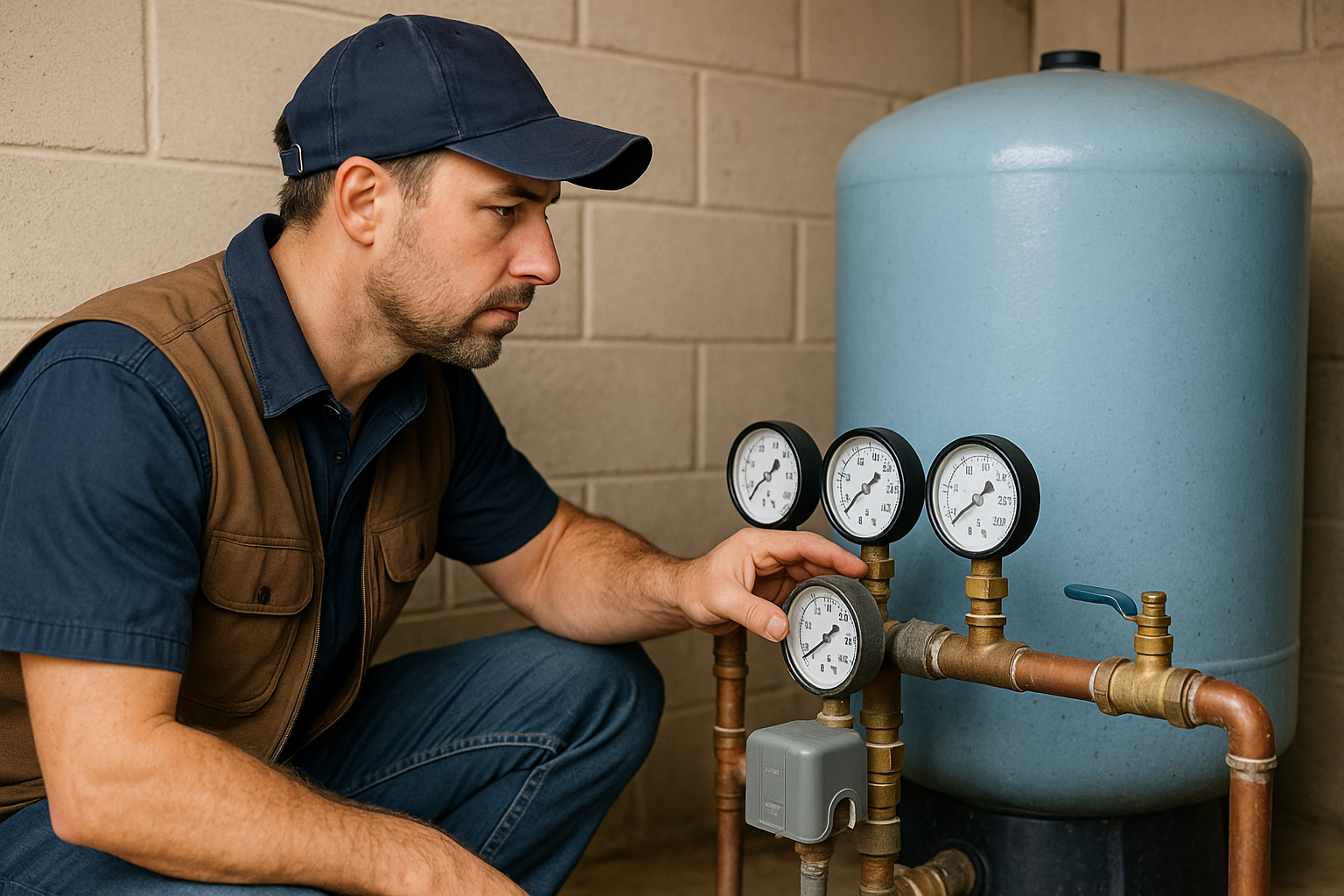
Well Pressure Switch: Settings, Adjustment & Replacement
Everything about pressure switches
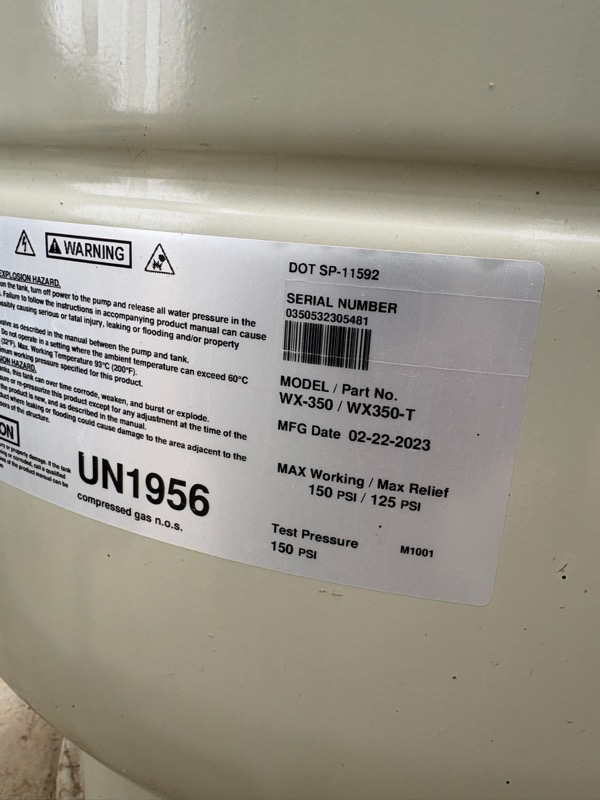
Pressure Tank Maintenance: Complete Guide
Keep your pressure tank working properly
Low Water Pressure From a Well in Bay Park: A Local Guide
Bay Park is a hillside residential neighborhood in the city of San Diego, draped across the slopes that overlook Mission Bay between Interstate 5 and Morena Boulevard. Prized for its bay views and its 1950s and 1960s homes, the neighborhood sits on terraced ground above the water, and a few older properties along the canyon rims continue to operate private wells. When that well stops delivering the firm, steady stream you are used to, daily life in Bay Park gets harder fast — showers go weak, laundry takes longer, and irrigation barely reaches the far end of the yard. Low water pressure is rarely random. It is almost always a specific, fixable problem somewhere in the well, the pressure system, or the plumbing, and the right repair depends on understanding the conditions unique to San Diego County.
Southern California Well Service has worked since 2020 diagnosing and repairing private wells across San Diego County and the surrounding region. This guide walks Bay Park homeowners through how a well pressure system actually works, what tends to go wrong here, what you can safely check yourself, and when it is time to call a licensed professional.
How Your Well Pressure System Works
A private well system is a chain of components, and weak pressure means one link in that chain is failing. Understanding the parts makes the troubleshooting far less mysterious:
- The well pump. In most modern wells around Bay Park, a submersible pump sits deep in the casing and pushes water up to the surface. Shallower or older systems sometimes use an above-ground jet pump. The pump is the muscle of the system; when its impellers wear or its motor weakens, pressure drops everywhere at once.
- The pressure tank. This tank stores water under pressure using a cushion of air behind a rubber bladder, so the pump does not have to run every time you open a tap. A healthy tank delivers smooth, steady pressure between pump cycles.
- The pressure switch. This small electrical switch reads system pressure and tells the pump when to start and stop, usually on a 30/50 or 40/60 PSI range. A switch that is miscalibrated, corroded, or clogged at its sensing port can leave the whole house weak.
- Sediment and filtration. Screens at the pump intake and whole-house sediment filters keep grit out of your plumbing. When they clog — a frequent event given local conditions — they choke flow long before the water reaches your fixtures.
When any one of these falls out of tune, you feel it as low pressure at the tap. The art of the repair is figuring out which one.
Common Causes of Low Pressure in Bay Park
Along these Mission Bay slopes, low pressure most often comes from sediment-fouled intake screens, mineral scale building up inside decades-old plumbing, and worn pumps or waterlogged pressure tanks on systems that have run for thirty years or more. Here is how the local picture in Bay Park breaks down, shaped by hillside terraces overlooking Mission Bay:
Bay Park rests on the Bay Point and Lindavista formations, young terraced marine sandstones and conglomerates laid over decomposed granite and fractured bedrock typical of coastal San Diego County. Wells here commonly reach 100 to 300 feet, drawing from sandy zones and fractures, and their proximity to Mission Bay means water tables are relatively shallow and can carry minerals that stress pumps and pipes. Wells in this area generally produce 4 to 10 gallons per minute and finish at depths of 100 to 300 feet, and those numbers matter: a well that yields well below its normal range during a dry stretch will leave even a healthy pump struggling to keep pressure up.
- Worn or sand-damaged pump. Fine sediment in the local groundwater abrades pump impellers over years of service. A tired pump runs constantly yet never builds full pressure. Most pumps last 10 to 25 years; once worn, they cannot generate the lift they once did.
- Waterlogged or failed pressure tank. When a tank loses its air charge or its bladder ruptures, the pump short-cycles — clicking on and off every few seconds — and pressure pulses instead of holding steady. This is one of the most common and most overlooked causes.
- Failing pressure switch. Mineral scale and debris can clog the switch's sensing port or burn its contacts, so it never lets the system reach its cut-out pressure. The fix is often inexpensive if caught early.
- Clogged sediment filters or screens. Given the sandy, mineral-laden water common in San Diego County, filters here can choke quickly. Pressure improves right after a filter change, then fades again within weeks — a tell-tale sign.
- Scaled or corroded plumbing. Hard water lays down calcium and magnesium scale inside pipes, narrowing them over time. Older galvanized lines are especially prone to this and to internal corrosion.
- Low well yield or a dropping water table. Sometimes the equipment is fine and the aquifer itself is the limit. During drought, the water level in the San Diego County ground can fall below what the pump can comfortably draw, causing intermittent pressure and air in the lines.
What to Check Yourself Before Calling
A few safe, simple checks can tell you a lot — and sometimes solve the problem outright. Always shut off power to the pump at the breaker before touching the pressure switch or tank.
- Read the pressure gauge. Find the gauge near your tank. Watch where the pump cuts in and cuts out. If it never reaches its high setting (say it stalls at 30 PSI when set for 50), the pump or well is struggling.
- Tap the pressure tank. Rap on it with your knuckles — the top should sound hollow and the bottom solid. If it sounds full of water throughout and the pump short-cycles, the tank has likely lost its air charge or failed.
- Check the tank's air pressure. With the pump off and the system drained to zero, a tire gauge on the tank's Schrader valve should read about 2 PSI below the pump's cut-in setting. Water spraying from that valve means a ruptured bladder.
- Bypass your filters. If your filtration system has a bypass, switch it and see whether pressure jumps. If it does, a clogged cartridge or screen was the bottleneck — replace or flush it.
- Clean fixture aerators. If only one or two faucets are weak, the problem is local. Unscrew the aerator or showerhead and clear the scale; the rest of the house is probably fine.
- Listen for leaks. Shut off every fixture and watch the gauge. If pressure slowly bleeds down with nothing running, you have a leak somewhere in the system.
When to Call a Professional in Bay Park
Some jobs need specialized tools, a service rig, and a licensed C-57 well contractor. Reach out to Southern California Well Service right away if you notice any of the following:
- Sudden, total loss of pressure or water — often a sign of pump failure, a tripped well, or a major leak that needs urgent attention.
- Pump that runs nonstop without building pressure — it may be worn, the well yield may have dropped, or sand may be clogging the intake.
- Grinding, humming, or rapid-clicking noises from the pump or control box, which point to mechanical or electrical failure that worsens with continued use.
- Pump pulling air or sputtering, suggesting the water table has fallen below the pump and the well may need a lowered pump, hydrofracturing, deepening, or a new well.
- Persistent low pressure after the basic checks above — a deeper diagnosis is needed.
Our diagnostic visit is a flat $125 and is credited toward any repair we perform, so you are never paying twice to find and fix the problem.
Realistic Repair Costs for Bay Park Well Owners
Every well is different, but these are the typical ranges we see for low-pressure repairs in the Bay Park area as of 2026. Site conditions, well depth, and equipment all affect final pricing, and we always quote up front before any work begins:
- Pressure switch replacement: $150 to $350
- Pressure tank replacement: $600 to $1,500
- Well pump replacement: $2,500 to $5,500
- Sediment filtration system: $300 to $900
- Iron/manganese filtration or water softener: $1,500 to $3,500
- Constant-pressure or booster system: $2,000 to $4,500
- Hydrofracturing to improve a low-yield well: $3,000 to $8,000
- New well, turnkey: $18,000 to $42,000
- Old well abandonment / decommissioning: $1,500 to $5,000
In many Bay Park cases the fix is at the affordable end of this list — a switch, a tank, or a filtration upgrade — which is exactly why a proper diagnosis pays for itself.
Serving Bay Park and Beyond
Southern California Well Service is a licensed C-57 water well contractor founded in 2020, with 60+ years of family heritage built across San Diego County. From our offices in Ramona (1077 Main St, Ramona, CA 92065) and Anza (57174 CA-371 (US Hwy 79), Anza, CA 92539), we reach Bay Park and neighboring communities including Bay Ho, Morena, Clairemont, and Old Town. Because we know the wells, the geology, and the seasonal swings of this area first-hand, we can diagnose a Bay Park pressure problem quickly and recommend the repair that actually lasts — not the most expensive one. We offer same-day emergency service when you are out of water.
Frequently Asked Questions
Why is my well water pressure suddenly low in Bay Park?
A sudden drop usually points to a specific failure: a waterlogged pressure tank, a failing pressure switch, a clogged sediment filter, or a pump that has worn out. A leak or a sharp drop in the water table can also be responsible. Checking the pressure gauge and tank air charge, as described above, is the fastest way to narrow it down before you call us.
What is normal water pressure for a well system?
Most residential wells run on a 30/50 or 40/60 PSI range, meaning the pump kicks on at the low number and shuts off at the high one. A 40/60 setting gives firmer, more consistent pressure and is often preferred for larger Bay Park homes or those running several fixtures at once.
How deep are wells in the Bay Park area?
Wells around Bay Park typically finish between 100 to 300 feet, depending on the parcel and the depth to reliable water. Bay Park rests on the Bay Point and Lindavista formations, young terraced marine sandstones and conglomerates laid over decomposed granite and fractured bedrock typical of coastal San Diego County. Depth affects which pump is appropriate and how the system should be set, which is why an on-site evaluation matters.
Can low pressure mean my well is running dry?
Sometimes, yes. If your pump pulls air, sputters, or cycles oddly during heavy use, the water level may be dropping below the pump, especially during a dry year. Lowering the pump, hydrofracturing, deepening the well, or in some cases drilling a new well can restore reliable supply. We test well yield to tell the difference between an equipment problem and an aquifer problem.
How much does it cost to fix low water pressure?
Many fixes are modest — a pressure switch runs $150 to $350 and a pressure tank $600 to $1,500. Larger jobs such as a pump replacement ($2,500 to $5,500) or a constant-pressure system ($2,000 to $4,500) cost more. Our $125 diagnostic is credited toward whatever repair you choose, so you only pay once.
Do you offer emergency well service in Bay Park?
Yes. We provide same-day emergency service for Bay Park and the surrounding San Diego County area. If you have lost water or pressure entirely, call (760) 440-8520 or text (760) 219-5877 and we will get a technician out as soon as possible.
Get Your Bay Park Water Pressure Back
You do not have to live with weak showers and sputtering faucets. Southern California Well Service will find the real cause of your low water pressure in Bay Park and fix it right the first time. Call (760) 440-8520 or text (760) 219-5877 today for a fast, honest diagnosis from a licensed C-57 contractor founded in 2020, with 60+ years of family heritage . Same-day emergency service is available across San Diego County.