
Low Water Pressure Solutions in Big Bear City
Dealing with weak water pressure in Big Bear City? Low water pressure can make showers frustrating and appliances ineffective. Our team diagnoses the root cause and restores your water pressure fast.
📋 In This Guide
Need Low Water Pressure Solutions in Big Bear City?
We serve Big Bear City and all of San Bernardino County. Licensed C-57 contractor (CSLB #1086994), founded 2020.
Call: (760) 440-8520Our Low Water Pressure Solutions Services
- Pressure tank repair and replacement
- Pressure switch adjustment
- Pump upgrades for better pressure
- Constant pressure systems
- Booster pump installation
- Clogged pipe diagnosis
- Well yield testing
- Complete system evaluation
Why Big Bear City Chooses SCWS
✓ Local Expertise
We know San Bernardino County geology and wells
✓ Fast Response
Same-day service for Big Bear City
✓ Fair Pricing
Honest quotes, no surprises
✓ Quality Work
CSLB #1086994 · founded 2020
Our Locations
Related Articles
Continue learning about well maintenance and troubleshooting
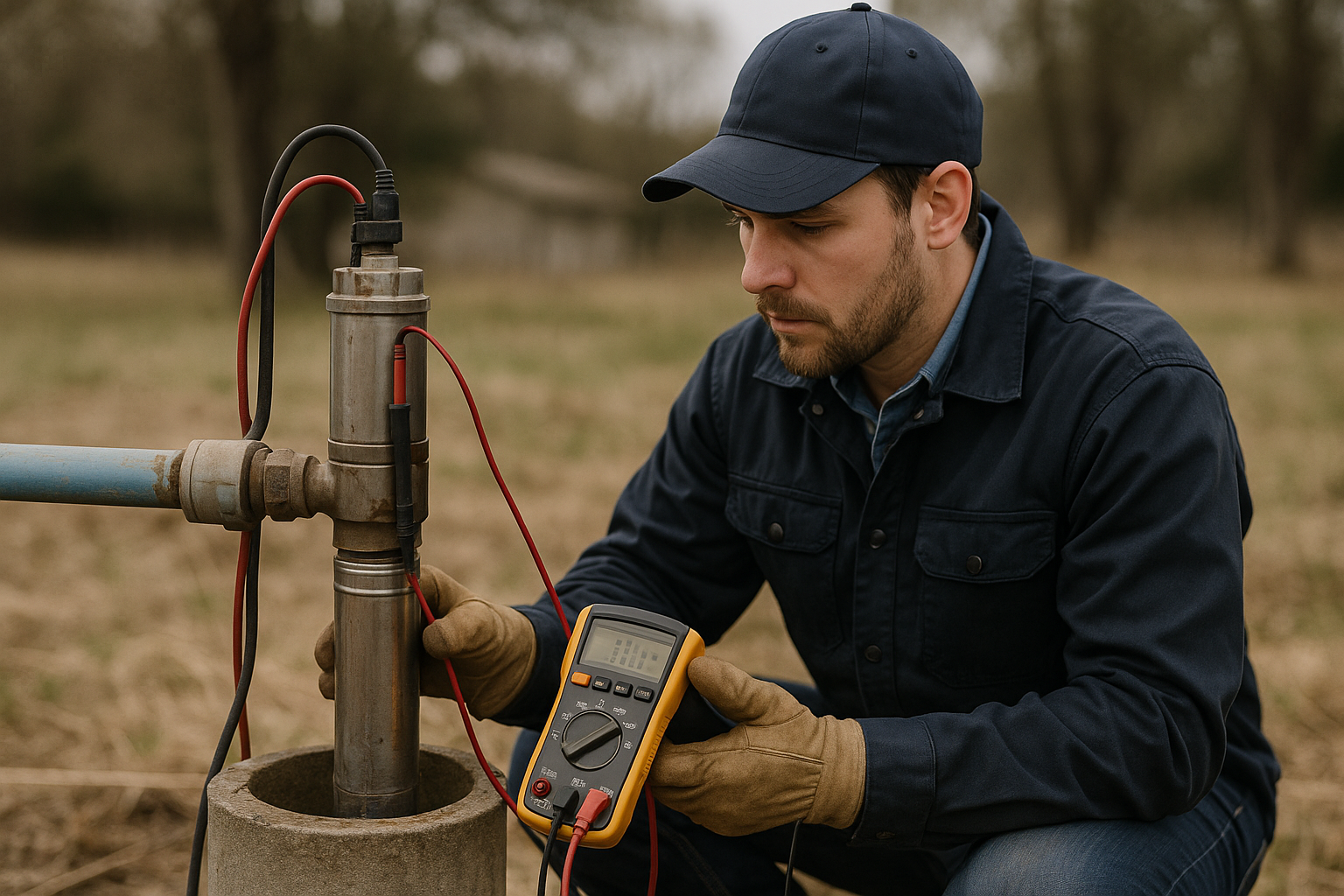
Low Water Pressure From Well: Complete Fix Guide
Diagnose and solve low pressure problems
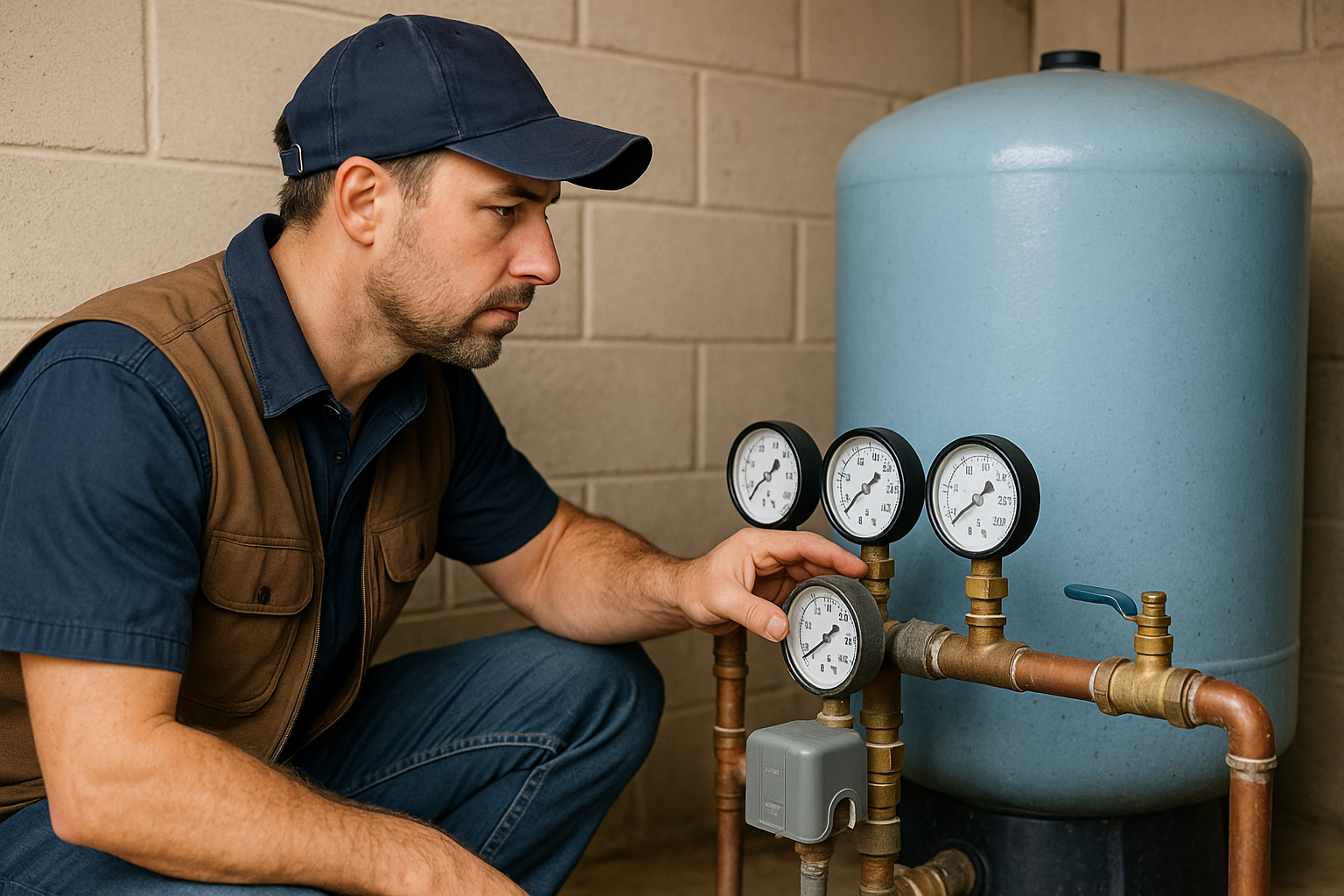
Well Pressure Switch: Settings, Adjustment & Replacement
Everything about pressure switches
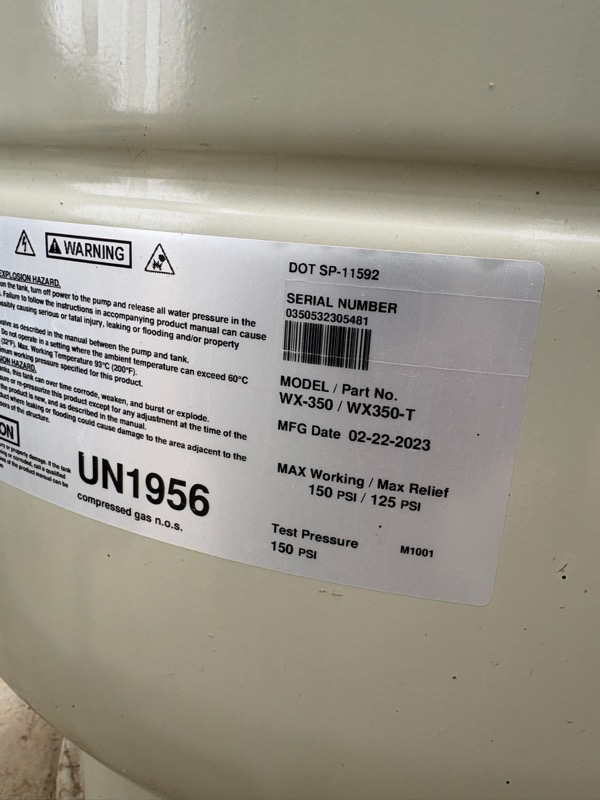
Pressure Tank Maintenance: Complete Guide
Keep your pressure tank working properly
Low Water Pressure Solutions for Big Bear City Properties
At mountain elevation, a reliable well matters more than ever — especially when a cabin sits empty through cold snaps or fills with guests on a holiday weekend. When the shower fades, faucets trickle, or the system sputters after a freeze, low water pressure quickly becomes a serious inconvenience. For Big Bear City property owners on a private well, weak flow usually signals that part of the system needs attention, and catching it early is far cheaper than a failed pump in the middle of winter.
Big Bear City is an unincorporated community in the San Bernardino Mountains of San Bernardino County, sitting at roughly 6,750 feet on the eastern end of the Big Bear Valley near Baldwin Lake and just east of Big Bear Lake. The valley floor holds alluvial and lakebed sediments, while the surrounding slopes are fractured granite and metamorphic bedrock. High elevation, hard winter freezes, decomposed-granite soils, and a semi-arid mountain climate give Big Bear wells a character unlike anything in the lowlands. As a licensed C-57 well contractor serving San Bernardino County since 2020, we understand the pressure problems mountain properties face and how to fix them for good.
How a Well Pressure System Actually Works
Troubleshooting starts with the parts that build pressure. A typical Big Bear City well system has five components:
- The well and submersible pump — the pump sits deep in the casing and lifts water to the surface.
- The pressure tank — stores water under pressure with an air bladder so the pump cycles less often.
- The pressure switch — senses tank pressure and cycles the pump, typically at 40 PSI cut-in and 60 PSI cut-off.
- Filtration and treatment — sediment filters and softeners that protect the system from grit and minerals.
- Piping and wiring — the plumbing and electrical that connect the well to the home, often run through freeze-protected enclosures here.
When any one part falls out of spec, the faucet shows the same symptom: weak, surging, or fading pressure. The skill is finding the failing link.
Why Big Bear City Wells Lose Pressure
Universal causes apply, but several are specific to Big Bear's mountain environment:
- Freeze damage. Hard winter freezes can crack pressure tanks, switches, exposed pipe, and well-head components if they are not properly insulated or heat-taped — a leading cause of sudden pressure loss in the mountains.
- Fractured-granite, low-yield wells. Many slope wells produce from rock fractures with modest yields, so heavy holiday-weekend use can draw the level down faster than it refills, causing pressure to sag.
- Seasonal water-table swings. Snowmelt recharges the valley aquifer in spring, but late-season and drought conditions can drop the water level and reduce yield.
- Sediment from decomposed granite. Wells can pull fine grit that clogs screens, filters, and aerators.
- Hard, mineral-rich water. Calcium and magnesium scale narrows pipes and coats pump parts over time, cutting flow.
The Most Common Causes — and What They Mean
1. A Waterlogged or Freeze-Damaged Pressure Tank
The most common cause we find, and in Big Bear, a freeze can finish off a marginal tank. The bladder separates water from a cushion of air; when it ruptures or the charge bleeds off, the tank waterlogs and the pump short-cycles — turning on and off every few seconds — while pressure collapses when the pump stops. Left alone, short cycling destroys a healthy pump within months. The fix is a properly sized replacement tank, ideally in a freeze-protected location, with the pre-charge set 2 PSI below cut-in (38 PSI for a 40/60 system).
2. A Failing or Misadjusted Pressure Switch
The switch is the system's brain and is vulnerable to both moisture and freezing. Its sensing port can clog, its contacts can pit, and its set points drift. Cabins still on 30/50 often feel underpowered; upgrading to 40/60 usually improves performance — provided the tank pre-charge is matched.
3. Clogged Sediment Filters or Well Screen
A neglected whole-house filter throttles the entire home. Granite-area wells carry fine grit, so filters need regular changing. Deeper in the well, the intake screen can encrust with scale and iron bacteria, restricting inflow — a job for professional rehabilitation.
4. A Worn or Undersized Pump
Pumps last roughly 10 to 15 years, less in hard water. As impellers wear, output and pressure decline. A pump running constantly with weak pressure points to wear, a dropping water level, or a leak. Most mountain homes suit a 3/4 to 1.5 HP pump; an undersized or worn unit cannot hold pressure under demand.
5. A Low or Frozen Water Table
Late-season drops and drought can lower the valley aquifer below the pump's optimal setting, producing intermittent air bursts and pressure that fades during heavy use. Solutions range from lowering the pump to adding flow management, depending on the well's true yield.
6. Frozen or Leaking Lines
A frozen, cracked, or leaking line between the well and the cabin quietly drains pressure and can cause sudden loss after a cold snap. A gauge test — watching for a drop with all water off — helps confirm a leak before any digging.
Step-by-Step: What You Can Safely Check First
Safety first: always switch off power to the well pump at the breaker before inspecting or adjusting any electrical or pressure component. Water and electricity together are dangerous, and never touch frozen electrical components.
- Listen to the pump. Constant running, rapid cycling, or silence each points elsewhere. Rapid cycling suggests the tank; constant running with low pressure suggests the pump, a leak, or low water level.
- Read the pressure gauge. A healthy system holds a steady 40–60 PSI band; wide swings signal trouble.
- Check for freeze signs. After a cold snap, inspect exposed pipe, the tank, and the well head for frost, cracks, or no flow — a common mountain cause.
- Inspect the sediment filter. A clogged cartridge can choke the house — replace it with the correct micron rating and recheck.
- Tap the pressure tank. With power off and the tank drained, a tank that sounds solid all the way up is waterlogged.
- Watch for leaks. Close every fixture and watch the gauge; a slow drop means a leak.
When to Call a Professional
Call us if the pump will not run, runs constantly with little pressure, keeps short-cycling, spits air, or if you suspect freeze damage. These point to pump failure, a clogged screen, a dropping water table, frozen components, or electrical faults that need proper diagnostic tools and a licensed well technician experienced in mountain conditions.
What Pressure Repairs Typically Cost in Big Bear City
- Pressure switch replacement — $150 to $350 including parts and labor
- Pressure tank replacement — $600 to $1,500 depending on tank size
- Submersible pump replacement — $2,500 to $5,500 depending on depth and horsepower
- Whole-house sediment filtration — $300 to $900 installed
- Water softener for hard water — $1,500 to $3,500 installed
- Constant-pressure / booster system — $2,000 to $4,500 for properties needing steady pressure
- Diagnostic service call — $125, credited toward the repair if you proceed
Every job starts with a clear written estimate — no surprises and no upselling.
Serving Big Bear City and the San Bernardino Mountains
We provide well pressure diagnosis and repair throughout Big Bear City and the neighboring communities of Big Bear Lake, Sugarloaf, Baldwin Lake, Erwin Lake, and the wider mountain region. With offices in Ramona and Anza, our trucks are stocked with pumps, tanks, switches, and pressure components for prompt repairs whenever possible.
Frequently Asked Questions
Can a winter freeze cause my Big Bear well to lose pressure?
Absolutely. Freezing is one of the most common mountain causes of sudden pressure loss — it can crack tanks, switches, exposed pipe, and well-head components. Proper insulation, heat tape, and freeze-protected enclosures prevent most freeze damage; we can inspect and upgrade your protection.
Why does my cabin lose pressure on busy weekends?
Many Big Bear wells draw modest yields from granite fractures. When a full house uses water heavily, the level can drop faster than the well refills, causing pressure to sag. Lowering the pump, adding storage, or installing a constant-pressure system usually resolves it.
What PSI should my well pressure be set to?
Most homes run best at 40/60 PSI, with the tank pre-charge set 2 PSI below cut-in (38 PSI). Cabins on 30/50 often feel underpowered and improve with an upgrade once the tank charge is matched.
Is low pressure a sign my pump is failing?
Not always. A waterlogged tank, clogged filter, or freeze damage causes low pressure more often than a dead pump. We diagnose the whole system before recommending a pump replacement.
How much does it cost to fix low water pressure?
It depends on the cause: a pressure switch is $150–$350, a tank $600–$1,500, and a pump $2,500–$5,500. Our $125 diagnostic call finds the real issue and is credited toward the repair.
How fast can you respond to a no-pressure emergency?
We prioritize emergency calls in Big Bear City and aim for prompt response, weather permitting. Call (760) 440-8520 or text (760) 219-5877.
Restore Your Water Pressure Today
If your Big Bear City well is not delivering the pressure it should, we will determine exactly why and fix it right the first time. Call (760) 440-8520, text (760) 219-5877, or request a free estimate online. Honest diagnosis, fair pricing, and dependable water are what we deliver to San Bernardino County well owners every day.