
Low Water Pressure Solutions in Black Mountain Ranch
Dealing with weak water pressure in Black Mountain Ranch? Low water pressure can make showers frustrating and appliances ineffective. Our team diagnoses the root cause and restores your water pressure fast.
📋 In This Guide
Need Low Water Pressure Solutions in Black Mountain Ranch?
We serve Black Mountain Ranch and all of San Diego County. Licensed C-57 contractor (CSLB #1086994), founded 2020.
Call: (760) 440-8520Our Low Water Pressure Solutions Services
- Pressure tank repair and replacement
- Pressure switch adjustment
- Pump upgrades for better pressure
- Constant pressure systems
- Booster pump installation
- Clogged pipe diagnosis
- Well yield testing
- Complete system evaluation
Why Black Mountain Ranch Chooses SCWS
✓ Local Expertise
We know San Diego County geology and wells
✓ Fast Response
Same-day service for Black Mountain Ranch
✓ Fair Pricing
Honest quotes, no surprises
✓ Quality Work
CSLB #1086994 · founded 2020
Our Locations
Get a Free Estimate
Call now for low water pressure solutions in Black Mountain Ranch
(760) 440-8520Related Articles
Continue learning about well maintenance and troubleshooting
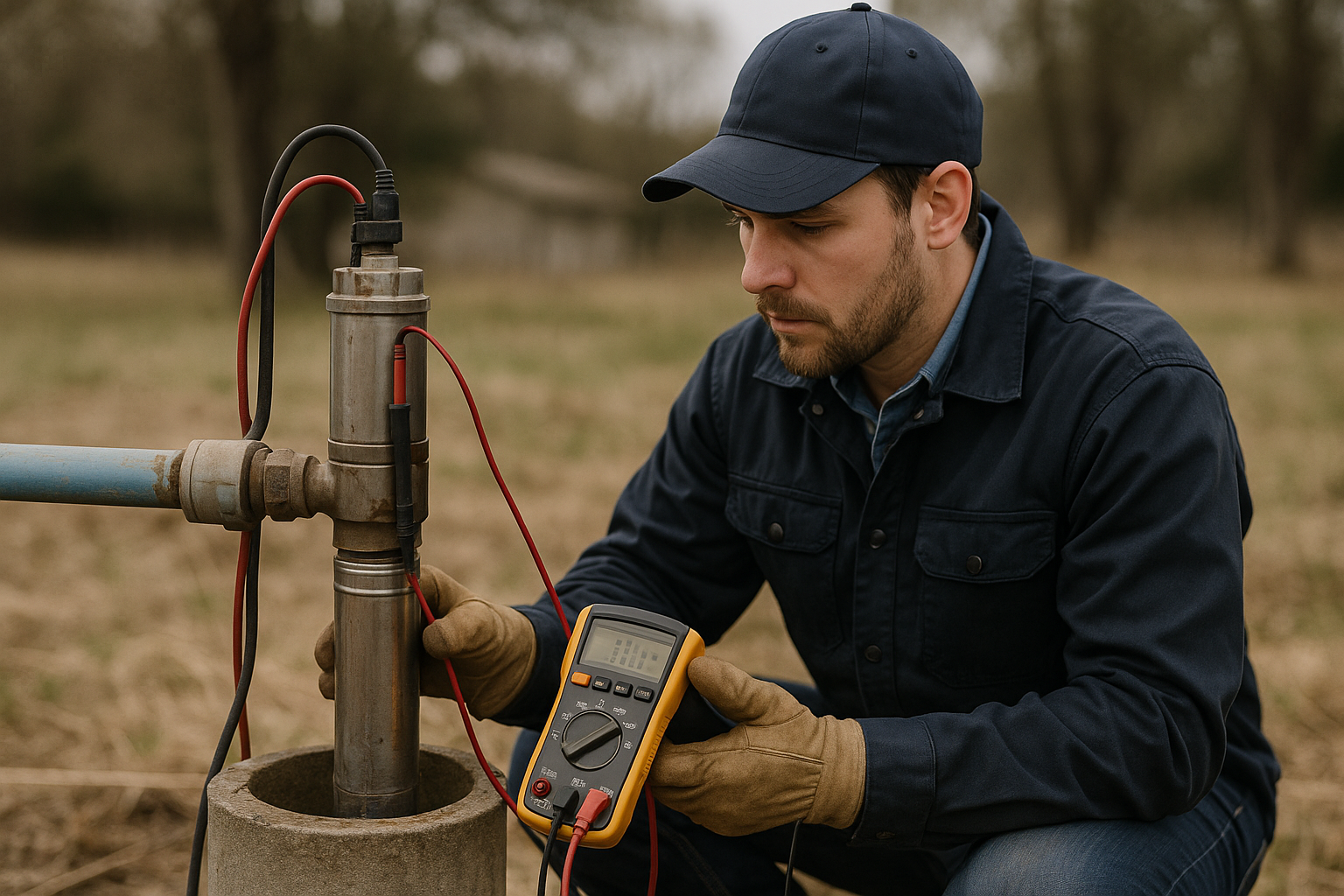
Low Water Pressure From Well: Complete Fix Guide
Diagnose and solve low pressure problems

Well Pressure Switch: Settings, Adjustment & Replacement
Everything about pressure switches
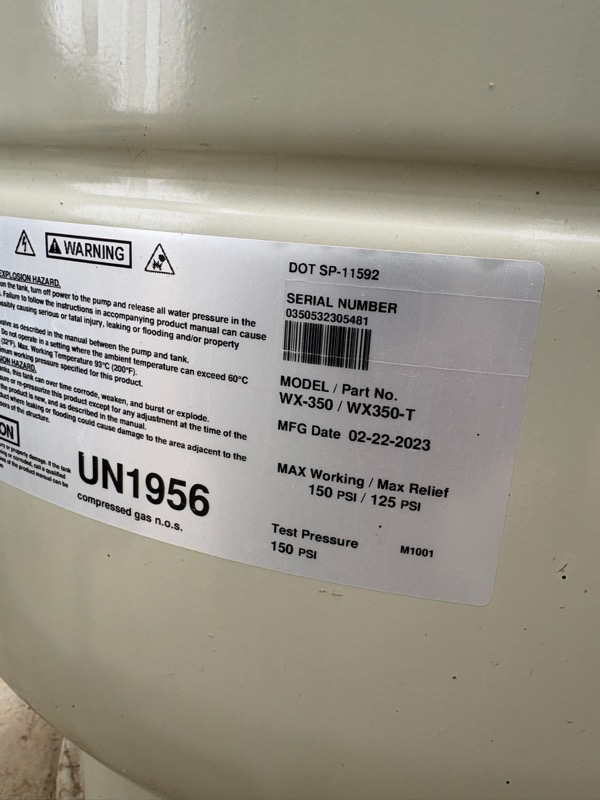
Pressure Tank Maintenance: Complete Guide
Keep your pressure tank working properly
Low Water Pressure Solutions for Black Mountain Ranch Properties
Black Mountain Ranch sits in the rolling coastal foothills of northern San Diego County, near the 92127 communities of Rancho Peñasquitos, 4S Ranch, Del Sur, and Santaluz. While many homes here are on municipal water, the estate parcels, horse properties, and older rural lots along the area's eastern and northern edges — toward Santa Fe Valley and Highland Valley — depend on private wells. Those wells are drilled into decomposed granite and fractured crystalline rock at the foot of Black Mountain, typically 200 to 600 feet deep, and weak pressure on these systems almost always traces back to one of a handful of fixable causes.
How a Well Pressure System Works
Your water pressure is produced by a partnership between three parts: a submersible pump down in the well, a pressure tank that stores water under a cushion of compressed air, and a pressure switch that turns the pump on and off — usually at 40 PSI and 60 PSI. When pressure feels weak or surges up and down, one of those three has drifted out of balance, or something is restricting flow between the well and your fixtures. The goal of a good diagnosis is to identify the actual weak link instead of guessing.
Common Causes of Low Pressure in Black Mountain Ranch
- Failed pressure tank bladder. When the air bladder ruptures, the pump short-cycles and you get pulsing, inconsistent pressure. It's the most frequent issue we find on foothill properties.
- Pressure switch trouble. Contacts wear, corrode, or fall out of adjustment, causing the pump to cut off before reaching full pressure.
- Granite fines and mineral scale. Wells in decomposed granite pull fine sediment and scale that clog screens, valves, and the pump intake, steadily reducing flow.
- Elevation and long pipe runs. Many Black Mountain Ranch lots sit on slopes with the home well above the wellhead or a storage tank. Every foot of lift costs pressure, and undersized systems can't keep up.
- Aging or undersized pump. A pump losing impeller efficiency — or one that was never sized for today's irrigation demand — delivers less water at lower pressure.
What to Check Before Calling
- Watch the pressure gauge through a full cycle. Rapid bouncing or a pump that cycles every few seconds points to the tank.
- Tap the tank. A hollow ring up top is healthy; a solid, full sound all the way up means it's waterlogged.
- Test one fixture versus the whole house. If only one tap is weak, clean its aerator first — the well may be fine.
- Note the timing. Pressure that fades only when irrigation runs suggests a capacity or sizing issue rather than a failed part.
Anything involving the pump, wiring, or opening the pressure tank should be left to a licensed professional — these systems store both electricity and pressure.
When to Call a Professional
Reach out when low pressure affects the whole house, when the pump never shuts off, when you hear air sputtering at the taps, or when water turns cloudy or gritty. On hillside properties especially, persistent low pressure often signals a system that needs to be re-sized for the home's elevation rather than a single broken part.
Realistic Cost Ranges
A diagnostic visit is $125 and is credited toward any repair. Pressure switch replacement runs $150–$350; a new pressure tank, $600–$1,500. For the hillside lots common in Black Mountain Ranch, a constant-pressure or booster system — which holds steady PSI no matter the elevation or demand — runs $2,000–$4,500 and is often the best long-term fix. A submersible pump replacement typically runs $2,500–$5,500, and sediment filtration to handle granite fines runs $300–$900.
Serving Black Mountain Ranch and North San Diego County
Southern California Well Service covers Black Mountain Ranch and the surrounding San Diego County communities — Rancho Peñasquitos, 4S Ranch, Del Sur, Rancho Bernardo, and Poway — from our Ramona office, with same-day emergency response when your water stops. We're a licensed C-57 well contractor founded in 2020, with 60+ years of family heritage and we specialize in the granite-foothill wells that define this part of the county.
How We Diagnose Pressure Problems Step by Step
On a Black Mountain Ranch property, our first move is to understand the layout: where the well sits, where any storage or booster tanks are, and how much the home rises above them. We watch a full pump cycle at the gauge, verify the tank's pre-charge against the switch setting, and test the switch contacts. Then we measure actual flow and pressure at the highest fixture in the house, because on these foothill lots the top-floor shower is where weak pressure shows up first. That elevation-aware approach lets us tell the difference between a failing component and a system that was simply never matched to the home's height.
We also inspect for the fine granite sediment these wells are known to produce, checking screens and any existing filtration. Catching sediment early protects the pump, which is by far the most expensive part to replace.
Foothill Geology and What It Means for Your Well
Black Mountain Ranch sits on decomposed granite over fractured crystalline rock, the same formation that gives nearby Black Mountain its rugged profile. Wells in this rock draw from fractures rather than a continuous aquifer, so yields vary from one parcel to the next — even neighboring lots can behave very differently. A well with a modest natural yield can still deliver excellent household pressure with a properly sized tank and pump, but it's less forgiving of waste, so a hidden leak or an oversized irrigation zone shows up as low pressure faster here than it would on a high-yield basin well.
This is also why local knowledge matters. An out-of-area company that assumes a generous aquifer may oversize a pump and pull the well down, while the right setup works with the fracture system instead of against it.
Repair, Upgrade, or Maintain?
For most Black Mountain Ranch homes, the highest-value upgrade is a constant-pressure system that keeps PSI rock-steady regardless of elevation or how many fixtures are running — a real difference on multi-story hillside houses. Simpler fixes like a switch or tank replacement still solve many cases. Whatever the repair, a yearly inspection of the tank pre-charge, switch, and sediment filtration keeps a foothill well running smoothly and helps you avoid the sudden no-water call that granite wells can spring when sediment finally chokes a screen.
Frequently Asked Questions
My house is uphill from the well — is that why my pressure is low?
Often, yes. Elevation gain between the wellhead and your fixtures costs pressure. A constant-pressure system maintains steady PSI regardless of how high the home sits, which is why it's our most common recommendation for Black Mountain Ranch slopes.
Do Black Mountain Ranch wells produce sediment?
Wells in decomposed granite commonly pull fine sand and mineral particles that clog screens and valves over time. Sediment filtration protects your pump and keeps pressure from gradually declining.
How can I tell if it's my pump or my tank?
A short-cycling pump with bouncing pressure usually means a failed tank, while steadily weak pressure across a full cycle more often points to the pump. A quick diagnostic confirms it without guesswork.
Is low pressure damaging my appliances?
It can shorten the life of water-using appliances and leaves the pump running longer than necessary. Restoring proper pressure protects both your fixtures and your well equipment.
Do you offer same-day service in this area?
Yes. We provide same-day emergency response throughout North County San Diego. Call (760) 440-8520 or text (760) 219-5877.
Why do two neighboring Black Mountain Ranch wells perform so differently?
Wells here draw from fractures in granite rather than a uniform aquifer, so yield can vary sharply between adjacent parcels. The right pump and tank sizing works with your well's specific fracture system, which is why a local diagnosis beats a one-size-fits-all setup.
Restore Your Water Pressure Today
Strong, steady water pressure is within reach. Southern California Well Service will pinpoint the real cause and fix it right the first time on your Black Mountain Ranch property. Call (760) 440-8520 for a fast, honest assessment.