
Low Water Pressure Solutions in Cardiff By The Sea
Dealing with weak water pressure in Cardiff By The Sea? Low water pressure can make showers frustrating and appliances ineffective. Our team diagnoses the root cause and restores your water pressure fast.
📋 In This Guide
Need Low Water Pressure Solutions in Cardiff By The Sea?
We serve Cardiff By The Sea and all of Riverside County. Licensed C-57 contractor (CSLB #1086994), founded 2020.
Call: (760) 440-8520Our Low Water Pressure Solutions Services
- Pressure tank repair and replacement
- Pressure switch adjustment
- Pump upgrades for better pressure
- Constant pressure systems
- Booster pump installation
- Clogged pipe diagnosis
- Well yield testing
- Complete system evaluation
Why Cardiff By The Sea Chooses SCWS
✓ Local Expertise
We know Riverside County geology and wells
✓ Fast Response
Same-day service for Cardiff By The Sea
✓ Fair Pricing
Honest quotes, no surprises
✓ Quality Work
4.5昅 rating, hundreds of reviews
Our Locations
Related Articles
Continue learning about well maintenance and troubleshooting
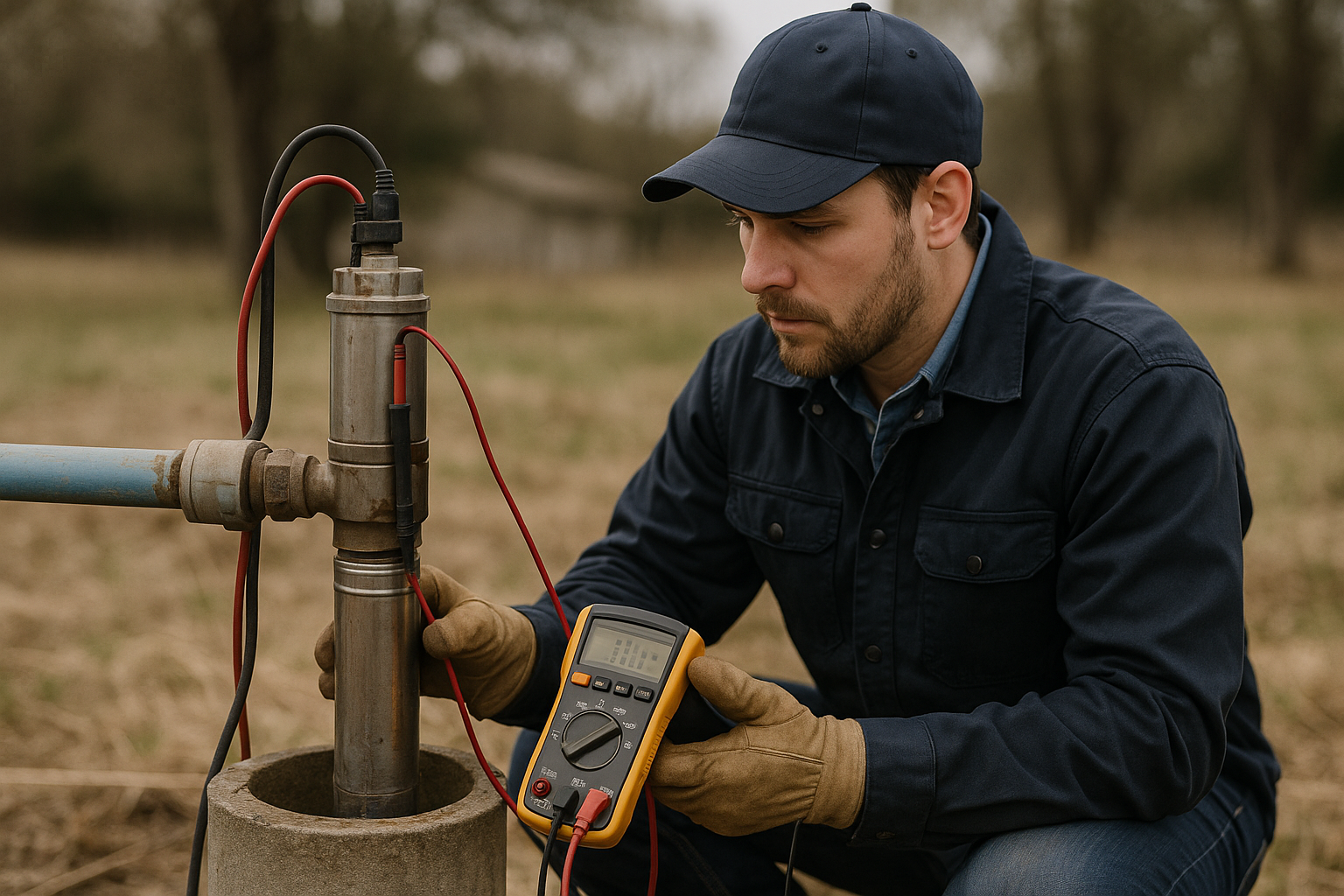
Low Water Pressure From Well: Complete Fix Guide
Diagnose and solve low pressure problems
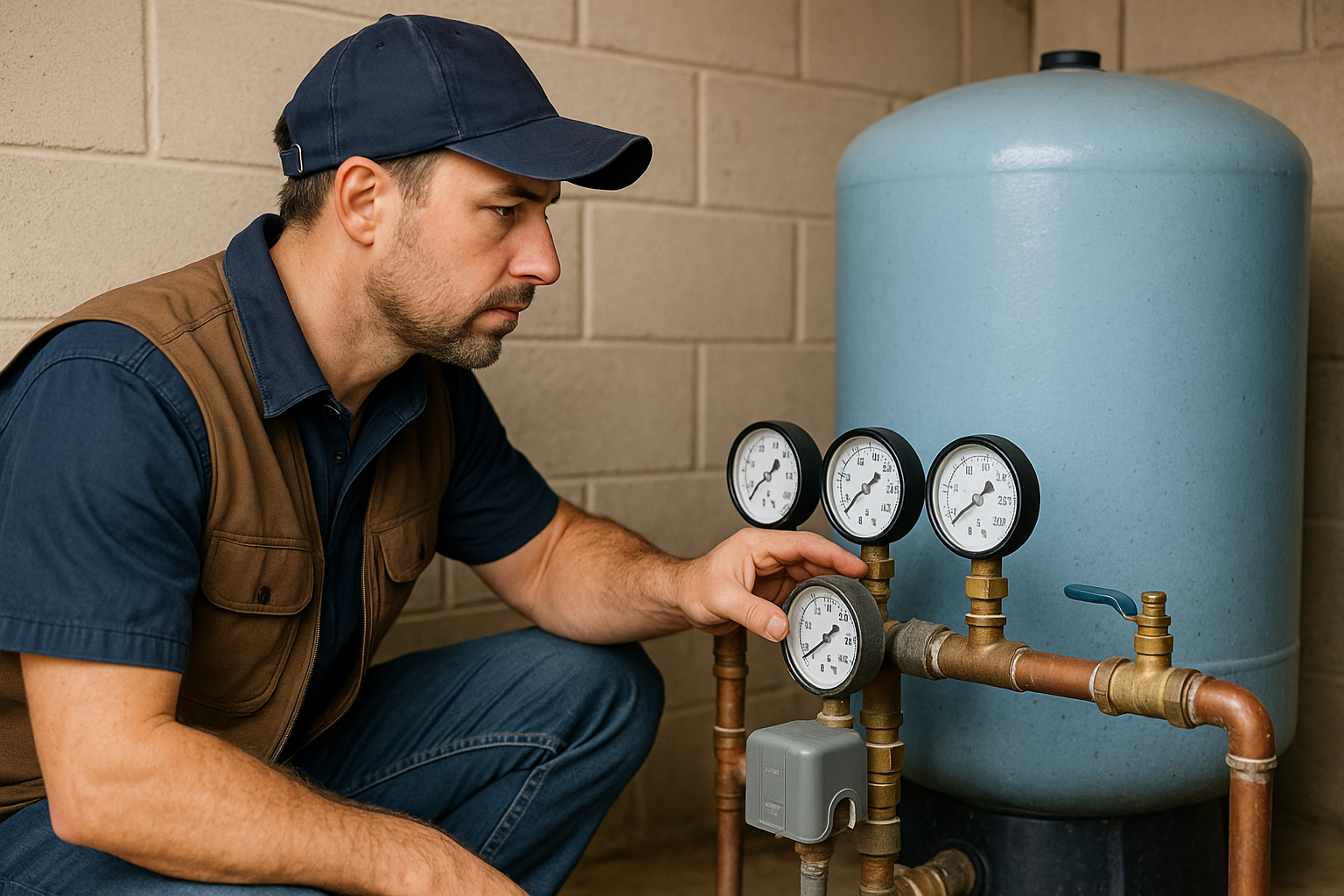
Well Pressure Switch: Settings, Adjustment & Replacement
Everything about pressure switches
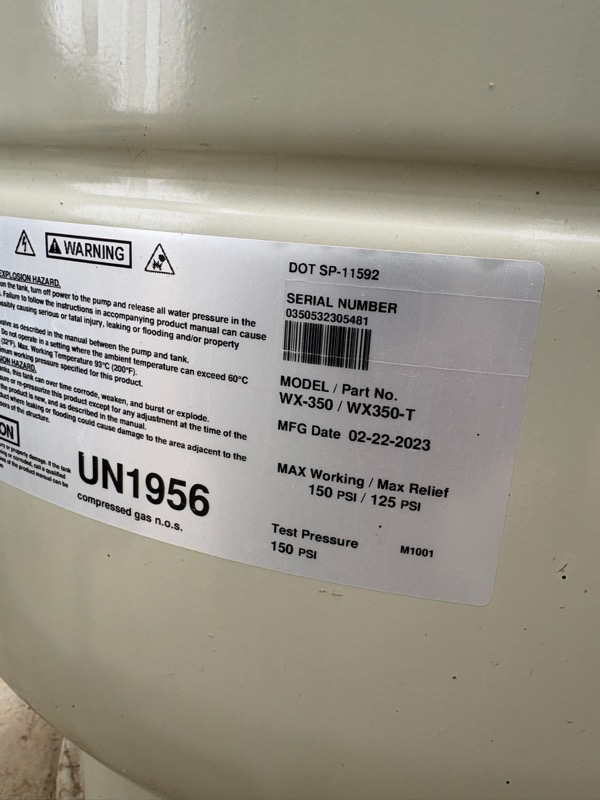
Pressure Tank Maintenance: Complete Guide
Keep your pressure tank working properly
Low Water Pressure Solutions for Cardiff-by-the-Sea Properties
When water pressure fades — a shower that loses force, faucets that trickle, irrigation that cannot keep the landscaping alive — the disruption reaches into every part of the day. For Cardiff-by-the-Sea homeowners who rely on a private well, weak flow usually signals that part of the well system needs attention. The reassuring news is that most causes can be pinpointed and corrected, and dealing with them early is almost always cheaper than replacing a failed pump.
Cardiff-by-the-Sea is a coastal community within the city of Encinitas, San Diego County, set between the Pacific shoreline, the San Elijo Lagoon, and the bluffs and hills that rise inland toward Olivenhain. The geology blends coastal sedimentary terraces — sandstone and siltstone — with lagoon-influenced soils near the wetlands and steeper bedrock on the inland rises. Add a steady marine layer and salt air, and Cardiff wells develop a character all their own. As a licensed C-57 well contractor that has served San Diego County since 2020, we understand the pressure problems Cardiff-by-the-Sea properties face and how to resolve them for good.
How a Well Pressure System Actually Works
Before troubleshooting, it helps to know what builds pressure at the tap. A typical Cardiff residential well system relies on five parts:
- The well and pump — a submersible pump lifts water from the casing to the surface.
- The pressure tank — stores water under pressure with an air bladder so the pump runs less often.
- The pressure switch — senses tank pressure and cycles the pump, typically at 40 PSI cut-in and 60 PSI cut-off.
- Filtration and treatment — sediment filters and softeners that guard against grit and minerals.
- Piping and wiring — the plumbing and electrical that tie the system to the home.
When any one part falls out of spec, the faucet shows the same symptom: weak, surging, or fading pressure. The skill lies in identifying the failing link.
Why Cardiff-by-the-Sea Wells Lose Pressure
Some causes are universal; several are amplified by Cardiff's coastal-lagoon setting:
- Salt-air corrosion. The persistent marine layer rusts pressure switches, wiring, and exposed fittings faster than inland, degrading the components that control pressure.
- Lagoon-influenced sediment. Wells near San Elijo Lagoon can draw fine sand, silt, and organic matter that clog screens, filters, and aerators.
- Elevation on the inland rises. Homes on the bluffs and hills toward Olivenhain lose pressure lifting water to higher fixtures and irrigation.
- Hard, mineral-rich water. Calcium and magnesium scale narrows pipes and coats pump parts over the years, reducing flow.
- Iron and sulfur in lagoon-area groundwater. Iron bacteria and mineral content can foul screens and filters, restricting how much water enters the well.
The Most Common Causes — and What They Mean
1. A Waterlogged Pressure Tank
The most common cause we encounter. The tank's bladder separates water from a cushion of air; when it ruptures or the charge bleeds off, the tank waterlogs and the pump short-cycles — turning on and off every few seconds — while pressure collapses the instant the pump stops. Left alone, short cycling destroys a healthy pump within months. The fix is a properly sized replacement tank with the pre-charge set 2 PSI below cut-in (38 PSI for a 40/60 system).
2. A Failing or Misadjusted Pressure Switch
The switch is the system's brain, and Cardiff's salt air corrodes it quickly. Its sensing port can clog, its contacts can pit, and its set points drift. Homes still on 30/50 often feel underpowered; upgrading to 40/60 usually improves performance — provided the tank pre-charge is matched.
3. Clogged Sediment Filters or Well Screen
A neglected whole-house filter throttles the entire home. Lagoon-influenced wells carry fine sediment and organics, so filters here often need changing every two to four months. Deeper in the well, the intake screen can foul with iron bacteria and scale, restricting inflow — a job for professional rehabilitation.
4. A Worn or Undersized Pump
Pumps last roughly 10 to 15 years, less in sandy or mineral-heavy water. As impellers wear, output and pressure fall. A pump running constantly with weak pressure suggests wear, a dropping water level, or a leak. Most Cardiff homes suit a 3/4 to 1.5 HP pump; an undersized or worn unit cannot hold pressure under demand.
5. Iron Bacteria and Mineral Fouling
Near the lagoon, iron bacteria form slimy deposits that clog screens, filters, and even pump components, steadily cutting flow. This is a treatable problem, but it usually requires professional cleaning, shock treatment, or filtration rather than a simple cartridge swap.
6. Leaks and Pipe Scale
A hidden leak between the well and the house, or scaled pipe in the walls, quietly drains pressure. A gauge test — watching for a drop with all water off — confirms a leak before any excavation.
Step-by-Step: What You Can Safely Check First
Safety first: always switch off power to the well pump at the breaker before inspecting or adjusting any electrical or pressure component. Water and electricity are a dangerous combination.
- Listen to the pump. Constant running, rapid cycling, or silence each points somewhere different. Rapid cycling suggests the tank; constant running with low pressure suggests the pump, a leak, or low water level.
- Read the pressure gauge. A healthy system holds a steady 40–60 PSI band; wide swings signal trouble.
- Check whole-house versus one fixture. A single weak tap usually means a clogged aerator; weak everywhere is a system issue.
- Inspect the sediment filter. A fouled cartridge can choke the house — replace it with the correct micron rating and recheck.
- Tap the pressure tank. With power off and the tank drained, a tank that sounds solid all the way up is waterlogged.
- Watch for leaks. Close every fixture and watch the gauge; a slow drop means a leak.
When to Call a Professional
Call us if the pump will not run, runs constantly with little pressure, keeps short-cycling after a tank check, spits air, or if you notice iron staining or a sulfur smell with falling pressure. These point to pump failure, a fouled screen, iron bacteria, or corroded wiring — issues that need proper tools and a licensed well technician.
What Pressure Repairs Typically Cost in Cardiff-by-the-Sea
- Pressure switch replacement — $150 to $350 including parts and labor
- Pressure tank replacement — $600 to $1,500 depending on tank size
- Submersible pump replacement — $2,500 to $5,500 depending on depth and horsepower
- Whole-house sediment filtration — $300 to $900 installed (often worth it near the lagoon)
- Water softener for hard water — $1,500 to $3,500 installed
- Constant-pressure / booster system — $2,000 to $4,500 for inland-rise lots needing steady pressure
- Diagnostic service call — $125, credited toward the repair if you proceed
Every job starts with a clear written estimate — no surprises and no upselling.
Serving Cardiff-by-the-Sea and North Coastal San Diego County
We provide well pressure diagnosis and repair throughout Cardiff-by-the-Sea and the neighboring communities of Encinitas, Solana Beach, Olivenhain, Leucadia, and the wider North County coast. With offices in Ramona and Anza, our trucks are stocked with pumps, tanks, switches, and pressure components for same-day repairs whenever possible.
Frequently Asked Questions
Why does my Cardiff well water smell like sulfur or stain fixtures?
Near San Elijo Lagoon, groundwater can carry iron, manganese, and sulfur, and iron bacteria can form slimy deposits that both foul the system and reduce flow. Proper filtration, shock treatment, or a treatment system addresses the odor and staining while protecting pressure.
How does the coastal air affect my well equipment?
Cardiff's marine layer accelerates corrosion on pressure switches, wiring, and fittings. We recommend corrosion-resistant components and sealed enclosures to extend equipment life near the coast.
What PSI should my well pressure be set to?
Most homes run best at 40/60 PSI, with the tank pre-charge set 2 PSI below cut-in (38 PSI). Homes on 30/50 often feel underpowered and improve with an upgrade once the tank charge is matched.
Is low pressure a sign my pump is failing?
Often not. A waterlogged tank, clogged filter, or iron-bacteria fouling causes low pressure more often than a dead pump. We diagnose the whole system before recommending a pump replacement.
How much does it cost to fix low water pressure?
It depends on the cause: a pressure switch is $150–$350, a tank $600–$1,500, and a pump $2,500–$5,500. Our $125 diagnostic call finds the real issue and is credited toward the repair.
How fast can you respond to a no-pressure emergency?
We prioritize emergency calls in Cardiff-by-the-Sea and aim for same-day response during business hours. Call (760) 440-8520 or text (760) 219-5877.
Restore Your Water Pressure Today
If your Cardiff-by-the-Sea well is not delivering the pressure it should, we will determine exactly why and fix it right the first time. Call (760) 440-8520, text (760) 219-5877, or request a free estimate online. Honest diagnosis, fair pricing, and dependable water are what we deliver to San Diego County well owners every day.