
Low Water Pressure Solutions in Carmel Mountain Ranch
Dealing with weak water pressure in Carmel Mountain Ranch? Low water pressure can make showers frustrating and appliances ineffective. Our team diagnoses the root cause and restores your water pressure fast.
📋 In This Guide
Need Low Water Pressure Solutions in Carmel Mountain Ranch?
We serve Carmel Mountain Ranch and all of San Diego County. Licensed C-57 contractor (CSLB #1086994), founded 2020.
Call: (760) 440-8520Our Low Water Pressure Solutions Services
- Pressure tank repair and replacement
- Pressure switch adjustment
- Pump upgrades for better pressure
- Constant pressure systems
- Booster pump installation
- Clogged pipe diagnosis
- Well yield testing
- Complete system evaluation
Why Carmel Mountain Ranch Chooses SCWS
✓ Local Expertise
We know San Diego County geology and wells
✓ Fast Response
Same-day service for Carmel Mountain Ranch
✓ Fair Pricing
Honest quotes, no surprises
✓ Quality Work
CSLB #1086994 · founded 2020
Our Locations
Get a Free Estimate
Call now for low water pressure solutions in Carmel Mountain Ranch
(760) 440-8520Related Articles
Continue learning about well maintenance and troubleshooting
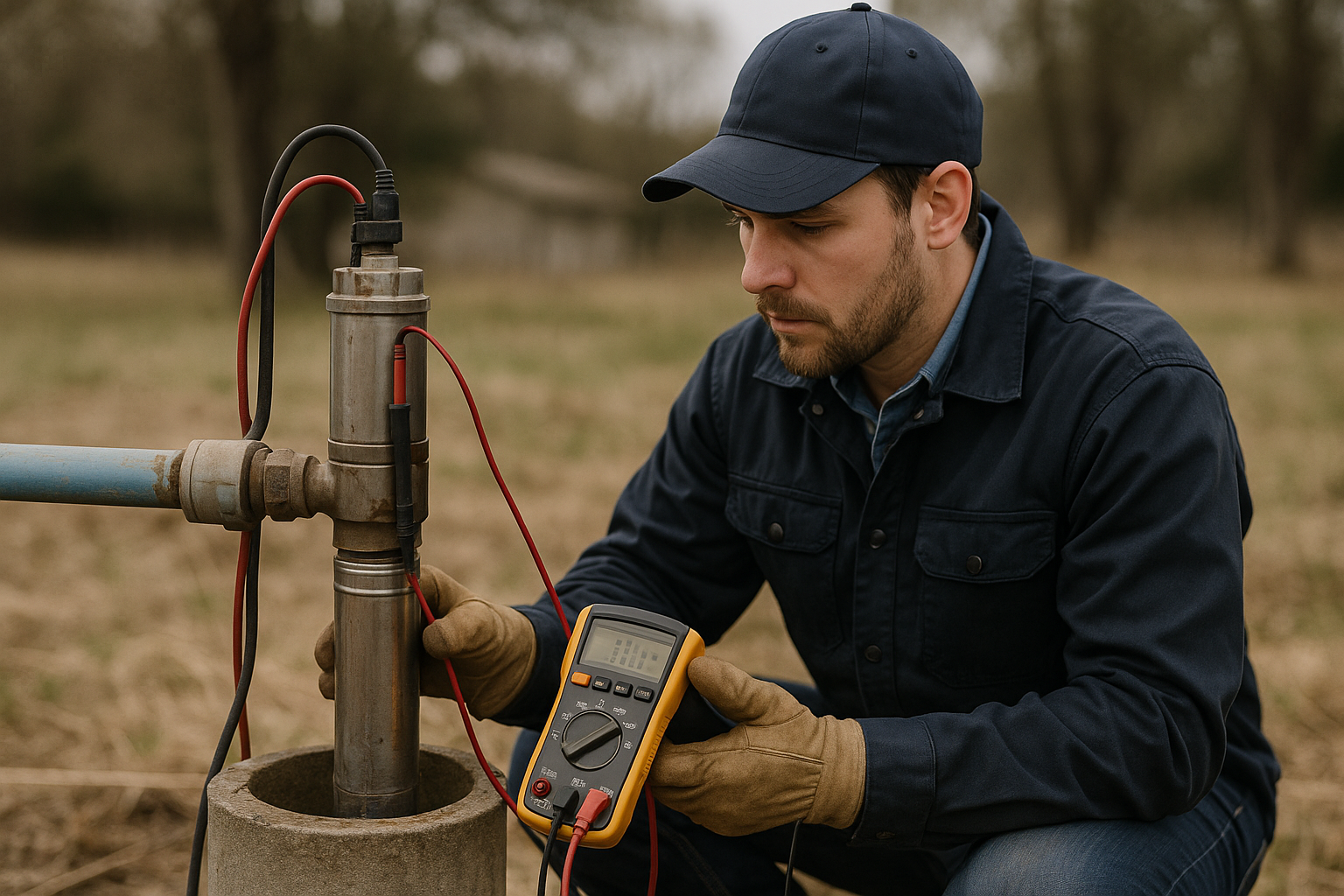
Low Water Pressure From Well: Complete Fix Guide
Diagnose and solve low pressure problems
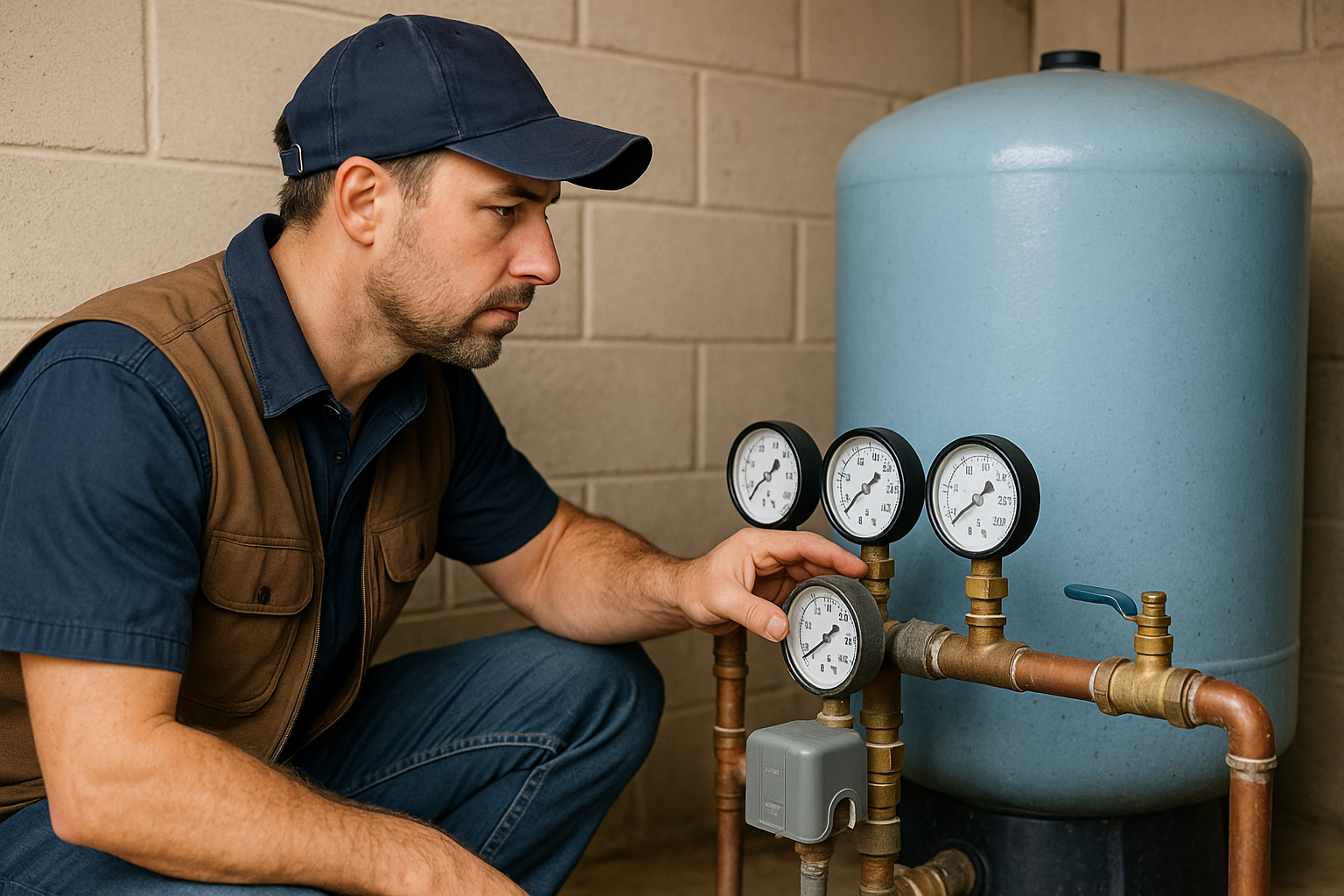
Well Pressure Switch: Settings, Adjustment & Replacement
Everything about pressure switches
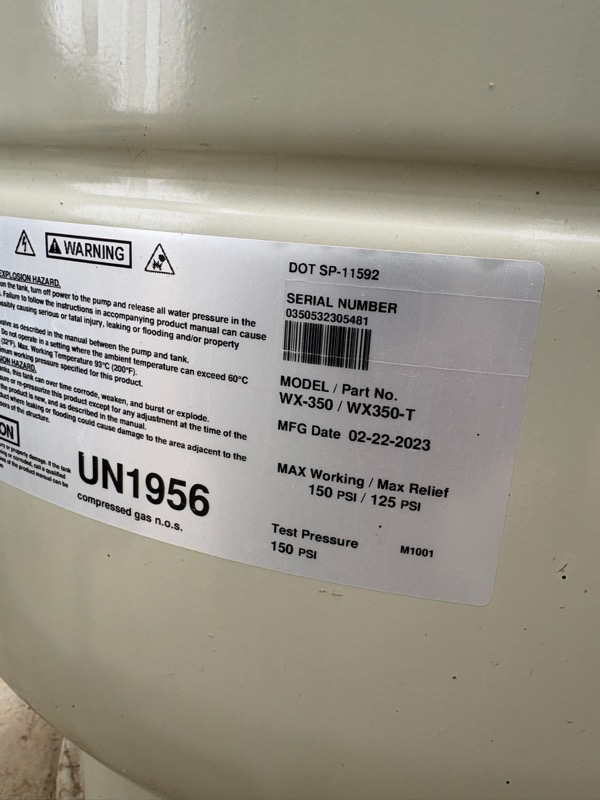
Pressure Tank Maintenance: Complete Guide
Keep your pressure tank working properly
Low Water Pressure Solutions for Carmel Mountain Ranch Wells
Carmel Mountain Ranch sits on the inland mesas and canyons of northeastern San Diego, a master-planned community framed by the rolling, chaparral-covered terrain that defines this part of San Diego County. While the neighborhood is largely on municipal water, properties on the canyon edges, the older semi-rural parcels, and the surrounding unincorporated pockets often depend on a private well. When water pressure starts to weaken, the inland geology and warm, dry climate here shape both the cause and the cure.
This corner of San Diego County lies within the Peninsular Ranges, where decomposed granite and fractured crystalline rock dominate beneath the surface. Wells in this terrain frequently draw from water stored in rock fractures rather than from a deep, easy-flowing aquifer, which makes yield, depth, and seasonal recharge real factors in how your system performs. A contractor who understands inland San Diego County geology will read those clues far faster than an out-of-area outfit. The difference shows up in the diagnosis: where a generalist might simply swap a part and hope, an experienced local crew can tell whether your weak pressure traces back to the well, the equipment, or the demand on a hot afternoon, and fix the actual cause.
How Your Carmel Mountain Ranch Well System Works
Your well system is a connected chain. A submersible pump lowered into the well lifts water up to a pressure tank, where an air-charged bladder stores pressurized water so the pump doesn't run every time you open a tap. A pressure switch starts and stops the pump, typically holding the system between 40 and 60 PSI to deliver steady flow throughout the home.
What makes this inland setting distinctive is the combination of fractured-rock geology and a hot, dry climate. Fractured-rock wells can vary widely in how much water they produce, and during the long dry season demand climbs just as groundwater levels dip. The result is that a well comfortably keeping up in spring can begin to struggle by late summer. Pair that with the heat stress that pumps and tanks endure in inland San Diego, and you have a setting where matching the equipment to the conditions really matters. The right pressure tank size, pump capacity, and storage configuration are not one-size-fits-all decisions out here; they depend on what your particular well can deliver and how hard your household pushes it during the dry months.
Common Causes of Low Pressure in Carmel Mountain Ranch
Across our inland San Diego County service work, these are the issues we see most often in Carmel Mountain Ranch:
- Waterlogged pressure tank. A failed bladder is one of the most common and most misdiagnosed problems. It causes rapid pump short-cycling and pressure that surges then sags.
- Low-yield fractured-rock wells. Many inland wells draw from rock fractures that recharge slowly. Under heavy summer demand, the well can't refill the tank fast enough and pressure fades.
- Mineral and scale buildup. Local groundwater tends to be hard, and over the years scale narrows pipes and coats pump components, gradually restricting flow.
- Worn or aging pump. Pumps lose capacity as they age, and the hard, mineral-laden water and inland heat accelerate that wear.
- Pressure switch drift. Switches fall out of calibration or corrode, causing the pump to shut off early at a lower PSI than intended.
- Clogged sediment filtration. A plugged whole-house filter quietly strangles pressure throughout the home and is easy to overlook.
What to Check Before You Call
A quick self-check can narrow down the cause and sometimes save a service call:
- Whole house or one fixture? If only one faucet is weak, suspect a clogged aerator. Low pressure everywhere points to the well system.
- Watch for a seasonal pattern. If pressure is fine in cooler months but fades in the heat of summer, a low-yield well or rising demand is a likely factor, very common in this inland terrain.
- Read the pressure gauge. Watch the gauge near your tank while water runs. A healthy system cycles in roughly a 20-PSI band such as 40 to 60. Numbers well below that signal a problem.
- Listen to the pump. Rapid on-off clicking usually means a waterlogged tank. Constant running without building pressure suggests a worn pump or a low-yield well.
- Check the sediment filter. A dirty cartridge is a cheap, easy first thing to rule out.
Leave the well cap, wiring, and pressure switch to a licensed professional. Those involve live electricity and pressurized water and are not safe to handle yourself.
When to Call a Professional
Reach out right away if you have no water, if your pump runs nonstop, if you notice rapid short-cycling, or if pressure dropped suddenly. Sudden loss can mean a failing pump or a line break and can leave you without water entirely. Gradual decline usually points to scale, an aging pump, a tank near the end of its life, or a well that can't keep up with peak summer demand. Our diagnostic visit is $125 and is credited toward any repair we perform, so you get a straight answer without paying twice.
Realistic Cost Ranges
Every well is different, but these ranges reflect typical Carmel Mountain Ranch pressure work:
- Pressure switch replacement: $150–$350
- Pressure tank replacement: $600–$1,500
- Submersible pump replacement: $2,500–$5,500
- Sediment filtration system: $300–$900
- Iron/manganese filter or water softener: $1,500–$3,500
- Constant-pressure or booster system: $2,000–$4,500
- Hydrofracturing to improve a low-yield well: $3,000–$8,000 (often valuable for inland fractured-rock wells)
- New turnkey well: $18,000–$42,000
For inland properties with low-yield wells, combining adequate storage with a constant-pressure system is frequently the most reliable long-term answer. It buffers the slow recharge of a fractured-rock well and keeps PSI steady even during peak summer demand.
Serving Carmel Mountain Ranch and Inland North County
Southern California Well Service is a licensed C-57 well contractor (CSLB #1086994) (CSLB #1086994), founded in 2020, with 60+ years of family heritage across San Diego County. From our offices in Ramona and Anza, we serve Carmel Mountain Ranch and the surrounding inland communities including Rancho Peñasquitos, Rancho Bernardo, Sabre Springs, and Poway. Because we understand inland fractured-rock wells and the demands of the dry-season climate, we diagnose accurately and fix the real problem the first time. Same-day emergency service is available when you're left without water, and our familiarity with inland fractured-rock wells means we usually arrive already anticipating what your system is likely doing.
Frequently Asked Questions
Why does my Carmel Mountain Ranch well lose pressure in late summer?
Many inland wells draw from rock fractures that recharge slowly. By late summer, with high irrigation demand and lower groundwater levels, the well may not refill the tank fast enough, so pressure sags. Storage and constant-pressure solutions smooth this out so heavy use no longer drains you.
Is the water in this area hard?
Generally yes. Inland San Diego County groundwater tends to be hard and mineral-rich, and over time scale builds inside pipes and pump parts, reducing pressure and shortening equipment life. Treatment restores flow and protects your system.
How deep are wells in Carmel Mountain Ranch?
Depth varies with the fractured-rock geology, and two nearby parcels can differ noticeably. Wells here are completed to reach productive fractures, and we test each one to understand its depth, yield, and reliable output before recommending a fix.
Can hydrofracturing improve my well's pressure?
For a genuinely low-yield fractured-rock well, hydrofracturing can open and connect existing fractures to improve flow into the well. We assess whether your well is a good candidate before recommending it, since the underlying issue is sometimes equipment rather than the well itself.
Does the inland heat affect my pump and tank?
It can. Pumps and pressure tanks work hard during long, hot inland summers, and components already weakened by age or scale tend to fail when demand peaks. Addressing borderline equipment before summer is the smart move.
Do you offer same-day service in Carmel Mountain Ranch?
We do. For no-water and sudden pressure-loss emergencies we prioritize same-day response throughout Carmel Mountain Ranch and inland North County. Call (760) 440-8520 and we'll get a technician on the way.
Get Your Carmel Mountain Ranch Water Pressure Back
Whether a slow well is struggling in the heat or a tank has simply worn out, Southern California Well Service will find the real cause and restore your water pressure for good. Call (760) 440-8520 or text (760) 219-5877 to schedule service today — your $125 diagnostic is credited toward the repair.