
Low Water Pressure Solutions in Casa de Oro
Dealing with weak water pressure in Casa de Oro? Low water pressure can make showers frustrating and appliances ineffective. Our team diagnoses the root cause and restores your water pressure fast.
In This Guide
Need Low Water Pressure Solutions in Casa de Oro?
We serve Casa de Oro and all of San Diego County. Licensed C-57 contractor (CSLB #1086994), founded 2020.
Call: (760) 440-8520Our Low Water Pressure Solutions Services
- Pressure tank repair and replacement
- Pressure switch adjustment
- Pump upgrades for better pressure
- Constant pressure systems
- Booster pump installation
- Clogged pipe diagnosis
- Well yield testing
- Complete system evaluation
Why Casa de Oro Chooses SCWS
Local Expertise
We know San Diego County geology and wells
Fast Response
Same-day service for Casa de Oro
Fair Pricing
Honest quotes, no surprises
Quality Work
CSLB #1086994, hundreds of reviews
Our Locations
Related Articles
Continue learning about well maintenance and troubleshooting
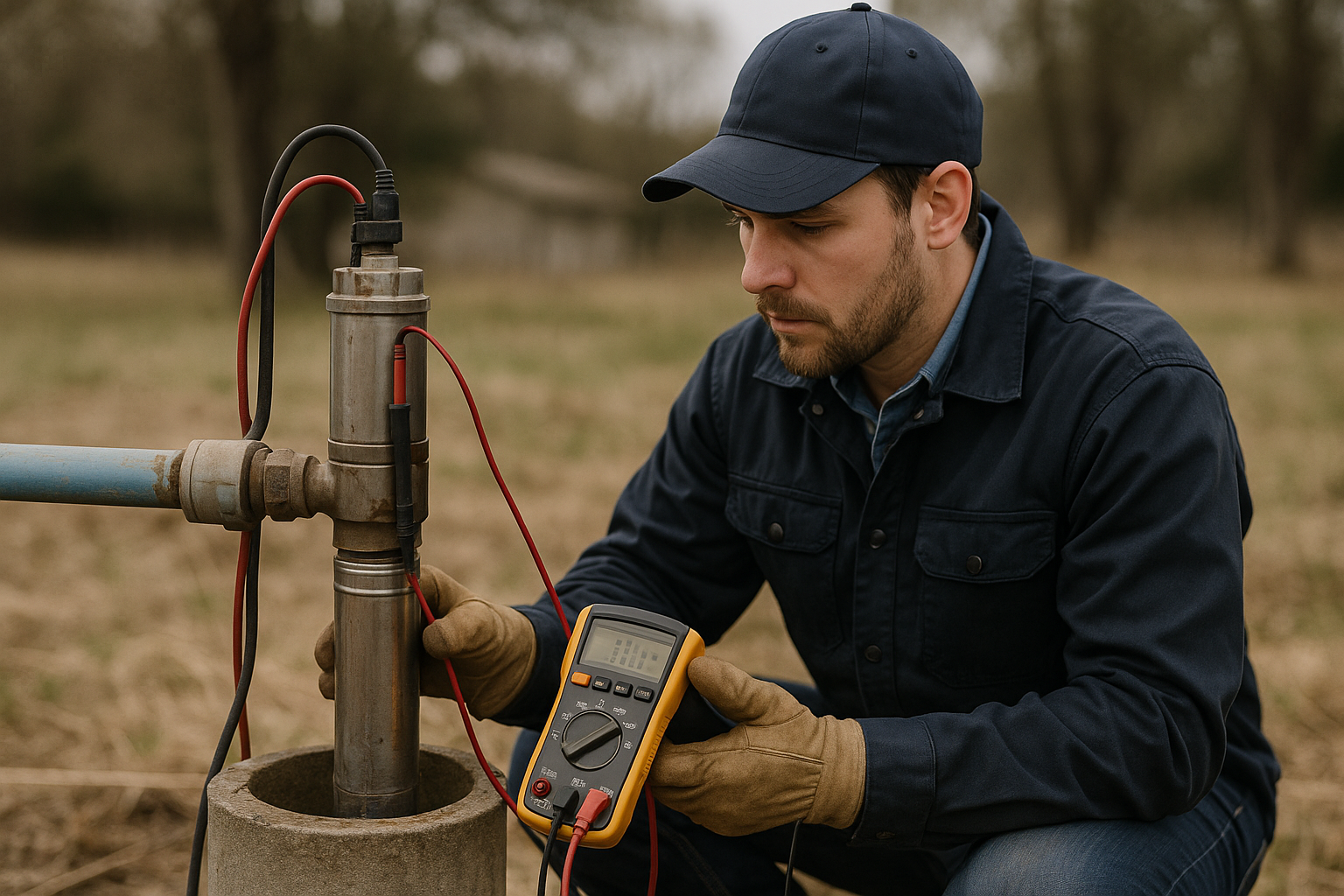
Low Water Pressure From Well: Complete Fix Guide
Diagnose and solve low pressure problems
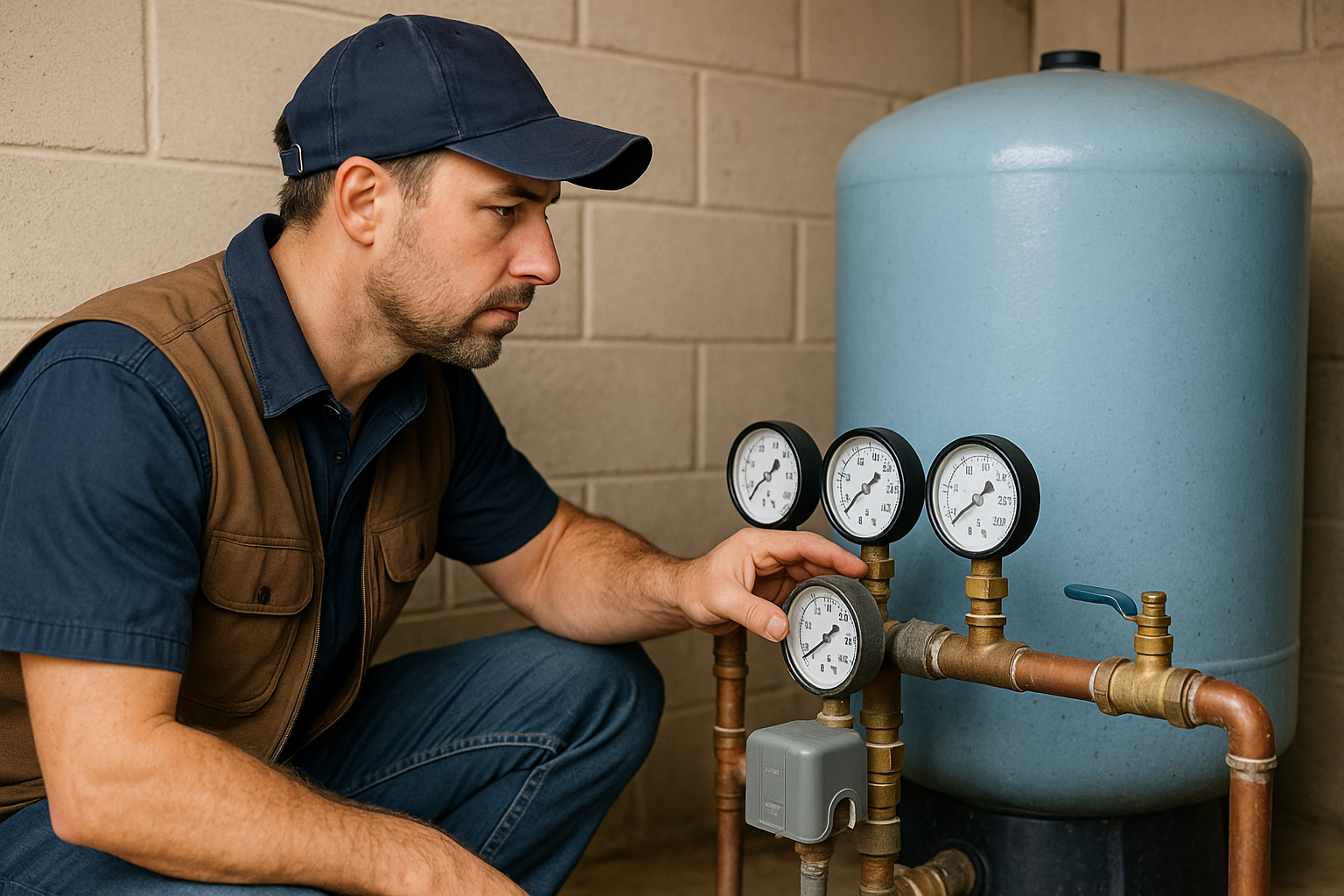
Well Pressure Switch: Settings, Adjustment & Replacement
Everything about pressure switches
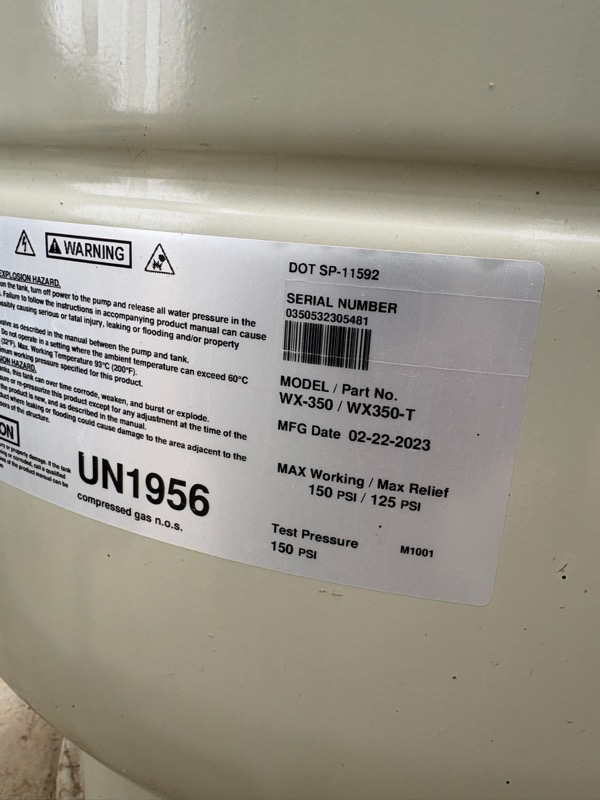
Pressure Tank Maintenance: Complete Guide
Keep your pressure tank working properly
Low Well Water Pressure in Casa de Oro, California
Casa de Oro is an East County community in San Diego County, set among the rolling hills and valleys around Mount Helix between La Mesa, Spring Valley, and El Cajon. With elevations climbing from around 800 feet up past 1,300 feet at the peak of Mount Helix, the area's winding roads and view lots sit on noticeably varied terrain. While much of Casa de Oro-Mount Helix is on municipal water, older hillside estates and rural parcels still rely on private wells, where elevation and hard groundwater make pressure a recurring concern. Weak showers, slow irrigation on terraced landscaping, and surging flow are all signs worth diagnosing early. This guide explains how your well builds pressure, what tends to go wrong on these hills, and how to get strong flow back.
How Your Casa de Oro Well Builds Pressure
Four components work together to pressurize your home. The pump — usually submersible, sometimes a jet pump on shallower wells — raises groundwater from the casing. A pressure tank stores it under pressure with an internal bladder that holds a cushion of compressed air, and that air pushes water to your fixtures while the pump rests. A pressure switch starts and stops the pump at preset cut-in and cut-out points, often 40/60 PSI — a band that gives hillside homes a little extra margin. Sediment filters remove silt and grit. When all four are healthy and matched, pressure holds steady; a fault in any one shows up across the whole property.
The pressure tank is worth understanding, because on a hillside lot it does double duty. It behaves like a battery for water pressure: while the pump runs it supplies your fixtures and recompresses the air cushion, and once you stop drawing water that cushion holds steady pressure until the cut-in point calls the pump back. That buffering keeps the pump from firing every time someone opens a tap, which is the main thing that prevents premature pump failure. On Casa de Oro's steep parcels, where the pump already works hard against elevation, a correctly sized and properly charged tank, commonly 20 to 80 gallons, is especially important — both for stable pressure and for the longevity of the pump.
Why Casa de Oro Wells Lose Pressure
The defining feature here is elevation. Homes perched on the slopes of Mount Helix and the surrounding hills sit well above their wellheads, and gravity steadily taxes pressure at the highest fixtures. Add East County's hard, mineral-rich groundwater and the usual mechanical wear, and a clear pattern emerges:
- Elevation losses. Every foot a fixture rises above the tank costs pressure, so upstairs and uphill fixtures feel weak first — the most common complaint on these hillside lots.
- Waterlogged pressure tank. A ruptured bladder removes the air cushion, causing surging pressure and a short-cycling pump.
- Scale buildup. Hard water deposits limescale in pipes, fixtures, and the tank, narrowing flow over time.
- Clogged filters. Sediment loads cartridges into flow restrictions if they are not changed.
- Worn pump. After 10 to 20 years, or sooner with hard water, a pump loses the punch to hold pressure under demand.
- Pressure switch trouble. Corroded contacts or a clogged sensing port disrupt the pump's cycling.
Sudden Loss or Slow Decline?
A simple question narrows the cause: did the pressure drop suddenly or fade over time? A sudden loss usually means a discrete failure — a tripped breaker, a quit pump, a torn bladder, or a stuck switch. A gradual decline points to a building restriction such as scale in the pipes, a loading filter, or a water table easing down in drought. On Casa de Oro's steep lots, a complaint that is worst at the uphill or top-floor fixtures — while the lower fixtures are fine — usually points to an elevation or booster issue rather than the well itself.
What to Check Before You Call
Begin by shutting off the well pump at the breaker so nothing electrical is live. Then run through these steps:
- Whole-house or one fixture? If only one tap is weak, check its aerator or shutoff valve before suspecting the well.
- Watch the gauge. Rapid pump cycling with light use indicates a tank or switch fault.
- Sound the tank. A fully solid-sounding tank usually means it is waterlogged.
- Check the air charge. Drained and depressurized, the Schrader valve should read about 2 PSI below cut-in; water from it confirms a failed bladder.
- Replace the filter. A packed cartridge is a quick, common fix.
- Test for leaks. A gauge that bleeds down with all water off signals a leak.
When to Bring in a Professional
Call us when the basics have not resolved it, when the pump must be pulled or replaced, when hillside elevation is starving your upper fixtures, or whenever wiring and controls are involved. Persistent low pressure across the home, a pump that hums without delivering water, grinding noises, or sudden total loss of water all warrant a service visit. Safely pulling and resetting a submersible takes the right equipment and experience and is not a weekend project.
Solutions Built for Hillside Properties
Once we pinpoint the cause, the fix is specific. For elevation losses — the signature Casa de Oro problem — a booster pump or a constant-pressure controller delivers steady flow to every fixture regardless of grade, which transforms the experience in a hillside home. We replace failed tanks, rebuild or swap worn switches, and repair or upgrade aging pumps to high-efficiency models. Where hard water has scaled the plumbing, we descale or repipe the worst runs and recommend softening to slow future buildup. For weak wells, hydrofracturing or rehabilitation can improve yield without drilling deeper.
Honest Cost Ranges
Our diagnostic visit is $125, credited toward the repair. In Casa de Oro, expect: pressure switch $150–$350; pressure tank $600–$1,500; submersible pump replacement $2,500–$5,500; sediment filtration $300–$900; iron, manganese, or softening systems $1,500–$3,500; constant-pressure or booster systems $2,000–$4,500; hydrofracturing $3,000–$8,000; a turnkey new well $18,000–$42,000; and well abandonment or decommissioning $1,500–$5,000. Every job gets an up-front quote, and financing is available on larger projects.
Preventive Maintenance for Casa de Oro Wells
A little routine care prevents most emergencies on these hills. Check the pressure tank's air charge yearly, replace sediment filters on a schedule, and add softening if scale is closing up your fixtures. Have any booster or constant-pressure system inspected periodically so it keeps delivering even flow to your highest fixtures. A licensed C-57 inspection every year or two catches a tired pump, a corroding fitting, or a drifting switch before it leaves your hillside home without water.
Serving Casa de Oro and East County
Southern California Well Service is a C-57 licensed contractor (License #1086994) founded in 2020, with 60+ years of family heritage. We serve Casa de Oro, Mount Helix, La Mesa, Spring Valley, El Cajon, and the surrounding San Diego County communities from our offices in Ramona (1077 Main St, Ramona, CA 92065) and Anza (57174 CA-371 (US Hwy 79), Anza, CA 92539). Same-day emergency service is available.
Frequently Asked Questions
I live on a Mount Helix slope and my upstairs pressure is weak. Why?
Elevation is almost certainly the cause. Every foot a fixture sits above your wellhead and pressure tank costs pressure, so the highest fixtures feel it first. A booster pump or constant-pressure controller restores even, strong flow throughout the home.
What county is Casa de Oro in?
Casa de Oro-Mount Helix is in San Diego County's East County region, near La Mesa, Spring Valley, and El Cajon. We serve it from both our Ramona and Anza offices.
What is the most common pressure problem you see here?
Aside from elevation losses, a waterlogged pressure tank from a ruptured bladder is the most frequent cause of low and surging pressure. Checking the tank's air charge is usually the first diagnostic step.
Does East County's hard water affect my pressure?
Yes. Mineral-rich groundwater deposits scale in pipes, fixtures, and the pressure tank over time, gradually narrowing flow. A softener and periodic descaling help maintain pressure and protect equipment.
How long should my well pump last?
Typically 10 to 20 years. Hard water, frequent cycling, and electrical surges shorten that. If your pump is aging and pressure is fading, plan replacement before it fails outright.
Do you offer same-day service in Casa de Oro?
Yes, we keep emergency capacity for East County and can usually respond the same day. Call (760) 440-8520 or text (760) 219-5877.
Restore Your Casa de Oro Water Pressure
Whether the issue is hillside elevation, a failed tank, scale, or an aging pump, Southern California Well Service has the East County experience to fix it right. Call (760) 440-8520, text (760) 219-5877, or request a free estimate, and enjoy strong, dependable water pressure throughout your Casa de Oro home.