
Low Water Pressure Solutions in Chino Hills
Dealing with weak water pressure in Chino Hills? Low water pressure can make showers frustrating and appliances ineffective. Our team diagnoses the root cause and restores your water pressure fast.
📋 In This Guide
Need Low Water Pressure Solutions in Chino Hills?
We serve Chino Hills and all of San Bernardino County. Licensed C-57 contractor (CSLB #1086994), founded 2020.
Call: (760) 440-8520Our Low Water Pressure Solutions Services
- Pressure tank repair and replacement
- Pressure switch adjustment
- Pump upgrades for better pressure
- Constant pressure systems
- Booster pump installation
- Clogged pipe diagnosis
- Well yield testing
- Complete system evaluation
Why Chino Hills Chooses SCWS
✓ Local Expertise
We know San Bernardino County geology and wells
✓ Fast Response
Same-day service for Chino Hills
✓ Fair Pricing
Honest quotes, no surprises
✓ Quality Work
CSLB #1086994 · founded 2020
Our Locations
Related Articles
Continue learning about well maintenance and troubleshooting
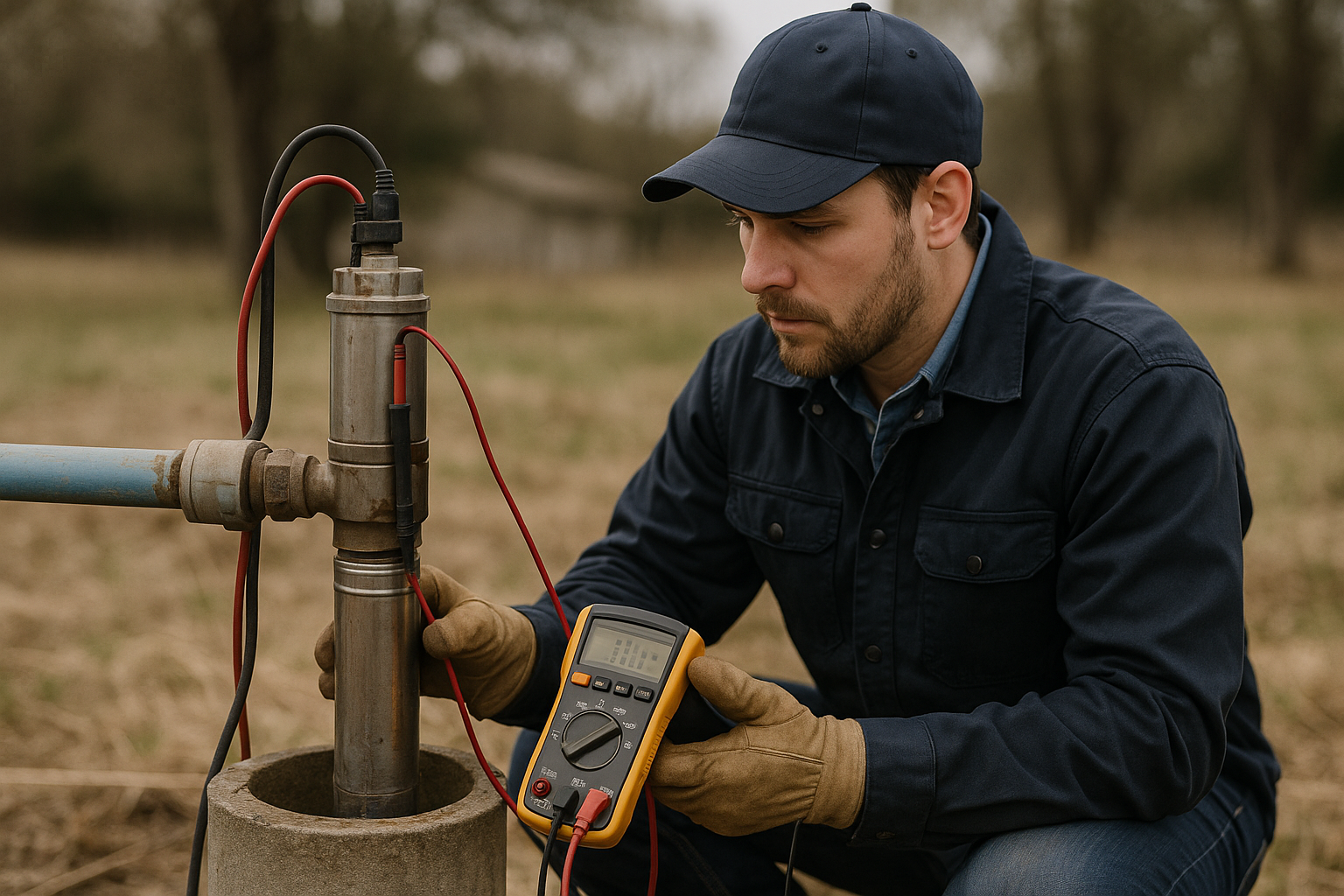
Low Water Pressure From Well: Complete Fix Guide
Diagnose and solve low pressure problems
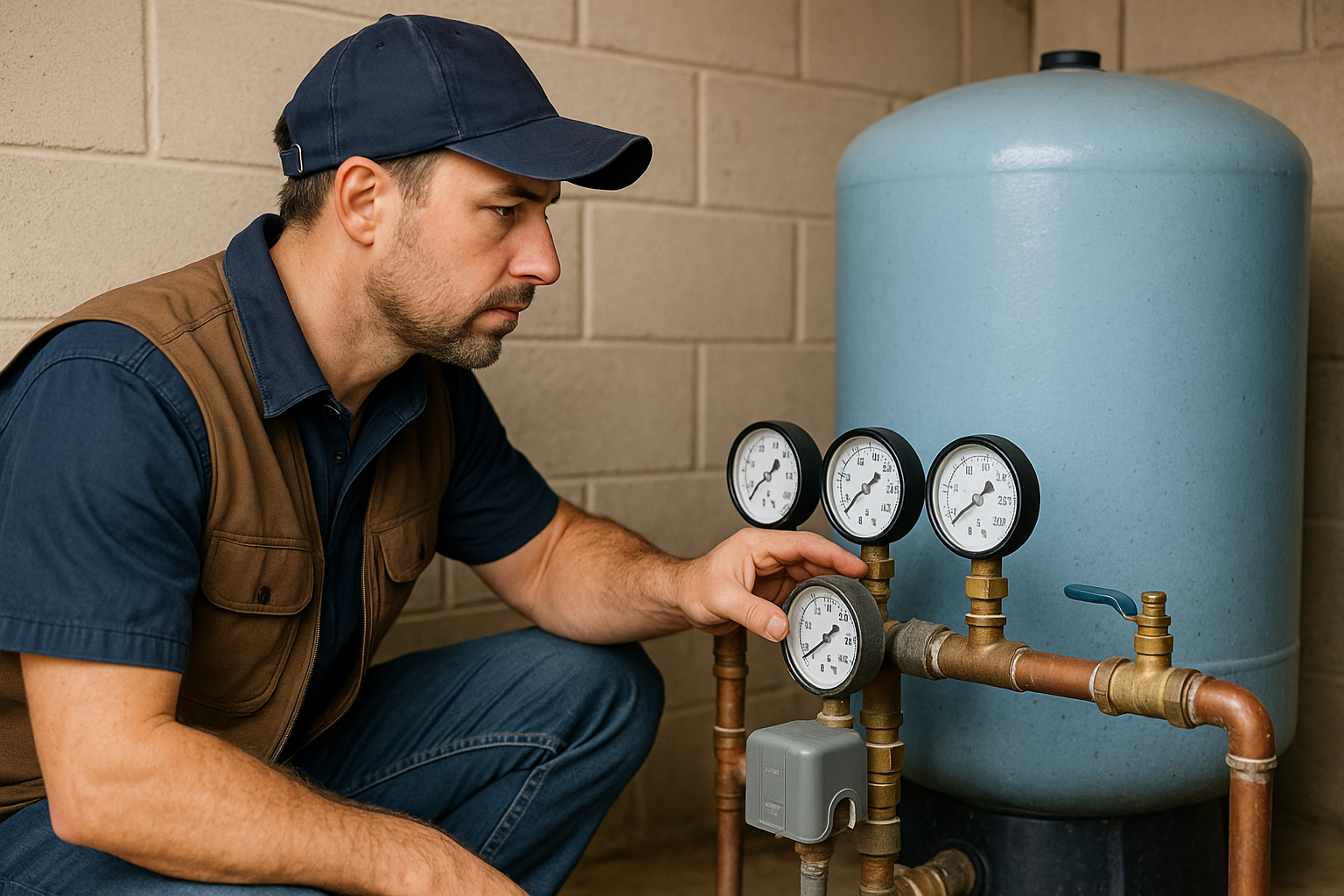
Well Pressure Switch: Settings, Adjustment & Replacement
Everything about pressure switches
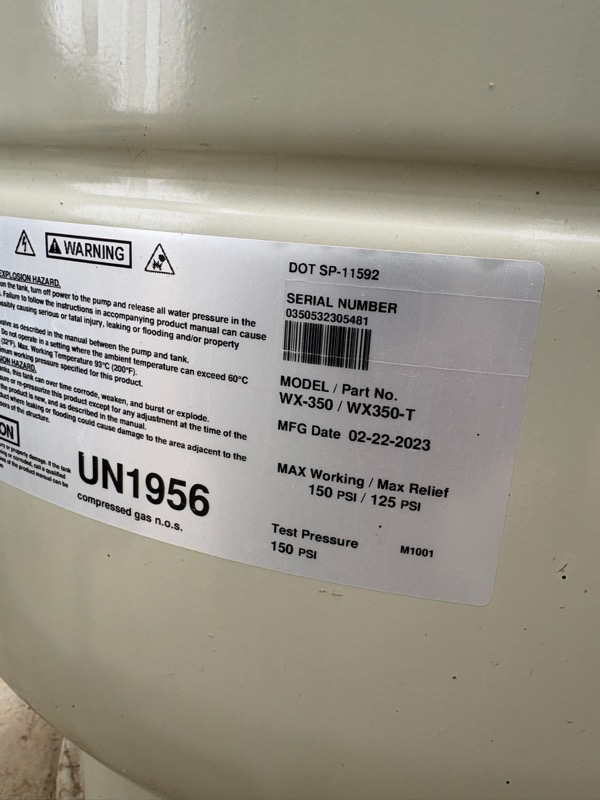
Pressure Tank Maintenance: Complete Guide
Keep your pressure tank working properly
Low Water Pressure Solutions for Chino Hills Properties
Chino Hills is a rolling, hilly city in the southwestern corner of San Bernardino County, bordered by Chino to the east, Diamond Bar and the Los Angeles County line to the west, and the Chino Hills State Park ridgelines to the south. While much of the city is on municipal water, the area's equestrian estates, rural-edge parcels, and properties bordering the hills and Carbon Canyon still rely on private wells. The combination of steep terrain, clay-rich soils, and hard regional groundwater gives Chino Hills its own brand of low-water-pressure problems, and at Southern California Well Service (SCWS) we have, since 2020, resolving them.
How Your Well and Pressure System Work
A private water system in Chino Hills relies on three working parts. A submersible pump set in the well casing lifts water into a pressure tank, where a rubber bladder separates the water from a charge of compressed air. That compressed air is what delivers water to your fixtures at a usable pressure, normally 40 to 60 PSI. A pressure switch reads the tank pressure and tells the pump when to start (cut-in) and stop (cut-out). Because Chino Hills lives up to its name, elevation matters: a home set above its wellhead on a hillside lot loses pressure to vertical lift, so the pump must be sized for that climb. When the pump weakens, the tank loses its air charge, the switch drifts, or the lines clog, you feel it as low or unsteady pressure.
Why Chino Hills Wells Lose Pressure: Local Causes
Chino Hills sits on the rolling foothills above the Chino groundwater basin, with soils that range from sandy alluvium near the valley floor to expansive clays in the hills. Wells here draw from a basin that has seen heavy regional demand and water-quality challenges, including elevated minerals and, in places, nitrates from the area's agricultural past. The most common causes of low pressure we find include:
- Hard-water scaling: Chino basin groundwater is mineral-rich, and scale steadily coats pump impellers, narrows pipes, and fouls pressure-tank bladders, choking flow over time.
- Elevation lift on hillside lots: Many Chino Hills homes sit well above their wells. An undersized or aging pump cannot maintain pressure up the slope.
- Declining or stressed well yield: Regional pumping and dry years can lower water tables, leaving older wells struggling during peak demand.
- Waterlogged pressure tank: A failed bladder or lost air charge makes the pump short-cycle while pressure surges and sags.
- Sediment intrusion: Sandy and clay soils can send grit past worn screens, clogging filters, foot valves, and fixtures.
- Line leaks from expansive clay: Chino Hills' clay soils swell and shrink with moisture, stressing buried lines and creating leaks that bleed pressure.
What to Check Before You Call
A few safe checks help clarify what is happening. Never open the well cap or touch wiring if you are unsure.
- Watch the pressure gauge at your tank through a full cycle. Healthy systems move between roughly 40 and 60 PSI; note if it barely climbs or bounces.
- Listen for short-cycling - rapid on/off clicking signals a tank that has lost its air charge.
- Compare one fixture to the whole house. Weak flow at a single tap usually means a clogged aerator; weak flow everywhere points to the well system.
- Look for damp ground or settling cracks along the line route, which can reveal a clay-stressed leak.
- Check your sediment filter. A clogged cartridge is a cheap, common cause of pressure loss.
How SCWS Diagnoses Pressure Problems in Chino Hills
An accurate diagnosis saves money. On a Chino Hills visit, we start by understanding your symptoms and reviewing the well's depth and history. We measure pressure at the wellhead, the tank, and multiple fixtures to determine whether the issue is system-wide or localized. We test the tank's air charge and bladder, inspect and calibrate the pressure switch, and assess the pump under load. Where it makes sense, we run a well-yield test to see whether a dropping water table is limiting output, and we check for sediment and line leaks. Our experience across the Chino basin lets us read these findings in context, so we fix the true cause instead of swapping parts at random.
When to Call a Professional
Cleaning an aerator or replacing a filter cartridge is safe to do yourself. But the pump runs on high voltage and may sit deep beneath a hillside lot, so call SCWS at (760) 440-8520 for a sudden or total loss of pressure, grinding or humming from the pump, visible leaks, no water at all, or pressure that will not stabilize after basic checks. Prompt professional attention prevents small problems from becoming expensive failures.
Realistic Cost Ranges for Chino Hills Repairs
Here are honest 2026 ranges for the most common low-pressure fixes:
- Pressure switch replacement: $150-$350.
- Pressure tank replacement: $600-$1,500.
- Pump repair or replacement: $2,500-$5,500 installed.
- Sediment filtration: $300-$900.
- Iron/manganese filtration or water softener: $1,500-$3,500 for the area's hard water.
- Constant-pressure or booster system: $2,000-$4,500, often ideal for hillside homes.
- Hydrofracturing to boost well yield: $3,000-$8,000.
- New well, turnkey: $18,000-$42,000.
- Well abandonment/decommissioning: $1,500-$5,000.
Every job begins with a $125 diagnostic credited toward your repair, so you never pay twice to find out what is wrong.
Preventing Low Pressure: Maintenance Tips
Preventive care keeps Chino Hills wells running strong. Schedule an annual or bi-annual inspection of your pump, tank, and switch so we can catch scaling, a weakening air charge, or early pump wear. Check the tank's air pressure with a tire gauge and keep it about 2 PSI below the pump's cut-in setting. Flush outdoor spigots at full flow every few months to clear sediment, and monitor well yield during dry seasons to avoid over-drawing. A whole-house sediment filter protects your fixtures, and a softener fights the Chino basin's hard-water scaling while extending the life of pumps and tanks. SCWS offers maintenance plans tailored to Chino Hills properties, including the equestrian estates and rural-edge lots common across the city.
Common Low-Pressure Scenarios in Chino Hills
Across years of work in the Chino basin, we see familiar patterns in Chino Hills. The most frequent is steady pressure loss on a hillside estate, where the original pump was sized for the well but not for the long vertical climb to a home perched on a ridge. As the pump ages, the climb wins, and pressure fades at the upstairs fixtures first. A correctly rated pump or a constant-pressure system solves it cleanly. Another common scenario is scale-driven decline: the mineral-rich basin water gradually coats impellers and narrows pipes until flow that was once strong feels weak everywhere, which is why we pair pressure repairs with softening or descaling to protect the fix. We also see waterlogged tanks announce themselves through a rapidly cycling pump, and clay-stressed line leaks reveal themselves as soggy patches after the soil swells with winter rain. Identifying which scenario you face is exactly what our diagnostic is for.
Serving Chino Hills and the Surrounding Area
From our Ramona and Anza offices, SCWS serves Chino Hills and the surrounding San Bernardino County communities, including Chino, the neighborhoods around Carbon Canyon and Sleepy Hollow, Los Serranos, and the rural parcels bordering Chino Hills State Park. We understand the area's clay soils, hillside elevation challenges, and mineral-rich basin water, and we bring equipment suited to everything from compact lots to sprawling estates. As a licensed C-57 well contractor with CSLB #1086994 and same-day emergency service, we are the team Chino Hills relies on.
Frequently Asked Questions
Why is my Chino Hills well water pressure low?
The most common causes here are mineral scaling from the hard Chino basin groundwater, an undersized pump fighting hillside elevation, a waterlogged pressure tank, or sediment clogging filters and screens. An on-site diagnostic pinpoints which one is affecting your system.
Does my hillside lot reduce my water pressure?
Yes. Every foot your home sits above the wellhead costs pressure, and many Chino Hills properties are well above their wells. A pump rated for the lift, or a booster or constant-pressure system, restores strong, steady flow.
How can I tell if my pressure tank is bad?
If the pump short-cycles - clicking on and off rapidly - and the tank sounds solid all the way up when tapped, the bladder or air charge has failed. A waterlogged tank causes weak, surging pressure and premature pump wear.
Could clay soil cause a leak in my water line?
It can. Chino Hills' expansive clay soils swell and shrink with moisture, stressing buried lines until they crack. A hidden leak bleeds off pressure, and damp ground or settling cracks along the line route are warning signs.
What does it cost to fix low water pressure in Chino Hills?
A pressure switch runs $150-$350, a new tank $600-$1,500, and a full pump replacement $2,500-$5,500. Our $125 diagnostic is credited toward whatever repair you choose, so you get a clear answer up front.
Do you offer emergency service in Chino Hills?
Yes. SCWS provides same-day emergency service for Chino Hills and the surrounding area. If you have no water or a sudden pressure drop, call (760) 440-8520 and we will prioritize getting your system back online.