
Low Water Pressure Solutions in Chula Vista
Dealing with weak water pressure in Chula Vista? Low water pressure can make showers frustrating and appliances ineffective. Our team diagnoses the root cause and restores your water pressure fast.
📋 In This Guide
Need Low Water Pressure Solutions in Chula Vista?
We serve Chula Vista and all of San Diego County. Licensed C-57 contractor (CSLB #1086994), founded 2020.
Call: (760) 440-8520Our Low Water Pressure Solutions Services
- Pressure tank repair and replacement
- Pressure switch adjustment
- Pump upgrades for better pressure
- Constant pressure systems
- Booster pump installation
- Clogged pipe diagnosis
- Well yield testing
- Complete system evaluation
Why Chula Vista Chooses SCWS
✓ Local Expertise
We know San Diego County geology and wells
✓ Fast Response
Same-day service for Chula Vista
✓ Fair Pricing
Honest quotes, no surprises
✓ Quality Work
CSLB #1086994 · founded 2020
Our Locations
Related Articles
Continue learning about well maintenance and troubleshooting
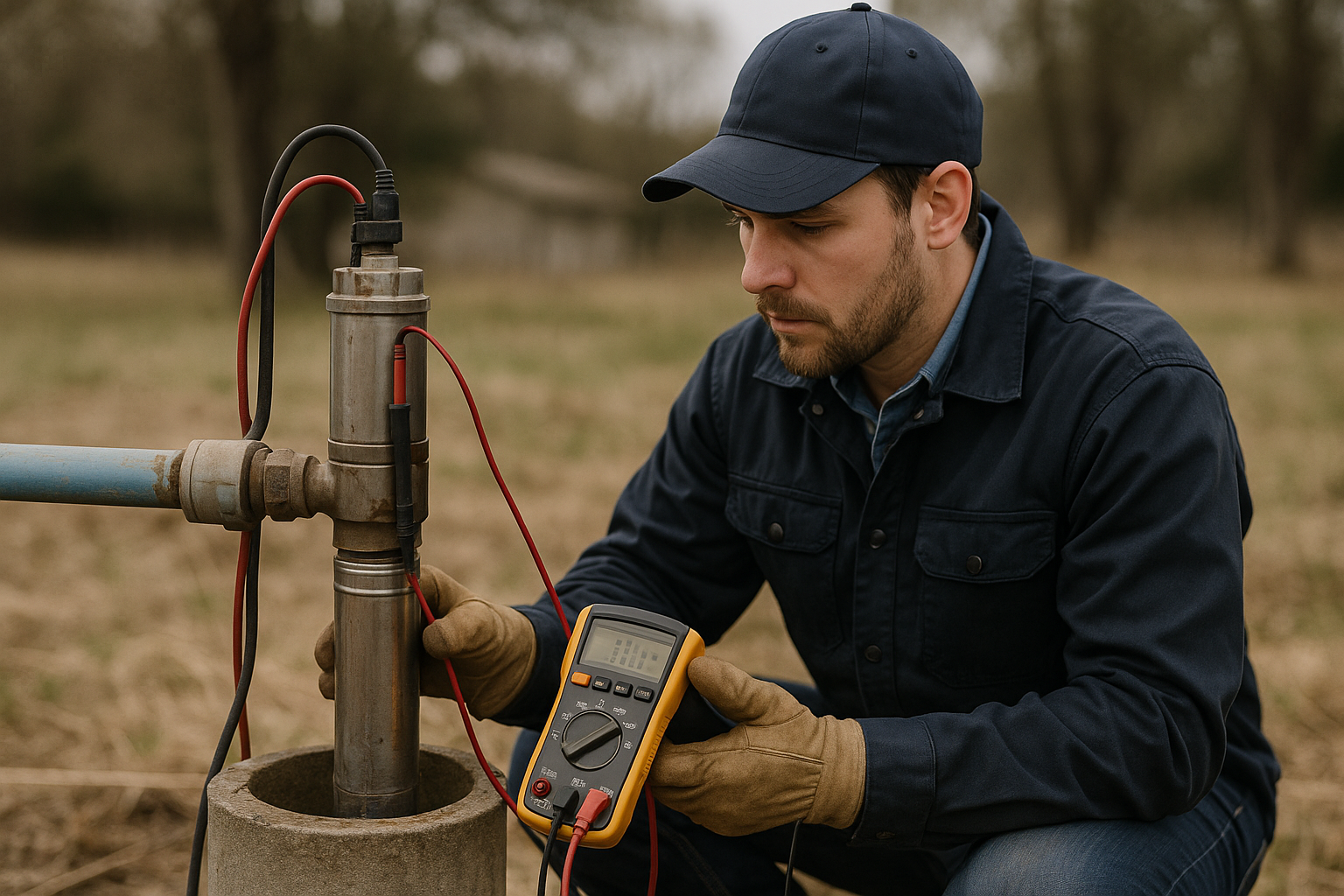
Low Water Pressure From Well: Complete Fix Guide
Diagnose and solve low pressure problems

Well Pressure Switch: Settings, Adjustment & Replacement
Everything about pressure switches
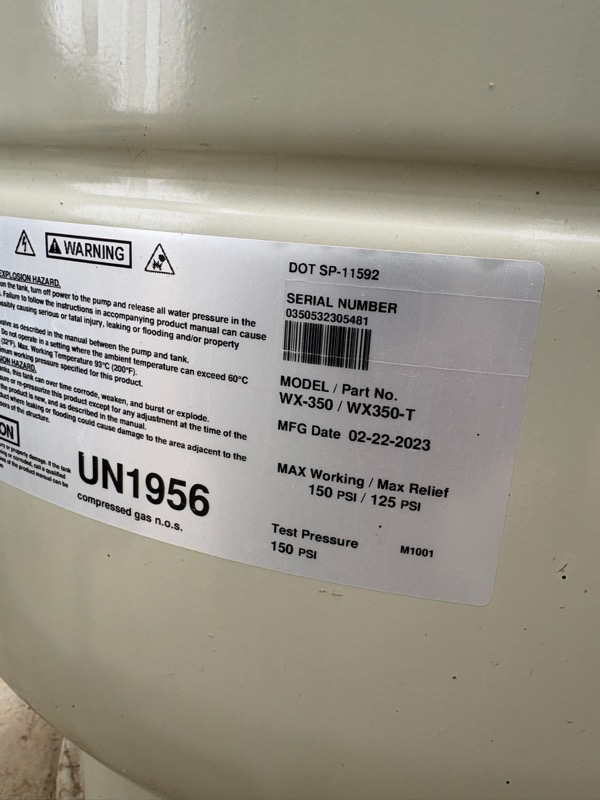
Pressure Tank Maintenance: Complete Guide
Keep your pressure tank working properly
Low Water Pressure Solutions for Chula Vista Properties
Chula Vista anchors San Diego County's South Bay, stretching from the Sweetwater River valley near Bonita and National City eastward up into the rolling hills of Otay Ranch and EastLake. While most of the city is on municipal water, plenty of properties on the valley fringes, the larger rural-edge lots, and older parcels still rely on a private well. When pressure starts to fall off, those owners quickly learn that fixing it well takes someone who understands South Bay groundwater, not a generic out-of-town outfit.
Down in the lower Sweetwater corridor, wells often draw from alluvial sand and gravel and the underlying San Diego Formation, a coastal aquifer that supplies parts of the South Bay at depth. Up in eastern Chula Vista, the terrain climbs into harder rock and the picture changes again. That contrast between low-lying valley aquifers and inland hill geology is exactly why a one-size-fits-all diagnosis so often misses the real problem. The same symptom, weak pressure at the showerhead, can have a completely different underground cause from one Chula Vista neighborhood to the next, and chasing the wrong cause wastes both time and money.
How Your Chula Vista Well and Pressure System Works
The heart of any private well system is the same across Chula Vista: a submersible pump lifts water up the well casing into a pressure tank, where an air-charged bladder stores pressurized water so the pump doesn't run every time you open a tap. A pressure switch turns the pump on and off, usually keeping the system between 40 and 60 PSI, giving you steady flow at every fixture.
What differs is the source. A valley-floor well in the Sweetwater area may pull from relatively shallow, productive alluvium, while a property on the eastern slopes might draw from deeper or tighter formations. Coastal proximity also matters here: in low-lying South Bay areas, water chemistry can carry more dissolved minerals and salts, which affects both your equipment and your treatment needs. Knowing which situation you're in is the first step to a pressure fix that lasts. We start every Chula Vista call by understanding your well's location, depth, and history before we ever recommend a part, because the right repair depends entirely on what your well is actually drawing from.
Common Causes of Low Pressure in Chula Vista
Across our South Bay service work, these are the issues we run into most often in Chula Vista:
- Waterlogged pressure tank. A failed bladder is one of the most common and most misread causes. It triggers rapid pump short-cycling and pressure that surges then sags.
- Mineral and scale buildup. South Bay groundwater can be hard and, near the coast, somewhat brackish. Scale gradually narrows pipes and coats pump components, choking flow over time.
- Worn or aging pump. Pumps lose capacity as they age, and mineral-laden water accelerates wear. A tired pump delivers progressively weaker pressure, especially under simultaneous demand.
- Pressure switch drift. Switches fall out of calibration or corrode, causing the pump to shut off early at a lower PSI than it should.
- Clogged sediment filtration. A plugged whole-house filter quietly strangles pressure throughout the home and is easy to overlook.
- Water-quality shifts. Iron staining, a sulfur smell, or sudden sediment can signal changes that also affect pressure and point to a treatment solution.
One more local wrinkle worth understanding: because Chula Vista's developed neighborhoods sit alongside both the bay and the inland hills, demand patterns and water chemistry can shift noticeably within a short distance. A property near the Sweetwater corridor may battle scale and brackish-tinged water, while a hillside lot a few miles east deals more with depth and yield. Matching the solution to your specific conditions is what separates a lasting repair from a temporary patch.
What to Check Before You Call
A quick self-check can narrow things down and sometimes save a service call:
- Whole house or one fixture? If only one faucet is weak, suspect a clogged aerator or fixture. Low pressure everywhere points to the well system.
- Read the pressure gauge. Watch the gauge near your tank while water runs. A healthy system cycles in roughly a 20-PSI band such as 40 to 60. Numbers well below that suggest a problem.
- Listen to the pump. Rapid on-off clicking usually means a waterlogged tank. A pump that runs constantly without building pressure may be worn or losing prime.
- Tap the pressure tank. The top should sound hollow and the bottom solid. A tank that sounds heavy throughout has likely lost its air charge.
- Check the sediment filter. A dirty cartridge is a cheap, easy first thing to rule out.
Leave the well cap, wiring, and pressure switch to a licensed professional. Those involve live electricity and pressurized water and are not safe to adjust yourself.
When to Call a Professional
Reach out right away if you have no water, if your pump runs nonstop, if you notice rapid short-cycling, or if pressure dropped suddenly rather than gradually. Sudden loss can mean a failing pump or a break in the line and can leave you without water entirely. Gradual decline usually points to scale, an aging pump, or a tank reaching the end of its life. Our diagnostic visit is $125 and is credited toward any repair we perform, so you get a straight answer without paying twice.
Realistic Cost Ranges
Every well is different, but these ranges reflect typical Chula Vista pressure work:
- Pressure switch replacement: $150–$350
- Pressure tank replacement: $600–$1,500
- Submersible pump replacement: $2,500–$5,500
- Sediment filtration system: $300–$900
- Iron/manganese filter or water softener: $1,500–$3,500
- Constant-pressure or booster system: $2,000–$4,500
- Hydrofracturing to improve a low-yield well: $3,000–$8,000
- New turnkey well: $18,000–$42,000
For South Bay properties where coastal water chemistry is a factor, pairing a pressure repair with appropriate treatment often delivers the best long-term value, protecting your pump, tank, and fixtures while keeping pressure steady.
Serving Chula Vista and the South Bay
Southern California Well Service is a licensed C-57 well contractor (CSLB #1086994) (CSLB #1086994), founded in 2020, with 60+ years of family heritage across San Diego County. From our offices in Ramona and Anza, we serve Chula Vista and the surrounding South Bay communities including Bonita, National City, and the Otay and EastLake areas. Because we know how South Bay and inland San Diego County wells differ, we diagnose accurately and fix the real problem the first time. Same-day emergency service is available when you're left without water, and our familiarity with South Bay wells means we usually arrive already knowing the right questions to ask about your system.
Frequently Asked Questions
Why does my Chula Vista well pressure drop when several taps run at once?
This usually points to a waterlogged or undersized pressure tank, a worn pump, or a well that recharges slowly. The tank can't hold enough reserve to meet simultaneous demand, so pressure sags. We diagnose which component is the bottleneck and size the fix accordingly.
Is South Bay water hard or brackish, and does that affect pressure?
Groundwater in the lower South Bay can be hard and, closer to the coast, somewhat brackish. Over time the dissolved minerals build scale inside pipes and pump parts, restricting flow. Treatment not only restores pressure but extends the life of your equipment.
How deep are wells in Chula Vista?
It varies widely by location. Valley wells near the Sweetwater corridor may tap relatively shallow alluvium or the deeper San Diego Formation, while eastern hill properties can require greater depth. We assess each well individually to understand its source and yield.
Could my low pressure just be a clogged filter?
Sometimes, yes. A dirty whole-house sediment filter is a common and inexpensive cause of weak flow. It's worth checking before assuming a bigger problem, and we always rule out the simple causes first.
How long should my pressure tank last?
A quality pressure tank typically lasts 8 to 15 years. If yours is older and your pressure has become unreliable, replacement is often the most cost-effective long-term solution.
Do you offer same-day service in Chula Vista?
We do. For no-water and sudden pressure-loss emergencies we prioritize same-day response throughout Chula Vista and the South Bay. Call (760) 440-8520 and we'll get a technician on the way.
Get Your Chula Vista Water Pressure Back
Whether it's a quick switch adjustment or a full system upgrade, Southern California Well Service will find the real cause and restore your water pressure. Call (760) 440-8520 or text (760) 219-5877 to schedule service today — your $125 diagnostic is credited toward the repair.