
Low Water Pressure Solutions in Coronado
Dealing with weak water pressure in Coronado? Low water pressure can make showers frustrating and appliances ineffective. Our team diagnoses the root cause and restores your water pressure fast.
In This Guide
Need Low Water Pressure Solutions in Coronado?
We serve Coronado and all of San Diego County. Licensed C-57 contractor (CSLB #1086994), founded 2020.
Call: (760) 440-8520Our Low Water Pressure Solutions Services
- Pressure tank repair and replacement
- Pressure switch adjustment
- Pump upgrades for better pressure
- Constant pressure systems
- Booster pump installation
- Clogged pipe diagnosis
- Well yield testing
- Complete system evaluation
Why Coronado Chooses SCWS
Local Expertise
We know San Diego County geology and wells
Fast Response
Same-day service for Coronado
Fair Pricing
Honest quotes, no surprises
Quality Work
CSLB #1086994 · founded 2020
Our Locations
Related Articles
Continue learning about well maintenance and troubleshooting
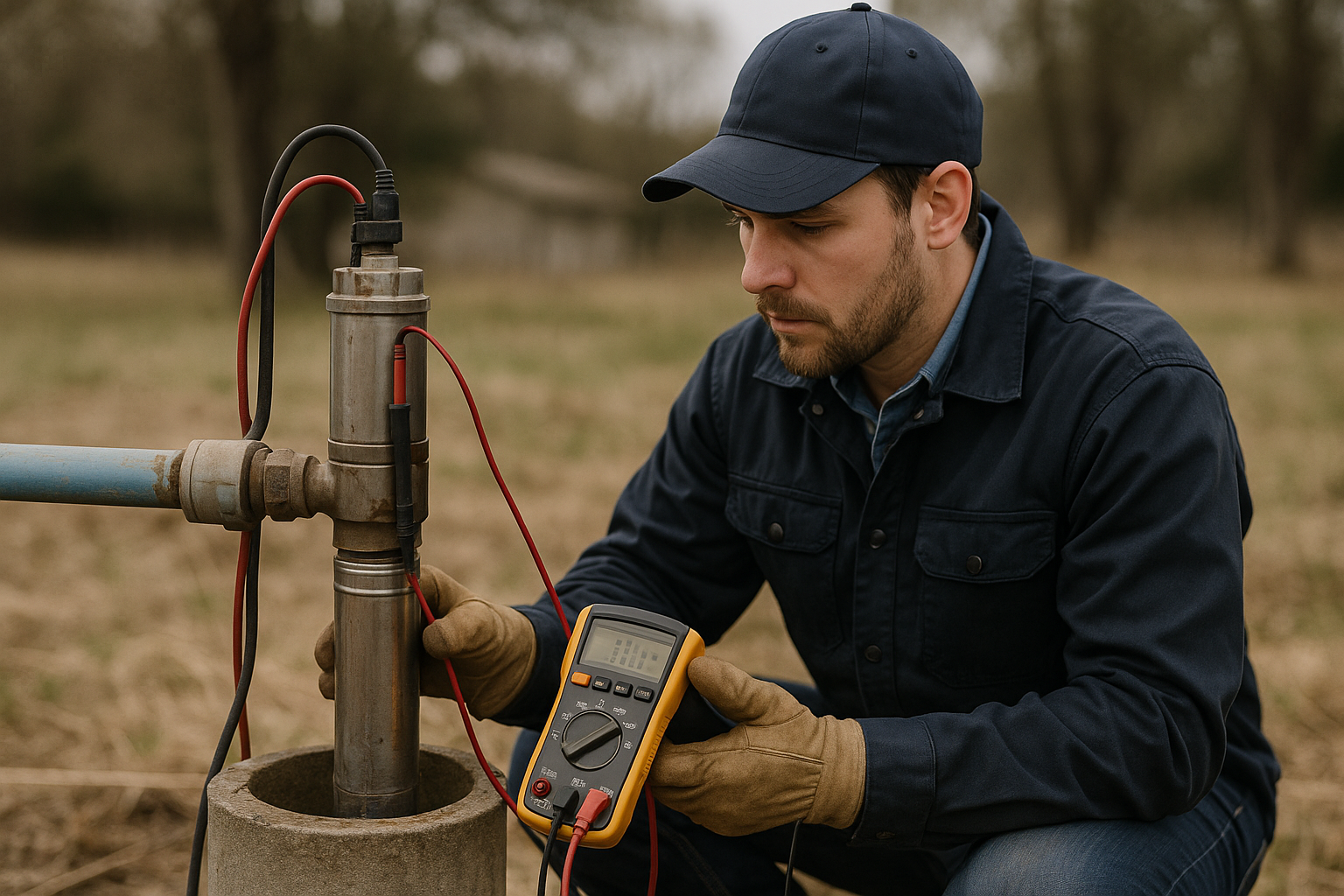
Low Water Pressure From Well: Complete Fix Guide
Diagnose and solve low pressure problems
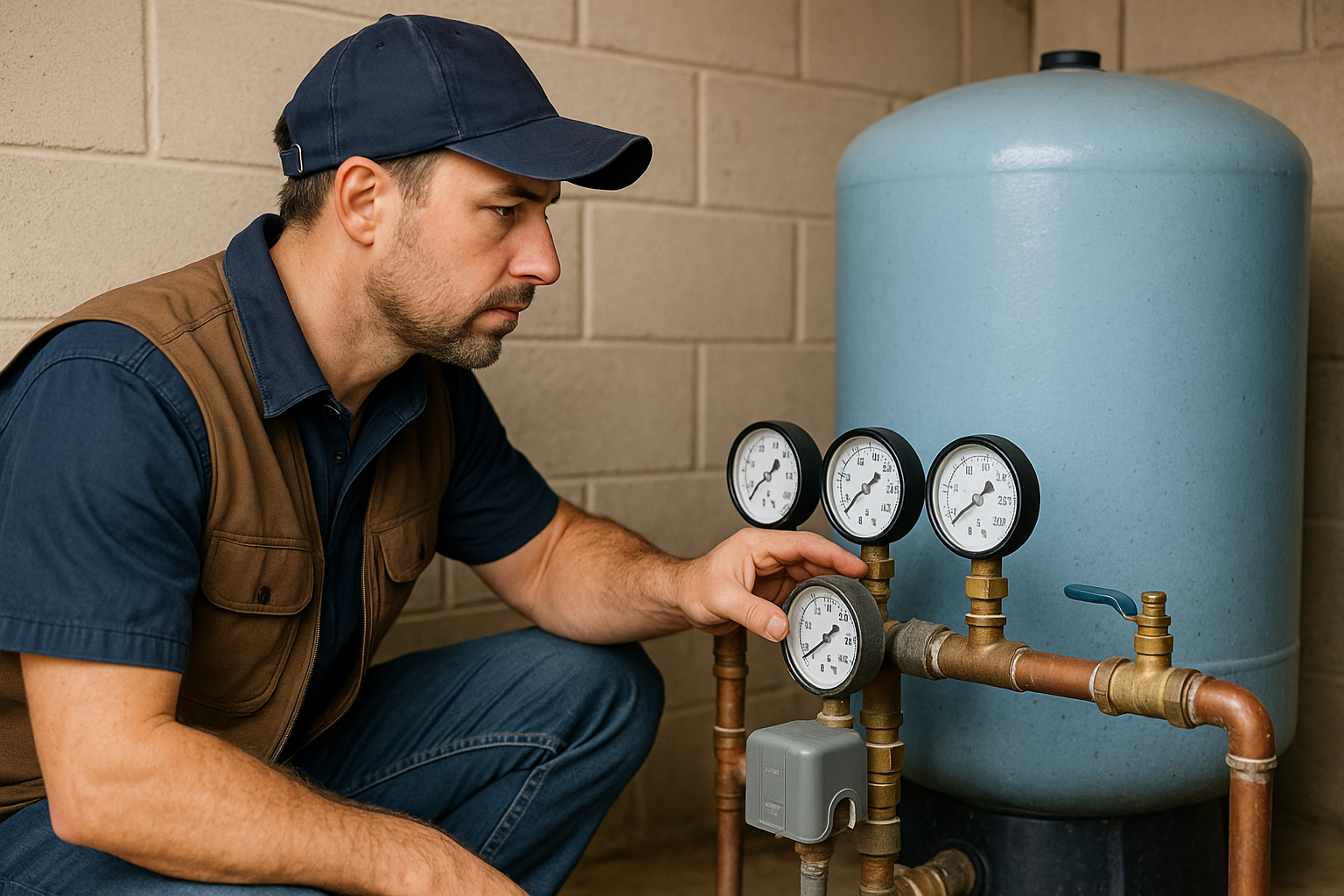
Well Pressure Switch: Settings, Adjustment & Replacement
Everything about pressure switches
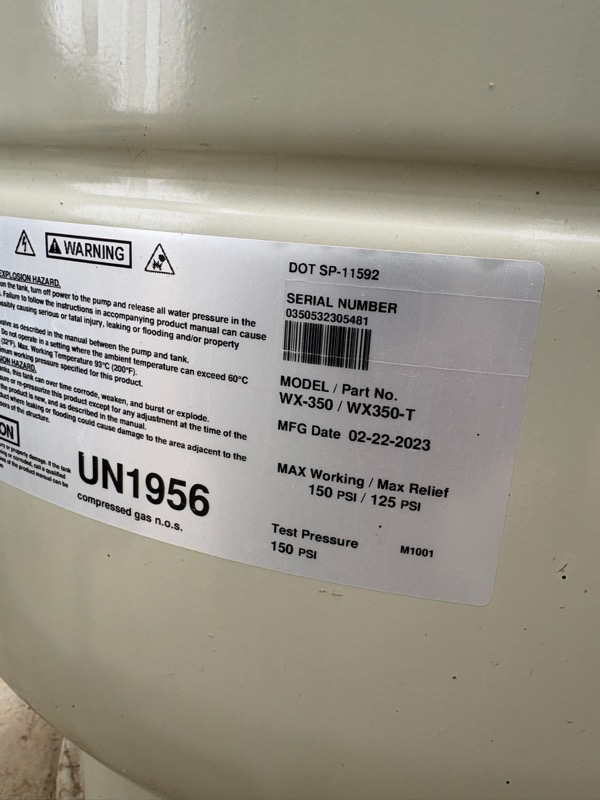
Pressure Tank Maintenance: Complete Guide
Keep your pressure tank working properly
Solving Low Water Pressure for Coronado Well Owners
Coronado sits across the bay from downtown San Diego, a San Diego County island community linked to the mainland by the Coronado Bridge and the long Silver Strand tombolo running south to Imperial Beach. Beneath the village and its tree-lined streets lies the San Diego Formation, the same ancient marine aquifer locals nickname the "Coronado river," and a surprising number of residents still pump groundwater for landscaping and supplemental supply. Because Coronado is a low, sandy peninsula nearly surrounded by salt water, its wells behave differently than inland wells, and low pressure here calls for genuine local know-how. Southern California Well Service, a licensed C-57 contractor (CSLB #1086994) with founded in 2020, with 60+ years of family heritage, diagnoses and repairs low water pressure across Coronado from our Ramona and Anza offices. Call (760) 440-8520 or text (760) 219-5877 for same-day help.
How Your Well Pressure System Works
A Coronado well builds and holds pressure with four components. The pump draws water from the San Diego Formation; on a shallow coastal water table a jet pump is common, while deeper installations use a submersible. The pressure tank stores water under compressed air so the pump does not start on every faucet. The pressure switch turns the pump on at the cut-in setting (often 40 psi) and off at cut-out (often 60 psi). Finally, the plumbing, screens, and any sediment filtration deliver water to your fixtures. A healthy system holds a steady 40 to 60 psi, so that band is the first thing we check. Weak flow nearly always traces to one of these parts.
Common Causes of Low Pressure on Coronado
The peninsula's coastal setting, fine beach sands, and brackish-margin aquifer create a distinctive list of problems:
- Saltwater intrusion and variable yield: Because fresh and salt water mingle in the San Diego Formation near the coast, Coronado wells can see real swings in quantity and quality from month to month, which shows up as inconsistent pressure.
- Fine sand clogging: The strand's sandy deposits work into screens, intakes, and filters, restricting flow and wearing pumps.
- Waterlogged pressure tank: A failed bladder floods the tank, causing short-cycling and erratic pressure.
- Corrosion from salty, humid air: Coastal conditions accelerate corrosion of pumps, fittings, and galvanized pipe, narrowing the flow path.
- Worn or undersized pump: Older Coronado wells run pumps that no longer keep up with household and irrigation demand.
- Pressure switch trouble: Pitted contacts or a low setting leave the home running at the bottom of the pressure band.
What to Check Before You Call
These quick, safe checks help narrow the issue:
- One fixture or the whole house? A single weak faucet usually means a clogged aerator or cartridge, not the well. Clean the aerator first.
- Read the gauge. Watch the pressure gauge near the tank during use. Note it if it stays below 35 psi or swings quickly.
- Tap the tank. Hollow on top and solid below is normal; solid all the way up suggests a waterlogged tank.
- Listen to the pump. Rapid cycling points to the tank or switch; constant running without pressure points to the pump, a leak, or a falling water level, which on Coronado can also mean tidal or seasonal influence.
- Look for sand. Gritty water or sediment in aerators points to a screen or intake problem common on the strand.
Leave the 240-volt wiring, well cap, and pressurized parts to a professional, the shock and pressure hazards are serious.
When to Call a Professional in Coronado
Call SCWS promptly if you have no water, water that turns salty, cloudy, or sandy, a pump that never shuts off, tripping breakers, or pressure that keeps dropping. On a coastal aquifer these can signal saltwater intrusion, a sand-damaged pump, corrosion, or casing trouble that need professional tools and water testing to diagnose. As a C-57 licensed contractor we follow California well standards and pull permits when required.
Realistic Cost Ranges for Coronado Pressure Repairs
Honest 2026 ranges to help you plan:
- Diagnostic visit: $125, credited toward approved repairs.
- Pressure switch replacement: $150 to $350.
- Pressure tank replacement: $600 to $1,500.
- Well pump replacement: $2,500 to $5,500.
- Sediment filtration: $300 to $900.
- Iron/manganese filtration or softener: $1,500 to $3,500.
- Constant-pressure or booster system: $2,000 to $4,500.
- Hydrofracturing a low-yield well: $3,000 to $8,000.
- New turnkey well: $18,000 to $42,000.
You always receive a clear written quote after diagnosis.
Serving Coronado and the San Diego Bay Communities
From our Ramona and Anza offices we serve Coronado and the surrounding San Diego County communities, including the Silver Strand, Imperial Beach, Point Loma, and the coastal neighborhoods around San Diego Bay. Same-day emergency service keeps island households from waiting long, and we carry pumps, tanks, switches, and sediment filtration on the truck so most repairs finish in one visit.
Frequently Asked Questions
Why does my Coronado well pressure change from month to month?
On the coastal San Diego Formation, fresh and salt water mingle, so yield and quality can vary seasonally and even with tides. We test the water and the system to separate aquifer behavior from equipment problems.
Could sand be causing my low pressure?
Very likely on the strand. Fine beach sand clogs screens, intakes, and filters and wears pump impellers. Proper sediment filtration and screen service usually restore flow.
Is my Coronado well at risk of saltwater intrusion?
Coastal wells can be. If your water turns brackish or salty along with low pressure, we test for intrusion and recommend solutions, which may include filtration changes or pump adjustments.
Do I need a permit for well work in Coronado?
Pump and tank swaps generally do not, but new wells and certain electrical work in San Diego County do. As a licensed C-57 contractor we handle the paperwork.
How fast can you get to Coronado?
We offer same-day emergency service across San Diego County from our Ramona and Anza offices. Call (760) 440-8520 or text (760) 219-5877 for an arrival window.
Why does coastal air seem to wear out my equipment faster?
Salt and humidity accelerate corrosion of pumps, fittings, and steel pipe. We install corrosion-resistant components and recommend maintenance intervals suited to Coronado's coastal environment.
Maintenance Tips for Coronado Well Owners
Coronado's salty, humid coastal setting is hard on well equipment, so steady maintenance pays off. These habits help protect your pressure between professional visits:
- Inspect for corrosion on the pump, fittings, and exposed pipe at least yearly, since coastal air accelerates rust.
- Service sediment filters often to clear the fine beach sand that clogs screens and intakes.
- Test the water periodically for salinity so you can catch any saltwater intrusion early.
- Check the tank air charge twice a year to keep pressure steady and prevent short-cycling.
- Use corrosion-resistant components when replacing parts so they last longer in the marine environment.
Get Your Coronado Water Pressure Back Today
Coronado's coastal aquifer is unique, and so are its pressure problems. Whether the cause is sand, saltwater mingling, corrosion, or a worn pump or tank, Southern California Well Service has the coastal experience and equipment to restore strong, steady flow. As a licensed C-57 contractor founded in 2020, we back our work. Call (760) 440-8520 or text (760) 219-5877 now for a fast diagnosis and an honest quote.