
Low Water Pressure Solutions in Crest
Dealing with weak water pressure in Crest? Low water pressure can make showers frustrating and appliances ineffective. Our team diagnoses the root cause and restores your water pressure fast.
📋 In This Guide
Need Low Water Pressure Solutions in Crest?
We serve Crest and all of San Diego County. Licensed C-57 contractor (CSLB #1086994), founded 2020.
Call: (760) 440-8520Our Low Water Pressure Solutions Services
- Pressure tank repair and replacement
- Pressure switch adjustment
- Pump upgrades for better pressure
- Constant pressure systems
- Booster pump installation
- Clogged pipe diagnosis
- Well yield testing
- Complete system evaluation
Why Crest Chooses SCWS
✓ Local Expertise
We know San Diego County geology and wells
✓ Fast Response
Same-day service for Crest
✓ Fair Pricing
Honest quotes, no surprises
✓ Quality Work
CSLB #1086994 · founded 2020
Our Locations
Related Articles
Continue learning about well maintenance and troubleshooting
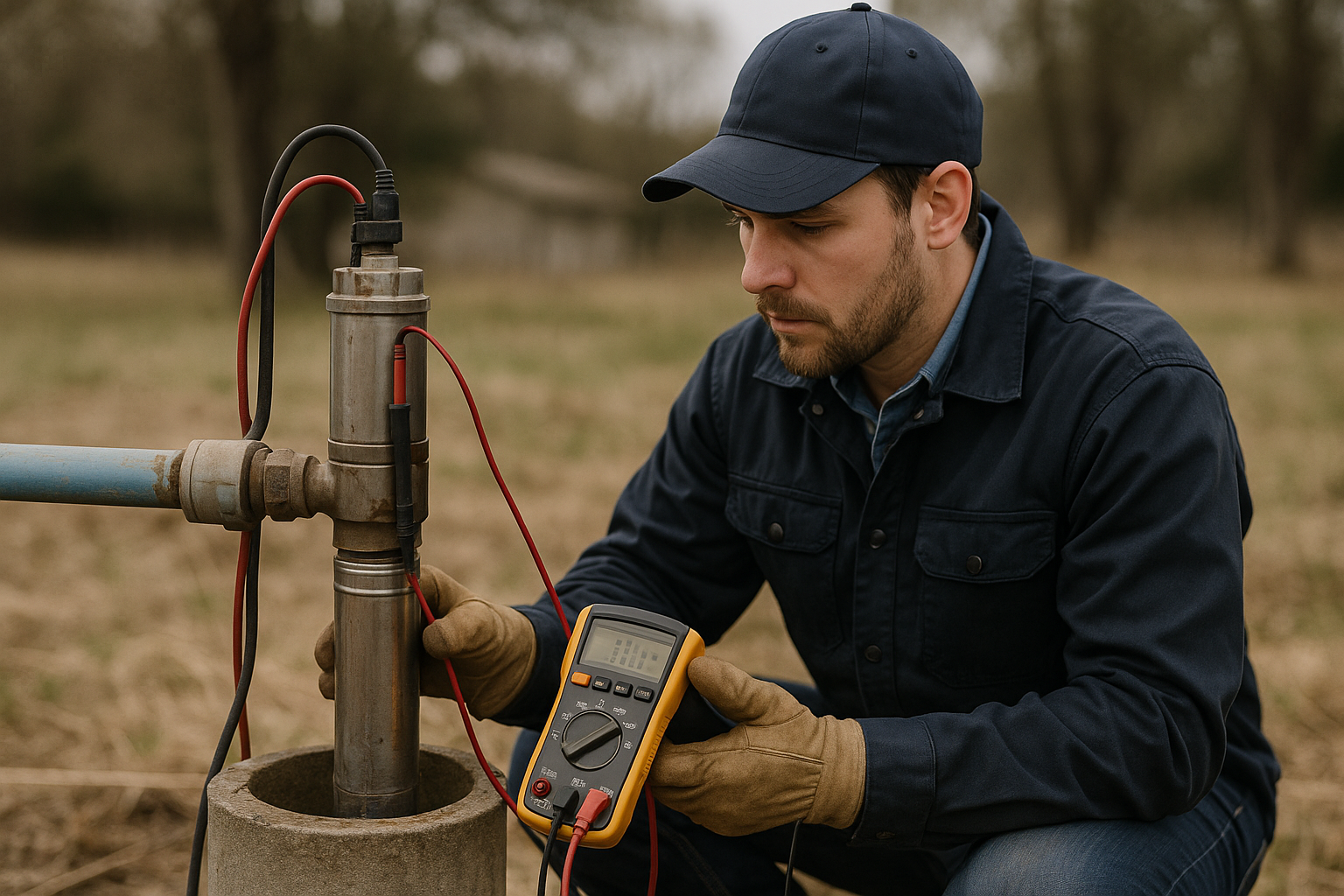
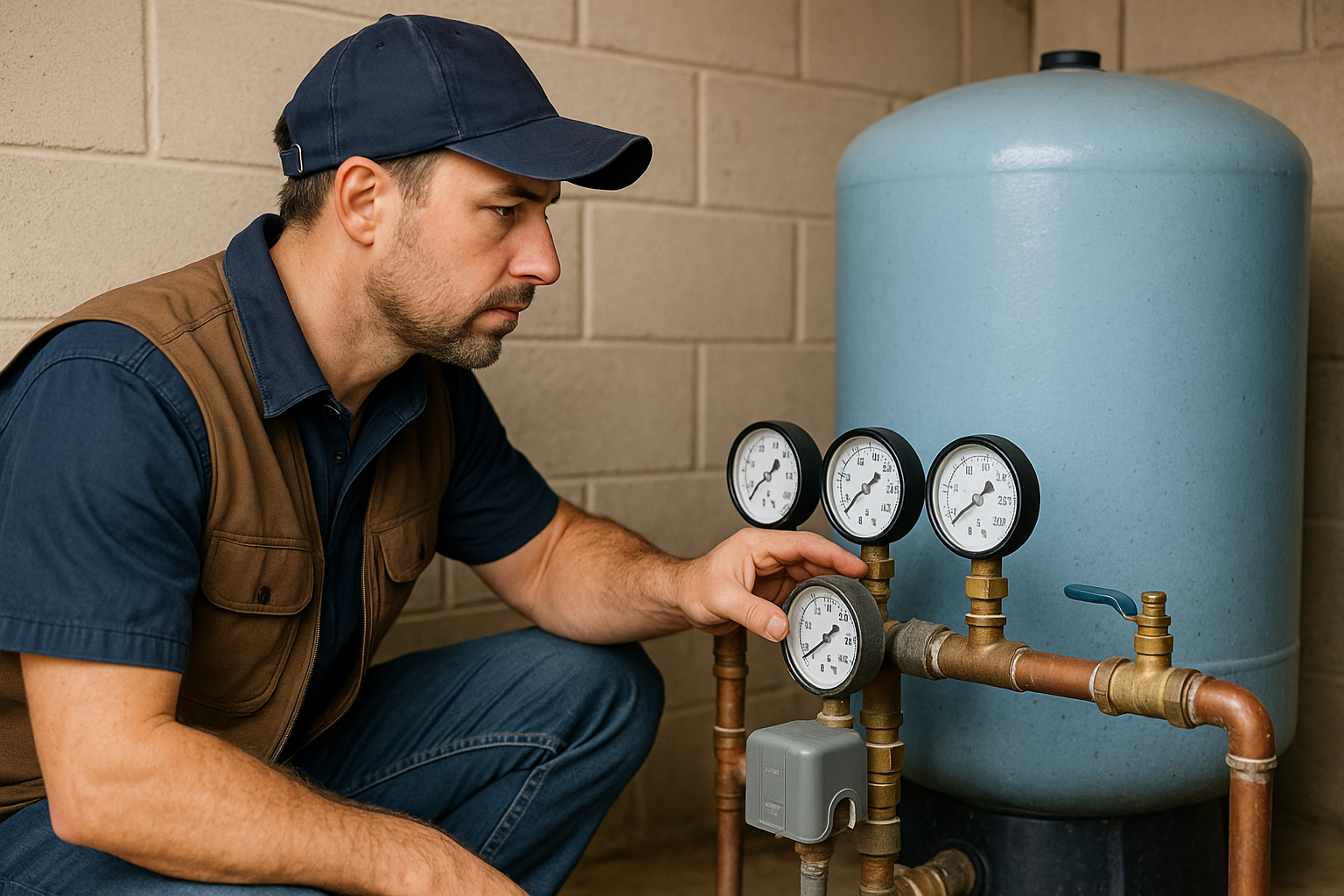

Low Water Pressure Solutions for Crest Properties
Living on the ridge in Crest means breathtaking views — and a well system that has to work a little harder than most. When pressure fades to a trickle at the shower head or your landscaping irrigation can no longer keep up on a hot afternoon, it is rarely a coincidence. Hilltop wells face their own set of pressure challenges, and the good news is that nearly all of them are diagnosable and fixable. As a licensed C-57 well contractor founded in 2020, with 60+ years of family heritage throughout East County, we understand the particular demands of serving a high-elevation community like Crest.
Crest, also known historically as Suncrest, sits on a granite hilltop above El Cajon in San Diego County. The elevation, the decomposed-granite soils, and the wildfire-prone chaparral that surrounds the community all shape how wells perform here. Because Crest homes sit higher than the valley floor, wells tend to be deeper — commonly 300 to 500 feet — and the climb water must make to reach the house puts extra strain on pumps and pressure systems. That is precisely why local know-how pays off when pressure problems appear.
How Your Well System Produces Pressure
The pressure you feel at the tap is created by a chain of components, not by the well alone. On a typical Crest property, that chain includes:
- The submersible pump, set deep in the casing to lift water uphill to the surface. Crest's hilltop wells frequently run 300 to 500 feet, among the deeper wells in East County.
- The pressure tank, whose air-cushioned bladder stores water under pressure so the pump is not constantly cycling.
- The pressure switch, which starts and stops the pump at preset points, typically 40 PSI on and 60 PSI off.
- Filtration and treatment, common here for managing the minerals in decomposed-granite groundwater.
- The piping and electrical service, which on elevated lots must overcome real gains in height between wellhead and fixtures.
When pressure drops, the cause is almost always a single weak link — and on a high lot, elevation magnifies any weakness.
Why Crest Wells Lose Pressure
- Elevation and lift. Every foot of vertical rise costs roughly half a PSI of pressure. On a tall Crest lot, a pump that would be fine in the valley can struggle to hold pressure at upper fixtures.
- Deeper wells, harder-working pumps. Lifting water from 300 to 500 feet demands more of a pump, and a worn or undersized unit shows it first as fading pressure.
- Hard water and mineral scale. Decomposed-granite groundwater is rich in calcium, magnesium, and iron, which scale up pipes, filters, and pump components over time.
- Drought-sensitive fractured aquifers. Hilltop wells often draw from fractures in the bedrock with limited storage, so dry years can lower the water table and reduce yield.
- Wildfire and grid factors. In this fire-prone area, power shutoffs and rural voltage swings can stress pumps and switches, and a reliable pressure system is important for property protection.
The Most Common Causes We Find
1. A Waterlogged Pressure Tank
This is the single most common cause we encounter on Crest service calls. When the tank loses its air cushion, the pump short-cycles, switching on and off every few seconds, and pressure collapses each time it stops. On a hilltop lot the effect is especially noticeable at upper-floor fixtures. Short cycling also shortens pump life dramatically. The remedy is a properly sized replacement tank with the air pre-charge set 2 PSI below cut-in (38 PSI for a 40/60 system).
2. A Failing or Misadjusted Pressure Switch
The switch controls the entire system. Its sensing port can clog with mineral sediment, contacts can pit and burn, and settings drift. Many older Crest homes still run 30/50; raising it to 40/60 — with the tank pre-charge matched — often restores satisfying pressure, which matters more on an elevated lot.
3. Clogged Filters or an Encrusted Well Screen
A clogged whole-house sediment filter throttles the entire home. Local water carries enough fine material that cartridges need regular changing. Deeper down, mineral scale on the well screen restricts intake — a problem corrected by well rehabilitation.
4. A Worn or Undersized Pump
Crest's deep wells and elevation gains mean pumps work hard, and they wear. Submersibles last 10 to 15 years, less in hard water. A pump that runs constantly yet delivers weak pressure may be worn, facing a dropping table, or fighting a leak. Sizing matters here: an undersized pump simply cannot hold pressure against the lift to a high lot.
5. A Low Water Table or Over-Pumped Well
In dry years the level can fall below the pump's best depth, producing air at the tap and pressure that fades during long use. Solutions range from lowering the pump to rehabilitating or deepening the well, based on measured yield.
6. Hidden Leaks and Pipe Scale
A buried leak on a long uphill supply line, or internal scale in older pipe, quietly drains pressure. A gauge test — closing all fixtures and watching for a slow drop — confirms a leak before any digging.
What You Can Safely Check First
Safety first: always shut off power to the well pump at the breaker before inspecting or adjusting any electrical or pressure component. Water and electricity are a dangerous combination.
- Listen to the pump. Rapid cycling points to the tank; constant running with weak pressure points to the pump, a leak, or a low table.
- Read the gauge. A healthy system holds a steady 40 to 60 PSI band.
- Compare low and high fixtures. On a hilltop lot, much weaker pressure upstairs than downstairs is a strong clue that the system is undersized for the lift.
- Inspect the filter. Swap a clogged cartridge for the right micron rating and check for recovery.
- Tap the tank. With power off and the tank drained, a solid-sounding tank is waterlogged.
- Watch for leaks. Close everything and watch the gauge for a slow drop.
When to Call a Professional
Call us if the pump will not run, runs constantly with little pressure, keeps short-cycling, spits air, or cannot maintain pressure at your highest fixtures. These point to pump failure, an undersized system for the elevation, a clogged screen, a falling table, or electrical faults — all requiring proper diagnostic tools and a licensed well technician.
What Pressure Repairs Typically Cost in Crest
- Pressure switch replacement — $150 to $350 including parts and labor
- Pressure tank replacement — $600 to $1,500 depending on tank size
- Submersible pump replacement — $2,500 to $5,500 depending on depth and horsepower
- Whole-house sediment filtration — $300 to $900 installed
- Water softener for hard water — $1,500 to $3,500 installed
- Constant-pressure or booster system — $2,000 to $4,500, often the best answer for Crest's elevation challenges
- Diagnostic service call — $125, credited toward the repair if you proceed
For many hilltop homes, a constant-pressure system is the single most effective upgrade — it holds steady pressure regardless of which fixtures are running or how high they sit. Every job starts with a clear written estimate.
Serving Crest and the Surrounding Hill Communities
We provide well pressure diagnosis and repair throughout Crest and the neighboring areas of El Cajon, Granite Hills, Harbison Canyon, Flinn Springs, Dehesa, and the surrounding East County hills. With offices in Ramona and Anza, our trucks roll stocked with pumps, tanks, switches, and pressure components for same-day repairs whenever possible.
Frequently Asked Questions
Why is my water pressure worse upstairs than downstairs in my Crest home?
On an elevated lot, every foot of height costs you pressure, so upper fixtures feel weak first when a system is marginal. If the difference is large, your pump or pressure settings may be undersized for the lift to your home. A constant-pressure system or a higher pressure setting often solves it.
How deep are wells in Crest?
Because Crest sits on a granite hilltop above El Cajon, wells here are among the deeper in East County, commonly 300 to 500 feet. Greater depth means the pump works harder, so correct sizing and a healthy pressure tank are especially important.
Will a constant-pressure system help on a hilltop property?
Often, yes. Constant-pressure systems use a variable-speed drive to hold steady pressure no matter how many fixtures are running, which is ideal for high lots where elevation and long pipe runs cause normal systems to sag. Installation typically runs $2,000 to $4,500.
Does Crest's hard water cause low pressure?
It can. Decomposed-granite groundwater is high in calcium, magnesium, and iron, and the scale it leaves narrows pipes, clogs filters, and wears pumps. A softener and proper filtration protect both your pressure and your equipment.
Could a power shutoff or outage damage my pump?
Repeated power interruptions and voltage swings, which can occur in fire-prone hill areas, are hard on pump capacitors and pressure switches. A surge protector and well-maintained electrical connections help, and we can inspect the controls if your pump behaves erratically after an outage.
How fast can you reach Crest for an emergency?
We prioritize no-water emergencies in Crest and aim for same-day response during business hours, with trucks stocked for immediate repairs. Call (760) 440-8520 or text (760) 219-5877.
Restore Your Water Pressure Today
If your Crest well is not delivering the pressure it should — especially at your highest fixtures — we will pinpoint why and fix it right the first time. Call (760) 440-8520, text (760) 219-5877, or request a free estimate online. Honest diagnosis, fair pricing, and dependable water are what we bring to hill-country well owners every day.