
Low Water Pressure Solutions in Desert Center
Dealing with weak water pressure in Desert Center? Low water pressure can make showers frustrating and appliances ineffective. Our team diagnoses the root cause and restores your water pressure fast.
📋 In This Guide
Need Low Water Pressure Solutions in Desert Center?
We serve Desert Center and all of Riverside County. Licensed C-57 contractor (CSLB #1086994), founded 2020.
Call: (760) 440-8520Our Low Water Pressure Solutions Services
- Pressure tank repair and replacement
- Pressure switch adjustment
- Pump upgrades for better pressure
- Constant pressure systems
- Booster pump installation
- Clogged pipe diagnosis
- Well yield testing
- Complete system evaluation
Why Desert Center Chooses SCWS
✓ Local Expertise
We know Riverside County geology and wells
✓ Fast Response
Same-day service for Desert Center
✓ Fair Pricing
Honest quotes, no surprises
✓ Quality Work
CSLB #1086994 · founded 2020
Our Locations
Related Articles
Continue learning about well maintenance and troubleshooting
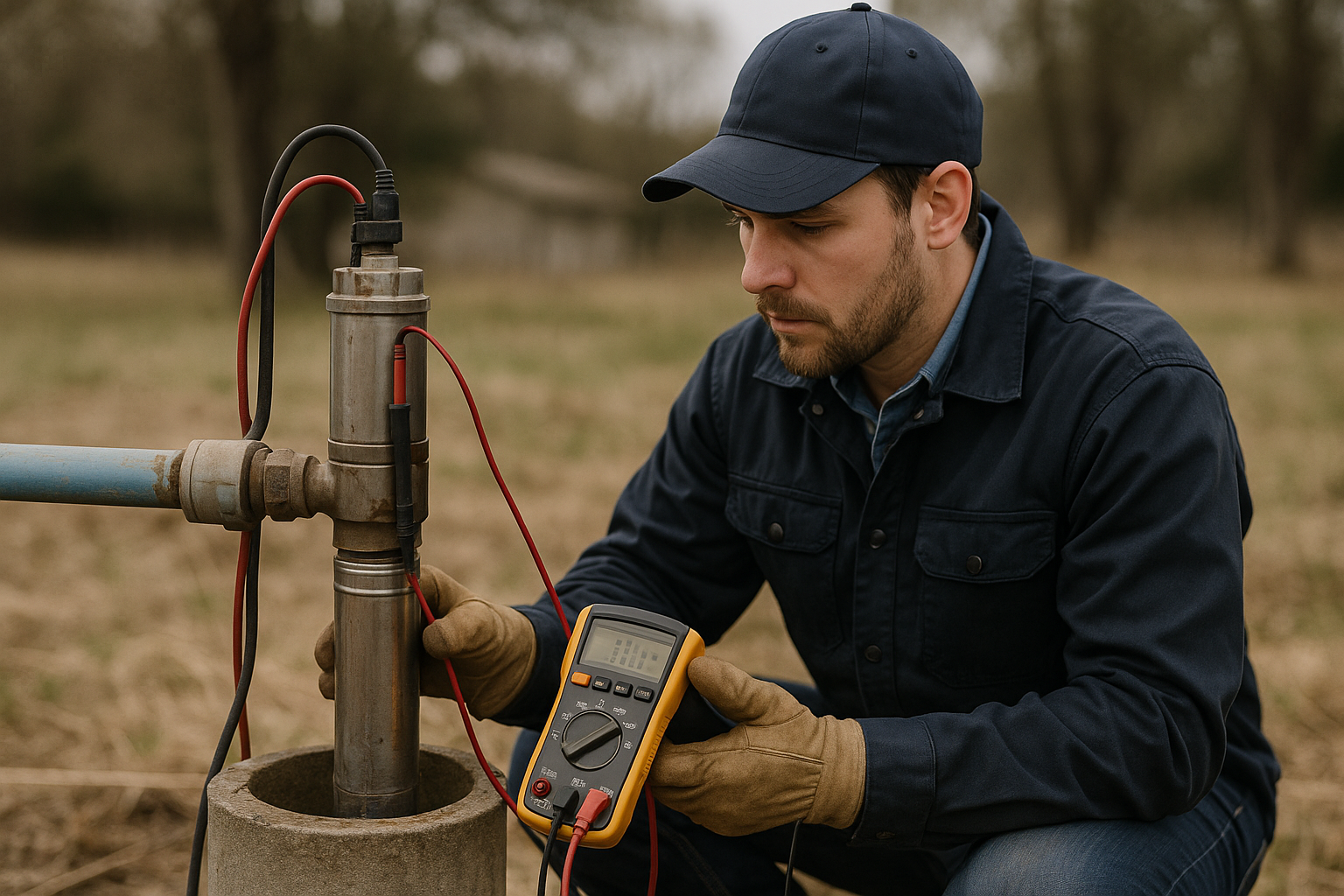
Low Water Pressure From Well: Complete Fix Guide
Diagnose and solve low pressure problems
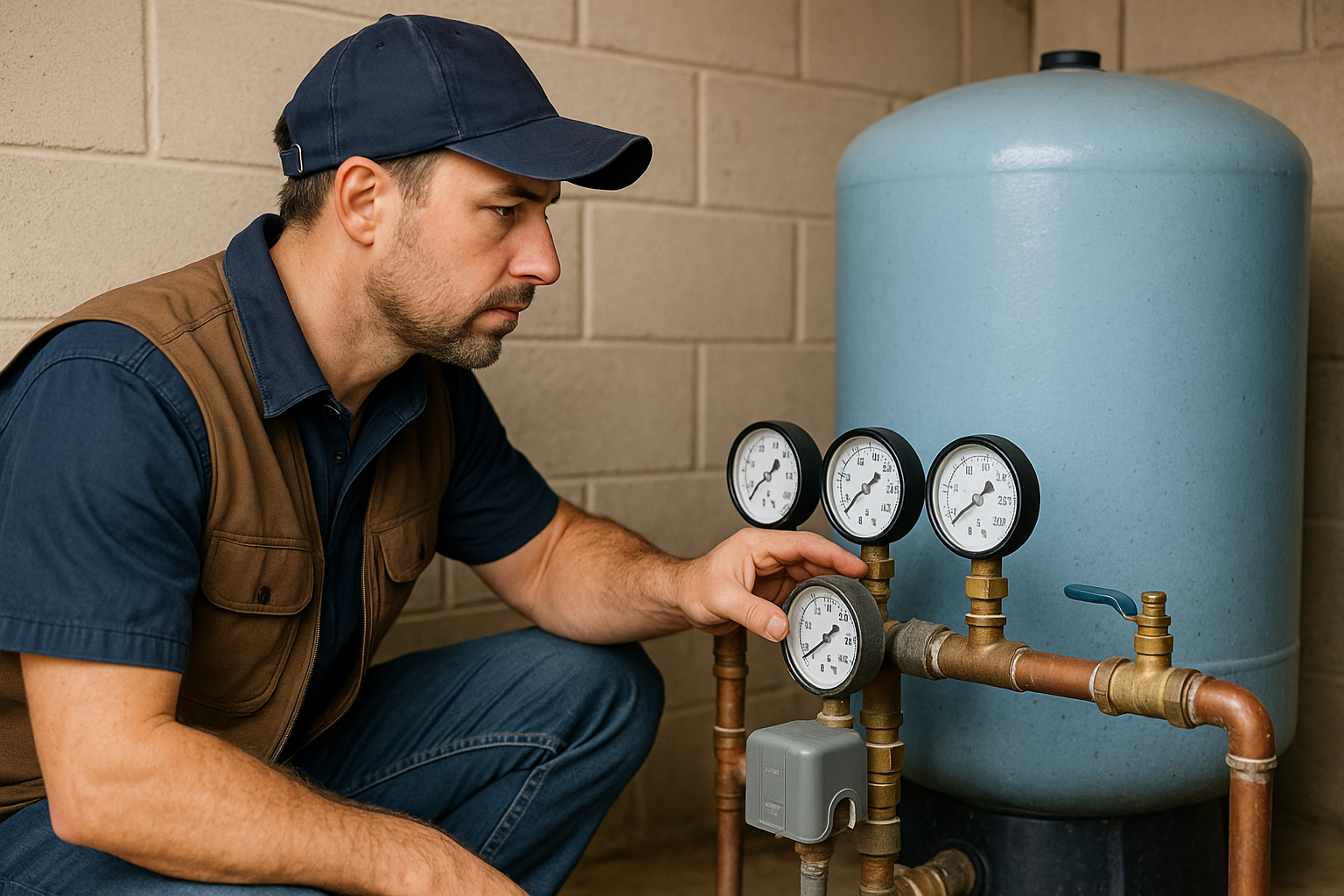
Well Pressure Switch: Settings, Adjustment & Replacement
Everything about pressure switches
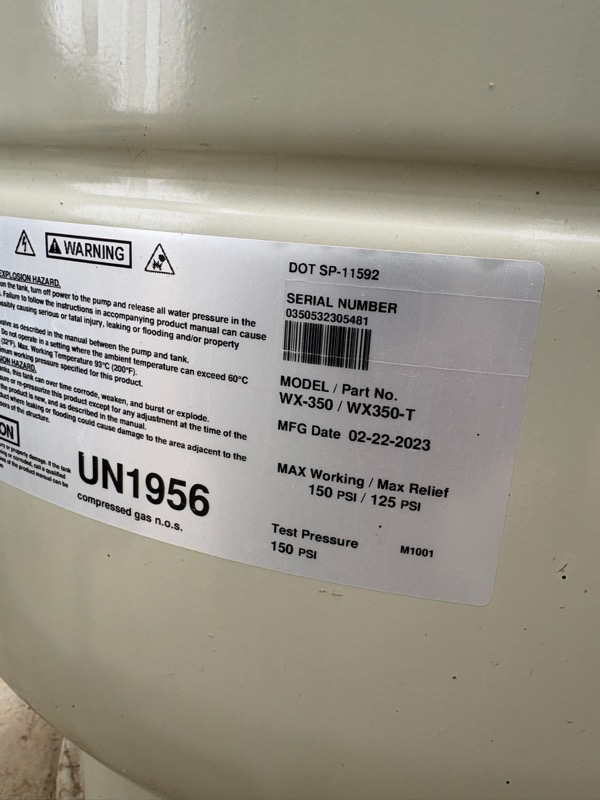
Pressure Tank Maintenance: Complete Guide
Keep your pressure tank working properly
Comprehensive Low Water Pressure Solutions for Desert Center Homes
If you're a homeowner in Desert Center, a tiny remote desert community in Riverside County off I-10 known for its extreme isolation, and you're dealing with low water pressure from your private well, you're facing challenges unique to this harsh, arid environment. At Southern California Well Service (CSLB #1086994), founded in 2020, with 60+ years of family heritage, we specialize in diagnosing and resolving low water pressure issues for Desert Center properties. Call us at (760) 440-8520 for expert service from our Ramona and Anza offices, even in the most remote locations.
Understanding Low Water Pressure in Desert Center: The Role of Local Geology
Desert Center, situated in the desolate heart of Riverside County along Interstate 10, is defined by a geology of ancient alluvial deposits, sandy desert soils, and underlying fractured bedrock, typical of the Colorado Desert region. This geological makeup poses severe challenges for private well owners. The sandy, porous surface soils allow minimal water retention, with most rainfall evaporating or running off rather than recharging groundwater. Below, the fractured bedrock and sparse aquifers hold limited water in isolated pockets, resulting in extremely low well yields that are further stressed by the region's relentless arid climate, where annual rainfall is often less than 5 inches.
The extreme isolation of Desert Center means there's no access to municipal water systems, making private wells the sole lifeline for residents. The flat, expansive desert terrain can mask underground complexities, requiring wells to be drilled to significant depths to access scarce water resources. Combined with scorching temperatures and prolonged droughts characteristic of this remote desert outpost, these geological and environmental factors create a uniquely hostile setting for maintaining water pressure.
Common Causes of Low Water Pressure in Desert Center
Low water pressure in Desert Center wells often arises from the area's extreme desert environment, scarce water resources, and the strain on equipment in such isolated conditions. Drawing on our decades of experience in Riverside County, we've identified these primary causes:
- Pump Overload and Failure: Wells in Desert Center must often draw water from great depths due to low groundwater levels, overworking pumps. The hard, mineral-laden water typical of desert aquifers causes rapid buildup, reducing pump efficiency and leading to pressure loss.
- Pressure Tank Degradation: Tanks in this harsh climate suffer from corrosion accelerated by high mineral content and extreme temperature swings, resulting in diaphragm failure or pressure fluctuations, critical issues in remote homes reliant on consistent water supply.
- Clogged Pipes and Filters: Desert water in Desert Center often carries high levels of sand and minerals like calcium and magnesium, clogging pipes over time. Filters, if not regularly maintained, become blocked, further restricting flow in an area where every drop counts.
- Critically Low Well Yield: The desert's negligible recharge and prolonged droughts mean groundwater is perpetually scarce in Desert Center. Wells frequently run dry or produce minimal water, directly impacting pressure, especially during peak heat when evaporation rates soar.
- Electrical Disruptions: Remote areas like Desert Center often face unreliable power grids, with fluctuations or outages disrupting pump operation. Insufficient voltage or aging wiring in isolated properties can prevent pumps from delivering adequate pressure.
- Undetected Leaks: In the vast, open desert, underground pipes can develop leaks from ground shifts or wear, often going unnoticed across large properties, sapping pressure before water reaches sparse households or outbuildings.
Diagnosing Low Water Pressure: Our Process for Desert Center Residents
At Southern California Well Service, we employ a meticulous diagnostic process tailored to Desert Center's extreme desert isolation and geological constraints to uncover the reasons behind low water pressure. Our steps include:
- Initial Assessment: We start by discussing your water usage patterns and pressure issues. Are problems worse during the hottest months? Is water availability sporadic? This helps us focus on causes specific to Desert Center's arid environment.
- System Evaluation: Our technicians inspect your well pump, pressure tank, and accessible plumbing for wear or damage, paying close attention to mineral and sand buildup, prevalent in Desert Center's hard desert water.
- Pressure Testing: Using advanced gauges, we measure pressure at multiple system points to identify losses at the deep wellhead, tank, or distribution lines across your remote property.
- Well Yield Analysis: We test your well's flow rate to assess if critically low groundwater is contributing to pressure problems, especially under extreme heat stress.
- Water Quality Check: High sediment and mineral levels can clog systems and reduce pressure. We analyze your water to detect issues tied to the area's sparse, mineral-rich desert aquifers.
Following diagnostics, we provide a detailed report and a customized solution plan, ensuring Desert Center residents understand the issue and costs involved with full transparency.
Solutions for Low Water Pressure in Desert Center: Options and Costs
Once the cause is identified, Southern California Well Service offers tailored solutions for Desert Center homeowners. Here are typical solutions and estimated costs (as of 2026):
- Pressure Switch Repair: A worn pressure switch can be replaced for $150-$350, restoring proper cut-in and cut-out pressure cycling.
- Pressure Tank Replacement: A failing tank can be replaced with a corrosion-resistant, heavy-duty model ($600-$1,500, based on capacity). Durability is key for Desert Center's extreme temperature swings.
- Pump Replacement: Replacement with a high-capacity submersible pump built for desert depths runs $2,500-$5,500, including labor. We select models to handle Desert Center's harsh water quality.
- Constant Pressure System: For steady pressure despite scarce water and fluctuating use, a constant-pressure or booster system costs $2,000-$4,500. This is ideal for Desert Center households needing reliable flow.
- Sediment Filtration: Installing sediment filtration to clear sand and protect equipment costs $300-$900, depending on the system.
- Well Rehabilitation or Hydrofracturing: For wells with critically low yield due to desert aquifer depletion, hydrofracturing may cost $3,000-$8,000. We carefully evaluate Desert Center's geology to ensure such investments yield sustainable water access.
All costs include labor and materials, with detailed quotes provided upfront. Our $125 diagnostic fee is credited toward any repair.
Maintenance Tips to Prevent Low Water Pressure in Desert Center
Regular maintenance is crucial to prevent low water pressure and extend the life of your well system in Desert Center's extreme desert isolation. Here are tailored tips for this harsh environment:
- Annual Pump Inspections: Schedule yearly pump checkups to detect early wear from deep operation and hard water minerals, vital in Desert Center where repair delays can be catastrophic.
- Pressure Tank Care: Check the tank's air pressure every 6 months (should be 2 PSI below the pump's cut-in setting). Service it immediately if waterlogged to maintain pressure.
- Water Softening: Install a water softener ($1,500-$3,500) to reduce mineral buildup in pipes and equipment, essential in Desert Center where desert water hardness accelerates wear.
- Filter Upkeep: Clean or replace inline filters every 3-6 months to prevent clogs from sand and sediment.
- Extreme Conservation: Limit all non-essential water use year-round to reduce strain on your well. Consider xeriscaping and ultra-low-flow fixtures.
When to Call a Professional in Desert Center
While minor troubleshooting can be attempted, certain scenarios in Desert Center's extreme, isolated desert context require professional expertise. Call Southern California Well Service at (760) 440-8520 if you experience:
- Sudden Pressure Loss: An abrupt drop without obvious cause may indicate pump failure or a significant leak, a dire situation in remote Desert Center.
- No Water Flow: A complete loss often points to a failed pump, collapsed casing, or total groundwater depletion—an existential risk in Desert Center's arid isolation.
- Unusual Pump Noises: Grinding or clicking may signal mechanical failure or cavitation from low water levels, requiring urgent repair.
- Water Quality Changes: If low pressure comes with discoloration, odor, or heavy sediment, it could indicate well contamination or casing issues.
- Persistent Issues After DIY Fixes: If basic adjustments like pressure switch tweaks or tank air checks fail, deeper system problems likely need professional diagnostics.
We offer emergency service for Desert Center residents, ensuring rapid response even to this remote outpost. With offices in Ramona and Anza, we're prepared for the journey to support Riverside County's most isolated communities.
Why Desert Center Trusts Southern California Well Service
since 2020, Southern California Well Service has been a lifeline for Desert Center homeowners, earning CSLB #1086994 from hundreds of satisfied clients. Our expertise in extreme desert well challenges allows us to deliver precise, effective solutions. As a licensed C-57 contractor (CSLB #1086994), we're not just plumbers; we're well specialists equipped to manage every aspect of your system, from drilling in tough desert terrain to ongoing maintenance under brutal conditions.
Don't let low water pressure threaten your comfort in Desert Center. Whether it's a quick fix or a major system overhaul, we're here to restore reliable water flow to your remote desert home. Call (760) 440-8520 today for a free estimate.
Frequently Asked Questions
Why is my well water pressure so low in Desert Center?
In Desert Center, low pressure usually traces back to the area's deep, low-yield desert wells off I-10. The most common culprits are a worn or scaled submersible pump pulling from great depth, a waterlogged or corroded pressure tank, a clogged sediment screen, or simply a critically low water table after a long dry stretch. A diagnostic visit pinpoints which one is at fault.
How deep are wells in the Desert Center area?
Because the Colorado Desert aquifers around Desert Center hold water in scattered, fractured-bedrock pockets, wells here are often drilled deep to reach a reliable supply. Depth varies widely from property to property, which is why we test your specific well's drawdown and static level rather than assuming a single number.
What does it cost to fix low water pressure here?
Typical Desert Center repairs range from a $150-$350 pressure switch or a $600-$1,500 pressure tank to a $2,500-$5,500 pump replacement. Sediment filtration runs $300-$900 and a constant-pressure or booster system $2,000-$4,500. Our $125 diagnostic is credited toward any repair we perform.
Can you reach a remote Desert Center property the same day?
Yes. We dispatch from our Ramona and Anza offices and offer same-day emergency service even to the most isolated stretches off Interstate 10. Because a well is the sole water source out here, we prioritize no-water calls.
Should I keep running my pump if pressure suddenly drops?
No. A sudden drop, grinding noise, or no water at all can mean the pump is running dry or failing. Running it dry can burn out the motor within minutes. Shut it off and call (760) 440-8520 so we can diagnose it before further damage occurs.
Will deepening or hydrofracturing my Desert Center well help?
If the problem is genuine low yield from aquifer depletion rather than equipment, well rehabilitation, deepening, or hydrofracturing ($3,000-$8,000) can open new water-bearing fractures. We evaluate your well's geology first so the investment delivers a sustainable supply.