
Low Water Pressure Solutions in Desert Hot Springs
Dealing with weak water pressure in Desert Hot Springs? Low water pressure can make showers frustrating and appliances ineffective. Our team diagnoses the root cause and restores your water pressure fast.
📋 In This Guide
Need Low Water Pressure Solutions in Desert Hot Springs?
We serve Desert Hot Springs and all of Riverside County. Licensed C-57 contractor (CSLB #1086994), founded 2020.
Call: (760) 440-8520Our Low Water Pressure Solutions Services
- Pressure tank repair and replacement
- Pressure switch adjustment
- Pump upgrades for better pressure
- Constant pressure systems
- Booster pump installation
- Clogged pipe diagnosis
- Well yield testing
- Complete system evaluation
Why Desert Hot Springs Chooses SCWS
✓ Local Expertise
We know Riverside County geology and wells
✓ Fast Response
Same-day service for Desert Hot Springs
✓ Fair Pricing
Honest quotes, no surprises
✓ Quality Work
CSLB #1086994 · founded 2020
Our Locations
Related Articles
Continue learning about well maintenance and troubleshooting
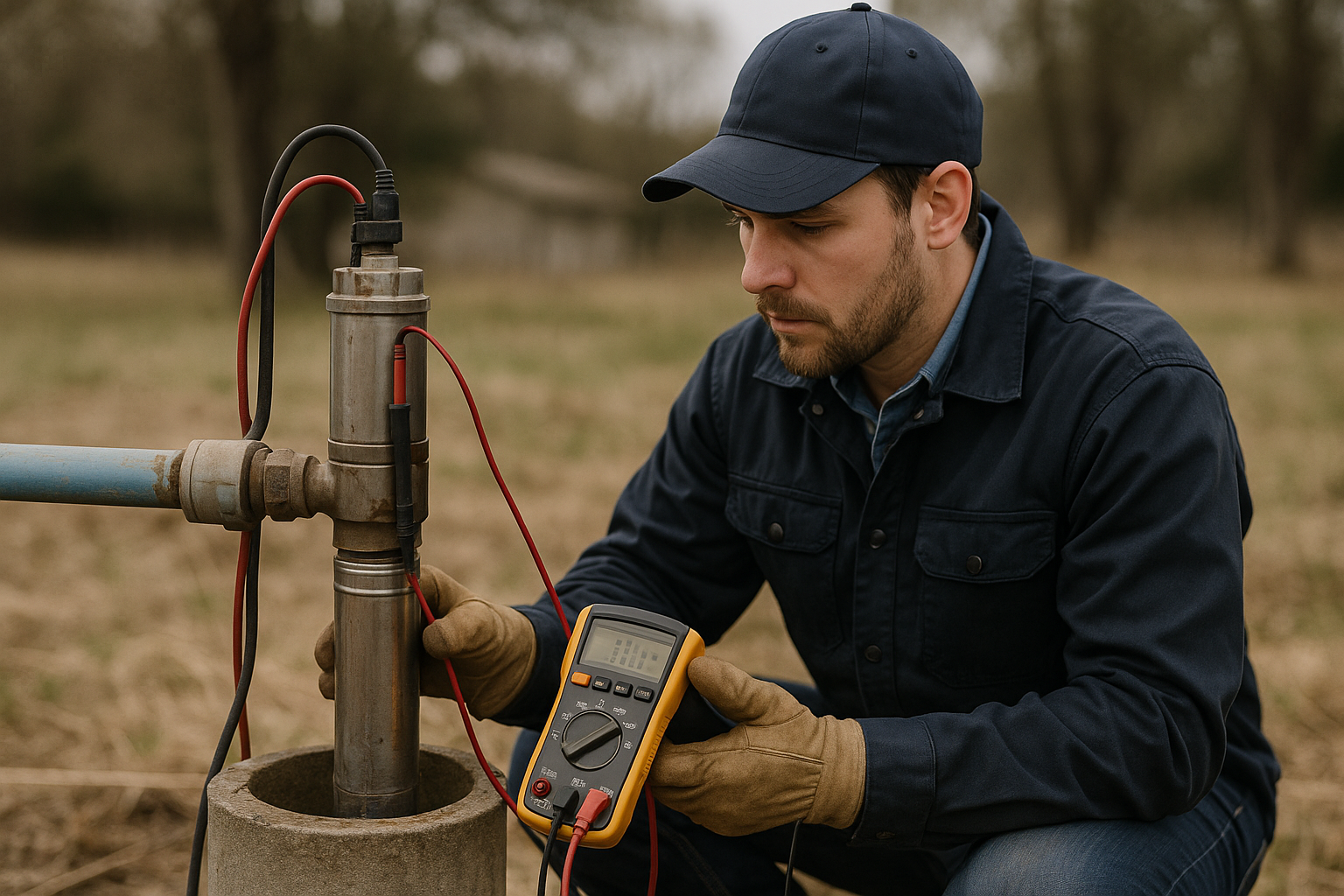
Low Water Pressure From Well: Complete Fix Guide
Diagnose and solve low pressure problems
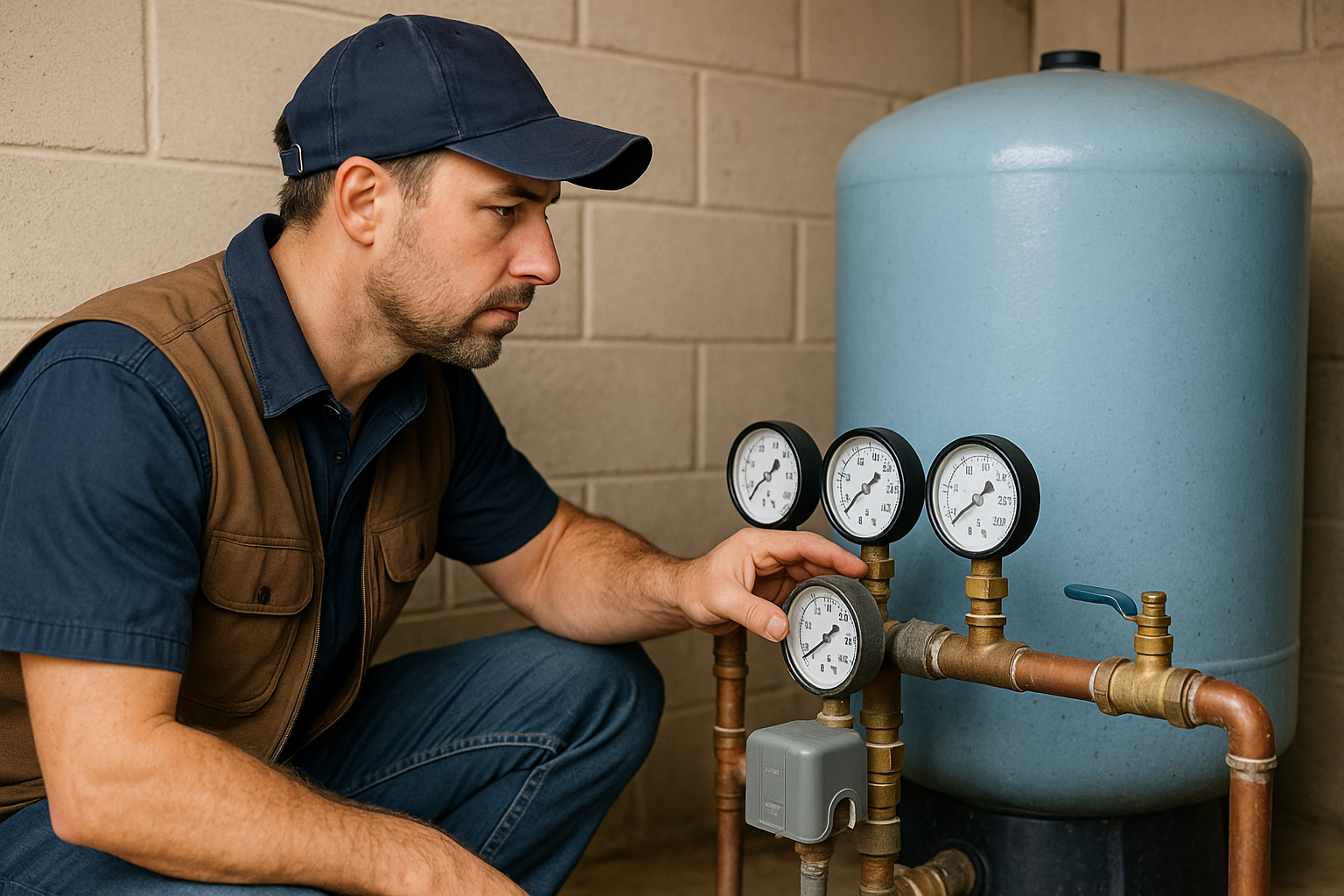
Well Pressure Switch: Settings, Adjustment & Replacement
Everything about pressure switches
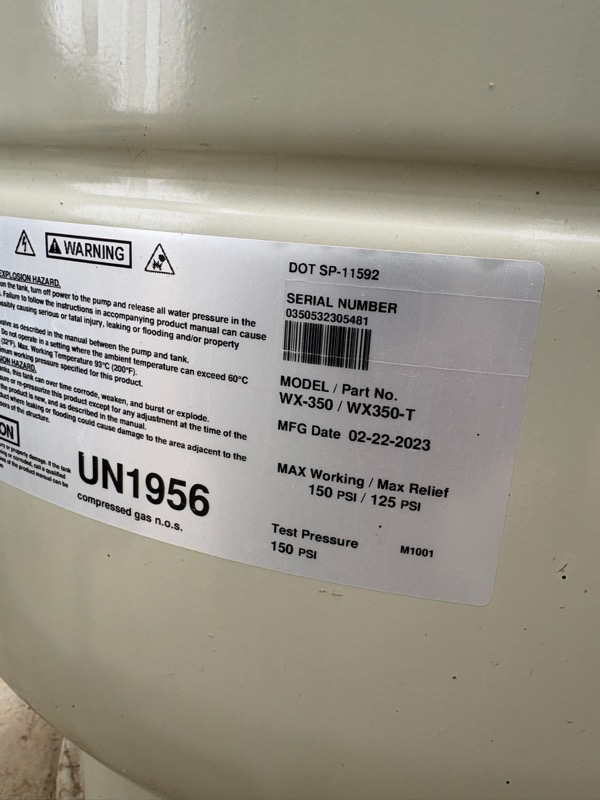
Pressure Tank Maintenance: Complete Guide
Keep your pressure tank working properly
Low Water Pressure Solutions for Desert Hot Springs Wells
Desert Hot Springs is unlike anywhere else we work. Tucked into the northern Coachella Valley of Riverside County, this spa town sits literally on top of one of California's most unusual groundwater stories, and that has everything to do with how your private well behaves. When pressure starts to fade, whether you're out toward Sky Valley, up in Mission Lakes, or in one of the older neighborhoods near Pierson Boulevard, the cause is often tied to the very geology that gave the city its name.
The famous hot mineral water that feeds the area's spas and the cold drinking water that comes out of many household wells are two completely separate aquifers, divided underground by the Mission Creek Fault, a branch of the San Andreas. That fault line shapes water temperature, mineral content, and yield across town, which means a generic out-of-area contractor can badly misread a Desert Hot Springs well. Getting your pressure back reliably takes a crew that knows this fault-controlled desert plumbing. A well a quarter mile away can behave nothing like yours, so local experience is not a marketing line here, it is the difference between a fix that holds and one that fails by next season.
How Your Desert Hot Springs Well System Works
The mechanics of your system are straightforward even if the geology isn't. A submersible pump down in the well lifts water up the drop pipe into a pressure tank, where an air-charged bladder stores pressurized water so the pump doesn't run constantly. A pressure switch starts and stops the pump, typically maintaining 40 to 60 PSI at your fixtures.
What makes Desert Hot Springs distinctive is what the pump is drawing from. North of the Mission Creek Fault, in the Desert Hot Springs sub-basin, groundwater can be geothermally heated, sometimes dramatically warm and heavy with dissolved minerals. South and west of the fault, cold mountain runoff produces normal-temperature water. Well depths across the area vary widely, often in the range of a few hundred feet, with some far deeper, depending on which side of the fault you're on and how the alluvial layers and crystalline basement rock line up beneath your property.
Common Causes of Low Pressure in Desert Hot Springs
Decades of Coachella Valley work have taught us which problems show up most around Desert Hot Springs:
- Heavy mineral scale. This is the dominant issue here. The region's mineral-rich, often warm groundwater deposits scale rapidly inside pipes, pumps, and fixtures, and that buildup chokes flow faster than in most areas. Hot mineral water is wonderful in a spa and rough on plumbing.
- Waterlogged pressure tank. When the bladder fails, the pump short-cycles and pressure swings. The combination of heat and minerals can age tanks quickly out here.
- Worn or scaled pump. Mineral deposits coat impellers and warm-water wear takes a toll, gradually reducing the pressure a pump can deliver.
- Low-yield wells near the fault. Yield can change sharply across the Mission Creek Fault. Some properties sit over modest producers that struggle to keep the tank full under demand.
- Sediment and fine desert sand. Clogged sediment filters and screens are common in the valley and quietly strangle pressure throughout the house.
- Extreme heat on equipment. Coachella Valley summers are brutal. Pumps and tanks work hard in 110-plus-degree heat, and components fail sooner than they would in a milder climate.
What to Check Before You Call
A quick look around can speed up the diagnosis:
- Whole house or one fixture? If only one faucet runs weak, the likely culprit is a scaled-up aerator, very common with mineral water. Low pressure everywhere points to the well system.
- Check the pressure gauge. Watch the gauge near your tank while water runs. A healthy system cycles in roughly a 20-PSI band such as 40 to 60. Numbers far below that signal a problem worth investigating.
- Listen to the pump. Rapid on-off short-cycling usually means a waterlogged tank. A pump running constantly without building pressure suggests wear, scale, or a low-yield well.
- Inspect for scale. White crusty mineral deposits on fixtures and fittings tell you scale is a factor, which often points to treatment as part of the long-term fix.
- Look at your sediment filter. A dirty whole-house filter cartridge is an easy, inexpensive first thing to rule out.
Don't open the well cap or touch wiring or the pressure switch yourself. Those involve live electricity and pressurized water, and on geothermally warm systems the water can be hot enough to scald. Leave that to a licensed pro.
When to Call a Professional
Call right away if you have no water, if your pump runs nonstop, if you notice rapid short-cycling, or if pressure dropped suddenly. In Desert Hot Springs' heat, going without water is a genuine safety issue, so we treat no-water calls as emergencies. Gradual decline usually means scale, an aging pump, or a tank near the end of its life, all best handled before the next heat wave. Our diagnostic visit is $125 and is credited toward any repair we perform, so you get an honest answer without paying twice.
Realistic Cost Ranges
Costs vary with depth, access, and water chemistry, but these ranges reflect typical Desert Hot Springs pressure work:
- Pressure switch replacement: $150–$350
- Pressure tank replacement: $600–$1,500
- Submersible pump replacement: $2,500–$5,500
- Sediment filtration system: $300–$900
- Iron/manganese filter or water softener: $1,500–$3,500 (often essential given the area's mineral content)
- Constant-pressure or booster system: $2,000–$4,500
- Hydrofracturing to improve a low-yield well: $3,000–$8,000
- New turnkey well: $18,000–$42,000
In Desert Hot Springs, water treatment is frequently the smartest dollar you can spend. Controlling scale not only restores pressure but dramatically extends the life of your pump, tank, water heater, and fixtures.
Serving Desert Hot Springs and the Coachella Valley
Southern California Well Service is a licensed C-57 well contractor (CSLB #1086994) (CSLB #1086994), founded in 2020, with 60+ years of family heritage across Riverside County. From our offices in Ramona and Anza, we serve Desert Hot Springs and the surrounding Coachella Valley communities including Sky Valley, Mission Lakes, North Palm Springs, and the unincorporated desert areas nearby. Because we understand the Mission Creek Fault, the hot-versus-cold aquifer split, and how aggressively this water scales equipment, we can diagnose your pressure problem accurately and fix it for good. Same-day emergency service is available when the desert heat leaves you without water, because in this climate a dead pump is not just an inconvenience, it is a health and safety concern we take seriously.
Frequently Asked Questions
Why does my Desert Hot Springs well water leave so much scale?
The area's groundwater is rich in dissolved minerals, and where it is geothermally warmed the mineral content is especially high. As that water moves through your plumbing, scale precipitates out and coats pipes, fixtures, and pump parts, restricting flow over time. A softener or filtration system controls the buildup and restores pressure.
Is my well drawing hot mineral water or cold water?
It depends which side of the Mission Creek Fault your property sits on. North of the fault, wells can tap geothermally heated, mineral-heavy water, while south and west the water is typically cold. We can assess your well to determine what it produces and what treatment, if any, makes sense.
Why does my pressure get worse in summer?
Extreme Coachella Valley heat stresses pumps and pressure tanks, and demand spikes as everyone runs more water. Equipment already weakened by scale or age tends to fail when it is working hardest, which is why we recommend addressing borderline systems before peak summer.
How deep are wells in Desert Hot Springs?
Depths vary considerably depending on location and which aquifer you're tapping, often a few hundred feet, with some wells much deeper. The fault-controlled geology means depth and yield can differ significantly between neighboring properties. We test each well individually.
Can treatment really improve my water pressure?
Yes. In this area, mineral scale is one of the leading causes of declining pressure. Installing appropriate filtration or softening removes the cause of new buildup, and combined with clearing existing scale it can noticeably restore flow while protecting your equipment.
Do you offer same-day service in Desert Hot Springs?
We do. Given the desert heat, we prioritize same-day response for no-water and sudden pressure-loss emergencies throughout Desert Hot Springs and the Coachella Valley. Call (760) 440-8520 and we'll get a technician on the way.
Get Your Desert Hot Springs Water Pressure Back
Whether scale has slowly choked your flow or a pump has given out in the heat, Southern California Well Service will pinpoint the real cause and restore your water pressure. Call (760) 440-8520 or text (760) 219-5877 to schedule service today — your $125 diagnostic is credited toward the repair.