
Low Water Pressure Solutions in East Otay Mesa
Dealing with weak water pressure in East Otay Mesa? Low water pressure can make showers frustrating and appliances ineffective. Our team diagnoses the root cause and restores your water pressure fast.
📋 In This Guide
Need Low Water Pressure Solutions in East Otay Mesa?
We serve East Otay Mesa and all of San Diego County. Licensed C-57 contractor (CSLB #1086994), founded 2020.
Call: (760) 440-8520Our Low Water Pressure Solutions Services
- Pressure tank repair and replacement
- Pressure switch adjustment
- Pump upgrades for better pressure
- Constant pressure systems
- Booster pump installation
- Clogged pipe diagnosis
- Well yield testing
- Complete system evaluation
Why East Otay Mesa Chooses SCWS
✓ Local Expertise
We know San Diego County geology and wells
✓ Fast Response
Same-day service for East Otay Mesa
✓ Fair Pricing
Honest quotes, no surprises
✓ Quality Work
CSLB #1086994 · founded 2020
Our Locations
Related Articles
Continue learning about well maintenance and troubleshooting
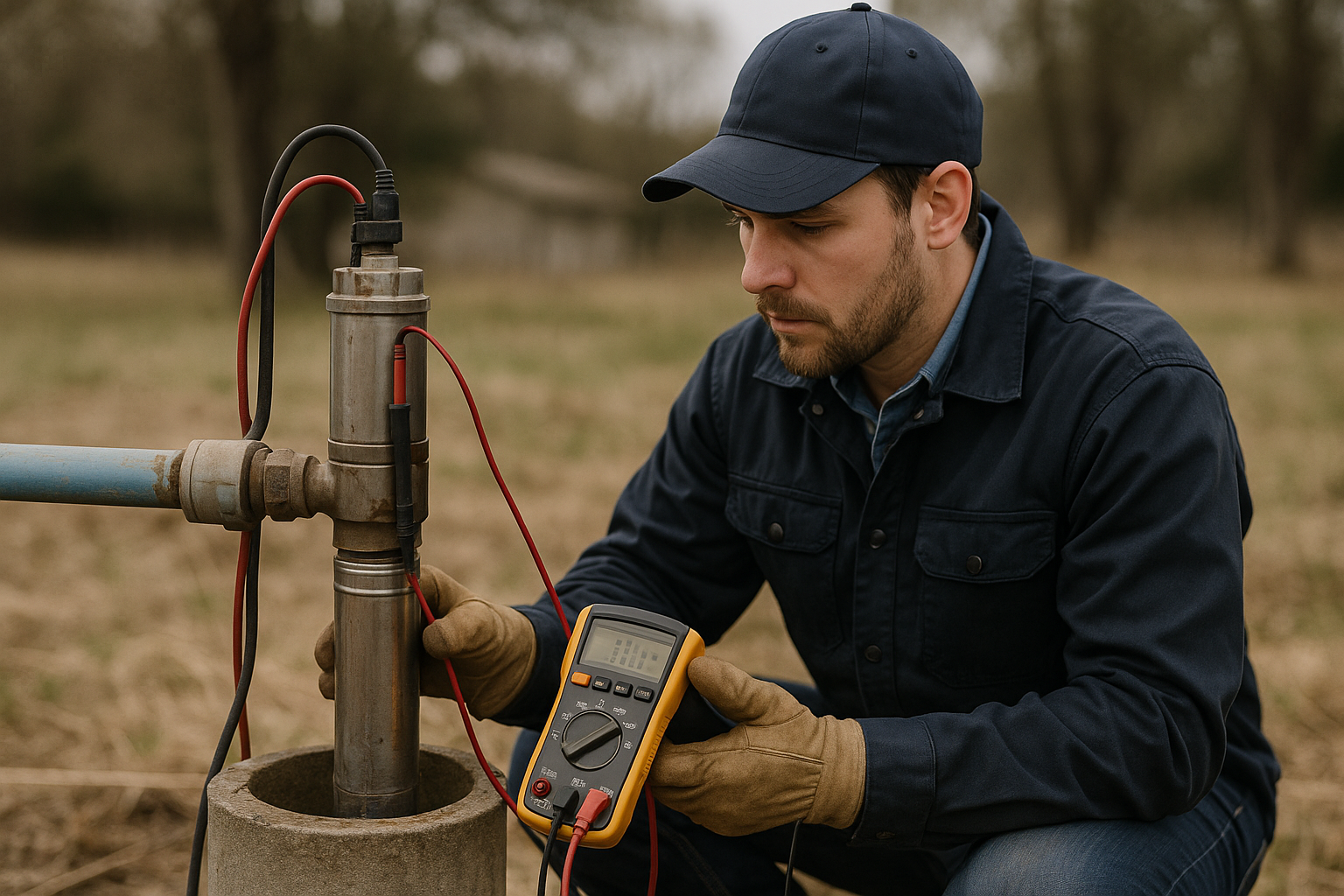
Low Water Pressure From Well: Complete Fix Guide
Diagnose and solve low pressure problems
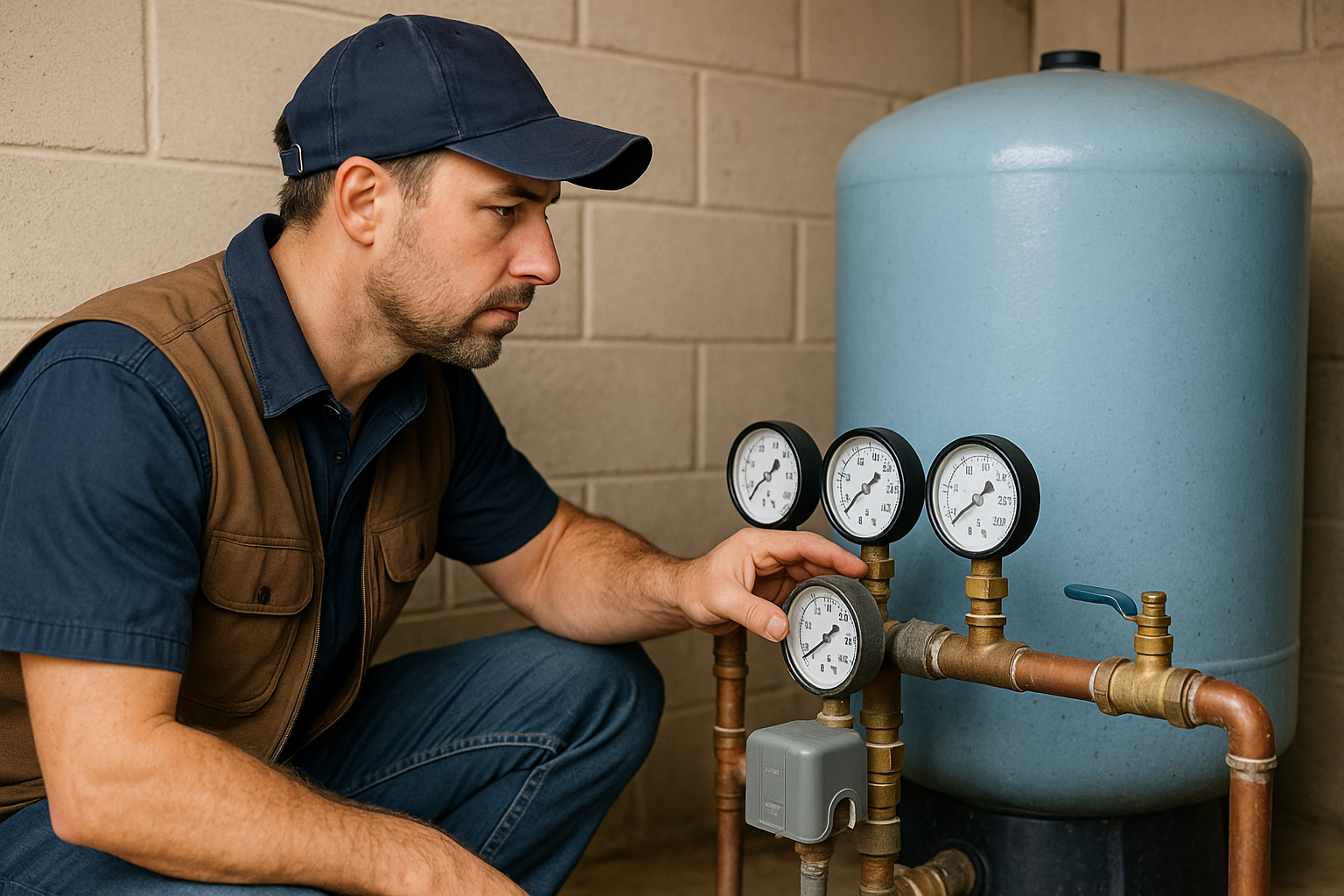
Well Pressure Switch: Settings, Adjustment & Replacement
Everything about pressure switches
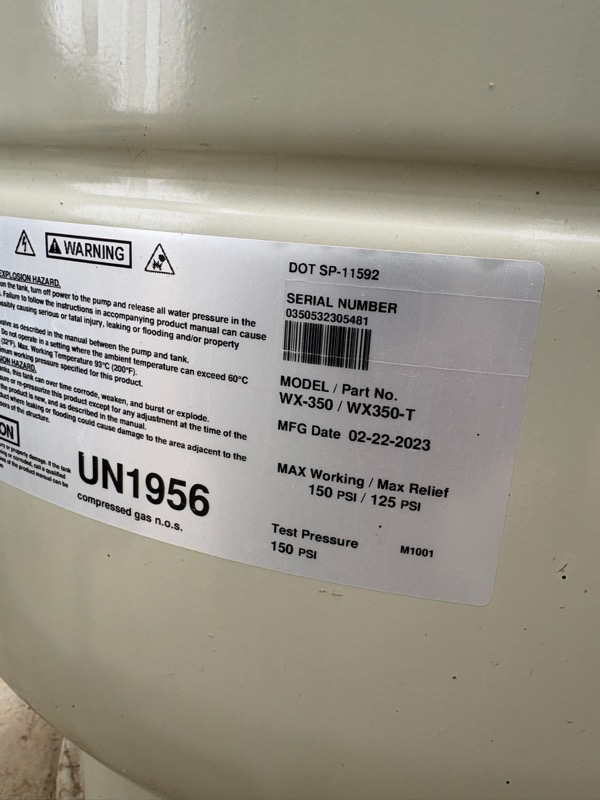
Pressure Tank Maintenance: Complete Guide
Keep your pressure tank working properly
Restoring Strong Well Water Pressure in East Otay Mesa
East Otay Mesa sits in the far southwestern corner of unincorporated San Diego County, a high mesa tucked between the City of Chula Vista, the rugged San Ysidro Mountains, and the international border with Mexico. Out here, past the reach of municipal water mains, many ranches, agricultural parcels, and rural homesteads depend entirely on a private well. When that well starts pushing weak, sputtering water to the house, it is more than an inconvenience — it affects livestock, irrigation, fire protection, and everyday life. Southern California Well Service has worked since 2020 restoring pressure for property owners across the South Bay mesa country, and we know exactly how the local terrain shapes the problems you run into.
The mesa is underlain by the marine sandstones and conglomerates of the Otay and San Diego formations, capped by gravelly mesa soils. Wells here often draw from semi-confined sand and gravel zones rather than the deep fractured granite you find farther inland, and many local wells fall in the 200 to 500 foot range depending on where the productive sands sit. That geology produces its own pressure quirks: fine sand intrusion, variable yield, and screens that slowly clog. Knowing that going in lets our technicians zero in on the real cause instead of guessing.
One thing we stress to every East Otay Mesa customer: low pressure is a symptom, not a diagnosis. The same weak shower can come from a $200 switch or a $4,000 pump, and the only way to know is to test the system methodically. We measure static and pumping water levels, time the pump's cycle, check tank pre-charge, and inspect the wellhead before we ever quote a repair. That discipline keeps you from paying for parts you do not need.
How Your Well Pressure System Actually Works
A private well does not deliver pressure straight from the ground. A submersible pump sitting deep in the borehole lifts water up to a pressure tank near your home. Inside that tank, a cushion of compressed air pushes against the water so your faucets get steady flow without the pump cycling on every time you open a tap. A pressure switch watches the tank and tells the pump when to start and stop — most homes run on a 40/60 or 30/50 PSI setting, meaning the pump kicks on at the low number and shuts off at the high one.
When any link in that chain weakens — a tired pump, a waterlogged tank, a switch drifting out of calibration, or a partially blocked line — you feel it as low pressure at the fixture. Diagnosing well pressure is about figuring out which link failed, and that is where experience with East Otay Mesa wells pays off.
Common Causes of Low Water Pressure in East Otay Mesa
- Waterlogged pressure tank. The most frequent culprit we find. When the tank's air bladder fails, the pump short-cycles and pressure swings wildly. Tanks in this climate typically last 7 to 12 years.
- Pressure switch problems. Mesa dust and the occasional ant invasion foul switch contacts. A misadjusted or pitted switch can cap your pressure well below where it should sit.
- Sand and sediment. Because many mesa wells tap sandy formations, fine sand can erode pump components and clog screens, aerators, and cartridge filters, choking flow.
- Declining pump performance. After years of duty, impellers wear and a submersible simply cannot build the pressure it once did, especially noticeable when two fixtures run at once.
- Dropping water level. San Diego County's long dry stretches and regional drawdown can lower the water table, forcing the pump to work harder for less.
- Mineral scale and corrosion in old galvanized lines. Decades-old steel piping narrows from the inside, strangling pressure long before the well itself is to blame.
What to Check Before You Call
A few safe checks can help you describe the problem — or even fix a minor one:
- Is it one fixture or the whole house? A single weak faucet usually means a clogged aerator or fixture screen, not a well problem. Whole-house pressure loss points upstream.
- Read the pressure gauge. Most systems have a gauge near the tank. Healthy pressure cycles between roughly 40 and 60 PSI. A reading stuck low or bouncing rapidly is a strong clue.
- Tap the pressure tank. Knock on it — the top should sound hollow and the bottom solid. If it sounds full of water all the way up, the bladder has likely failed.
- Listen to the pump. Rapid clicking on and off (short-cycling) is a classic waterlogged-tank or switch symptom.
- Check the breaker. Rural mesa power flickers; a tripped breaker or stressed pressure switch can leave the pump struggling.
If everything looks normal at the gauge but pressure is still weak, the issue is likely the pump or the well itself — that is when it is time to bring in a licensed professional.
When to Call a Professional
Call us right away if you have no water at all, if you see sand or cloudy water, if the pump runs constantly and never shuts off, or if you smell something electrical near the controls. These point to problems — pump failure, a cracked drop pipe, or wiring faults — that require proper equipment and a C-57 licensed well contractor. Pulling a submersible pump from a several-hundred-foot borehole is not a DIY job; it takes a rig, the right tools, and an understanding of how to set everything back to spec.
What Repairs Cost in East Otay Mesa
Honest, upfront pricing is something we are known for. Real numbers help you plan:
- Pressure switch replacement: $150–$350
- Pressure tank replacement: $600–$1,500
- Submersible pump replacement: $2,500–$5,500
- Sediment / sand filtration: $300–$900
- Iron, manganese, or softening systems: $1,500–$3,500
- Constant-pressure or booster system: $2,000–$4,500
- Hydrofracturing to boost a low-yield well: $3,000–$8,000
- New turnkey well: $18,000–$42,000
Every visit starts with a thorough $125 diagnostic, and we credit that amount toward any repair we perform. No mystery fees, no pressure to buy what you do not need.
Serving East Otay Mesa and the South Bay
From our Ramona and Anza offices we cover East Otay Mesa and the surrounding South Bay communities — Otay Mesa, the rural edges of Chula Vista, Jamul, Dulzura, and the unincorporated parcels reaching toward the San Ysidro Mountains. Because we work these areas constantly, we keep common pumps, tanks, and switches on the truck so many repairs finish in a single visit. When you have no water on the mesa, a same-day emergency response is a phone call away. We also coordinate with county permitting when a job calls for it, since unincorporated San Diego County has its own well construction and destruction rules.
Frequently Asked Questions
Why does my East Otay Mesa well lose pressure when I run two fixtures at once?
That usually means the pump or tank can no longer keep up with demand. A waterlogged pressure tank empties too fast, and a worn pump cannot refill it quickly — so the second fixture starves. We test draw-down and recovery to pinpoint which part is undersized or failing.
Could the sandy soil out here be hurting my pump?
Yes. Many mesa wells draw from sandy formations, and fine sand is abrasive. Over time it wears pump impellers and clogs screens and filters. If you have ever seen grit in the bottom of a glass or in your aerators, sand control should be part of the conversation.
How deep are wells in East Otay Mesa?
It varies with where the productive sands lie, but many local wells fall in the 200 to 500 foot range. We always check your well log when available, since depth affects pump sizing and the right pressure solution.
Is low pressure ever just a clogged pipe rather than the well?
Absolutely. Older galvanized steel lines corrode and scale shut from the inside, choking flow even when the pump and tank are healthy. We can isolate the piping during diagnosis to rule it in or out before recommending costly well work.
Do you offer same-day service to East Otay Mesa?
We offer same-day emergency response whenever possible, and East Otay Mesa is well within our regular service territory. Call (760) 440-8520 or text (760) 219-5877 and we will get a technician headed your way.
What does it cost just to find out what is wrong?
Our diagnostic visit is a flat $125, and we credit it toward any repair we complete. You get a clear explanation of the problem and honest options before any work begins.
Get Your Water Pressure Back in East Otay Mesa
Licensed C-57 contractor, founded 2020, CSLB #1086994 service across San Diego County.
Call (760) 440-8520