
Low Water Pressure Solutions in Fallbrook
Dealing with weak water pressure in Fallbrook? Low water pressure can make showers frustrating and appliances ineffective. Our team diagnoses the root cause and restores your water pressure fast.
📋 In This Guide
Need Low Water Pressure Solutions in Fallbrook?
We serve Fallbrook and all of San Diego County. Licensed C-57 contractor (CSLB #1086994), founded 2020.
Call: (760) 440-8520Our Low Water Pressure Solutions Services
- Pressure tank repair and replacement
- Pressure switch adjustment
- Pump upgrades for better pressure
- Constant pressure systems
- Booster pump installation
- Clogged pipe diagnosis
- Well yield testing
- Complete system evaluation
Why Fallbrook Chooses SCWS
✓ Local Expertise
We know San Diego County geology and wells
✓ Fast Response
Same-day service for Fallbrook
✓ Fair Pricing
Honest quotes, no surprises
✓ Quality Work
CSLB #1086994 · founded 2020
Our Locations
Related Articles
Continue learning about well maintenance and troubleshooting
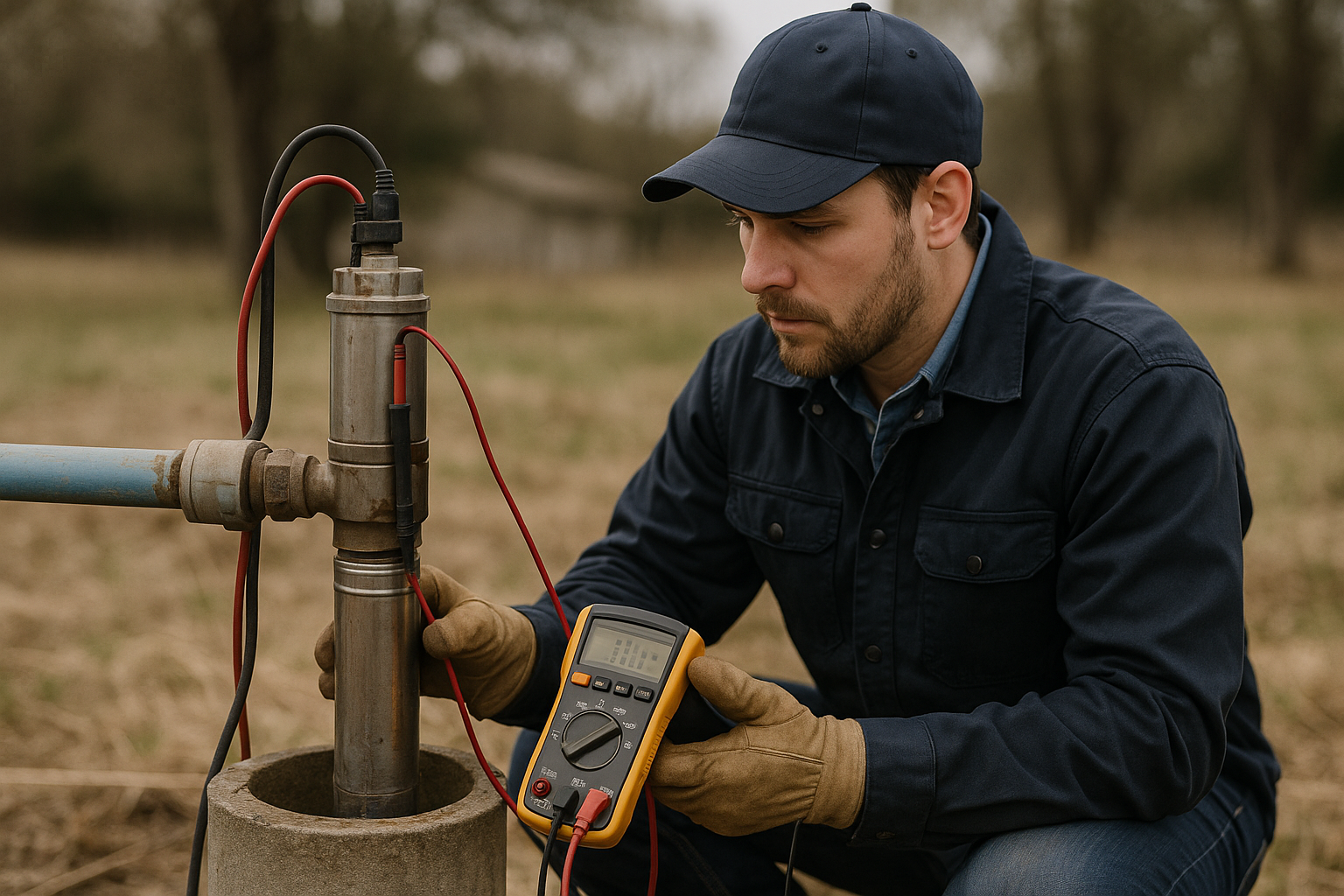
Low Water Pressure From Well: Complete Fix Guide
Diagnose and solve low pressure problems
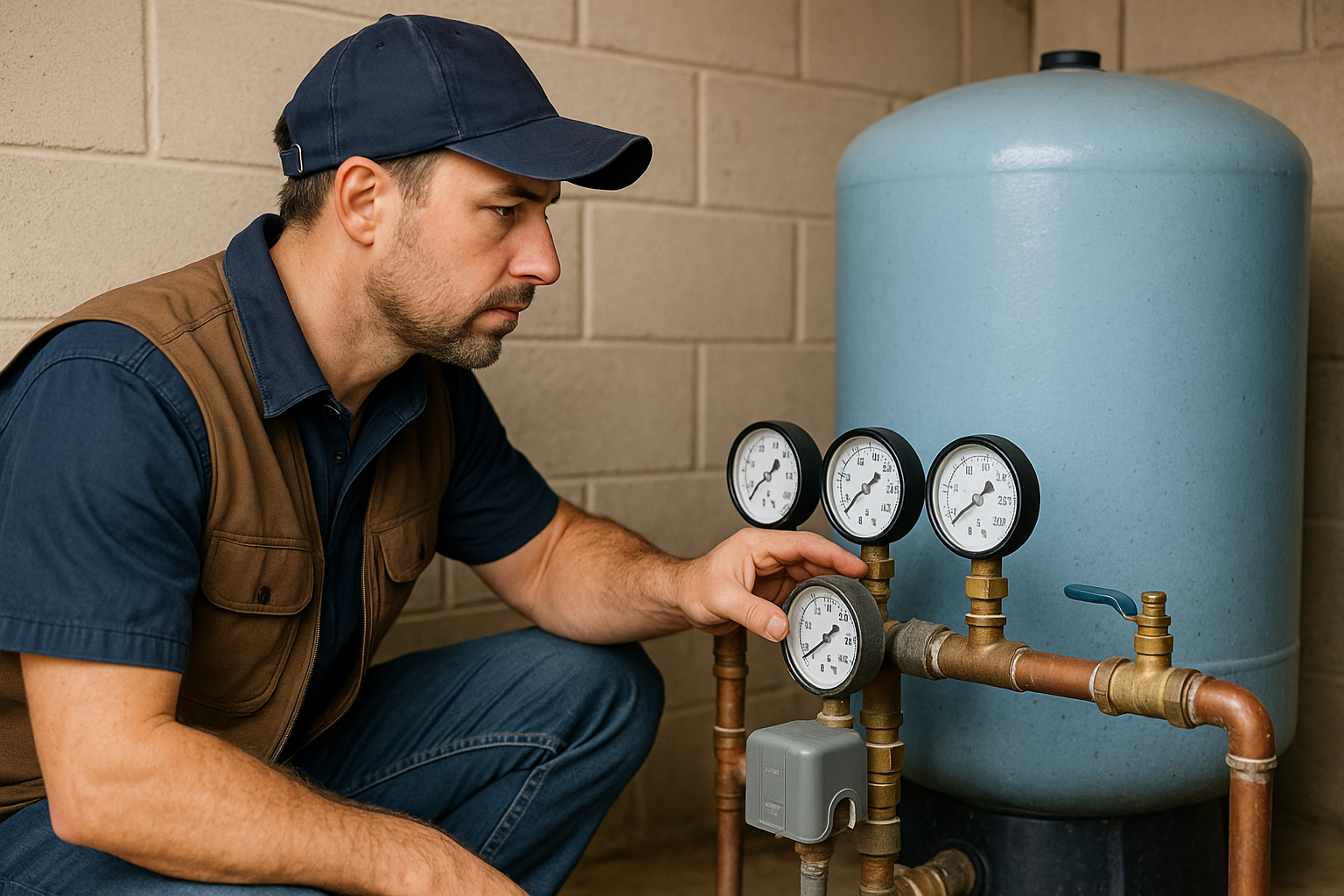
Well Pressure Switch: Settings, Adjustment & Replacement
Everything about pressure switches
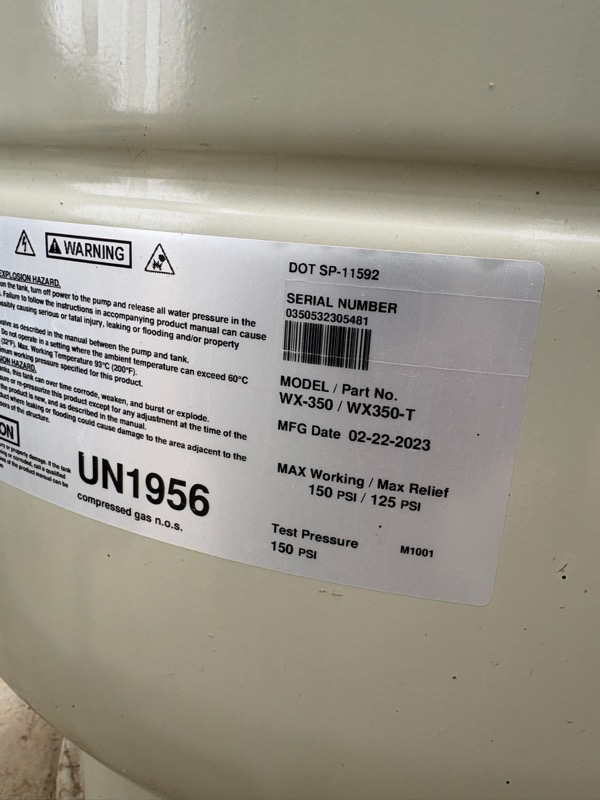
Pressure Tank Maintenance: Complete Guide
Keep your pressure tank working properly
Low Water Pressure Solutions for Fallbrook's Well Owners
Fallbrook calls itself the Avocado Capital of the World, and for good reason. This rolling stretch of northern San Diego County, set among the granite hills between Bonsall, Rainbow, De Luz, and the Santa Margarita River, is covered in avocado and citrus groves, horse ranches, and rural homesteads, a great many of which depend entirely on private wells. With agriculture, livestock, and large landscaped lots all pulling from those wells, Fallbrook homeowners feel low water pressure more sharply than most: a weak well does not just spoil a shower, it can stress an entire grove. Southern California Well Service has founded in 2020 of C-57 licensed experience drilling, servicing, and rescuing wells across San Diego County, and we understand the deep, hard-working wells that keep Fallbrook green.
How a Fallbrook Well System Builds Pressure
Most Fallbrook properties run a fairly deep submersible pump, since the granitic terrain here often means wells reaching several hundred feet to find reliable water in the rock fractures. That pump lifts water to the surface and into a pressure tank, where a cushion of compressed air behind a bladder stores energy. As you draw water, the air pushes it through your lines, and a pressure switch tells the pump to cut in around 40 PSI and cut out around 60 PSI. On the large lots common in Fallbrook, the distance from the wellhead to the house and groves adds another variable, since long runs of pipe and significant elevation change can each shave off pressure. When pressure sags, the cause lies somewhere in this chain: pump, tank, switch, or the often lengthy plumbing that ties them together.
Why Fallbrook Wells Run Low on Pressure
Fallbrook's granitic and decomposed-granite geology stores groundwater in fractures within the bedrock, which makes yields variable and sensitive to drought, and the region's hard, mineral-laden water is tough on equipment. Those realities produce a distinct set of pressure problems for local well owners:
- Deep-set pump wear: The deep submersible pumps Fallbrook wells rely on work hard against significant lift. After a decade or more, worn impellers drop output, and pressure fades first at the most distant or highest fixtures, including grove irrigation.
- Pressure tank failure: A ruptured bladder or lost air charge makes the pump short-cycle and the pressure swing, a frequent issue on the older systems common to long-established Fallbrook ranches.
- Pressure switch trouble: Corroded contacts or low settings can leave the whole property running under-pressured.
- Heavy scale buildup: Fallbrook's hard water lays down stubborn calcium and iron scale that narrows pipe and clogs the filters and emitters that groves and gardens depend on.
- Seasonal yield decline: In dry years, fractured granite wells can drop in level, and with heavy agricultural demand the pressure can sag badly through the afternoon before recovering at night.
- Leaks in long supply lines: The lengthy buried runs across Fallbrook acreage are prime spots for hidden leaks that quietly bleed off pressure and run the pump longer than it should.
Checks to Run on Your Own First
Several safe checks can narrow the problem before a service call:
- Watch the tank gauge. Through a normal cycle it should swing between roughly 40 and 60 PSI. A gauge that barely moves, or a pump cycling every few seconds, is important information.
- Test house versus grove. Note whether low pressure affects the whole property, just the house, or just the irrigation. That split tells us a great deal about where the restriction sits.
- Check the tank air charge. With the pump off and tank drained, the air valve should read about 2 PSI below the pump's cut-in pressure. Water at the valve means a failed bladder.
- Inspect filters and screens. Sediment and iron clog cartridges and irrigation filters quickly in Fallbrook; a fresh filter sometimes restores flow on its own.
- Listen at the wellhead. Grinding, rapid clicking, or a breaker that trips are signs to stop and call a professional.
When to Bring in a Professional
Call Southern California Well Service at (760) 440-8520 immediately if you lose water entirely, if pressure falls suddenly, if the pump never shuts off, if you hear grinding from a deep pump, or if low pressure arrives with sand, discoloration, or odor. On a Fallbrook property where a grove or livestock depend on the well, these problems carry real urgency, and they only worsen with time. We provide same-day emergency service throughout San Diego County and are well equipped for the deep wells and large systems Fallbrook demands.
Repair Costs for Fallbrook Wells
Costs depend on your system, and Fallbrook's deeper wells can sit at the higher end of some ranges, but here are honest current figures. A diagnostic visit is $125, credited toward any repair. A pressure switch runs $150 to $350. A correctly sized pressure tank runs $600 to $1,500. A well pump replacement, including labor, runs $2,500 to $5,500 depending on depth and horsepower, and deeper Fallbrook wells naturally trend higher within that band. Sediment filtration runs $300 to $900, while an iron, manganese, or softening system for the area's hard, often iron-rich water runs $1,500 to $3,500. A constant-pressure or booster system to deliver steady PSI across a large lot runs $2,000 to $4,500. If a well is beyond rehabilitation, a complete new turnkey well runs $18,000 to $42,000. We quote everything in writing first.
Protecting Your Fallbrook Well for the Long Haul
On a property where the well waters both your family and your grove, maintenance is an investment, not an expense. Have the pump and system inspected annually so wear is caught before harvest season. Check the pressure tank's air charge twice a year and keep it about 2 PSI below the pump's cut-in setting. Because Fallbrook water is hard and often carries iron, clean or replace filters every three to six months and consider treatment to protect pipes, pumps, and irrigation emitters. In drought years, manage grove irrigation schedules to avoid overdrawing a fractured-rock well during peak heat. Stay alert to early signs such as spitting faucets, dropping irrigation pressure, or rising pump run times, all of which let us intervene before a small fault turns into a dry grove.
Serving Fallbrook and the North San Diego County Backcountry
From our Ramona and Anza offices, our crews reach Fallbrook and the surrounding communities of Bonsall, Rainbow, De Luz, Pala, and the broader north San Diego County backcountry with ease. Because we have worked these granite hills for decades, we already understand the deep wells, the fracture-stored groundwater, and the hard water that define Fallbrook agriculture, so we spend less time diagnosing and more time getting your pressure, and your grove, back to full strength.
Agricultural Demand and Constant-Pressure Solutions
Fallbrook's defining challenge is that one well often has to serve two very different jobs at once: domestic use inside the home and heavy, sustained irrigation across acres of avocado and citrus. Conventional pressure-tank systems were designed for household demand, and they can struggle when a grove's drip lines and a couple of bathrooms all draw at the same time, leaving you with sagging pressure right when you need it most. This is where a constant-pressure, variable-frequency-drive system earns its keep. Instead of cycling between a low cut-in and a high cut-out, it continuously matches pump speed to demand, holding a steady PSI whether you are running one faucet or the whole irrigation block. For Fallbrook properties balancing a home and a working grove, this upgrade frequently solves chronic pressure complaints that no amount of tank tinkering ever could, and we size it specifically to your acreage, well yield, and crop needs.