
Low Water Pressure Solutions in Good Hope
Dealing with weak water pressure in Good Hope? Low water pressure can make showers frustrating and appliances ineffective. Our team diagnoses the root cause and restores your water pressure fast.
📋 In This Guide
Need Low Water Pressure Solutions in Good Hope?
We serve Good Hope and all of Riverside County. Licensed C-57 contractor (CSLB #1086994), founded 2020.
Call: (760) 440-8520Our Low Water Pressure Solutions Services
- Pressure tank repair and replacement
- Pressure switch adjustment
- Pump upgrades for better pressure
- Constant pressure systems
- Booster pump installation
- Clogged pipe diagnosis
- Well yield testing
- Complete system evaluation
Why Good Hope Chooses SCWS
✓ Local Expertise
We know Riverside County geology and wells
✓ Fast Response
Same-day service for Good Hope
✓ Fair Pricing
Honest quotes, no surprises
✓ Quality Work
CSLB #1086994 · founded 2020
Our Locations
Related Articles
Continue learning about well maintenance and troubleshooting
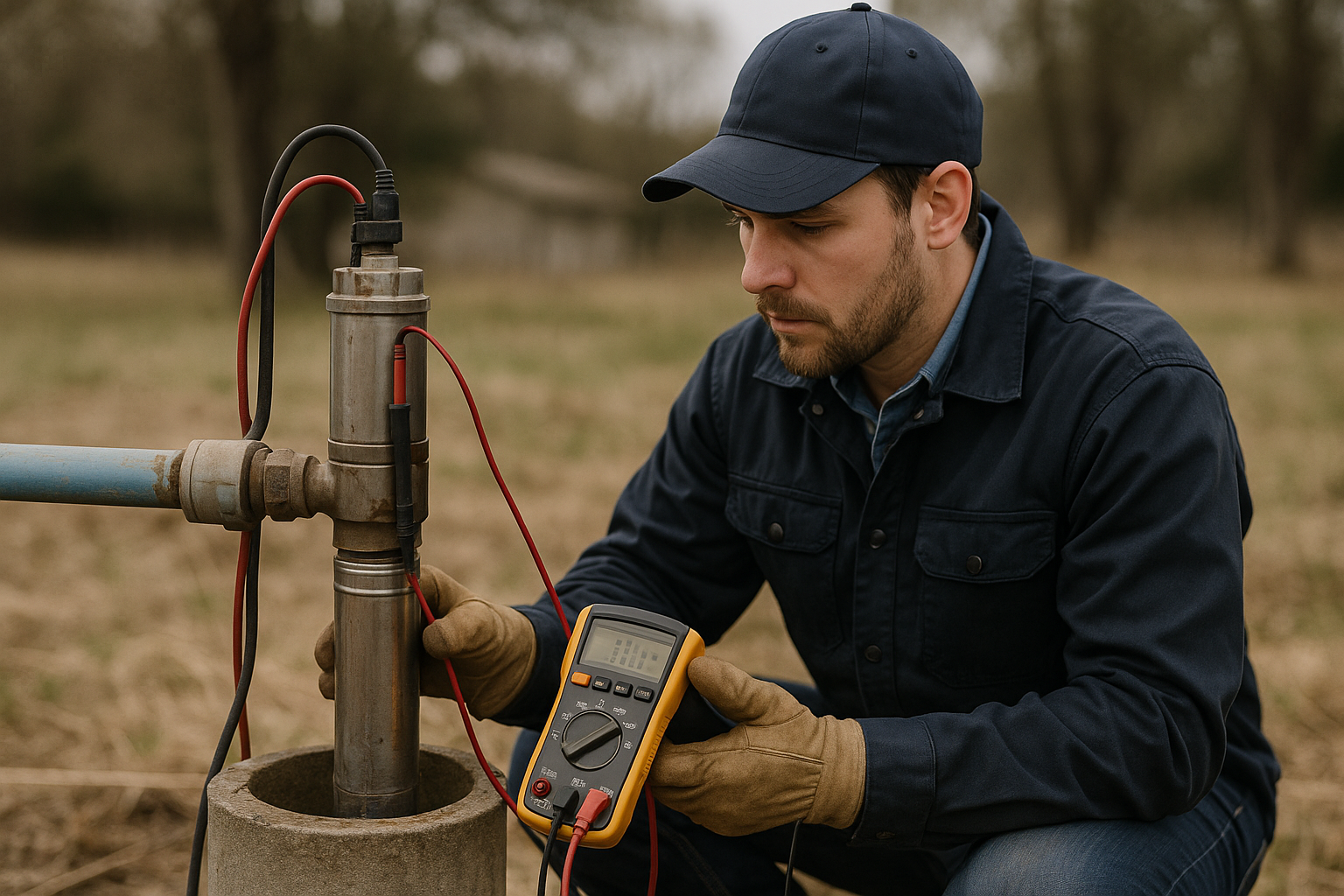
Low Water Pressure From Well: Complete Fix Guide
Diagnose and solve low pressure problems
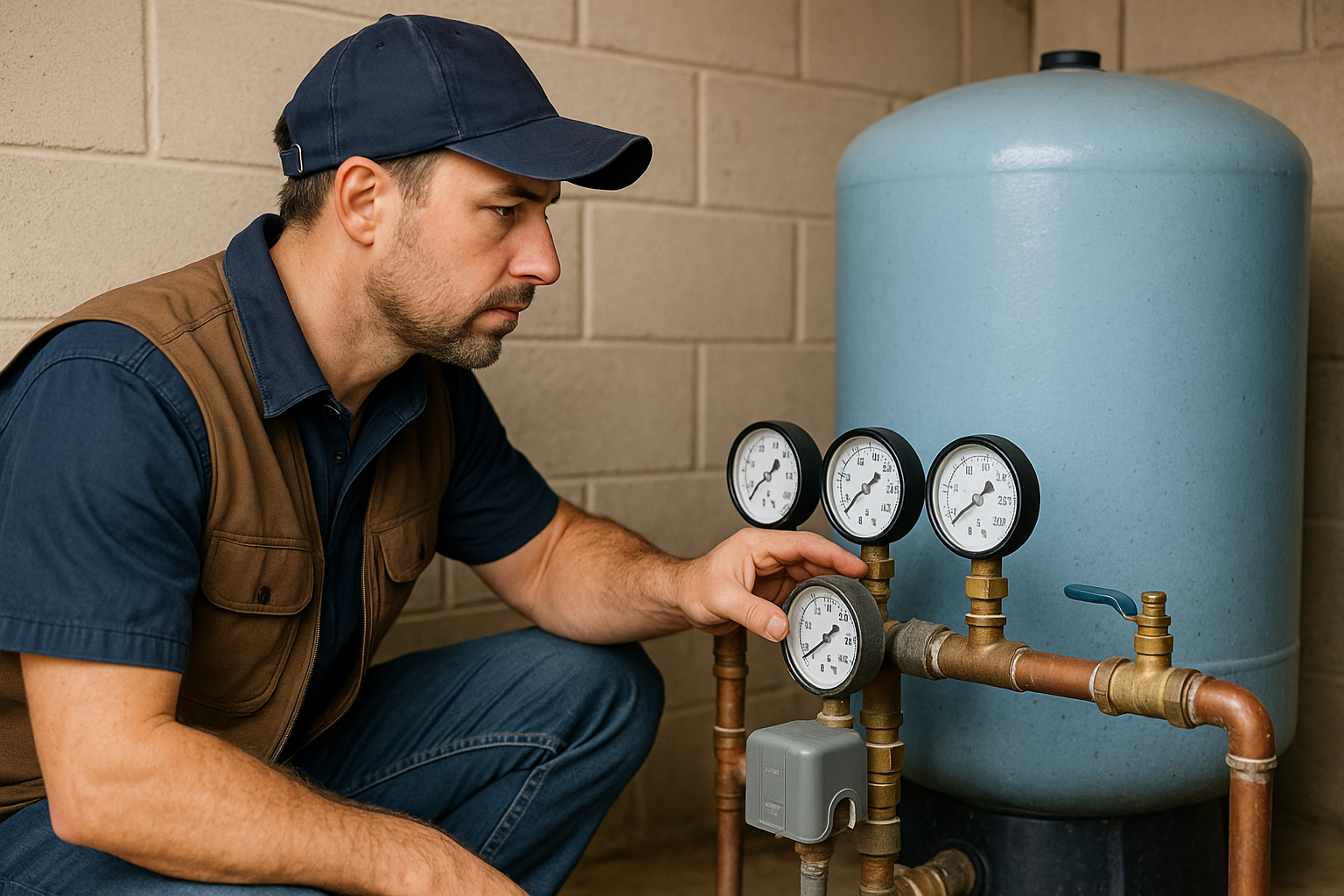
Well Pressure Switch: Settings, Adjustment & Replacement
Everything about pressure switches
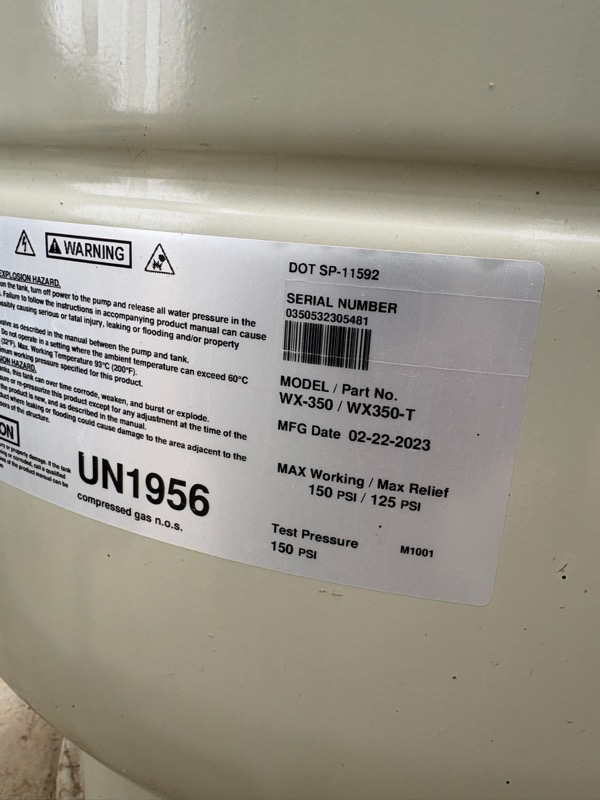
Pressure Tank Maintenance: Complete Guide
Keep your pressure tank working properly
Low Water Pressure Solutions for Good Hope Well Owners
Good Hope is a rural community in Riverside County, tucked along State Route 74 just west of Perris and east of Lake Elsinore, between the Mead Valley and Menifee areas. This is genuine horse country: large lots, corrals and outbuildings, room to spread out, and a strong tradition of self-reliance, which is exactly why so many Good Hope households depend on a private well rather than a municipal line. When that well delivers weak pressure, it touches everything, from the morning shower to the livestock troughs to the garden, and it needs to be fixed right. Southern California Well Service has founded in 2020 of C-57 licensed experience keeping rural Riverside County wells running strong, and we understand the demands that a working Good Hope property places on its water system.
How Your Well Builds and Holds Pressure
A private well system is a simple, reliable loop once you see how it fits together. A submersible pump sits down in the well casing and lifts groundwater to the surface, where it flows into a pressure tank. The tank holds a cushion of compressed air behind a rubber bladder; filling the tank squeezes that air, and opening a faucet lets the air push the water back out through your plumbing. A pressure switch watches the tank and tells the pump to start near 40 PSI and stop near 60 PSI, so you get steady pressure without the pump cycling constantly. On a spread-out Good Hope property, the distance from the well to the house, barn, and troughs adds long pipe runs to the picture. When pressure drops, the cause sits somewhere in this chain: the pump, the tank, the switch, or the plumbing between them.
What Causes Low Pressure on Good Hope Properties
Good Hope's groundwater is held in a mix of alluvial sediments and fractured granitic bedrock typical of the inland Riverside County valleys, which makes well yields variable and sensitive to drought, and the region's hard water is rough on equipment. On a rural property with livestock and irrigation demand, those factors add up to a recognizable set of pressure problems:
- Worn well pump: A submersible pump that has run for 10 to 15 years, especially one feeding a property with heavy livestock and irrigation use, loses output as its impellers wear, and weak pressure at the most distant fixtures is usually the first sign.
- Pressure tank failure: A ruptured bladder or lost air charge makes the pump short-cycle and the pressure surge and fade, a common fix on the older systems found across rural Good Hope.
- Pressure switch problems: Corroded contacts or settings that have drifted low leave the whole property running under-pressured.
- Scale and sediment: Good Hope's hard water deposits calcium scale, and many area wells carry sediment that clogs filters and the screens on troughs and irrigation, choking flow.
- Seasonal yield decline: In the dry Riverside County summer, a fracture-fed well can drop in level, and with livestock and garden demand the pressure can sag through the afternoon before recovering overnight.
- Leaks in long rural lines: The lengthy buried runs to barns, corrals, and far fields are common spots for hidden leaks that quietly bleed off pressure and run the pump longer than it should.
Checks You Can Do Yourself First
A few safe checks can narrow the problem before you call:
- Watch the tank gauge. Through a cycle it should swing between roughly 40 and 60 PSI. A gauge that barely moves or a pump cycling every few seconds is worth noting.
- Test the whole property. Note whether low pressure hits the house, the barn, or the irrigation, or all of them. That pattern tells us a lot about where the restriction is.
- Check the tank air charge. With the pump off and tank drained, the air valve should read about 2 PSI below the pump's cut-in pressure. Water at the valve means a failed bladder.
- Inspect filters and trough screens. Sediment clogs cartridges and screens fast on rural wells; clearing them sometimes restores flow on its own.
- Listen at the wellhead. Grinding, rapid clicking, or a tripping breaker mean it is time to call a professional.
When to Call a Professional
Call Southern California Well Service at (760) 440-8520 right away if you lose water entirely, if pressure drops suddenly, if the pump never shuts off, if you hear grinding at the wellhead, or if low pressure comes with sand, discoloration, or odor. On a Good Hope property where livestock depend on the well, these problems carry real urgency, and they only get worse and more expensive the longer they run. We provide same-day emergency service across Riverside County and are equipped for the demands of rural Good Hope wells.
Repair Costs in Good Hope
Pricing depends on your system, but these are honest current ranges. A diagnostic visit is $125, credited toward any repair. A pressure switch runs $150 to $350. A correctly sized pressure tank runs $600 to $1,500. A well pump replacement, including labor, runs $2,500 to $5,500 depending on depth and horsepower. Sediment filtration, which many Good Hope wells benefit from, runs $300 to $900, while an iron, manganese, or softening system for the area's hard water runs $1,500 to $3,500. A constant-pressure or booster system that holds steady PSI across a large rural lot runs $2,000 to $4,500. If a well has reached the end of its life, a complete new turnkey well runs $18,000 to $42,000. We quote everything in writing before we begin.
Keeping a Rural Good Hope Well Reliable
On a property where the well waters your family and your animals, maintenance is essential. Have the pump and system inspected once a year so wear is caught before the summer demand peak. Check the pressure tank's air charge twice a year and keep it about 2 PSI below the pump's cut-in setting. Because Good Hope water is hard and often carries sediment, clean or replace filters every three to six months and consider treatment to protect pipes, pump, and trough screens. In dry months, manage irrigation and stagger heavy use to avoid overdrawing a fracture-fed well. Stay alert to early signs such as spitting faucets, dropping trough pressure, or rising pump run times, all of which let us step in before a small fault leaves your animals without water.
Serving Good Hope and the Surrounding Riverside County Communities
From our offices in Ramona and Anza, our crews reach Good Hope and the neighboring communities of Perris, Mead Valley, Meadowbrook, Lake Elsinore, Menifee, and the broader inland Riverside County area without delay. Because we have served these rural valleys for decades, we already understand the fracture-fed wells, the variable yields, and the hard water that define Good Hope properties, so we spend less time diagnosing and more time restoring strong, dependable pressure, usually on the very first visit.