
Low Water Pressure Solutions in Grand Terrace
Dealing with weak water pressure in Grand Terrace? Low water pressure can make showers frustrating and appliances ineffective. Our team diagnoses the root cause and restores your water pressure fast.
📋 In This Guide
Need Low Water Pressure Solutions in Grand Terrace?
We serve Grand Terrace and all of San Bernardino County. Licensed C-57 contractor (CSLB #1086994), founded 2020.
Call: (760) 440-8520Our Low Water Pressure Solutions Services
- Pressure tank repair and replacement
- Pressure switch adjustment
- Pump upgrades for better pressure
- Constant pressure systems
- Booster pump installation
- Clogged pipe diagnosis
- Well yield testing
- Complete system evaluation
Why Grand Terrace Chooses SCWS
✓ Local Expertise
We know San Bernardino County geology and wells
✓ Fast Response
Same-day service for Grand Terrace
✓ Fair Pricing
Honest quotes, no surprises
✓ Quality Work
CSLB #1086994 · founded 2020
Our Locations
Related Articles
Continue learning about well maintenance and troubleshooting
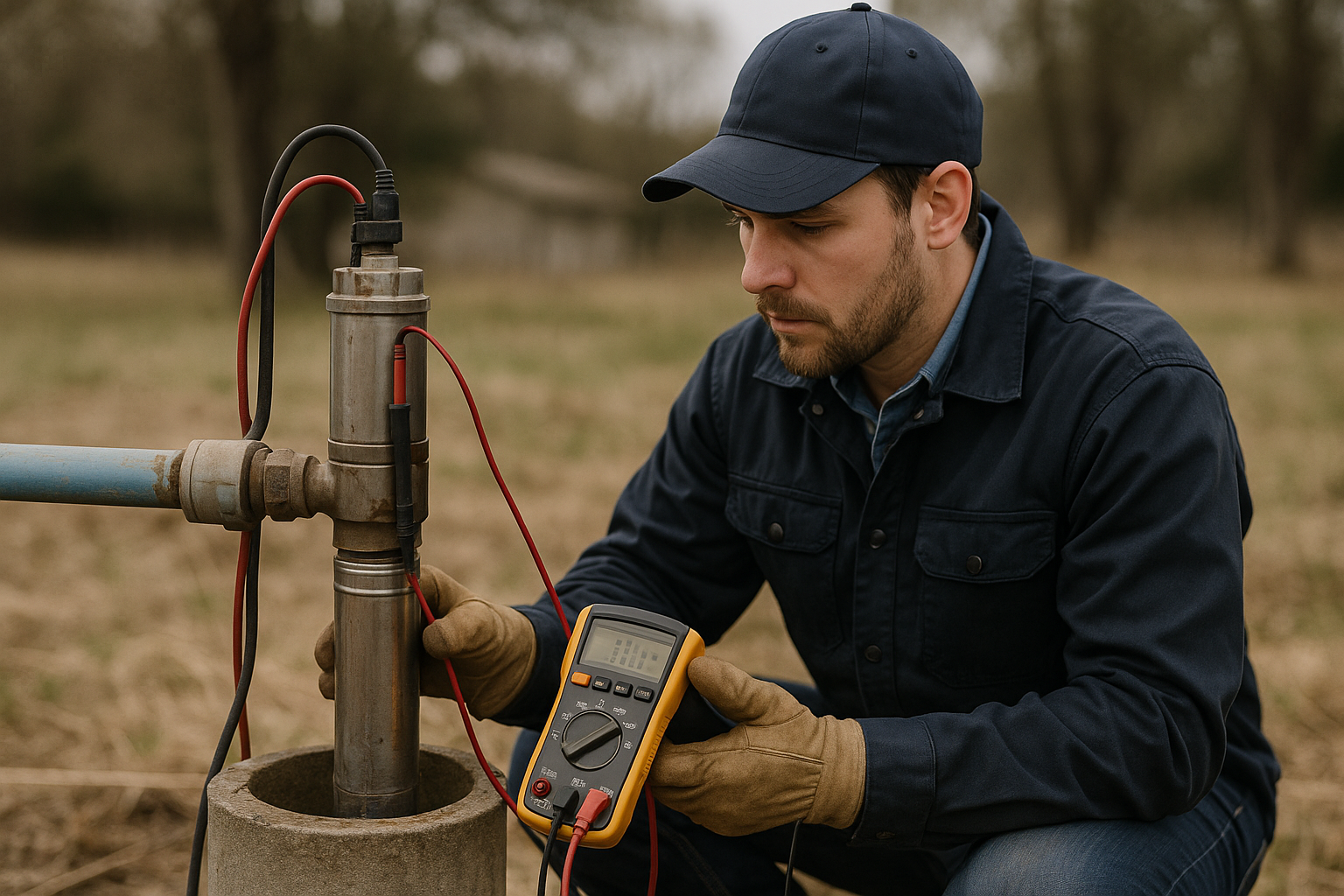
Low Water Pressure From Well: Complete Fix Guide
Diagnose and solve low pressure problems
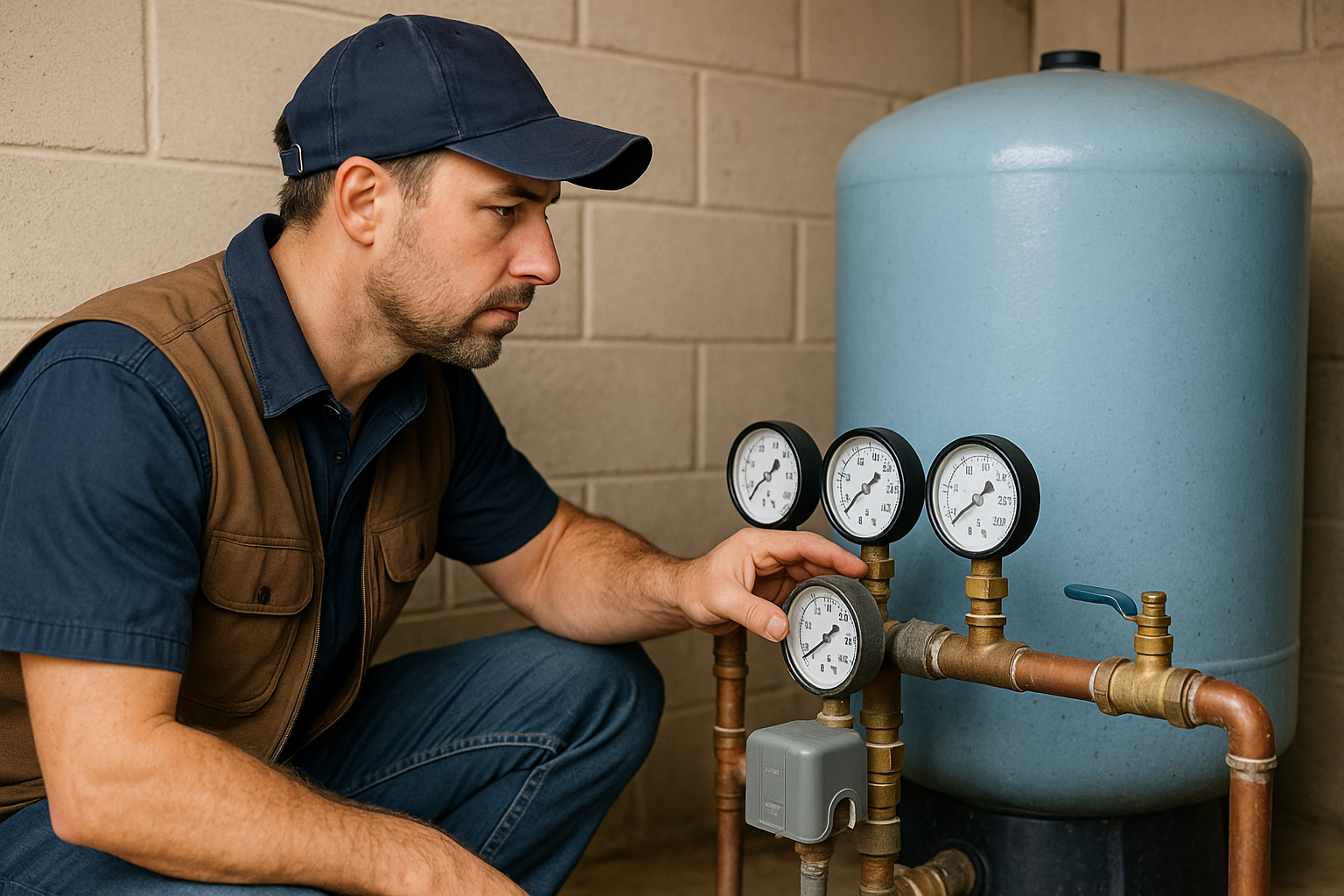
Well Pressure Switch: Settings, Adjustment & Replacement
Everything about pressure switches
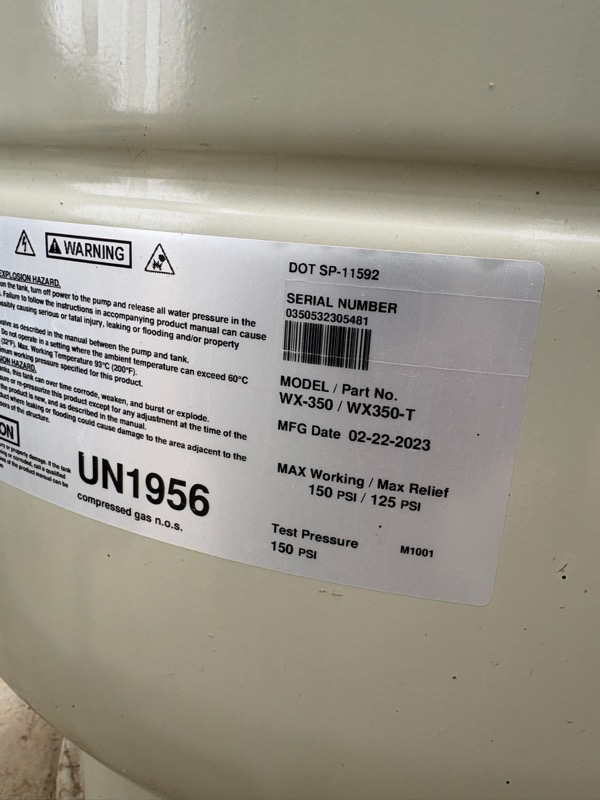
Pressure Tank Maintenance: Complete Guide
Keep your pressure tank working properly
Low Water Pressure Solutions for Grand Terrace Properties
As a Grand Terrace property owner with a private well, you depend on your water system every day. Located in a small city in San Bernardino County between Riverside and Colton, Grand Terrace faces specific geological and environmental factors that impact well performance. These unique conditions require experienced, local technicians who understand the region’s challenges. At Southern California Well Service (SCWS), founded in 2020, with 60+ years of family heritage, we’re dedicated to resolving your low water pressure issues with customized solutions. Contact us at (760) 440-8520 for fast, reliable assistance.
Why Local Expertise Matters in Grand Terrace
Generic well companies from outside San Bernardino County often lack the insight needed to address the region’s diverse terrain. Grand Terrace, positioned between Riverside and Colton, deals with specific hydrological challenges due to its location near urban zones while retaining rural well systems. Well depths, water table levels, and soil compositions vary widely even within this small city. A technician with knowledge of Grand Terrace’s conditions can quickly diagnose issues, determine if they’re related to local geology or equipment, and provide effective solutions right from the start.
What Sets SCWS Apart
- Local Presence — With offices in Ramona and Anza, we offer rapid response times to Grand Terrace.
- Full-Service — We manage all aspects of well systems, from drilling to pump repair to water treatment.
- Licensed C-57 — As a certified well drilling contractor (CSLB #1086994), we provide expertise beyond typical plumbing services.
- Fair Pricing — We deliver transparent assessments and avoid unnecessary upsells.
- Emergency Service — Same-day response for urgent situations like total water loss.
Understanding Low Water Pressure in Grand Terrace: Local Geology
Grand Terrace lies in San Bernardino County, characterized by alluvial deposits along the Santa Ana River basin, overlaying sedimentary and granitic bedrock. This geology significantly influences well water systems in the following ways:
- Alluvial Aquifers: The area’s surface layer of alluvial soil, sand, and gravel hosts shallow aquifers with variable water storage, leading to inconsistent yield and pressure, especially during dry seasons.
- Bedrock Constraints: Beneath the alluvium, fractured sedimentary and granitic rock can limit deeper aquifer capacity or become clogged with sediment, restricting water flow to wells.
- Urban Proximity Impact: Grand Terrace’s location near urban centers like Riverside and Colton can influence groundwater levels due to regional water extraction, potentially lowering water tables and affecting well pressure.
- Hard Water Presence: Groundwater often contains high levels of minerals like calcium and magnesium from both alluvial and bedrock sources, contributing to equipment wear and scale buildup.
These geological and regional factors are crucial to diagnosing and resolving low water pressure in Grand Terrace. SCWS brings extensive experience with the Inland Empire’s diverse landscapes, ensuring we target the specific causes impacting your well system.
Common Causes of Low Water Pressure in Grand Terrace
Low water pressure in Grand Terrace can result from various issues, often tied to the local environment or equipment wear. Based on our decades of service in the region, we’ve identified the following frequent culprits:
- Pump Failures from Mineral Buildup: Hard water prevalent in Grand Terrace leads to scale accumulation in pumps, reducing their efficiency and ability to maintain pressure over time.
- Pressure Tank Problems: Mineral deposits also affect pressure tanks, causing sediment buildup or bladder failure, which hinders the system’s ability to regulate pressure effectively.
- Low Well Yield During Droughts: Southern California’s arid climate, combined with regional water demand in the Inland Empire, stresses wells, particularly those in shallow alluvial aquifers, resulting in pressure drops.
- Clogged Pipes or Well Screens: Sediment from alluvial deposits and hard water scale can obstruct pipes or well intakes, limiting water flow to your home.
- Electrical Issues: Power fluctuations, sometimes experienced near urban areas like Grand Terrace, can disrupt pump operation, leading to inconsistent or weak pressure.
- Leaks Due to Ground Disturbance: Proximity to development or infrastructure between Riverside and Colton can cause ground shifts, leading to hidden leaks in pipelines that reduce pressure before water reaches your taps.
Diagnosing Low Water Pressure in Grand Terrace
Identifying the cause of low water pressure in an area like Grand Terrace, with its mix of rural wells and urban proximity, requires a tailored, systematic approach. SCWS uses a detailed diagnostic process to uncover the root issue:
- Initial Discussion: We start by collecting information on your situation—when the pressure drop began, if it’s constant or intermittent, and whether there are unusual pump noises. This narrows down potential causes.
- Pressure Measurement: Using specialized gauges, we test pressure at various points (wellhead, pressure tank, and household taps) to pinpoint where the loss occurs, considering local aquifer dynamics.
- Pump Evaluation: We inspect the pump for wear, mineral buildup, or electrical faults, ensuring it’s suited for Grand Terrace’s well depths and demand levels.
- Pressure Tank Inspection: We check the tank for proper air charge, bladder condition, and sediment accumulation, issues often worsened by hard water in the area.
- Well Yield Testing: Especially important near urban zones, we measure the well’s flow rate to determine if aquifer depletion or high regional demand is reducing supply and pressure.
- Pipeline and Filter Assessment: We examine pipes, fittings, and filters for blockages or leaks, often caused by alluvial sediment or mineral scale in Grand Terrace’s water.
- Water Quality Analysis: Given the region’s hard water, we test for mineral content, iron, and other factors that might contribute to clogs or equipment corrosion.
Our thorough diagnostics ensure we address the actual source of your pressure issues, avoiding wasted time and expense in Grand Terrace’s unique setting.
Solutions for Low Water Pressure in Grand Terrace (With Costs)
Once we’ve determined the cause, SCWS offers targeted solutions for Grand Terrace’s specific environmental and regional challenges. Below are common fixes with estimated costs (as of 2026, subject to variation based on system details and labor rates):
- Pump Repair or Replacement: If hard water scale or wear is the issue, pump repair costs $500–$800, including parts and labor. Replacement with a new pump suited for Grand Terrace’s wells (often 100–300 feet deep) ranges from $1,500–$2,500.
- Pressure Tank Replacement: A failing tank disrupts pressure cycles. Replacing a standard 20–40 gallon tank costs $600–$1,200, while larger tanks for growing households may run $1,500–$2,000.
- Constant Pressure System Installation: For consistent pressure despite fluctuating aquifer levels, a variable frequency drive (VFD) system adjusts pump speed dynamically, costing $2,000–$3,500, ideal for Grand Terrace’s variable demand.
- Booster Pump Addition: If well yield is sufficient but pressure at the house is low due to distance or elevation, a booster pump helps. Installation costs $800–$1,500, depending on the model.
- Pipe and Filter Cleaning/Replacement: Clearing clogs from sediment or scale costs $300–$800. We may recommend a water softener ($1,000–$2,000) to prevent future buildup from Grand Terrace’s hard water.
- Well Rehabilitation: For low yield due to clogged fractures or sediment in alluvial aquifers, techniques like hydro-fracturing can increase flow. This costs $3,000–$5,000 but can improve pressure significantly if aquifer depletion isn’t severe.
- Pressure Switch Adjustment or Replacement: A misadjusted switch can cause pressure issues. Adjustment is often included in a $150–$250 service call, while replacement costs $200–$400.
All costs are provided upfront with detailed quotes to ensure transparency. SCWS prioritizes cost-effective solutions tailored to Grand Terrace, ensuring you get the best value for restoring water pressure.
Maintenance Tips to Prevent Low Water Pressure in Grand Terrace
Regular maintenance is key to preventing low water pressure and extending the life of your well system, especially in an area like Grand Terrace with hard water and regional water demand pressures. SCWS offers these practical tips:
- Check Pressure Tank Air Charge Monthly: Use a tire pressure gauge to confirm the air charge matches the manufacturer’s spec (usually 2 PSI below pump cut-in pressure). Incorrect charge leads to rapid cycling and pressure loss.
- Flush Sediment Annually: Drain your pressure tank and flush household pipes yearly to remove alluvial sediment and mineral scale common in Grand Terrace, preventing flow restrictions.
- Inspect Pump and Electrical Connections: Watch for unusual noises or power issues, which can occur near urban areas. Schedule professional inspections every 1–2 years ($150–$300).
- Monitor Water Use During Peak Demand: Reduce non-essential usage during droughts or high community demand to avoid overtaxing your well. Consider a storage tank ($1,000–$2,500) to buffer supply.
- Install a Water Softener or Filter: Treat hard water at the source with a softener ($1,000–$2,000) to reduce mineral buildup in pumps and tanks, a frequent issue in Grand Terrace.
- Check for Leaks: Inspect exposed pipes and look for wet spots around your property. Ground disturbance from nearby development can cause leaks that reduce pressure over time.
SCWS provides maintenance plans starting at $200/year, including annual inspections and priority service, customized to Grand Terrace’s unique blend of rural and urban-influenced challenges.
When to Call a Professional in Grand Terrace
While some maintenance tasks can be handled on your own, certain situations in a community like Grand Terrace require professional expertise. Contact SCWS at (760) 440-8520 if you encounter:
- Sudden Pressure Drop: A significant loss of pressure may indicate pump failure, a major leak, or aquifer depletion—issues needing immediate diagnostic equipment.
- No Water Flow: If taps run dry, don’t delay. This could signal a failed pump or critically low well yield, and waiting risks further damage.
- Strange Noises from Pump or Tank: Grinding, clicking, or frequent cycling suggests mechanical or electrical problems that require expert attention to avoid breakdowns.
- Visible Water Quality Issues with Low Pressure: Cloudy water, iron staining, or odors alongside pressure drops may indicate sediment intrusion or aquifer changes, requiring testing and potential well work.
- Persistent Issues After DIY Fixes: If adjusting the pressure switch or flushing pipes doesn’t restore pressure, deeper issues like clogged aquifers or failing equipment are likely.
SCWS offers same-day emergency service in Grand Terrace, ensuring you’re not left without water. Founded in 2020, with 60+ years of family heritage and a dedication to quality (CSLB #1086994), we’re your trusted partner for resolving low water pressure.
Why Choose SCWS for Grand Terrace Low Water Pressure Solutions?
At Southern California Well Service, we understand the specific challenges of maintaining well water systems in areas like Grand Terrace, between Riverside and Colton in San Bernardino County. Our proximity, with offices in Ramona and Anza, means we’re just a call away at (760) 440-8520. Our CSLB #1086994 reflects the trust of hundreds of customers across Riverside and San Bernardino Counties who rely on us for:
- Expertise in Local Geology: We know how alluvial deposits and underlying bedrock affect wells near urban zones in the Inland Empire.
- Comprehensive Services: From diagnostics to full system upgrades, we handle every aspect of your well.
- Customer-First Approach: Transparent pricing, no unnecessary upsells, and rapid emergency response.
Don’t let low water pressure disrupt your daily life in Grand Terrace. Whether it’s a quick repair or a complex well rehabilitation, SCWS is here to restore your water flow efficiently and affordably. Call us today at (760) 440-8520 to schedule a service or request a free estimate.
Frequently Asked Questions
Why does my Grand Terrace well lose pressure even though the city sits in the Santa Ana River valley?
Grand Terrace sits on alluvial valley soils near the Santa Ana River and Blue Mountain, where shallow aquifers in this part of San Bernardino County can fluctuate seasonally. Even though the river basin holds water, semi-arid conditions and regional demand from neighboring Colton and Riverside draw down water tables, so your pump may struggle to maintain pressure during dry months. We test your specific well yield to confirm whether the drop is aquifer-related or equipment-related.
Most of Grand Terrace is on municipal water - who actually has a private well here?
You're right that many Grand Terrace homes connect to municipal water. Private wells in this small San Bernardino County city are typically found on older or rural parcels, larger lots near Blue Mountain, and properties along the city's edges toward the Santa Ana River. If you have a well on your property, we service it the same way we serve well owners throughout the Inland Empire, with a $125 diagnostic that is credited toward any repair.
How deep are wells in the Grand Terrace area, and does depth affect my water pressure?
Wells in and around Grand Terrace generally run between 150 and 400 feet, depending on parcel elevation and where the alluvial aquifer sits. Deeper wells require pumps that can lift water farther, which affects both flow and pressure. If your pump was undersized for your well's depth, you may see weak pressure at the house even when the well itself yields well. We match pump capacity to your specific depth during a system evaluation.
Does Grand Terrace's hard water cause low pressure in my well system?
Yes, frequently. Groundwater across the San Bernardino County alluvial valley is hard, carrying calcium and magnesium that scale up inside pumps, pressure tanks, and pipes over time. That buildup restricts flow and can mask itself as a pressure problem. A water softener runs about $1,500 to $3,500 installed, and sediment filtration runs $300 to $900 - both protect your equipment from the mineral load common in this area.
What will it cost to fix low water pressure at my Grand Terrace property?
It depends on the cause. Common Grand Terrace repairs include a pressure switch ($150 to $350), a pressure tank ($600 to $1,500), a pump replacement ($2,500 to $5,500), a constant-pressure or booster system ($2,000 to $4,500), and sediment filtration ($300 to $900). For low yield, hydrofracturing runs $3,000 to $8,000 and a new well runs $18,000 to $42,000. We start with a $125 diagnostic, credited toward your repair, and provide an upfront quote before any work begins.
Can you respond quickly to a Grand Terrace emergency from Ramona or Anza?
Yes. Southern California Well Service operates from offices in Ramona (1077 Main St) and Anza (57174 CA-371 (US Hwy 79)) and offers same-day emergency service to Grand Terrace and the surrounding Inland Empire. As a licensed C-57 well contractor founded in 2020, with 60+ years of family heritage, we can be reached at (760) 440-8520 or by text at (760) 219-5877 if you lose water pressure or flow.