
Low Water Pressure Solutions in Granite Hills
Dealing with weak water pressure in Granite Hills? Low water pressure can make showers frustrating and appliances ineffective. Our team diagnoses the root cause and restores your water pressure fast.
📋 In This Guide
Need Low Water Pressure Solutions in Granite Hills?
We serve Granite Hills and all of San Diego County. Licensed C-57 contractor (CSLB #1086994), founded 2020.
Call: (760) 440-8520Our Low Water Pressure Solutions Services
- Pressure tank repair and replacement
- Pressure switch adjustment
- Pump upgrades for better pressure
- Constant pressure systems
- Booster pump installation
- Clogged pipe diagnosis
- Well yield testing
- Complete system evaluation
Why Granite Hills Chooses SCWS
✓ Local Expertise
We know San Diego County geology and wells
✓ Fast Response
Same-day service for Granite Hills
✓ Fair Pricing
Honest quotes, no surprises
✓ Quality Work
CSLB #1086994 · founded 2020
Our Locations
Related Articles
Continue learning about well maintenance and troubleshooting
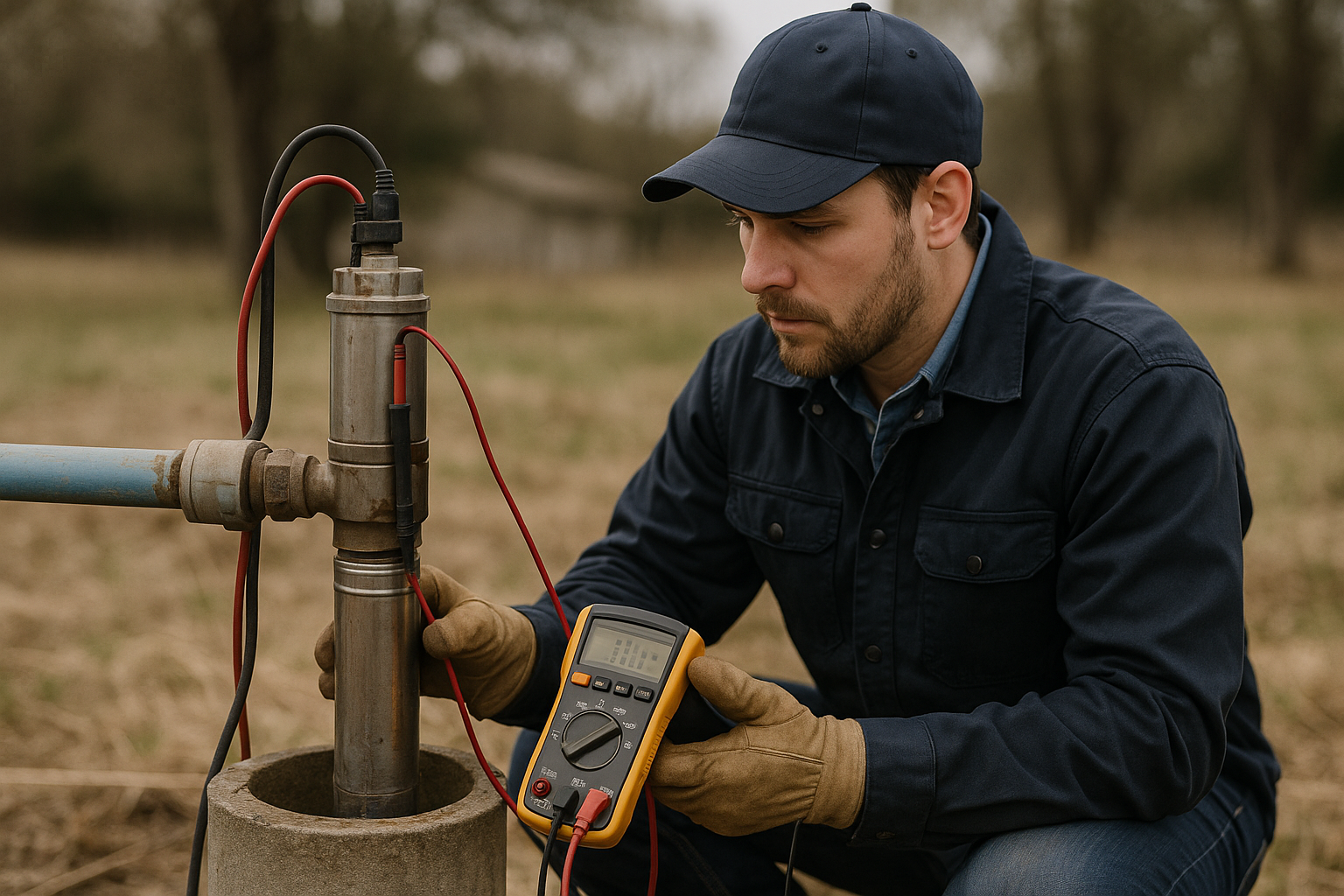
Low Water Pressure From Well: Complete Fix Guide
Diagnose and solve low pressure problems
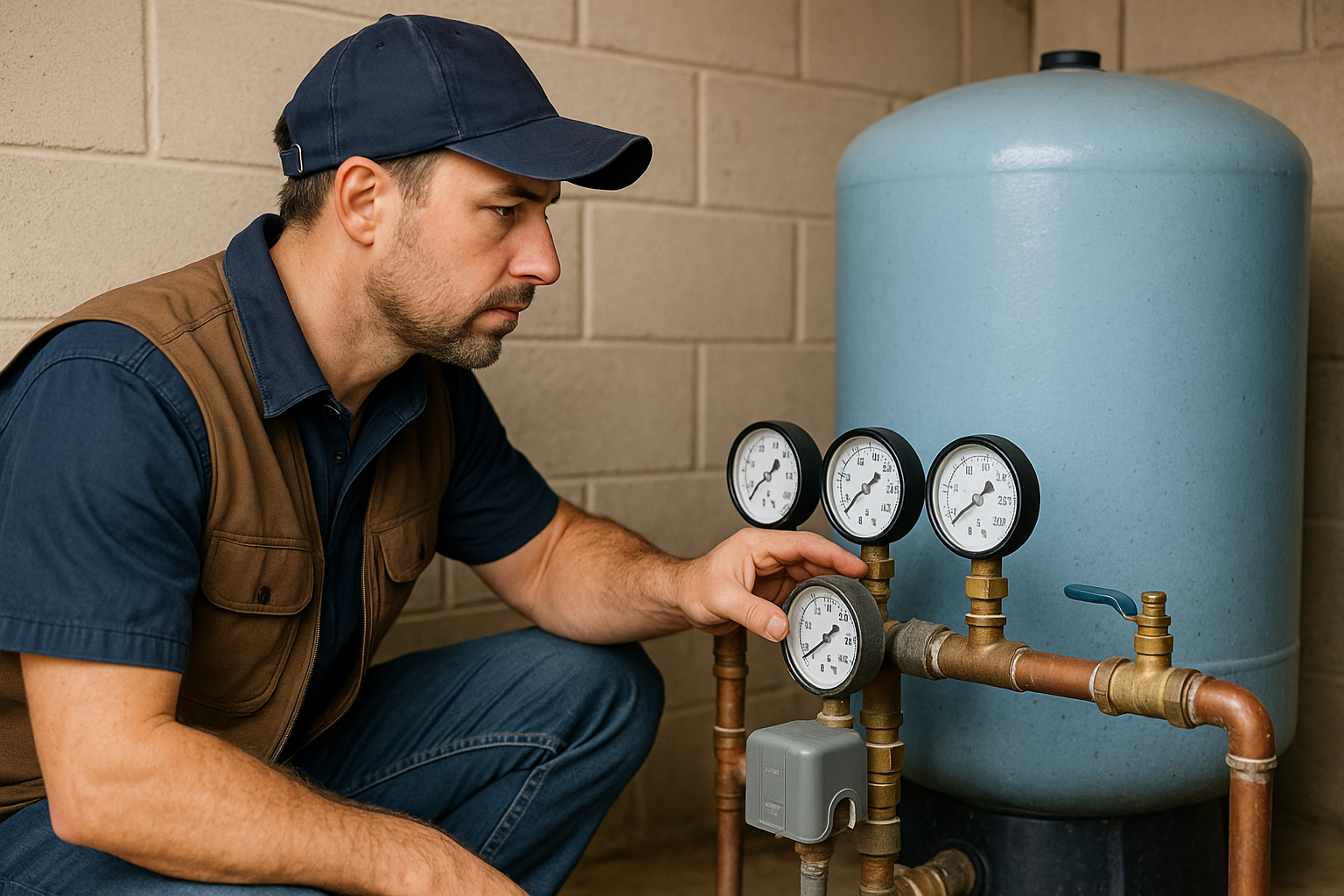
Well Pressure Switch: Settings, Adjustment & Replacement
Everything about pressure switches
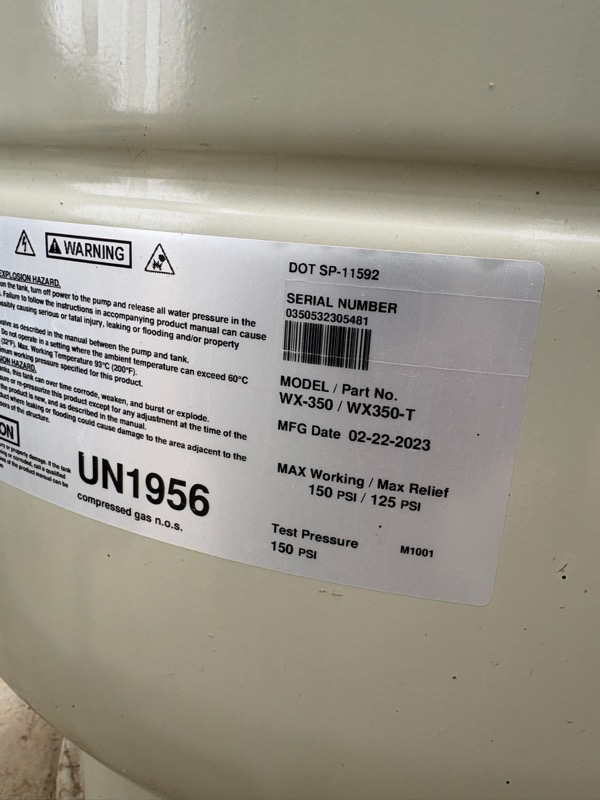
Pressure Tank Maintenance: Complete Guide
Keep your pressure tank working properly
Restoring Strong Well Water Pressure in Granite Hills
Granite Hills is a hillside community in eastern San Diego County, tucked just northeast of El Cajon between Bostonia, Crest, and the rural reaches of the Dehesa Valley. Many homes along Granite Hills Drive, Pebble Beach Drive, and the lanes off Greenfield draw their water from private wells sunk into the area's namesake granite. When that water arrives as a weak trickle instead of a strong stream, daily life stalls — showers go flat, washing machines crawl through cycles, and drip irrigation for the avocado and citrus that thrive on these slopes runs dry at the far emitters. Southern California Well Service has worked since 2020 restoring pressure for homeowners across this corner of the county, and we know how the local granite shapes the problem.
How Granite Hills Geology Shapes Your Water Pressure
The hills here are built on fractured granitic bedrock and a shallow blanket of decomposed granite. Unlike the deep sand-and-gravel basins of the coastal plain, this hard rock stores water only in cracks and seams. A well that hits a generous fracture can yield well; a neighbor 200 feet away may tap a tight zone and struggle. Typical Granite Hills wells run roughly 200 to 500 feet deep, and seasonal yield swings are common — strong after a wet winter, weaker through a dry autumn. The same granite gives the water a hard, mineral-rich character, so scale builds steadily on pump components, inside galvanized lines, and across pressure-tank fittings. Add the steep grade between many wellheads and the homes above them, and you have three forces working against pressure at once: limited fractured yield, mineral scale, and elevation lift.
Why Granite Hills Wells Lose Pressure
Across the service calls we run in this neighborhood, a handful of causes account for most low-pressure complaints:
- Worn or undersized pump: A submersible pump fighting scale buildup or set for a shallower water table than it now faces will deliver less and less over time. Impeller wear is gradual, so the decline often sneaks up on owners.
- Waterlogged pressure tank: When the bladder fails or the air charge bleeds off, the tank floods and the pump short-cycles — you feel that as pressure that surges then sags every few seconds.
- Scaled and clogged lines: Hard water lays down calcium and magnesium scale that narrows pipe diameter; decomposed-granite grit packs well screens and inline filters.
- Seasonal low yield: During drought stretches the fracture network drains faster than it recharges, and a well that once kept up now runs short during peak evening demand.
- Pressure switch drift: A miscalibrated or corroded switch never lets pressure climb to the proper cut-out, capping the whole system low.
- Elevation and long runs: Homes uphill of the wellhead lose roughly 1 PSI for every 2.3 feet of rise, so a tank at the bottom of a Granite Hills lot can leave the top of the house starved.
What You Can Check Before You Call
A few safe checks often point straight at the culprit:
- Read the pressure gauge at the tank. Healthy residential systems cycle between roughly 40 and 60 PSI. A reading stuck below 30 signals a real problem.
- Watch the pump cycle. If it snaps on and off every few seconds while a faucet runs, suspect the pressure tank.
- Test the tank air charge with a tire gauge on the top valve (power off, system drained) — it should sit about 2 PSI below cut-in, near 38 PSI for a 40/60 setup. Water spitting from that valve means a failed bladder.
- Compare indoor vs. outdoor taps. Good pressure at the hose bib but weak indoors points to a clogged whole-house filter or scaled interior lines.
- Clean a showerhead or aerator — on hard Granite Hills water these mineralize quickly and can mimic a system-wide problem.
When to Call a Professional
Stop and call us if taps sputter air, pressure falls below 20 PSI, the pump runs nonstop without building pressure, you hear grinding at the wellhead, or you see water or scorching near the control box. These point to pump failure, a dropping water level, or an electrical fault — none of which are safe DIY territory on a 230-volt well system. We offer same-day emergency response throughout Granite Hills.
Solutions and Realistic Costs
After a diagnostic visit (our $125 diagnostic is credited toward any repair we perform), we recommend the most cost-effective fix first. Typical Granite Hills ranges:
- Pressure switch replacement or recalibration: $150–$350.
- Pressure tank replacement (corrosion-resistant, sized to your pump): $600–$1,500.
- Submersible pump replacement sized to your well's depth and yield: $2,500–$5,500.
- Sediment filtration for granite grit: $300–$900.
- Iron/manganese treatment or a water softener for hard-water scale: $1,500–$3,500.
- Constant-pressure or booster system for hillside homes: $2,000–$4,500.
- Hydrofracturing to open fractures and lift a low-yield well: $3,000–$8,000.
- New turnkey well when an old bore is beyond rehab: $18,000–$42,000; decommissioning an abandoned well runs $1,500–$5,000.
Serving Granite Hills and the Surrounding Foothills
From our Ramona and Anza offices we reach Granite Hills quickly, along with neighboring Crest, Bostonia, Dehesa, Harbison Canyon, and the rest of east county. Our crews are licensed C-57 well-drilling contractors carrying CSLB #1086994 and 60+ years of family heritage. Whether you need a quick pressure-switch swap on Greenfield Drive or a full pump replacement up a steep Pebble Beach lot, we bring the local know-how to get your water flowing right.
How Your Granite Hills Well Pressure System Works
Understanding the parts helps you spot trouble early. Deep in the bore, a submersible pump lifts water from the granite fractures up to the surface. From there it feeds a pressure tank, which stores water against a cushion of compressed air so the pump does not have to run every time you open a tap. A pressure switch watches the tank and tells the pump when to cut in (commonly 40 PSI) and cut out (commonly 60 PSI). Downstream, sediment filters catch granite grit before it reaches your fixtures, and the household plumbing distributes the pressurized water through the home. When any one of these links weakens — a tired pump, a flooded tank, a drifting switch, a clogged filter, or a scaled line — you feel it as low pressure at the tap. Because Granite Hills wells draw from variable fractured rock, the pump and tank must be sized to the well's true depth and yield, not a one-size guess, which is where local experience pays off.
Maintenance That Protects Granite Hills Water Pressure
A little upkeep prevents most pressure emergencies on hard-water hillside wells. Check the pressure tank's air charge a couple of times a year and top it to about 2 PSI below cut-in. Flush an outdoor hydrant for several minutes each quarter to clear decomposed-granite sediment, and replace whole-house filter cartridges on schedule — they load faster here than in soft-water areas. Descale accessible fittings annually, since calcium and magnesium build quickly on this granite-fed water. Watch your well's behavior through the dry months: if taps begin to sputter or pressure dips in late summer, ease off heavy irrigation and book a yield test before the well runs short. Finally, an annual professional inspection — pump amperage, tank charge, switch calibration, and yield — catches small faults on Granite Hills wells before they become weekend no-water calls.
Frequently Asked Questions
Why does my Granite Hills well pressure drop in late summer?
The fractured granite aquifer recharges from winter rain and drains through the dry season. By late summer the water level in many local wells sits at its lowest, so the pump has less to draw on during peak evening use. If the drop is severe every year, a yield test and possibly hydrofracturing can help.
How deep are most wells in Granite Hills?
Most run between about 200 and 500 feet, reaching the water-bearing fractures in the granite. Depth varies sharply over short distances because the fracture network is irregular, which is why a proper pump must be matched to your specific well.
Is hard water causing my low pressure?
Often, indirectly. The calcium and magnesium in Granite Hills groundwater deposit scale that narrows pipes and fouls pump and tank parts over years. Treating the hardness won't instantly raise pressure, but it stops the slow restriction and protects the equipment you just paid to fix.
Can you boost pressure for a home above the wellhead?
Yes. For the hillside lots common here we install booster pumps or constant-pressure (variable-speed) systems that hold a steady 50–60 PSI regardless of elevation or demand, typically for $2,000–$4,500 installed.
Do you offer emergency service in Granite Hills?
We do — same-day emergency response for no-water and severe-pressure situations. Call (760) 440-8520 or text (760) 219-5877 and we will get a technician headed your way.
What does a diagnostic cost?
Our diagnostic visit is $125, and that fee is credited toward any repair we complete, so you are not paying twice to find and fix the problem.
Get Your Granite Hills Water Flowing Again
Don't let weak pressure wear on your household. Call Southern California Well Service at (760) 440-8520 or text (760) 219-5877 for a free estimate or same-day emergency help in Granite Hills. founded in 2020, with 60+ years of family heritage are ready to put strong, steady water back in your pipes.