
Low Water Pressure Solutions in Green Acres
Dealing with weak water pressure in Green Acres? Low water pressure can make showers frustrating and appliances ineffective. Our team diagnoses the root cause and restores your water pressure fast.
📋 In This Guide
Need Low Water Pressure Solutions in Green Acres?
We serve Green Acres and all of Riverside County. Licensed C-57 contractor (CSLB #1086994), founded 2020.
Call: (760) 440-8520Our Low Water Pressure Solutions Services
- Pressure tank repair and replacement
- Pressure switch adjustment
- Pump upgrades for better pressure
- Constant pressure systems
- Booster pump installation
- Clogged pipe diagnosis
- Well yield testing
- Complete system evaluation
Why Green Acres Chooses SCWS
✓ Local Expertise
We know Riverside County geology and wells
✓ Fast Response
Same-day service for Green Acres
✓ Fair Pricing
Honest quotes, no surprises
✓ Quality Work
CSLB #1086994 · founded 2020
Our Locations
Related Articles
Continue learning about well maintenance and troubleshooting
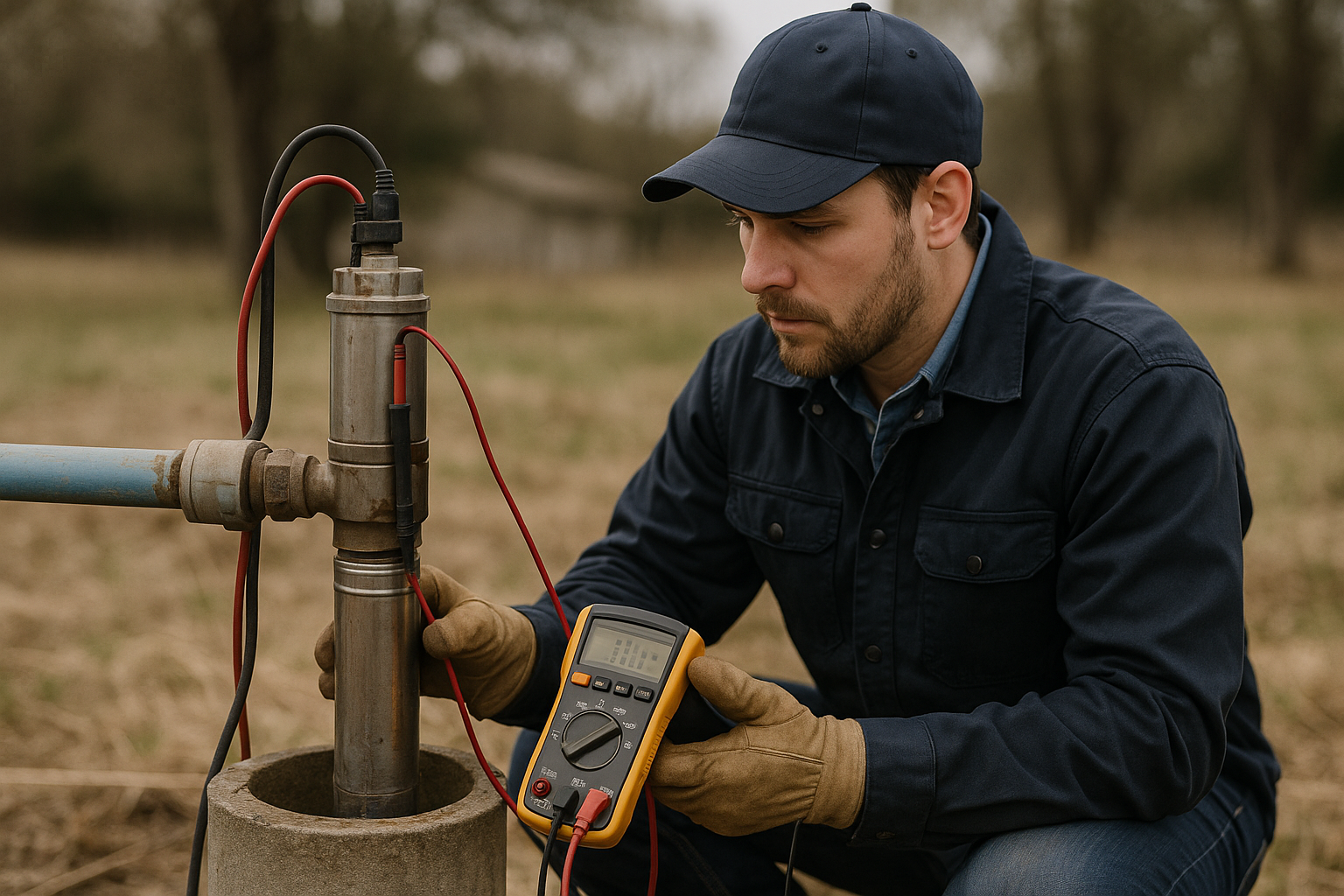
Low Water Pressure From Well: Complete Fix Guide
Diagnose and solve low pressure problems
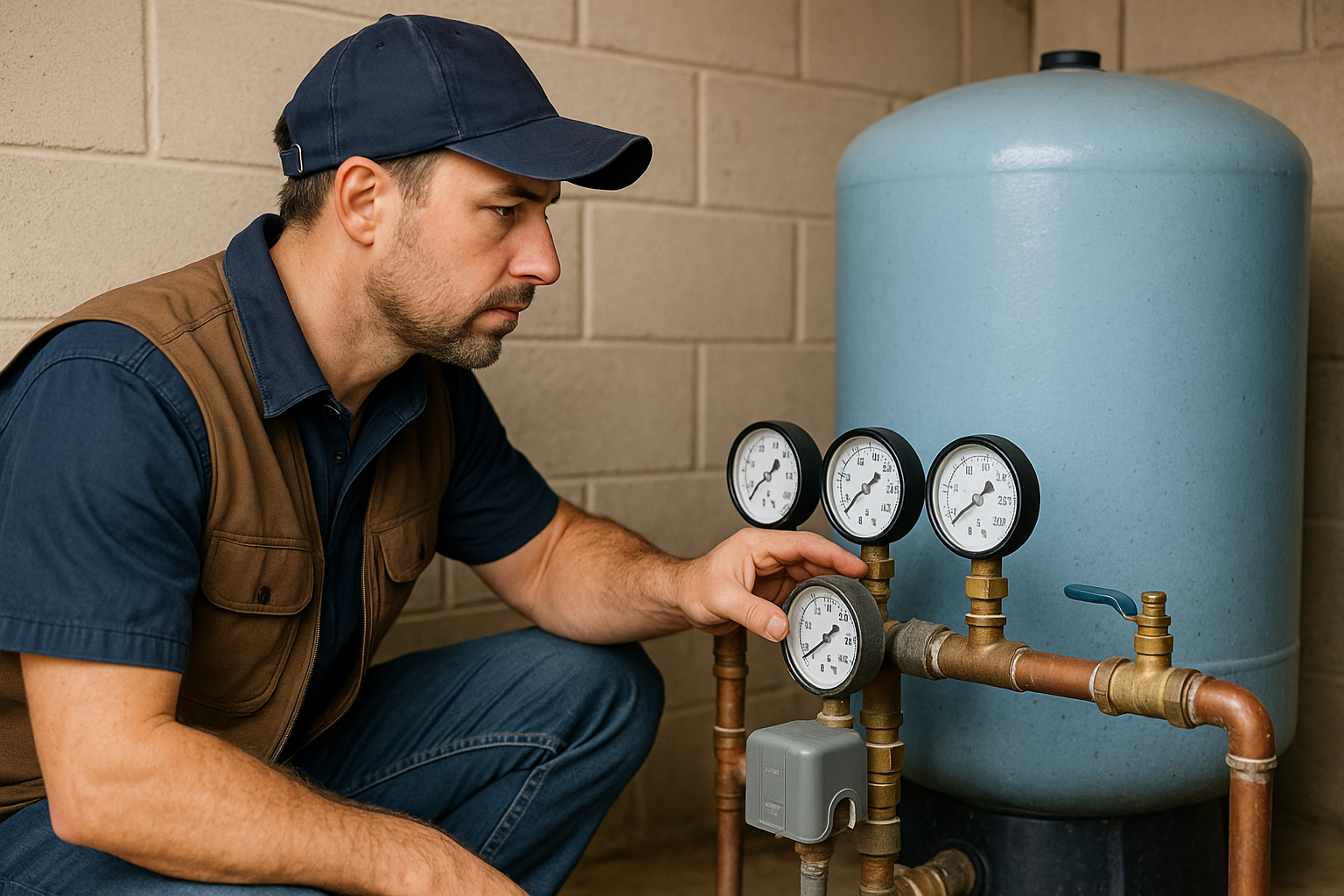
Well Pressure Switch: Settings, Adjustment & Replacement
Everything about pressure switches
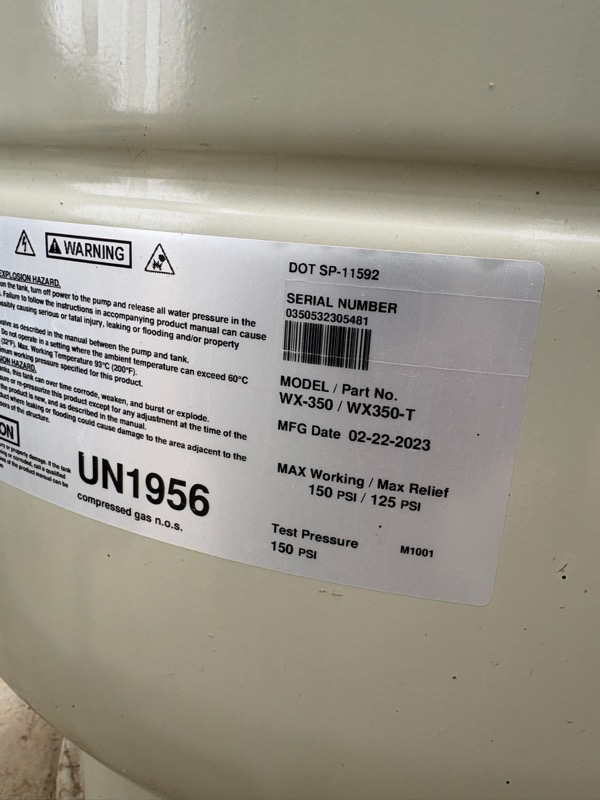
Pressure Tank Maintenance: Complete Guide
Keep your pressure tank working properly
Solving Low Well Water Pressure in Green Acres
Green Acres is a quiet census-designated community in the San Jacinto Valley of Riverside County, sitting at roughly 1,500 feet between Hemet and Winchester near Highway 79. It grew out of the old Winchester farmlands, and many of its larger parcels still run on private wells that double as household supply and irrigation for pasture, orchard, and garden. When pressure sags here, it is rarely just an inconvenience — a weak well can leave livestock troughs slow to fill and sprinklers barely misting on a hot valley afternoon. Southern California Well Service has worked these valley wells since 2020, and we tailor every repair to the way Green Acres groundwater actually behaves.
The Geology Beneath Green Acres
Green Acres sits on the alluvial fill of the San Jacinto groundwater basin — layers of sand, gravel, silt, and clay washed down from the San Jacinto and Santa Rosa mountains over millennia. That fill can hold real water, which is good news, but its productivity changes from one property to the next: tap a gravel lens and you get strong yield, hit a clay layer and the well struggles. Local wells commonly range from about 80 to 300 feet deep. Because the basin is heavily relied upon for both homes and agriculture, water levels respond to drought and to neighborhood pumping, and the fine silt in the alluvium readily works into well screens and pipes. The valley's water also tends to be hard and mineral-laden, so scale is a constant background problem.
Common Causes We Find in Green Acres
- Sediment-worn pumps: Fine valley silt grinds at impellers and seals, so pumps here often lose output before they fully fail.
- Failed pressure tanks: Hard water corrodes fittings and ruins bladders, producing the rapid on-off short-cycling owners describe as "pulsing" pressure.
- Clogged screens and lines: Silt and scale combine to choke flow, especially on older galvanized plumbing.
- Drought-driven low yield: When the basin draws down, a well that easily met demand can fall short during summer irrigation.
- Pressure switch faults: Rural power dips around the valley are hard on switches, which then misfire the pump.
- Long irrigation runs: On big Green Acres lots, friction loss over hundreds of feet of line drops pressure at the far hydrants and emitters.
A Practical Checklist Before Calling
- Check the pressure gauge — aim for a 40–60 PSI cycle; below 30 means trouble.
- Listen for short-cycling that points to the tank.
- With power off and the system drained, verify the tank's air charge near 38 PSI; water at the air valve means a dead bladder.
- Run an outside hydrant wide open for several minutes to flush silt and see whether flow recovers.
- Swap or clean the whole-house sediment filter, which loads quickly on valley water.
When It's Time for a Pro
Call us right away for no water, pressure under 20 PSI, a pump that runs without building pressure, grinding noises, or any sign of a leak or electrical fault at the wellhead. These usually mean a failed pump, a screen problem, or a dropping water table — jobs that need professional tools and a C-57 license. Same-day emergency service is available across Green Acres.
Solutions and Honest Pricing
We diagnose first (the $125 diagnostic is credited to your repair), then quote the leanest effective fix. Typical valley ranges:
- Pressure switch: $150–$350
- Pressure tank: $600–$1,500
- Submersible pump: $2,500–$5,500
- Sediment filtration for silt: $300–$900
- Iron/manganese or softener for hardness: $1,500–$3,500
- Constant-pressure / booster for long irrigation lines: $2,000–$4,500
- Hydrofracturing to improve yield: $3,000–$8,000
- New turnkey well: $18,000–$42,000; abandonment of an old well: $1,500–$5,000
Serving Green Acres and the San Jacinto Valley
Our Ramona and Anza offices put us within easy reach of Green Acres, Winchester, Homeland, Hemet, and the surrounding valley. As licensed C-57 well contractors with CSLB #1086994 over founded in 2020, we handle everything from a quick switch adjustment to a full pump-and-tank overhaul on a working agricultural parcel.
How a Green Acres Well System Delivers Pressure
Your valley well system is a chain of components working together. A submersible pump set into the alluvial aquifer pushes water to the surface, where a pressure tank holds a reserve under an air cushion so the pump cycles less often. A pressure switch governs when the pump turns on and off, typically between 40 and 60 PSI, and sediment filters strip the fine San Jacinto silt before it reaches the house or irrigation manifold. On many Green Acres parcels that manifold then splits between domestic plumbing and pasture or orchard lines. Pressure problems show up when the pump weakens, the tank waterlogs, the switch drifts, or silt and scale choke the screens and pipes. Because the basin's productivity varies lot to lot and demand here often spikes with irrigation, sizing the pump, tank, and lines to your real combined load is essential for steady flow.
Maintenance Tips for Green Acres Well Owners
Routine care keeps valley wells dependable. Test the pressure tank's air charge two or three times a year, keeping it about 2 PSI under cut-in. Flush outdoor hydrants regularly to purge silt, and change sediment filters often, since alluvial fines load them quickly. During dry summers, monitor whether flow drops when sprinklers run; if it does, scale back non-essential irrigation and schedule a yield test rather than pushing the well. Descale accessible fittings annually to fight the valley's hard water, and inspect the pressure switch and wiring after the power dips that ripple through rural Riverside County. An annual professional checkup — covering pump output, tank charge, switch, and yield — lets us catch wear before it strands you mid-irrigation season.
Low-Pressure Scenarios We See Around Green Acres
Patterns repeat across the valley, and recognizing yours can speed the fix. A common one is the irrigation-season collapse: a household on a multi-acre parcel near Winchester Road reports fine pressure indoors all winter, then watches it crater every summer the moment the pasture sprinklers kick on. That is almost always a yield-versus-demand mismatch — the well simply cannot supply house and irrigation at once during the basin's seasonal low. The cure is rarely a bigger pump alone; a properly sized storage tank or a constant-pressure system that paces demand usually solves it without over-pumping the aquifer.
A second frequent scenario is the "pulsing shower," where pressure surges and sags every few seconds. On Green Acres wells this almost always traces to a pressure tank whose bladder has failed under the valley's hard water, leaving the pump to short-cycle. Owners often assume the pump is dying when a $600–$1,500 tank replacement restores smooth flow and actually extends pump life. A third pattern is the gradual fade — pressure that has slipped a little each year — which usually means fine alluvial silt has been grinding at the pump and packing the screen. Catching that early with a yield and amperage test is far cheaper than waiting for the pump to quit entirely on a hot August afternoon. Whatever the symptom, our diagnostic pins down which of these is at work before we quote a single repair, so Green Acres owners spend only on what the well actually needs.
Frequently Asked Questions
How deep are Green Acres wells, and why does it matter?
Most fall between about 80 and 300 feet into the San Jacinto basin's alluvium. Depth determines the right pump size and how vulnerable your well is to seasonal drawdown, so matching the pump to your actual well is key to steady pressure.
Why is there sand or silt in my water?
The valley's alluvial soil carries fine particles that can enter through a worn screen or a pump set too low. Beyond clogging filters, that grit accelerates pump wear, so persistent sediment is worth diagnosing before it shortens equipment life.
Can my well handle both house and irrigation?
Many Green Acres wells can, but only if the pump, tank, and pipe sizing match the combined demand. If pressure collapses when sprinklers run, we can test yield and recommend a booster or constant-pressure system rather than over-pumping the well.
Does drought really change my pressure?
Yes. The San Jacinto basin drops during dry years, lowering the water level your pump draws from. We see the most complaints late in summer, and a yield test tells us whether the fix is mechanical or whether the well needs rehabilitation.
Is my water hard here?
Green Acres water is generally hard, rich in calcium and magnesium. That scale slowly narrows pipes and fouls equipment, so a softener often pays for itself by protecting the pump and tank you rely on.
How fast can you respond?
For emergencies we offer same-day service. Call (760) 440-8520 or text (760) 219-5877 and we will schedule the soonest visit available.
Get Reliable Pressure in Green Acres
Whether it's a fast repair or a full system upgrade, Southern California Well Service has the local valley expertise to restore strong flow. Call (760) 440-8520 or text (760) 219-5877 today for a free estimate or emergency service in Green Acres.