
Low Water Pressure Solutions in Harbison Canyon
Dealing with weak water pressure in Harbison Canyon? Low water pressure can make showers frustrating and appliances ineffective. Our team diagnoses the root cause and restores your water pressure fast.
📋 In This Guide
Need Low Water Pressure Solutions in Harbison Canyon?
We serve Harbison Canyon and all of San Diego County. Licensed C-57 contractor (CSLB #1086994), founded 2020.
Call: (760) 440-8520Our Low Water Pressure Solutions Services
- Pressure tank repair and replacement
- Pressure switch adjustment
- Pump upgrades for better pressure
- Constant pressure systems
- Booster pump installation
- Clogged pipe diagnosis
- Well yield testing
- Complete system evaluation
Why Harbison Canyon Chooses SCWS
✓ Local Expertise
We know San Diego County geology and wells
✓ Fast Response
Same-day service for Harbison Canyon
✓ Fair Pricing
Honest quotes, no surprises
✓ Quality Work
CSLB #1086994 · founded 2020
Our Locations
Related Articles
Continue learning about well maintenance and troubleshooting
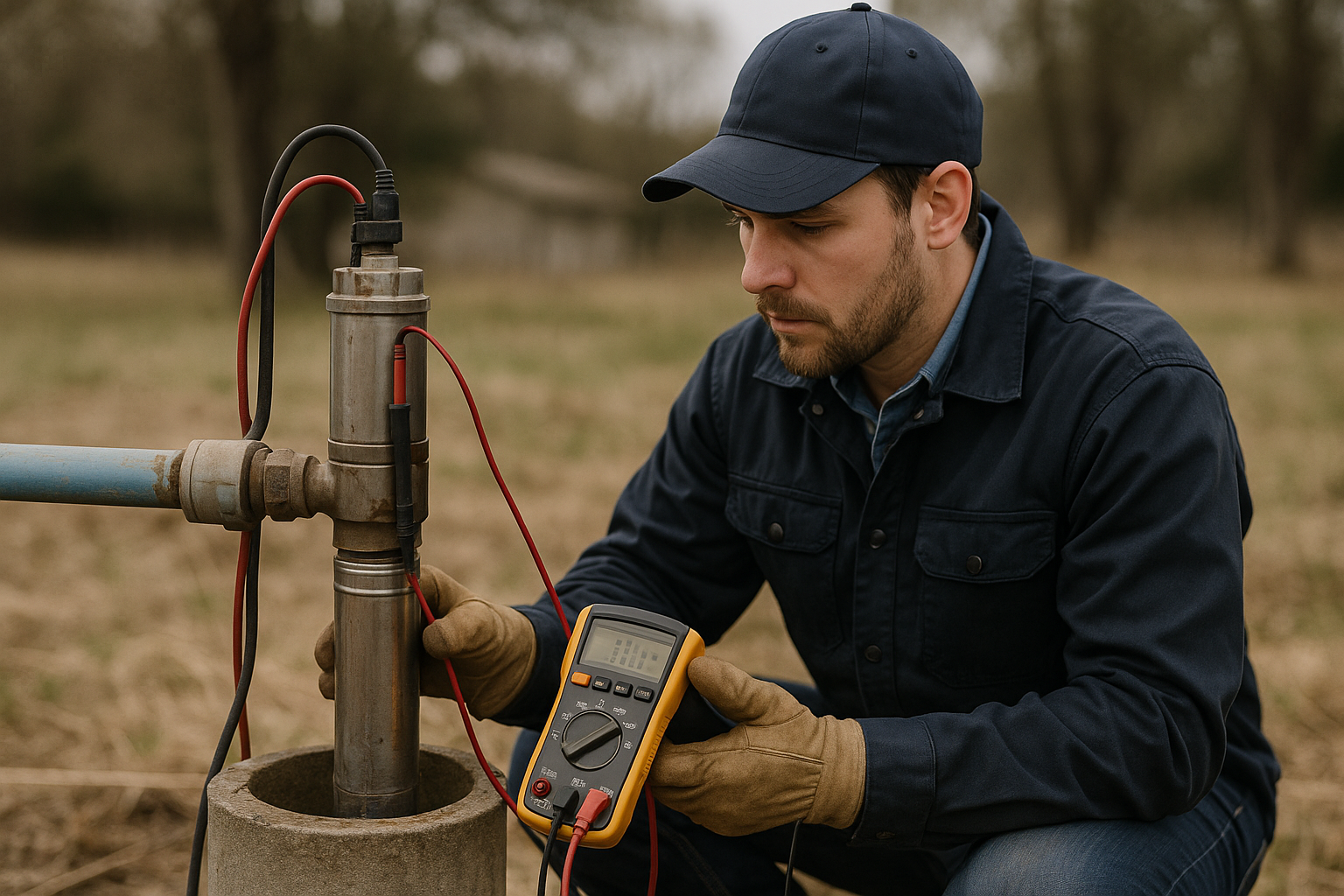
Low Water Pressure From Well: Complete Fix Guide
Diagnose and solve low pressure problems
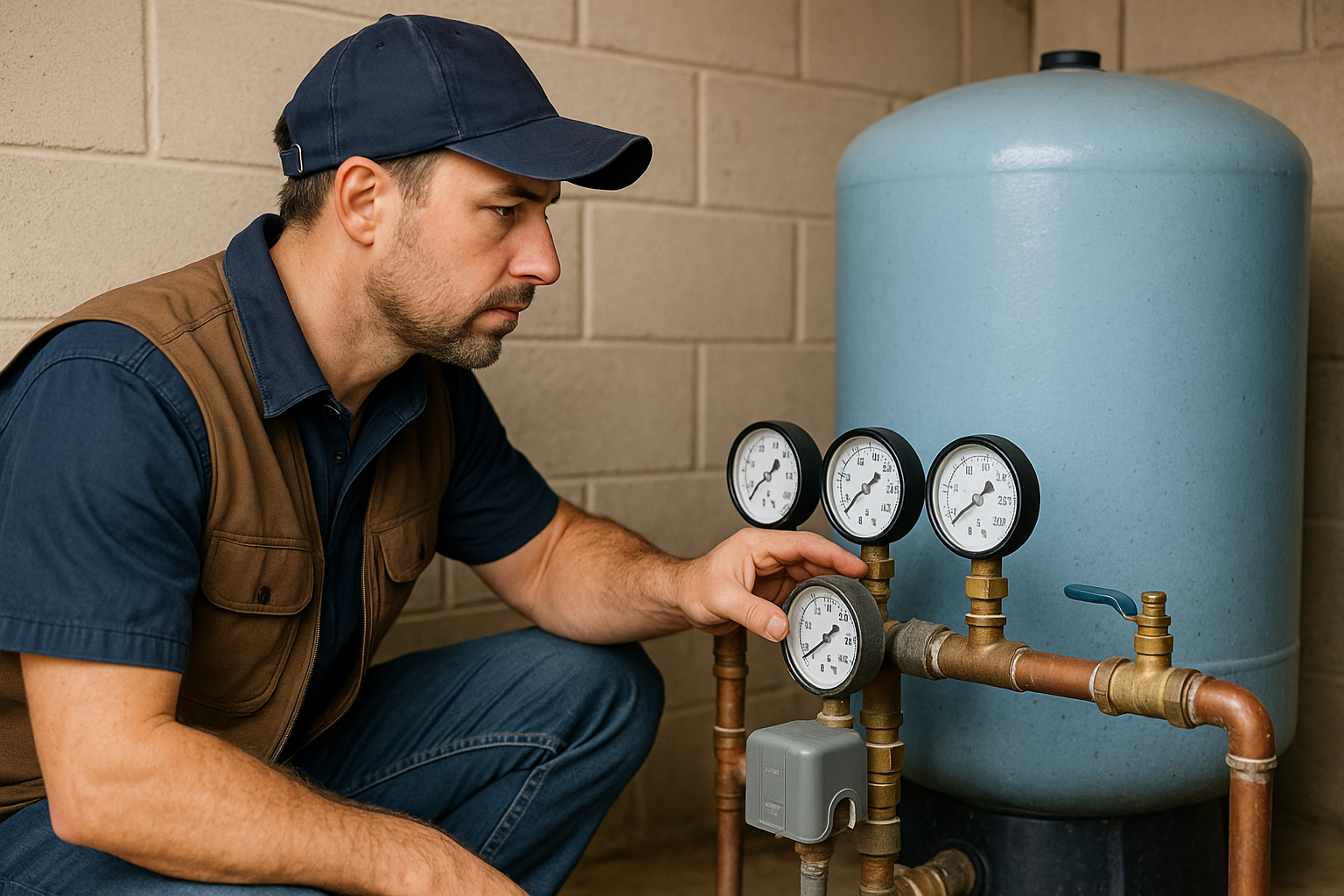
Well Pressure Switch: Settings, Adjustment & Replacement
Everything about pressure switches
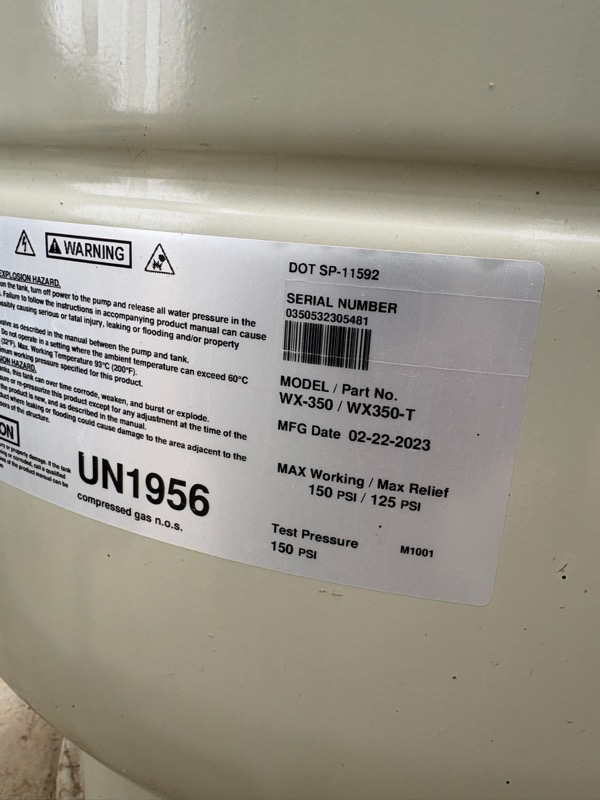
Pressure Tank Maintenance: Complete Guide
Keep your pressure tank working properly
Fixing Low Well Water Pressure in Harbison Canyon
Harbison Canyon is an oak-lined community in east San Diego County, settled along a mountain valley in the upper Dehesa region between Crest and Alpine, with mail addressed through El Cajon. First subdivided in the 1920s as a getaway from the heat of the city, it remains a rural, fire-conscious canyon where many households rely on private wells for everything from morning showers to defensible-space irrigation. When pressure fades on these slopes, it can leave hoses limp just when the dry season demands them most. Southern California Well Service has restored canyon water systems since 2020, and we approach every Harbison Canyon job with the terrain in mind.
Canyon Geology and Its Effect on Pressure
The canyon is carved into decomposed granite over fractured crystalline bedrock, the same hard-rock setting that defines much of east county. Groundwater here collects in fissures rather than a broad porous aquifer, so wells — commonly 100 to 400 feet deep — depend on tapping productive fractures. Yield can swing with the seasons, dropping noticeably through dry stretches. The granite also makes the water hard, depositing scale in pumps and pipes, while the canyon's steep walls mean homes are frequently perched above their wellheads. Limited fractured yield, mineral scale, and elevation lift combine to make low pressure a recurring local theme.
Common Causes of Low Pressure in Harbison Canyon
- Pump wear: Grit and scale wear submersible impellers, dropping output gradually until showers go weak.
- Tank trouble: A failed bladder or lost air charge waterlogs the pressure tank and short-cycles the pump.
- Clogged screens and pipes: Decomposed-granite sediment packs screens and filters; scale narrows the lines.
- Low yield in drought: When the fractures drain, the well falls short during peak use.
- Switch failures: Rural power swings damage the pressure switch, capping pressure or misfiring the pump.
- Elevation and long runs: Uphill homes and long pipe runs lose pressure to gravity and friction without a booster.
Simple Checks to Try First
- Read the gauge at the tank — healthy systems cycle 40–60 PSI; under 30 is a problem.
- Listen for rapid pump cycling, which points to the tank.
- With power off and pressure drained, test the tank air charge near 38 PSI; water at the air valve means a dead bladder.
- Open an outdoor tap fully for several minutes to flush canyon grit.
- Clean scaled showerheads and aerators that mimic a system-wide drop.
When to Call a Professional
Reach out immediately for no water, pressure under 20 PSI, a pump that runs without building pressure, grinding at the wellhead, or any leak or sparking at the control box. These signal pump failure, a dropping water level, or an electrical hazard — not safe DIY on a high-voltage well system. Same-day emergency service covers Harbison Canyon.
Solutions and Realistic Costs
We diagnose first (the $125 diagnostic is credited to your repair) and lead with the most cost-effective lasting fix:
- Pressure switch: $150–$350
- Pressure tank: $600–$1,500
- Submersible pump: $2,500–$5,500
- Sediment filtration: $300–$900
- Iron/manganese or softener: $1,500–$3,500
- Constant-pressure / booster for canyon slopes: $2,000–$4,500
- Hydrofracturing to lift low-yield wells: $3,000–$8,000
- New turnkey well: $18,000–$42,000; abandonment: $1,500–$5,000
Serving Harbison Canyon and East County
From Ramona and Anza we serve Harbison Canyon, Crest, Dehesa, Alpine, Granite Hills, and the surrounding backcountry. Licensed C-57 well contractors with CSLB #1086994 since 2020, we are equipped for the narrow canyon access and deep hard-rock wells this community relies on.
How a Harbison Canyon Well System Builds Pressure
Your canyon well works as a coordinated system. A submersible pump draws water from the bedrock fractures and sends it up to a pressure tank, which stores a cushion of pressurized water so the pump cycles less. A pressure switch controls the pump between roughly 40 and 60 PSI, and sediment filters catch the decomposed-granite grit before it reaches your taps and irrigation. On Harbison Canyon's steep parcels, that water often has to climb from a low wellhead to a home higher on the slope, so the pump must be sized for both depth and lift. Low pressure appears when the pump tires, the tank waterlogs, the switch drifts, or screens and pipes clog — and on the canyon grade an underpowered pump quickly shows its limits at the upper fixtures.
Keeping Canyon Water Pressure Strong
Maintenance keeps a canyon well dependable, especially heading into fire season. Check the tank air charge a couple of times a year, keeping it about 2 PSI below cut-in. Flush an outdoor hydrant quarterly to clear granite sediment, and replace filters on schedule. Descale accessible fittings yearly against the hard canyon water. Watch the well through the dry months — if pressure dips or taps sputter, reduce irrigation and request a yield test before the fractures run short. Inspect the pressure switch and wiring after the power swings common to rural east county. An annual professional inspection — pump, tank, switch, and yield — ensures your defensible-space watering and household supply stay strong when Harbison Canyon needs them most.
Low-Pressure Scenarios We See in Harbison Canyon
Canyon wells show a few familiar patterns. The classic is the late-summer slump: a home with strong winter pressure finds its flow thinning by the dry months as the bedrock fractures draw down. When a yield test shows the well is the bottleneck, hydrofracturing can open additional water-bearing seams and restore output. A second common scenario is the hillside trickle — good pressure at a wellhead low in the canyon, but a starved bathroom in a home perched up the slope. That is elevation loss, and a booster or constant-pressure system delivers steady flow to the top of the house.
A third pattern, especially relevant in this fire-conscious community, is the irrigation shortfall: defensible-space sprinklers and long hose runs that seemed fine in spring fall short when summer demand peaks. Often the fix is a combination of a correctly sized pump, cleared screens, and a booster for the far runs. We also see plenty of pulsing-pressure calls that trace to a waterlogged tank failing under the canyon's hard water — a comparatively inexpensive repair that owners frequently mistake for a dying pump. In every case we diagnose before we quote, so Harbison Canyon homeowners pay only for the repair their well genuinely needs, and their water is ready when the dry season demands it.
Why Local Canyon Experience Matters in Harbison Canyon
Working wells in a steep, fractured-rock canyon takes a different playbook than flatland service, and the details matter. Harbison Canyon's grades, narrow access, hard water, and irregular bedrock yield all influence how a system should be sized and maintained — get any of them wrong and the homeowner is back to weak showers within a season. Because this is a fire-conscious community, we also weigh the demands of defensible-space irrigation when we recommend pumps, tanks, and boosters, so your system performs when summer pushes it hardest. With founded in 2020 across east San Diego County , our crews know how Harbison Canyon wells behave through wet years and dry, and we bring the right equipment for tight canyon access. That local fluency is what lets us diagnose accurately, fix it once, and keep your water strong for the long haul rather than patching the same symptom again and again.
Frequently Asked Questions
Why does pressure matter so much for fire-prone canyon properties?
In a fire-conscious area like Harbison Canyon, reliable pressure keeps irrigation and defensible-space watering effective during the dry season. A weak well leaves the far ends of long hose and sprinkler runs starved exactly when robust flow matters most.
How deep are wells in Harbison Canyon?
Most are 100 to 400 feet, drilled to reach water-bearing fractures in the bedrock. Because those fractures are irregular, depth and yield vary from lot to lot, so each pump should be sized to its specific well.
Why does my pressure surge and then fade?
That pulsing usually means the pressure tank has lost its air charge or its bladder has failed, so the pump short-cycles. Replacing or recharging the tank typically smooths the flow, often for $600–$1,500.
Can a booster fix my uphill home's weak pressure?
Yes. For homes perched above the wellhead, a booster or constant-pressure system holds a steady 50–60 PSI against the canyon grade, generally $2,000–$4,500 installed.
Do you provide emergency service here?
Yes, same-day emergency response throughout Harbison Canyon. Call (760) 440-8520 or text (760) 219-5877.
How does the diagnostic fee work?
The diagnostic is $125 and is credited toward any repair we perform, so the cost of finding the problem rolls into fixing it.
Restore Strong Canyon Water Pressure
Don't let a weak well slow your household or compromise your dry-season watering. Call Southern California Well Service at (760) 440-8520 or text (760) 219-5877 for a free estimate or same-day emergency help in Harbison Canyon.