
Low Water Pressure Solutions in Highland
Dealing with weak water pressure in Highland? Low water pressure can make showers frustrating and appliances ineffective. Our team diagnoses the root cause and restores your water pressure fast.
📋 In This Guide
Need Low Water Pressure Solutions in Highland?
We serve Highland and all of San Bernardino County. Licensed C-57 contractor with 30+ years experience.
Call: (760) 440-8520Our Low Water Pressure Solutions Services
- Pressure tank repair and replacement
- Pressure switch adjustment
- Pump upgrades for better pressure
- Constant pressure systems
- Booster pump installation
- Clogged pipe diagnosis
- Well yield testing
- Complete system evaluation
Why Highland Chooses SCWS
✓ Local Expertise
We know San Bernardino County geology and wells
✓ Fast Response
Same-day service for Highland
✓ Fair Pricing
Honest quotes, no surprises
✓ Quality Work
4.9★ rating, hundreds of reviews
Our Locations
Related Articles
Continue learning about well maintenance and troubleshooting
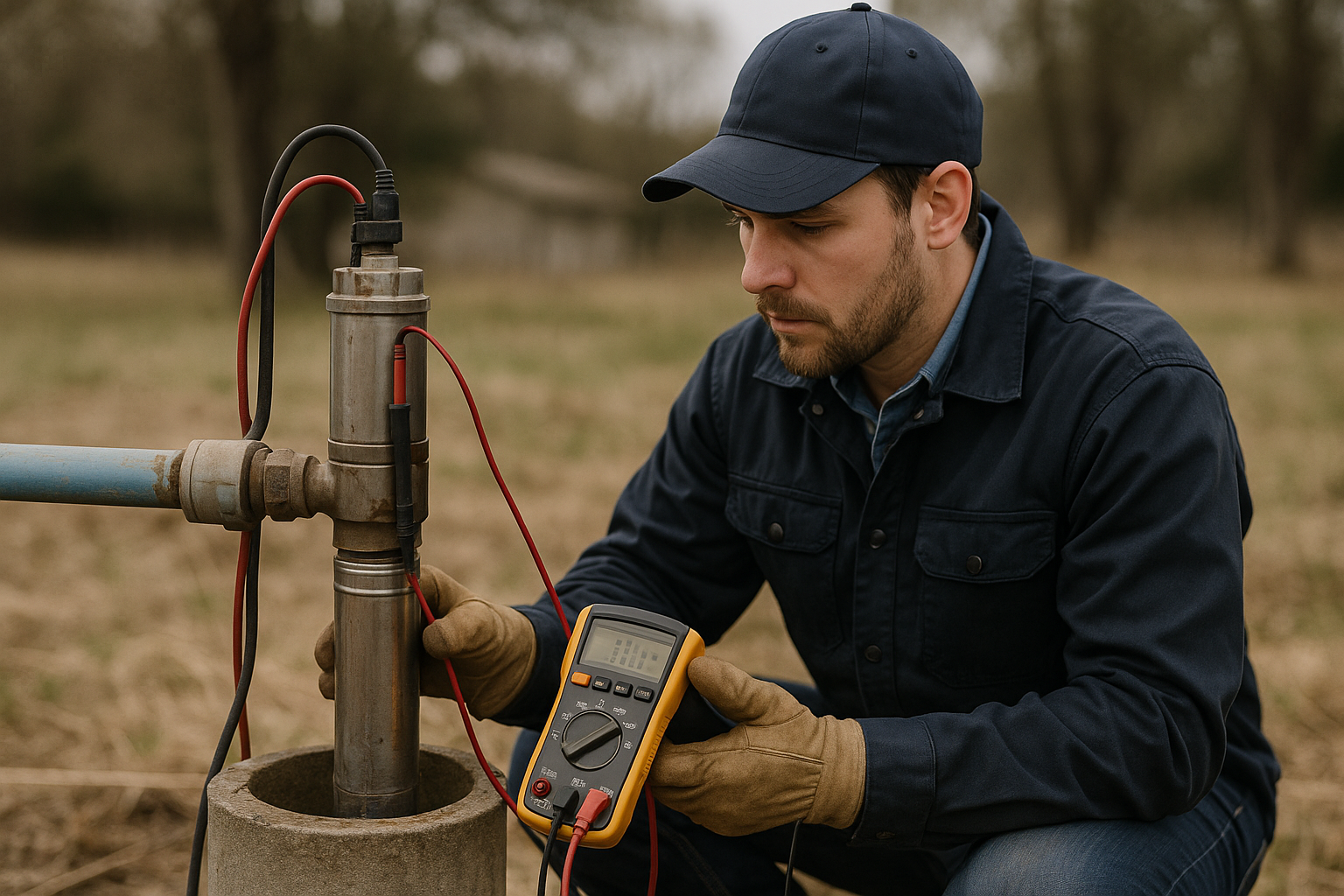
Low Water Pressure From Well: Complete Fix Guide
Diagnose and solve low pressure problems
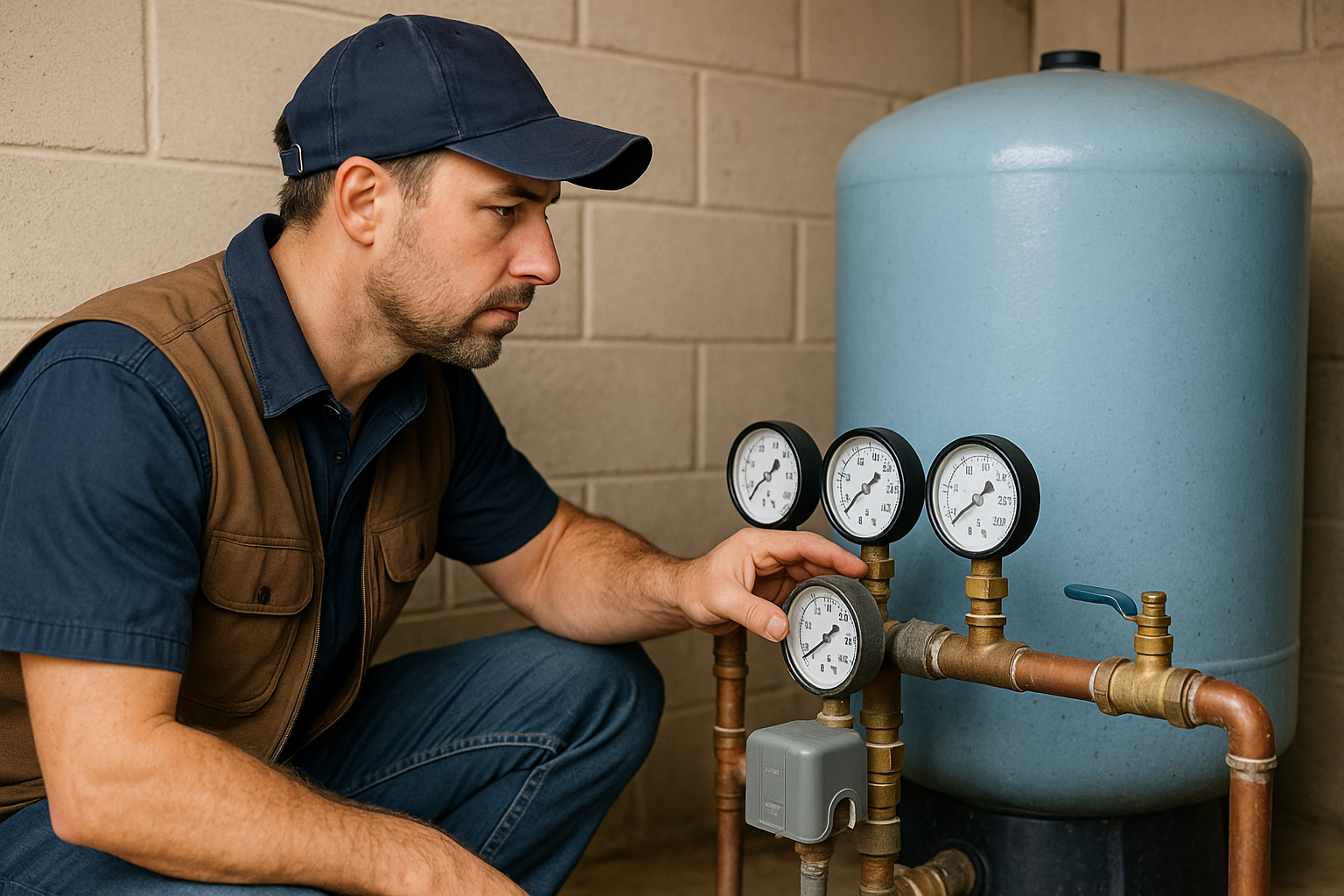
Well Pressure Switch: Settings, Adjustment & Replacement
Everything about pressure switches
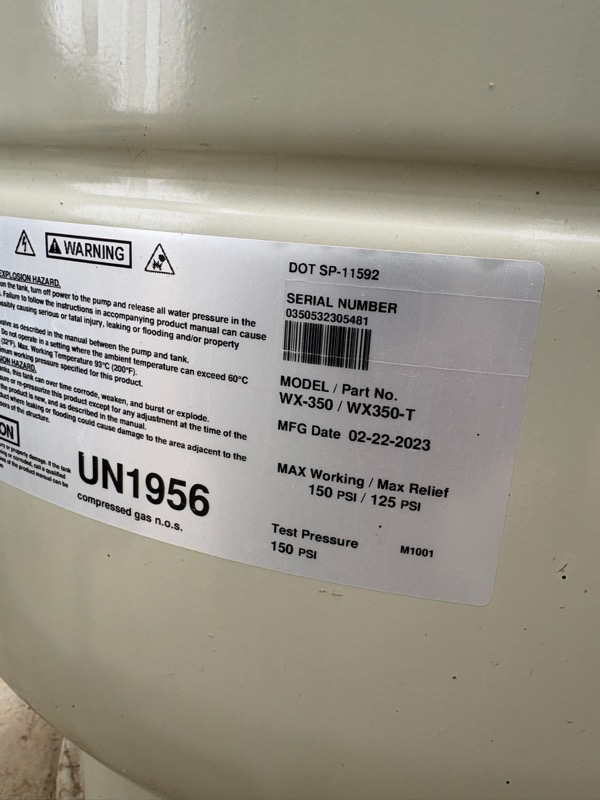
Pressure Tank Maintenance: Complete Guide
Keep your pressure tank working properly
Comprehensive Guide to Low Water Pressure Solutions for Highland Properties
As a property owner in Highland with a private well, your water system is essential for daily life. Located in the foothills of San Bernardino County at the base of the San Bernardino Mountains, Highland faces distinct geological and environmental challenges that can affect well performance. At Southern California Well Service (SCWS), with over 30 years of expertise, we’ve helped numerous Highland residents resolve low water pressure issues with solutions tailored to the local terrain. This guide explores Highland’s unique geology, causes of low water pressure, diagnostic methods, effective solutions with estimated costs, maintenance strategies, and when to seek professional help.
Highland’s Unique Geology and Water Challenges
Highland, positioned in San Bernardino County at the base of the San Bernardino Mountains, sits on a transitional landscape of alluvial fans, rocky foothills, and fractured bedrock. This area features a mix of gravelly sediments washed down from the mountains and underlying crystalline rock formations, creating variable aquifer conditions. Wells in Highland typically range from 200 to 600 feet deep, tapping into groundwater influenced by mountain runoff and seasonal precipitation. The semi-arid climate, with hot summers and moderate winters, can lead to fluctuating water tables, particularly during drought periods common to Southern California.
The alluvial fan deposits contribute to sediment in the water, which can clog pipes and strain pumps, while the proximity to mountainous bedrock often results in hard water with high mineral content, accelerating equipment wear. Highland’s elevation and hilly terrain can also create natural pressure challenges, especially for properties at higher altitudes where water must be pumped uphill. Additionally, the area’s mix of rural and suburban development means power reliability can vary, impacting pump performance. These local factors necessitate a specialized approach to addressing water pressure issues.
Common Causes of Low Water Pressure in Highland
Low water pressure in Highland wells often stems from factors linked to the region’s foothill geology and climate. Based on our extensive experience in San Bernardino County, here are the primary causes we encounter:
- Pump Wear from Sediment and Minerals: Alluvial gravel and sand from mountain runoff can abrade pump components, while hard water minerals like calcium and magnesium form scale, reducing efficiency over time.
- Pressure Tank Corrosion: The mineral-rich water in Highland accelerates tank corrosion and sediment buildup, leading to waterlogging or bladder failure, which disrupts pressure consistency and causes pump overwork.
- Low Well Yield During Dry Seasons: Highland’s water tables can drop during droughts, a frequent issue in Southern California. Wells producing less than 5 gallons per minute (GPM) struggle to maintain pressure, especially for larger households or properties with irrigation needs.
- Clogged Pipes from Alluvial Debris: Sediment from foothill soils often infiltrates water lines, restricting flow and lowering pressure. Older systems or those lacking filtration are particularly susceptible in Highland.
- Electrical Instability: Power fluctuations, common in areas with mixed rural and suburban infrastructure like Highland, can disrupt pump operation, leading to inconsistent pressure, especially during peak demand or storms.
- Leaks Due to Terrain Shifts: Underground leaks, often caused by soil movement in Highland’s hilly terrain or seismic activity near the San Andreas Fault, can result in significant pressure loss before water reaches your home.
Diagnosing Low Water Pressure in Highland
Identifying the root cause of low water pressure in Highland requires a detailed approach tailored to the foothill environment. At SCWS, we use the following diagnostic steps to ensure accuracy:
- Initial System Review: We check the pressure gauge on your tank, where readings below 40-60 PSI signal an issue. We also listen for irregular pump sounds, like grinding, often indicating sediment damage from Highland’s alluvial water.
- Well Yield Assessment: Using flow testing tools, we measure output in GPM. In Highland, yields can fall below 3 GPM during dry periods, insufficient for the 5-10 GPM most homes require, pointing to potential pressure issues from low water tables.
- Pressure Tank Analysis: We inspect for waterlogging or sediment accumulation, common with hard water, by testing air charge and bladder condition. Faulty tanks often lead to rapid pump cycling, which we monitor during testing.
- Pump Efficiency Check: We compare the pump’s electrical draw to manufacturer specs to detect wear. Submersible pumps, used in Highland’s deeper wells, often suffer from scale and sediment, identified through performance drops.
- Pipeline and Leak Inspection: Pressure tests at multiple points reveal blockages or leaks. Given Highland’s hilly terrain, we use specialized equipment to detect underground issues without invasive digging, accounting for soil shifts or elevation impacts.
- Water Quality Testing: We analyze samples for sediment and hardness, often elevated in Highland due to mountain runoff and bedrock minerals. Hardness levels can exceed 180 mg/L (versus an ideal 60-120 mg/L), affecting equipment and pressure.
Our comprehensive diagnostics ensure we address the specific cause of your pressure issues, tailored to Highland’s unique foothill conditions, rather than applying generic solutions.
Effective Solutions for Low Water Pressure in Highland (With Costs)
After diagnosing the issue, SCWS offers customized solutions for Highland’s well systems. Below are common fixes with estimated costs based on local installations (final costs vary based on system specifics and site access):
- Pressure Tank Repair or Replacement: For waterlogged tanks or damaged bladders, repairs like re-pressurizing cost $150-$300. If hard water corrosion is severe, a new 20-40 gallon tank installation ranges from $500-$1,000, including labor.
- Pump Cleaning or Replacement: Removing sediment or scale from a pump restores function for $200-$400. For failing or undersized pumps in Highland’s deeper wells, a new 1-2 horsepower submersible pump costs $1,200-$2,500 installed.
- Constant Pressure System: To manage fluctuating pressure, a constant pressure system with a variable frequency drive (VFD) adjusts pump speed dynamically. Ideal for Highland’s variable water tables, installation costs $2,000-$3,500, extending equipment life.
- Booster Pump Installation: If well yield is sufficient but pressure drops at higher elevations (common in Highland’s foothills), a booster pump helps. Costs range from $800-$1,500, depending on pressure needs and plumbing setup.
- Pipe Flushing or Replacement: High-pressure flushing clears sediment blockages for $300-$600. For extensively clogged or damaged lines, partial replacement costs $1,000-$2,000 for typical residential systems.
- Filtration for Sediment and Hardness: A sediment filter prevents alluvial debris from clogging systems ($300-$500 installed). A water softener for Highland’s hard water costs $1,000-$1,800, reducing scale buildup on pumps and tanks.
- Leak Detection and Repair: Using non-invasive tools, we locate and fix underground leaks, common in hilly areas with shifting soils. Repairs typically cost $500-$1,500, based on leak location and pipe damage.
SCWS prioritizes transparent pricing, providing detailed quotes upfront and offering financing for larger projects, ensuring Highland residents can restore pressure affordably.
Maintenance Tips to Prevent Low Water Pressure in Highland
Preventative maintenance is crucial to avoid costly pressure issues, especially in Highland’s challenging foothill environment. Here are practical tips tailored to local conditions:
- Monitor Pressure Tank Monthly: Use a tire gauge to ensure the tank’s air pressure is 2 PSI below the pump’s cut-in setting (often 28 PSI for a 30/50 switch). This prevents over-cycling and maintains pressure. SCWS offers free checks for Highland customers.
- Flush Sediment Yearly: Drain sediment via a valve near the tank with a hose, ideally during wetter months to reduce well stress. This counters Highland’s alluvial debris, preventing clogs and pump wear.
- Inspect Electrical Systems: Check pump wiring for corrosion or loose connections, especially after power fluctuations common in Highland’s mixed infrastructure. Schedule professional inspections every 2-3 years (SCWS plans start at $150/year).
- Conserve Water During Droughts: Reduce usage during dry periods to avoid over-drawing your well. Low-flow fixtures help maintain pressure in Highland homes, especially at higher elevations, without sacrificing functionality.
- Use Sediment Filters: Install a cartridge filter near the tank to catch foothill sediment, replaced every 3-6 months ($10-$20 each). SCWS can set up a system for under $400 to protect your equipment.
- Annual Water Testing: Test for hardness and sediment to monitor impacts on your system. Home kits are affordable, or SCWS offers detailed analysis starting at $75 to guide treatment for Highland’s mineral-rich water.
When to Call a Professional in Highland
While some maintenance can be handled by homeowners, certain situations require expert intervention. Contact SCWS at (760) 440-8520 if you experience:
- Sudden Pressure Drop: An abrupt loss with no clear cause may indicate pump failure or a major leak. Call for same-day service, available across Highland.
- Rapid Pump Cycling: Frequent on-off cycling often points to tank or valve issues. Ignoring it risks pump burnout, a costly repair.
- Sediment or Color Changes: Cloudy or discolored water suggests well intrusion or casing issues, worsened by Highland’s foothill soils. We can assess filtration or repair needs.
- Complete Water Loss: No water flow could mean a failed pump or dropped water table. We prioritize these emergencies, often arriving within hours.
- Odd Pump Noises: Grinding or humming indicates mechanical problems, often from sediment wear. Early intervention prevents total failure.
- Property Development Plans: If expanding your home or landscaping in Highland’s hilly terrain, consult us to ensure your well meets increased demand. We’ve supported many local homeowners through such projects.
SCWS isn’t just a service provider—we’re part of the Southern California community. With offices in Ramona and Anza, a 4.9-star rating, and decades of expertise, we’re ready to tackle your water pressure challenges promptly.
Why Local Expertise Matters in Highland
Out-of-area well companies often miss the nuances of San Bernardino County’s foothill terrain. Highland’s mix of alluvial fans, mountain bedrock, and elevation challenges creates specific water system issues. Well depths, aquifer behavior, and natural pressure variations differ significantly across the region. Technicians familiar with these conditions diagnose problems faster and provide lasting solutions. SCWS’s deep knowledge of local geology and terrain impacts ensures we address your needs precisely.
What Sets SCWS Apart for Highland Residents
- Regional Knowledge: Our experience in San Bernardino County means we understand Highland’s water challenges firsthand.
- Comprehensive Services: From drilling to repairs to treatment systems, we cover every aspect of well care.
- Certified C-57 Contractor: Licensed specialists (CSLB #1086994), ensuring regulatory compliance and expertise beyond general plumbing.
- Transparent Costs: Honest assessments and clear quotes with no hidden fees or unnecessary upsells.
- Emergency Availability: Same-day response for critical issues like no water, keeping Highland households running.
Act Now to Fix Your Water Pressure in Highland
Don’t let low water pressure hinder your daily life in Highland. Whether you’re managing a foothill home with elevation challenges or a suburban property near the mountains, Southern California Well Service is equipped to help. Call (760) 440-8520 for a free consultation or emergency service today. With over 30 years of experience, a 4.9-star rating, and a commitment to San Bernardino County, we’re your trusted partner for solving water pressure issues effectively.