
Low Water Pressure Solutions in Hinkley
Dealing with weak water pressure in Hinkley? Low water pressure can make showers frustrating and appliances ineffective. Our team diagnoses the root cause and restores your water pressure fast.
📋 In This Guide
Need Low Water Pressure Solutions in Hinkley?
We serve Hinkley and all of San Bernardino County. Licensed C-57 contractor (CSLB #1086994), founded 2020.
Call: (760) 440-8520Our Low Water Pressure Solutions Services
- Pressure tank repair and replacement
- Pressure switch adjustment
- Pump upgrades for better pressure
- Constant pressure systems
- Booster pump installation
- Clogged pipe diagnosis
- Well yield testing
- Complete system evaluation
Why Hinkley Chooses SCWS
✓ Local Expertise
We know San Bernardino County geology and wells
✓ Fast Response
Same-day service for Hinkley
✓ Fair Pricing
Honest quotes, no surprises
✓ Quality Work
CSLB #1086994 · founded 2020
Our Locations
Related Articles
Continue learning about well maintenance and troubleshooting
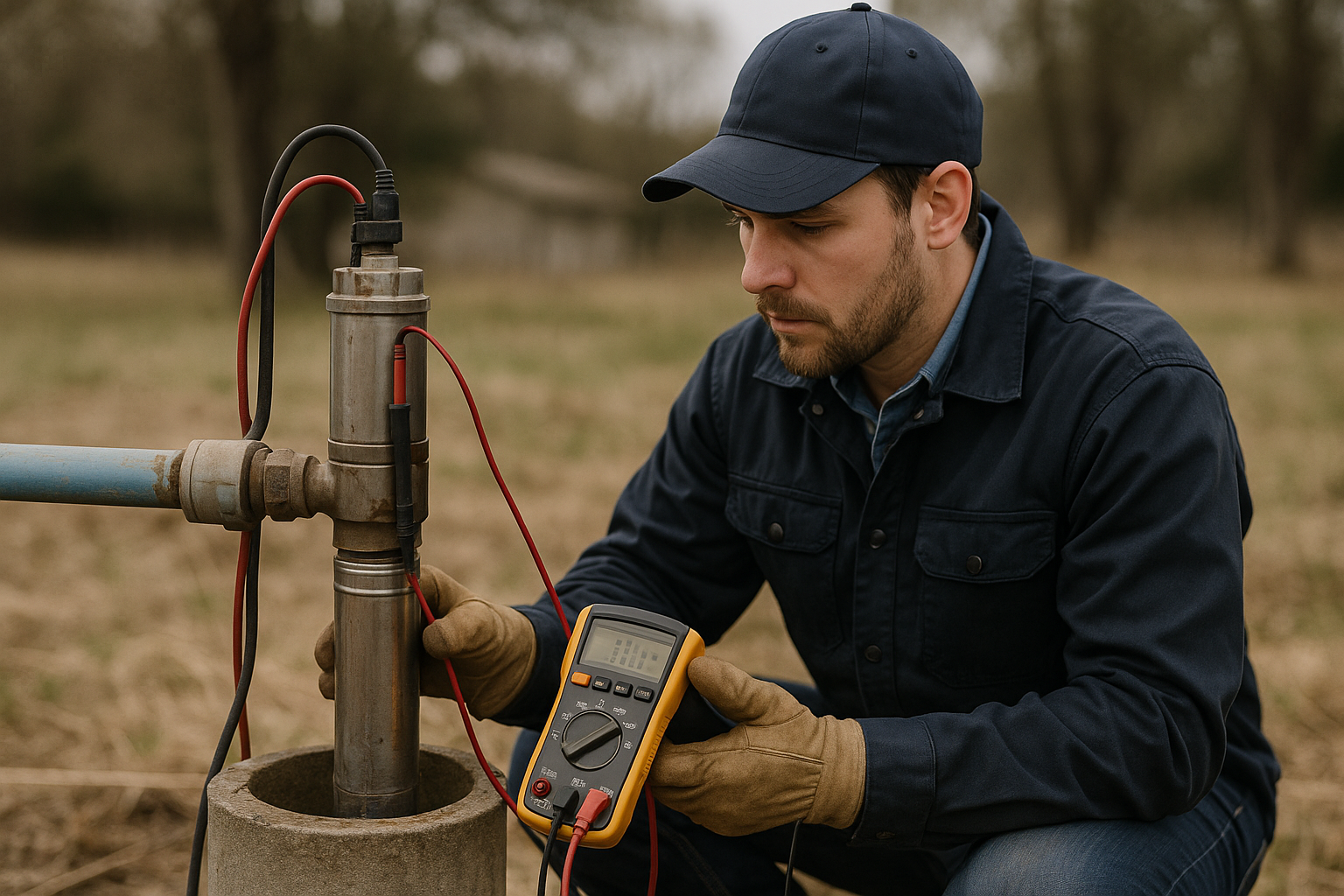
Low Water Pressure From Well: Complete Fix Guide
Diagnose and solve low pressure problems
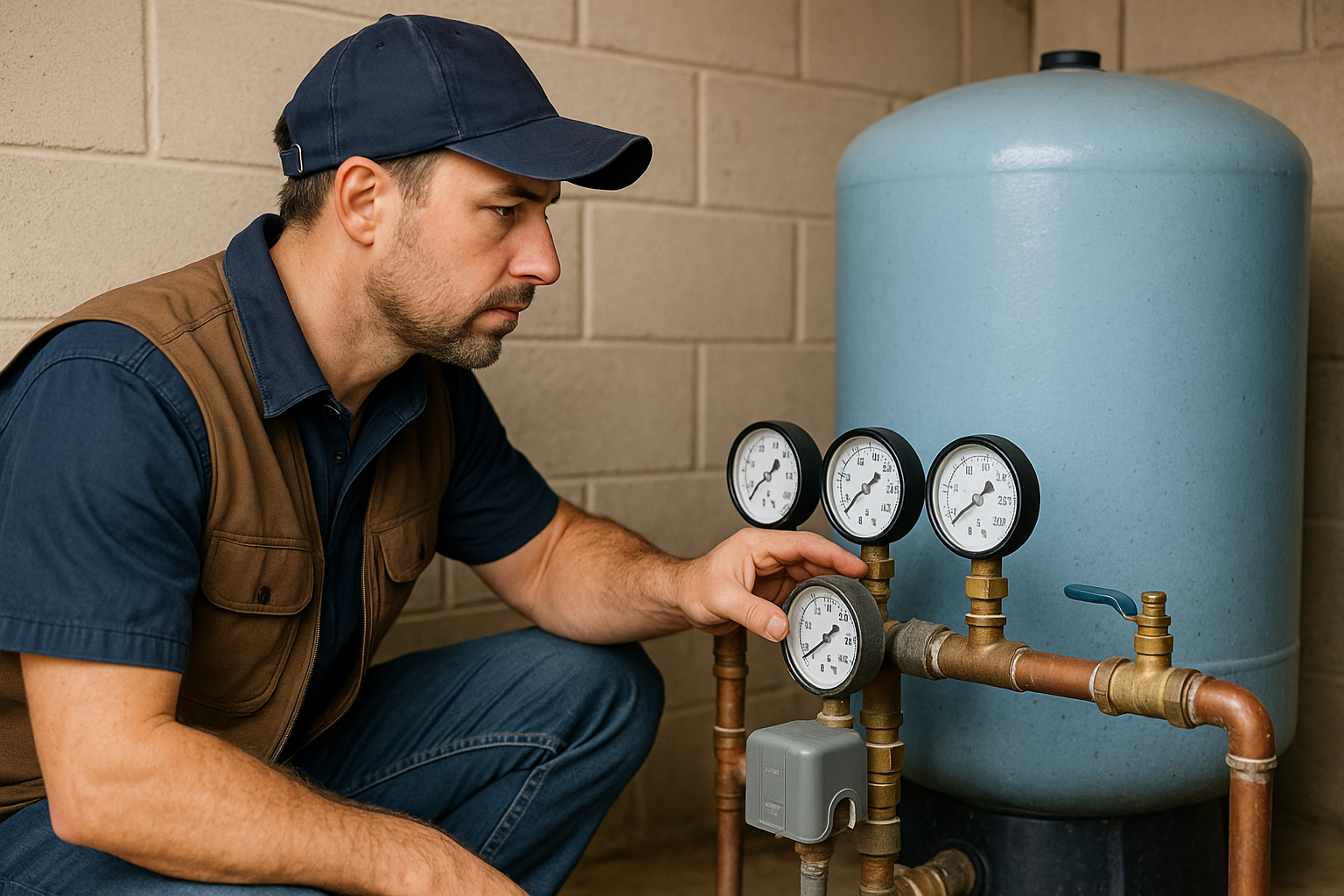
Well Pressure Switch: Settings, Adjustment & Replacement
Everything about pressure switches
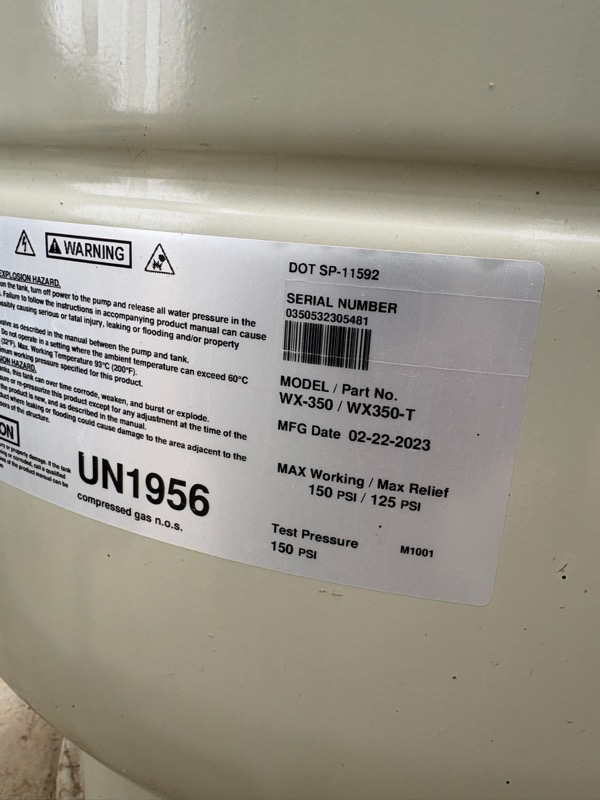
Pressure Tank Maintenance: Complete Guide
Keep your pressure tank working properly
Comprehensive Low Water Pressure Solutions for Hinkley Properties
Hinkley is a small high-desert community in San Bernardino County, set in the Mojave Desert roughly 14 miles northwest of Barstow. Out here there is no city water main; nearly every home, ranch, and alfalfa operation depends on a private well drawing from the Hinkley Valley aquifer, which is recharged by the Mojave River. With rainfall averaging only four to six inches a year, that groundwater is the lifeline of the community, and low water pressure is a serious disruption. At Southern California Well Service (SCWS), we have, since 2020, working on desert wells across the region, and we understand the particular demands of keeping a Hinkley well delivering reliable pressure.
How a Hinkley Well Water Pressure System Works
Understanding the components that build your pressure makes a weak-flow problem far easier to diagnose. A Hinkley well delivers water through a coordinated chain, and a fault anywhere along it shows up at the tap as poor pressure.
- The pump: Desert wells in Hinkley are often deep, commonly 150 to 400 feet or more to reach the valley aquifer, so the submersible pump must lift water a long way. A worn impeller, a failing motor, or an undersized pump cannot sustain pressure against that lift, particularly for a property that also irrigates.
- The pressure tank: The tank stores water under an air cushion above a bladder so the pump does not cycle on every tap. When the bladder fails or the air charge leaks away, pressure surges and then collapses within seconds.
- The pressure switch: This control starts and stops the pump, usually at 30/50 or 40/60 PSI. Corroded contacts or a drifted setting cause early cut-out and chronically low pressure.
- Constant-pressure (VFD) systems: A variable frequency drive holds steady pressure across changing demand, an excellent match for Hinkley properties that run household water and agricultural or livestock irrigation at the same time.
Common Local Causes of Low Pressure in Hinkley
The Mojave Desert setting shapes the problems we see most. Deep wells, mineral-rich water, and a limited aquifer all play a role.
- Declining water table: Heavy agricultural pumping and minimal rainfall can lower the Hinkley aquifer, so a pump set years ago may now sit too high, reducing yield and pressure.
- Hard water and mineral scaling: Desert groundwater is rich in dissolved minerals that scale the inside of pipes, tanks, and pump components, steadily narrowing flow.
- Sediment and fine sand: The alluvial valley fill feeds fine sand into wells, abrading pumps and clogging screens and filters.
- Deep-well pump strain: The long lift in deep desert wells wears pumps faster, and a tired pump is one of the most common causes of failing pressure here.
- High summer demand: Extreme heat drives up irrigation and cooling-related water use, which can outpace a marginal well and drop pressure during the hottest months.
What You Can Check Before Calling a Pro
A few safe checks help you tell a quick fix from a deeper fault. Never open energized electrical components.
- Read the pressure gauge. Healthy pressure is 40 to 60 PSI. If the needle climbs but the pump never reaches cut-out, suspect the pump or a declining water table.
- Check the tank's air charge. With the pump off and tank drained, the air valve should read about 2 PSI below the switch cut-in; near zero means a failed bladder.
- Inspect the sediment filter. Desert sand packs filters quickly; a $20 to $50 cartridge swap sometimes restores flow on its own.
- Test several fixtures. One weak faucet is local plumbing; weak pressure everywhere points to the well.
- Listen to the pump. Rapid clicking or constant running signals a tank or switch fault worth a service call before the pump burns out.
When to Call a Professional
Some problems demand a licensed C-57 well contractor. Call SCWS at (760) 440-8520 for a sudden total loss of pressure, no water at all, repeated short-cycling that risks burning out the pump, visible rust or cracks on the tank, scorched wellhead wiring, or low pressure with cloudy, gritty, or discolored water. In a deep desert well, these can signal pump failure, a dropping water table, or sediment intrusion, all of which worsen if ignored. We provide same-day emergency service to Hinkley because no desert household can go without water.
Realistic Cost Ranges for Hinkley Repairs
We give a written quote after diagnosis, and our $125 diagnostic fee is credited toward any repair we perform. These are typical 2026 ranges; Hinkley's deep wells push pump and lowering work toward the higher end because of the long lift involved.
- Pressure switch replacement: $150 to $350
- Pressure tank replacement: $600 to $1,500
- Pump replacement: $2,500 to $5,500
- Sediment filtration: $300 to $900
- Iron, manganese, or water softener systems: $1,500 to $3,500
- Constant-pressure or booster system: $2,000 to $4,500
- Hydrofracturing to improve a low-yield well: $3,000 to $8,000
- New well, turnkey: $18,000 to $42,000
- Well abandonment or decommissioning: $1,500 to $5,000
Many Hinkley pressure problems resolve with pump, tank, or filtration work well below the cost of a new well, and financing is available for larger projects.
Maintenance Tips to Prevent Low Pressure in Hinkley
Proactive care is essential in the desert, where a failed pump leaves you with no backup supply. These habits help Hinkley homeowners stay ahead of trouble:
- Check the tank air charge monthly with a tire gauge, keeping it about 2 PSI below the switch cut-in to prevent waterlogging and rapid cycling.
- Replace sediment filters every three to six months so fine desert sand does not throttle flow or reach the pump.
- Watch your yield in summer. If pressure sags only during peak irrigation, the well may be near its limit; a storage tank can buffer high-demand days.
- Address hard water with a softener or periodic descaling to slow the scale that narrows desert plumbing.
- Schedule an annual well checkup with SCWS, starting at $125, to catch pump wear, water-table decline, and tank corrosion before they leave you dry.
Serving Hinkley and the Surrounding High Desert
From our Ramona and Anza offices, SCWS reaches Hinkley and the neighboring high-desert communities of Barstow, Lenwood, Hodge, Helendale, and Yermo. Our crews understand the deep wells of the Mojave River corridor, the mineral-rich groundwater of the Hinkley Valley, and the agricultural demand that defines this part of San Bernardino County. We diagnose your specific well rather than apply a generic fix.
Frequently Asked Questions About Low Water Pressure in Hinkley
Why has my Hinkley well lost pressure over the years?
In a desert valley, heavy agricultural pumping and scant rainfall can lower the water table, leaving a pump that once sat well below the water now too close to the surface. We measure the water level and yield to determine whether lowering the pump or other work will restore pressure.
How deep are wells in Hinkley?
Hinkley wells are typically deep, often 150 to 400 feet or more to reach the valley aquifer. That long lift means pump sizing and condition are critical, which is why we verify both during diagnosis.
Does the desert sand really affect my pressure?
Yes. Fine alluvial sand is drawn into wells and abrades pump impellers while packing sediment filters. Proper filtration sized to your water protects the pump and keeps pressure steady.
Why does pressure drop most in the summer?
Extreme Mojave heat drives up irrigation and cooling-related demand, which can outpace a marginal well. We test yield in gallons per minute to tell a true supply shortfall from an equipment problem.
How fast can you reach me in an emergency?
We offer same-day emergency service to Hinkley whenever possible. A complete loss of water in the desert is urgent, and we prioritize restoring your supply the same day you call.
Do you charge for an estimate?
Our diagnostic visit is $125, credited toward any repair we complete, so the diagnosis effectively becomes free once you move forward with the work.
Call SCWS for Reliable Water Pressure in Hinkley
Do not let weak pressure leave your desert home short of water another day. As a licensed C-57 contractor with CSLB #1086994 and since 2020 of experience with San Bernardino County and high-desert wells, SCWS has the tools and knowledge to restore your pressure and keep it steady. Call (760) 440-8520 or text (760) 219-5877 for a fast diagnosis and same-day emergency service in Hinkley.